- Fans in St. Louis should know they can remain silent during questioning by immigration officers or police.
- DHS Secretary Markwayne Mullin said multiple agencies will be present at World Cup venues and hubs.
- ICE entry into a home generally requires a judicial warrant signed by a judge, not just Form I-200 or I-205.
(ST. LOUIS, MISSOURI) — People in the United States, including many noncitizens, have the right to remain silent during questioning by immigration officers or police, the right to refuse consent to many searches, and the right to speak with a lawyer. Those protections matter as the 2026 FIFA Men’s World Cup opens and St. Louis prepares for fan events and heavy visitor traffic from June 16, 2026 through July 11, 2026. They also matter amid sharper enforcement rhetoric tied to the tournament and a wider shift in federal immigration policy.
St. Louis is not a primary match city, but local officials have identified it as a major hub for fans and travelers. That has placed ordinary public spaces, watch parties, transit points, and Fan Fest style gatherings under closer scrutiny. On June 9, 2026, DHS Secretary Markwayne Mullin said multiple agencies would be present at World Cup venues and hubs, and described facial recognition and joint security operations. DHS has framed that posture as terrorism prevention. Civil liberties questions remain distinct from that security rationale, especially where lawful visitors, mixed-status families, asylum seekers, and lawful permanent residents fear contact with officers in crowded settings.

The legal framework starts with the Constitution and federal immigration law. The Fifth Amendment protects against compelled self-incrimination. The Fourth Amendment bars unreasonable searches and seizures. The First Amendment protects speech, peaceful assembly, and association. Federal immigration officers also operate under statutory limits, including INA § 287 and related regulations in 8 C.F.R. Part 287. The Supreme Court has held that immigration status does not erase constitutional protections. Arizona v. United States, 567 U.S. 387 (2012), remains a central decision on the limits of state involvement in immigration enforcement.
Those rights do not apply in exactly the same way everywhere. At a port of entry, Customs and Border Protection has broader inspection authority. CBP said on June 9, 2026 that all travelers, including athletes, coaches, and staff, are subject to inspection and vetting on a case-by-case basis. A person seeking admission generally must answer questions tied to identity, citizenship, travel, and admissibility. Inside the United States, the rules are narrower. A person stopped at a public event or on the street usually may ask whether they are free to leave. If the answer is yes, they may walk away calmly.
Citizens have the strongest protection against immigration questioning because citizenship ends the removal issue. Lawful permanent residents also have strong constitutional protections, but they may face legal risk if they sign abandonment forms, make false admissions, or leave the country while an unresolved issue affects admissibility. Visa holders, parolees, asylum applicants, and undocumented immigrants also have the right to remain silent about immigration history in many encounters inside the country. They do not have to answer questions about where they were born, how they entered, or whether they have status unless a law specifically requires disclosure in that setting.
| India | China | ROW | |
|---|---|---|---|
| EB-1 | Feb 01, 2023 | Aug 01, 2023 ▲31d | Current |
| EB-2 | Nov 01, 2013 | Oct 01, 2021 | Apr 01, 2025 ▲90d |
| EB-3 | Jan 22, 2014 ▲21d | Jan 22, 2022 ▲14d | Jun 15, 2024 ▲31d |
| F-1 | Jan 22, 2021 ▲366d | Jan 22, 2021 ▲366d | Jan 22, 2021 ▲366d |
| F-2A | Oct 22, 2026 ▲30d | Oct 22, 2026 ▲30d | Oct 22, 2026 ▲30d |
Public events create a practical problem. Many people speak when they are nervous, and rights are often waived by words, not force. A person who consents to a phone search, hands over documents without reading them, or signs a paper they do not understand may damage a future case. That risk has grown as advocacy groups in St. Louis hold Know Your Rights sessions around local watch parties, including events tied to “Rise Up, Sing Out.” The concern is not abstract. Reports before the opening match described entry denials involving a Somali referee, an Iraqi staff member, and Moroccan fans with ticket plans, while a separate proposed rule published on June 5, 2026 would narrow discretionary work authorization for several categories.
Warning: Do not sign any document presented by ICE, CBP, or local police unless it has been read carefully and translated if needed. Signing a “voluntary departure,” withdrawal, or statement may waive important rights.
How to use these rights in a real encounter
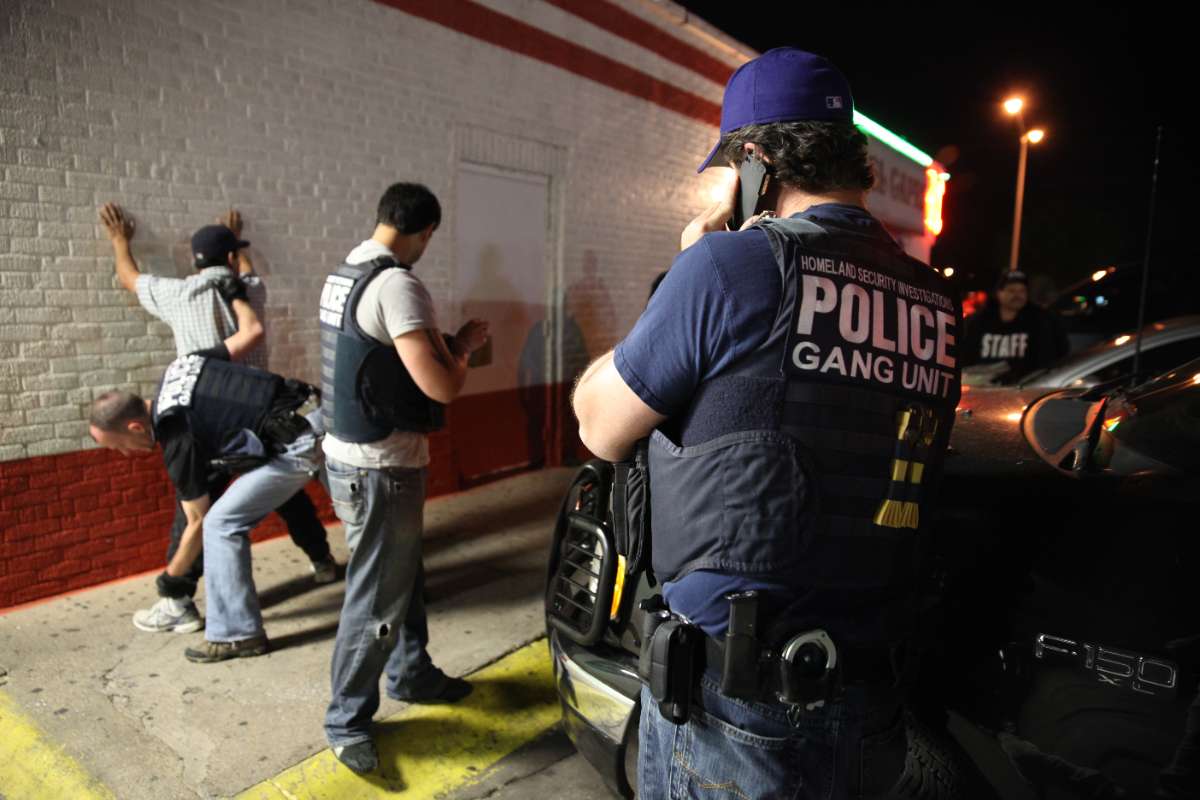
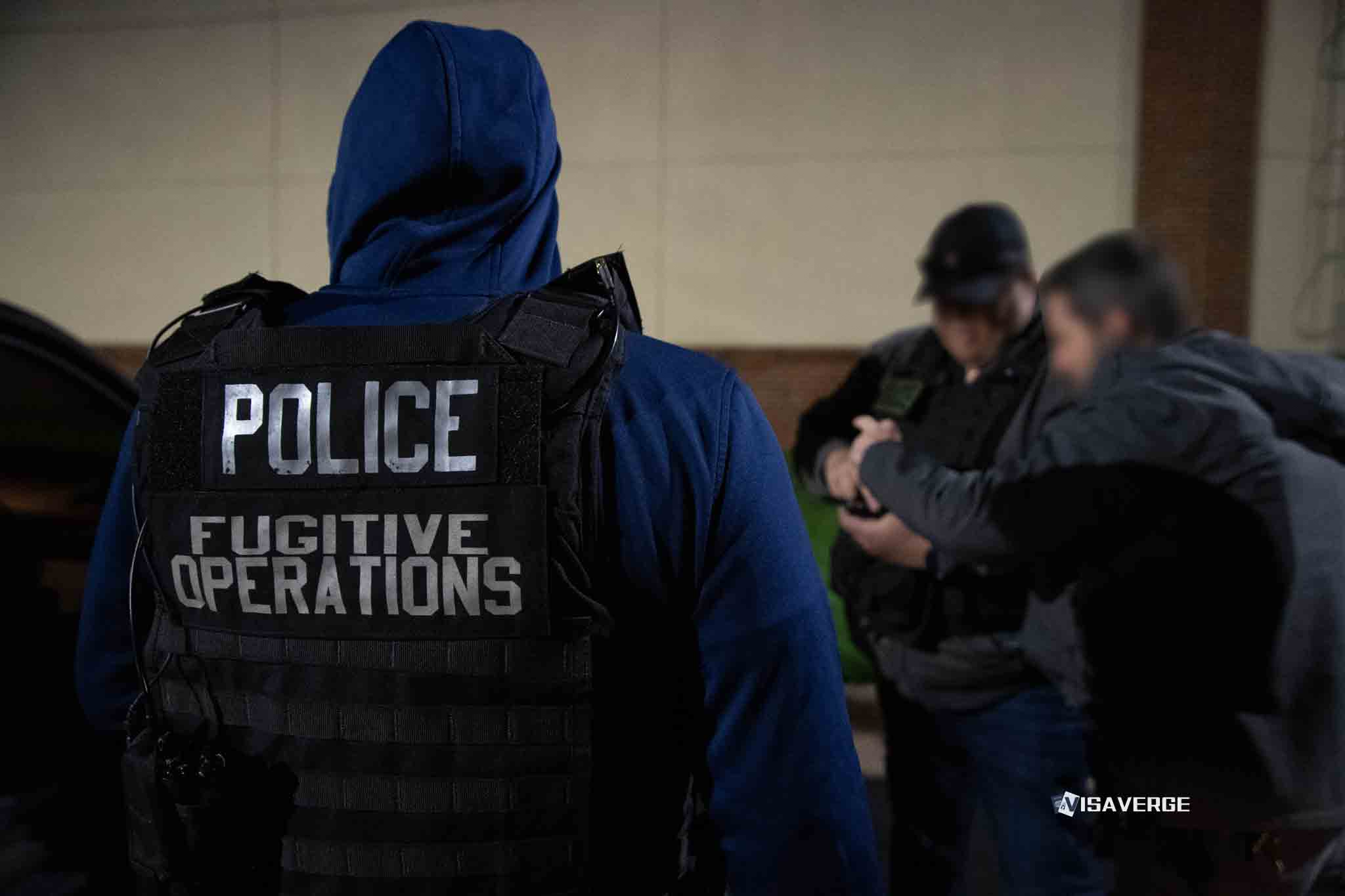
If officers approach at a World Cup watch party, transit station, hotel, or parking area, a person may ask, “Am I free to leave?” If the officer says yes, leave calmly. If the officer says no, ask, “Am I being detained?” Then state, “I am exercising my right to remain silent. I want to speak with a lawyer.” Those words are plain, lawful, and often safer than trying to explain status. Silence should be actual silence. Do not fill the gap with casual conversation.
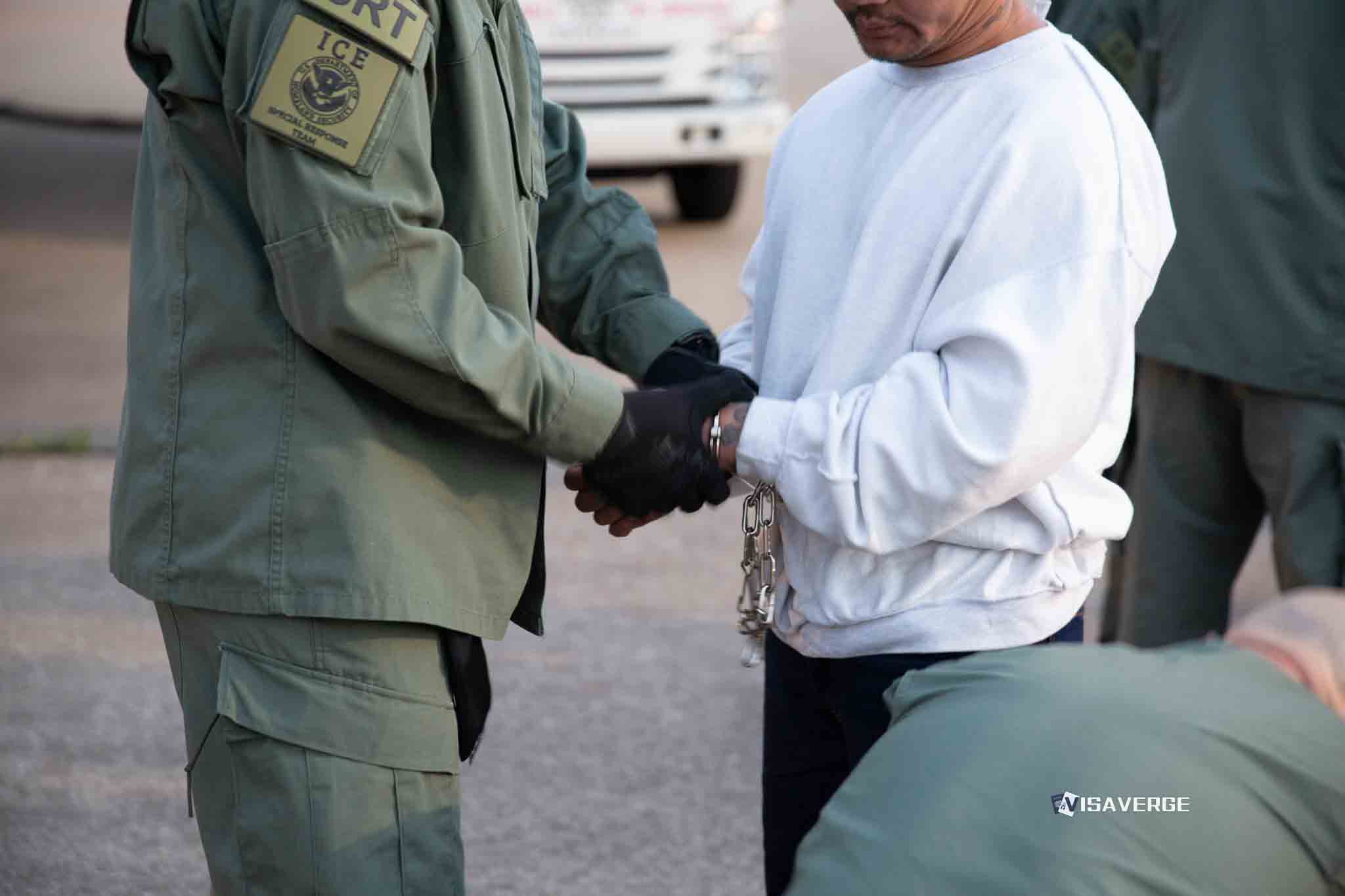
A home encounter follows different rules. ICE generally needs a judicial warrant signed by a judge to enter a home without consent. An administrative immigration warrant, such as Form I-200 or Form I-205, does not authorize entry by itself. Residents may ask officers to slide the warrant under the door or hold it to a window. They do not have to open the door. The warrant should show the correct name and address and indicate whether it is signed by a judge. Consent from one frightened occupant often becomes the government’s argument that entry was lawful.
A vehicle stop also requires care. Drivers usually must provide a license, registration, and proof of insurance if state law requires it. Passengers generally may remain silent. No one has to consent to a search of the car or a phone. Refusing consent should be calm and direct: “I do not consent to a search.” That does not stop officers from searching if they claim another legal basis, but it preserves the objection for court. Mixed-status families heading to Fan Fest zones or stadium-area watch parties often face the hardest choices because a routine traffic stop can open broader questioning.
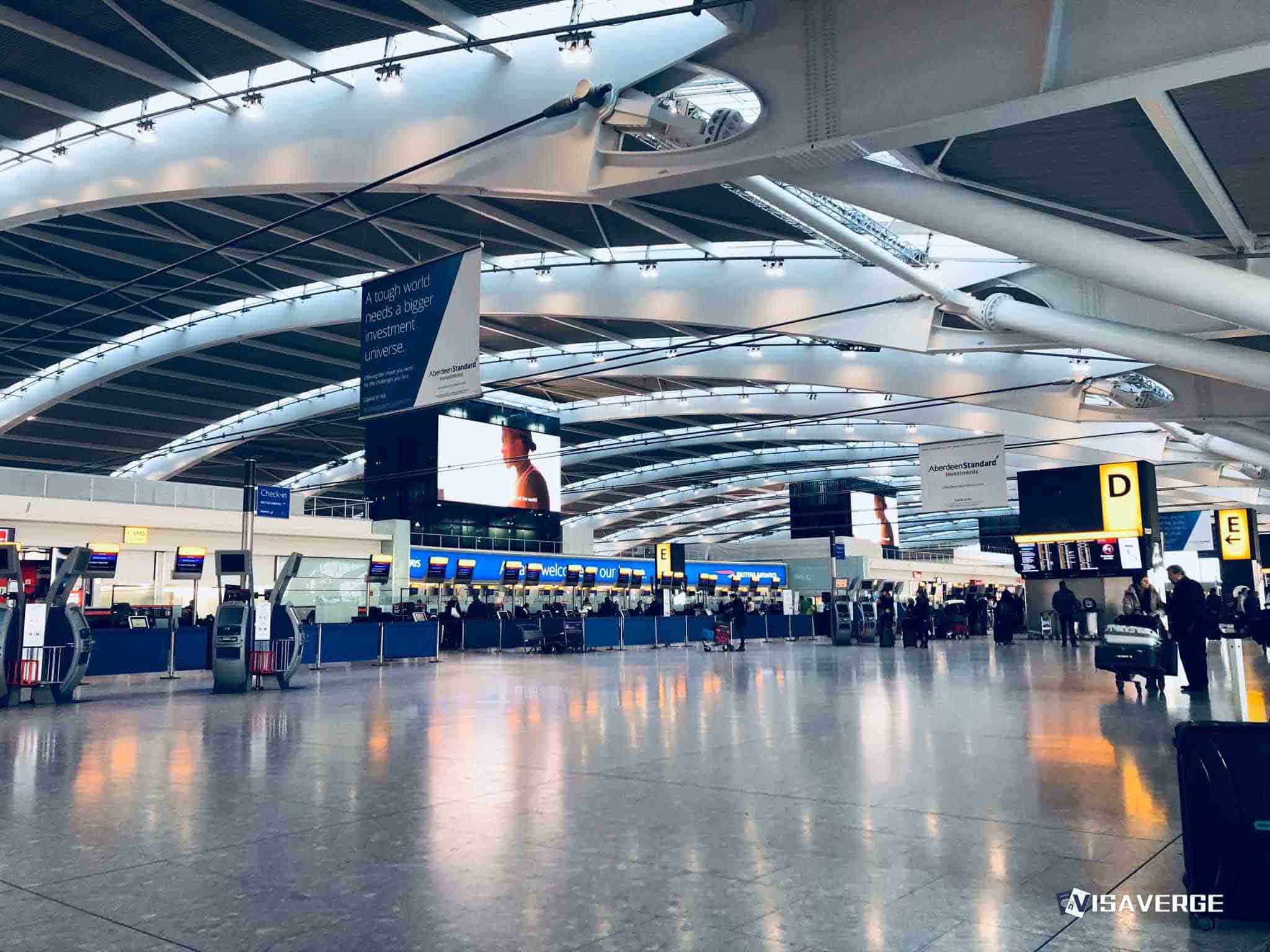
Airports and border crossings are harder settings. CBP may inspect luggage, devices, and travel documents with broader authority than officers have in ordinary street encounters. Visa holders and visitors seeking admission may face refusal of entry if they decline to answer admissibility questions. Lawful permanent residents usually cannot be denied entry in the same summary way, but they may be pressured to sign away status. Any permanent resident referred to secondary inspection should ask to contact counsel and should not sign Form I-407, Record of Abandonment of Lawful Permanent Resident Status, without legal advice. USCIS’s Policy Memorandum PM-602-0199, issued May 21, 2026, also raises the stakes for people pursuing Form I-485 adjustment, because it treats adjustment as an “extraordinary form of relief and administrative grace,” not a routine benefit.
Warning: Facial recognition at a venue is not a command to answer questions. A person may still ask whether they are free to leave and may still decline consent to a search in many non-border settings.
Who has these rights, and where they narrow
Citizens, lawful permanent residents, temporary visa holders, refugees, asylees, people with pending applications, and undocumented immigrants all have due process protections inside the United States. The practical limits differ by setting and status. Noncitizens in removal proceedings have the right to a hearing before an immigration judge in many cases, though not at government expense for counsel. They may seek relief such as asylum under INA § 208, withholding under INA § 241(b)(3), protection under the Convention Against Torture, or cancellation under INA § 240A, depending on the facts. A person already ordered removed faces a much narrower path and needs prompt legal review.
Rights are often lost through missed deadlines. A Notice to Appear may list a hearing date or may be followed by a separate hearing notice. Missing immigration court can lead to an in absentia removal order. USCIS and EOIR deadlines are unforgiving. The proposed employment authorization rule announced on June 5, 2026 does not itself cancel existing work permits overnight, but people in parole, deferred action, or final-order categories should watch the Federal Register and seek legal advice before renewal dates. The refugee ceiling for FY 2026, set at 7,500, has also strained local support networks in Missouri, leaving many newcomers with less access to free legal screening.
If rights are violated, the first steps are practical. Write down names, badge numbers, vehicle numbers, time, place, and witnesses. Save texts, photos, and screenshots. If a phone was searched, note whether consent was requested. If officers entered a home, note whether they showed a judicial warrant. If a person is detained, family members should locate the facility through ICE’s online detainee locator and gather the A-number. In some cases, counsel may move to suppress unlawfully obtained evidence in removal proceedings, though suppression standards in immigration court are narrower than in criminal court. Matter of Barcenas, 19 I&N Dec. 609 (BIA 1988), remains a frequently cited Board of Immigration Appeals decision on suppression issues.
Deadline: Anyone arrested, detained, or served with immigration papers during World Cup events should seek legal review immediately. Hearing dates, bond requests, and filing windows can arrive fast.
Where to get reliable help
Official information is available through the Newsroom, DHS statements on World Cup security at dhs.gov, and the CBP FIFA 2026 travel advisory. People seeking legal help may use the Lawyer Referral service or the Immigration Advocates Network directory to find nonprofit and private counsel. In Missouri, local legal aid and community organizations may also offer rapid-response support during detention or enforcement activity. Cases involving prior removal orders, criminal history, asylum claims, adjustment under Form I-485, or consular processing issues usually require individual advice from a qualified immigration attorney.
⚖️ Legal Disclaimer: This article provides general information about immigration law and is not legal advice. Immigration cases are highly fact-specific, and laws vary by jurisdiction. Consult a qualified immigration attorney for advice about your specific situation.