- Kenya selects China Communications Construction Co. for a $2.9 billion airport upgrade in Nairobi.
- The new project is 50% more expensive than the previous plan canceled in 2024.
- Construction begins this month to expand capacity and modernize the East African hub.
(NAIROBI, KENYA) — Kenya has chosen China Communications Construction Co. to lead a $2.9 billion overhaul of Jomo Kenyatta International Airport, a move that could shape how passengers connect through East Africa’s busiest hub for years. The new deal replaces a cancelled Adani plan and carries a price tag that is roughly 50% higher than the earlier proposal, which matters because airport construction costs tend to show up later in ticket prices, passenger charges, and the overall experience inside the terminal.
The contract covers an engineering, procurement, and construction upgrade of JKIA, which has been running beyond its intended capacity. That usually means longer queues, tighter gate space, and less room for growth on schedules and long-haul connections. Construction is expected to begin this month, so the airport is entering a period of visible change just as airlines keep adding pressure on African hub airports.

Kenya’s decision also closes a major chapter in the airport’s recent planning history. The earlier Adani airport plan was cancelled in November 2024, then replaced with the CCCC award. The switch gives the project a new contractor, a new price, and a new financing structure. Travelers transiting through Nairobi should watch for phased works, temporary congestion, and the possibility that some airport charges rise as the project advances.
Here is how the two plans compare.
| Detail | CCCC plan | Adani plan |
|---|---|---|
| Contractor | China Communications Construction Co. | Adani |
| Contract value | $2.9 billion | About $2 billion |
| Relative cost | About 50% higher | Lower |
| Status | Awarded | Cancelled in November 2024 |
| Project type | Engineering, procurement, and construction | Airport plan, later dropped |
| Main goal | Expand and modernize JKIA | Expand and modernize JKIA |
The numbers tell part of the story. The CCCC award is not just a swap of one contractor for another. It is a much larger financial commitment. A $2.9 billion project at an airport that already handles heavy regional traffic suggests Kenya is betting on a larger build-out than the cancelled Adani version.
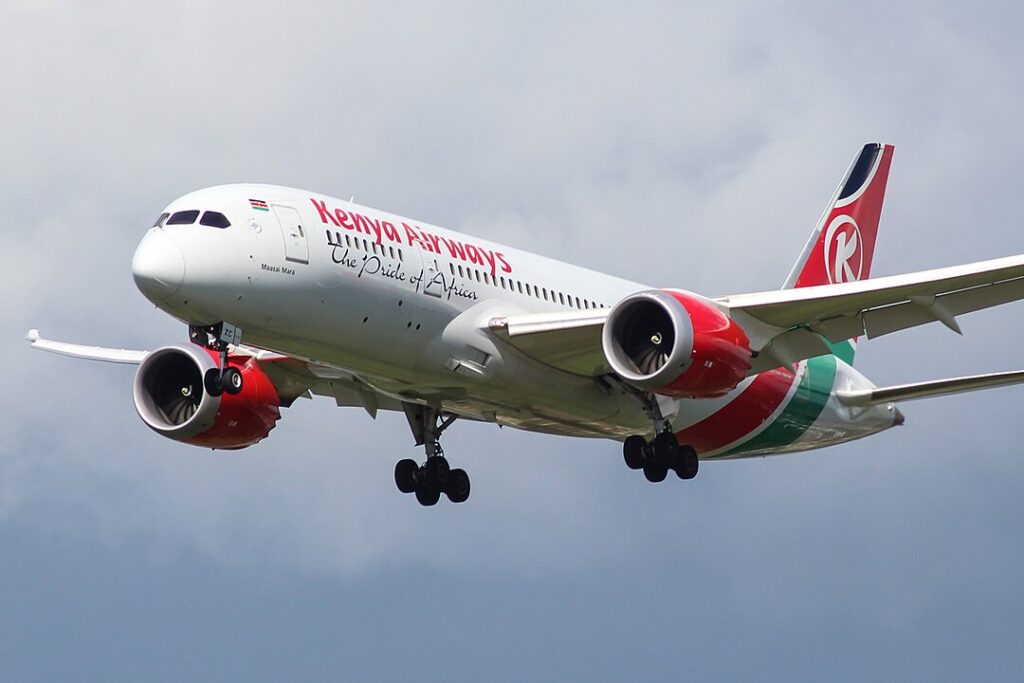
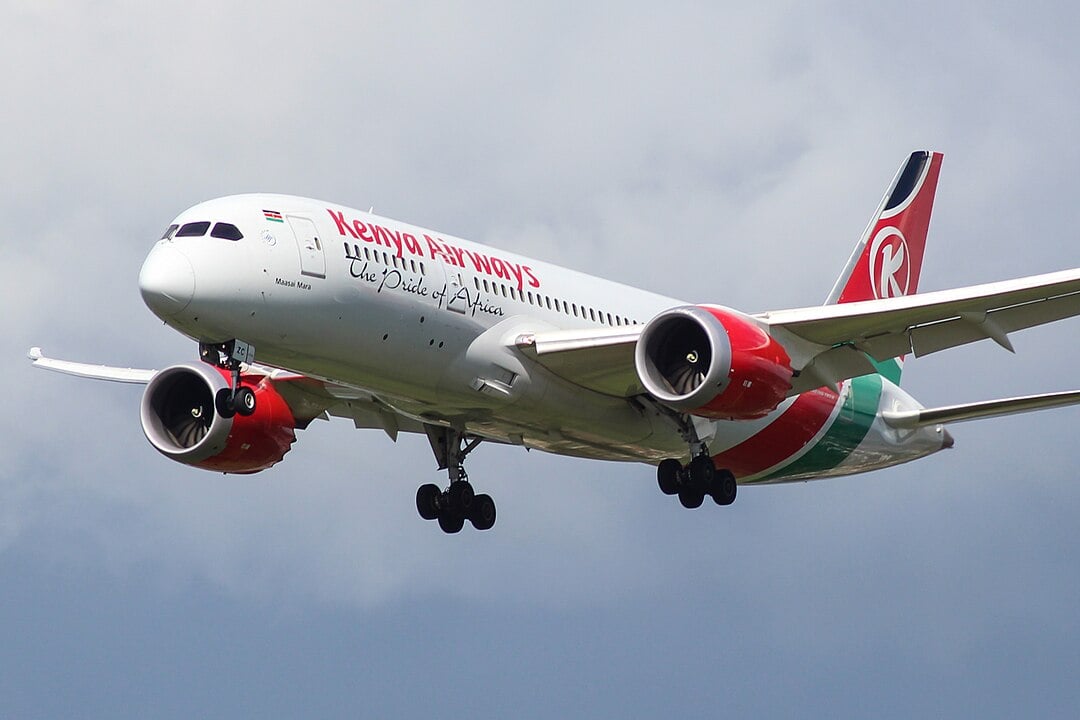
That scale matters to passengers in very practical ways. JKIA is the main gateway for Kenya Airways, a key transit point for travelers moving between Southern Africa, Europe, the Gulf, and Asia, and one of the few airports in the region with serious long-haul ambitions. When a hub is jammed past capacity, airline schedules get tighter and connections get more fragile. A larger terminal and airside upgrade can ease that pressure if the work is executed well.
The project is described as an engineering, procurement, and construction upgrade. That label usually means one contractor is responsible for major parts of the build process, from design execution to purchasing and construction delivery. It is the sort of arrangement governments choose when they want a single entity to carry a broad share of the project risk.
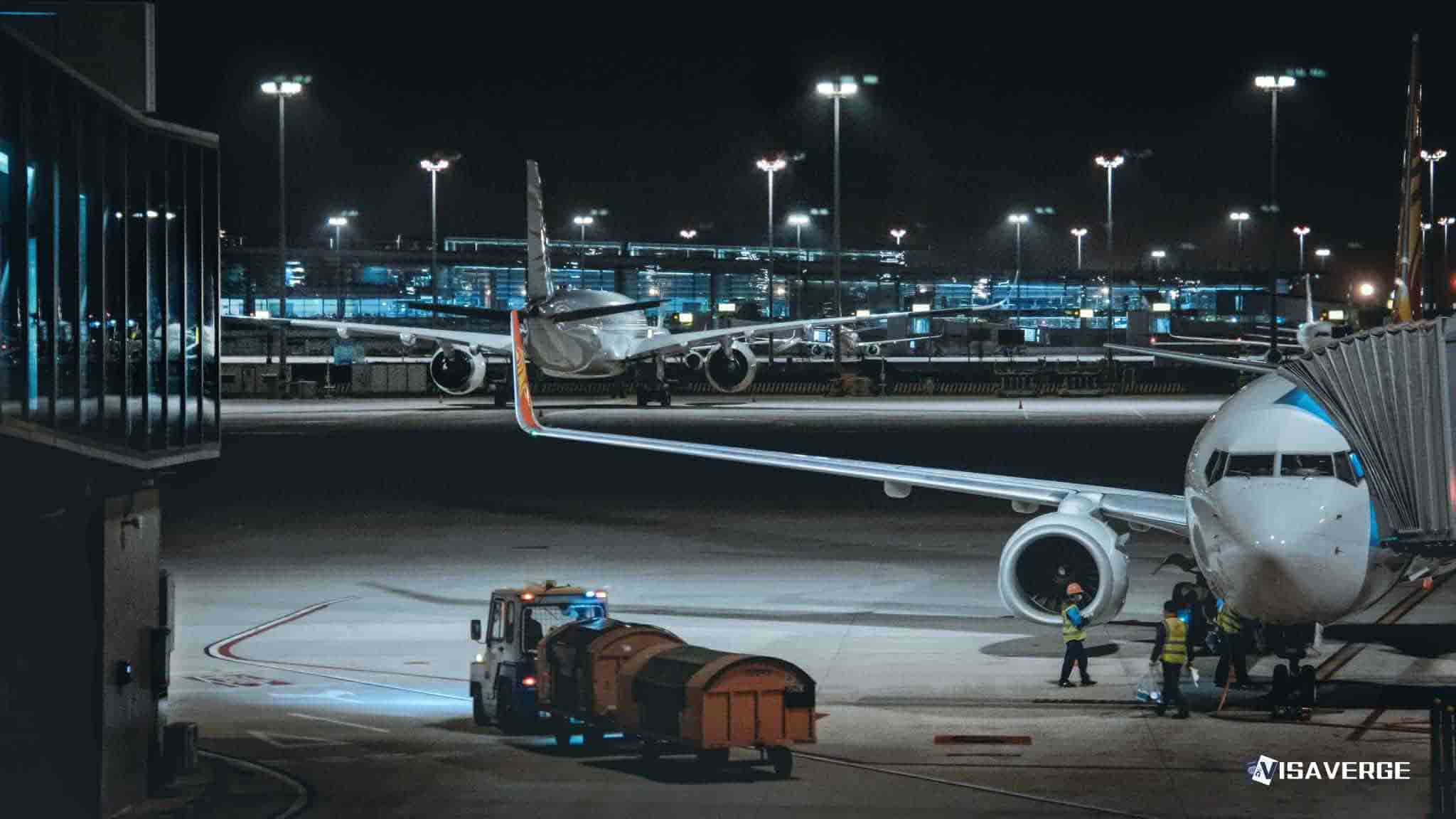
JKIA’s current problem is simple. It is operating beyond capacity. That tends to show up in airport life in small but constant ways: crowded check-in halls, busier security lines, packed departure lounges, and less room for airlines to schedule resilient connections. On a good day, the airport still moves traffic. On a bad day, small disruptions snowball.
The financing plan is also worth watching. Kenya says funding will come partly from the National Infrastructure Fund and partly from commercial loans backed by future passenger service charges. That structure is common in large airport projects, but it also means travelers can end up helping repay the bill over time. Passenger service charges are not always visible in the fare breakdown that gets most attention, but they matter when the final ticket price lands in a booking search.
That is one reason the timing of the award matters to frequent flyers, even those who never set foot in Kenya. Nairobi sits on several network maps at once. It matters to travelers connecting between Africa and the Middle East. It matters to passengers booking safari gateways. It matters to business travelers moving between China, East Africa, and Europe. It also matters to points collectors, because airport quality affects whether a connection feels manageable or stressful.
The project could affect how travelers use miles and points in a few indirect ways. Kenya Airways and its SkyTeam partners rely on JKIA as a connection point, and airport disruption can affect award trip reliability even when mileage pricing stays the same. A delayed domestic feeder or a longer transfer line can turn a clean points itinerary into a messy one. If the upgrade works, Nairobi becomes a stronger option for award travelers routing through East Africa. If construction drags or creates bottlenecks, connection risk rises.
On the redemption side, better airport capacity can also support more consistent premium-cabin inventory over time. That does not guarantee more award seats. Airlines control that separately. But smoother operations at a hub often make it easier for carriers to keep long-haul schedules intact, which matters for anyone trying to use miles on partner flights through Nairobi.
The Adani collapse still hangs over the new award. Kenya cancelled the earlier plan in November 2024, then moved to a Chinese state-linked contractor. That sequence is not just a headline change. It reflects a shift in who is expected to deliver one of the country’s most important transport projects and how that work will be paid for.
Political and legal concerns sit in the background of any airport megaproject this large. Airports are public-facing assets with long planning horizons, and changes in contractor, price, or financing rarely happen in a vacuum. Even when details are sparse, the stakes are visible in the structure of the deal itself. A cancelled private proposal gave way to a larger public infrastructure commitment backed by loans and passenger charges.
The comparison between CCCC and Adani is therefore not only about one bid being cheaper. It is about the size of the job Kenya now says it wants done. The earlier figure was about $2 billion. The new one is $2.9 billion. That gap suggests either a broader scope, higher costs, or both. It also means the airport will likely become a more expensive project to carry, even before the first new gate or terminal section opens.
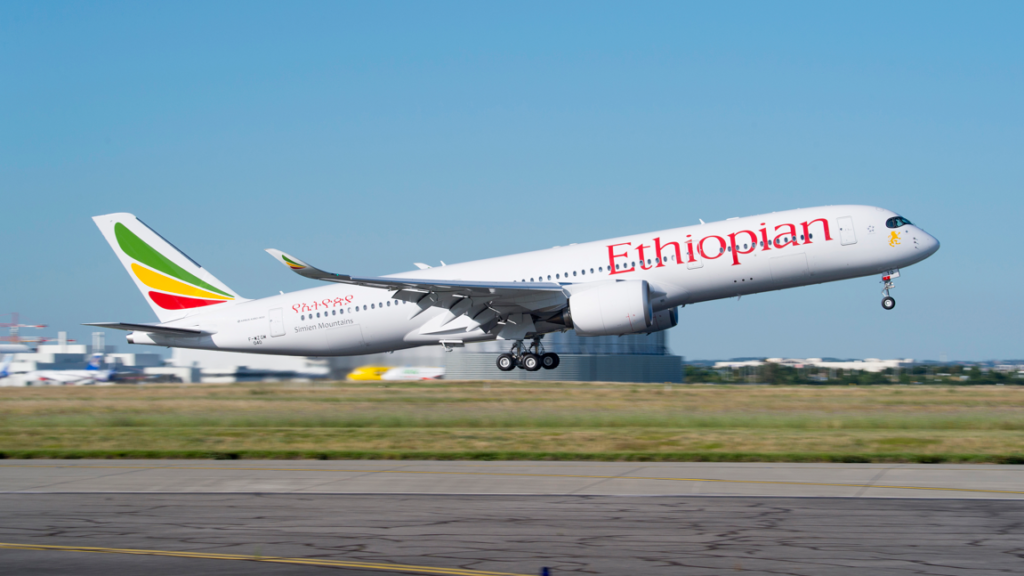
Airline competition around Nairobi makes the stakes even clearer. Emirates, Qatar Airways, Ethiopian Airlines, Turkish Airlines, and Kenya Airways all compete for Africa-to-global traffic. A stronger JKIA can help Kenya defend transit business against nearby hubs such as Addis Ababa, Doha, and Dubai. A weaker or disrupted JKIA gives rivals more room to pull connecting traffic away.
The airport’s future also affects the traveler deciding whether to connect through Nairobi or route elsewhere. A smoother terminal can make a one-stop trip feel worth it. A congested terminal can push passengers toward longer routings with more reliable connections. That tradeoff matters most on premium tickets and award itineraries, where a missed connection can wipe out hours of careful planning.
China Communications Construction Co. is a familiar name in large infrastructure work, and Kenya’s choice of CCCC shows the country is leaning on a contractor with the scale to handle a multibillion-dollar airport build. Adani, by contrast, exits the picture entirely after the November 2024 cancellation. The shift leaves Kenya with a more expensive plan and a new delivery partner, but also with a clearer path to start work this month.
| Question | What travelers should watch |
|---|---|
| Will the airport feel busier during construction? | Yes, especially if works affect access, security, or gate areas. |
| Will ticket prices rise? | Passenger charges can feed into fares over time. |
| Will award travel be affected? | Connection reliability matters even when mileage pricing stays unchanged. |
| Will Nairobi become a stronger hub? | Only if the upgrade is delivered without long delays. |
Choose Nairobi if you are connecting between Africa and global long-haul networks and want to keep an eye on a hub in transition. Choose another routing if you value predictable transfers more than hub access, especially while construction starts and airport operations adjust.
The most important date is this month, when construction is expected to begin. Travelers with bookings through JKIA should keep an eye on airport notices, allow more time for connections, and check whether their airline changes transfer procedures during the early construction phase.