- Approximately 3,000 Belarusian nationals face high-risk removal due to expedited processing of southern border asylum claims.
- A new rule allows USCIS to refer cases directly to court without first conducting an interview with applicants.
- The Department of Homeland Security is offering a $3,000 stipend for those choosing voluntary departure by December 2026.
Approximately three thousand Belarusians in the United States could face high-risk removal after entering through the southern border and filing pending asylum claims, according to humanitarian trackers and official-policy summaries dated July 28, 2026. The group includes about 3,162 pending cases.
Most of those applicants reportedly crossed from Mexico without prior visa authorization. That route is targeted by Presidential Proclamation 10998. The cases now face a faster path to immigration court.

USCIS announced an interim final rule July 27 that allows asylum officers to refer certain cases directly to Immigration Judges without first conducting an interview. The change applies to affirmative asylum claims, which are filed by people not already in removal proceedings.
The policy removes a procedural step. It also puts work authorization at risk when an application is rejected or sent to court without an interview.
| India | China | ROW | |
|---|---|---|---|
| EB-1 | Feb 01, 2023 | Aug 01, 2023 ▲31d | Current |
| EB-2 | Nov 01, 2013 | Oct 01, 2021 | Apr 01, 2025 ▲90d |
| EB-3 | Jan 22, 2014 ▲21d | Jan 22, 2022 ▲14d | Jun 15, 2024 ▲31d |
| F-1 | Jan 22, 2021 ▲366d | Jan 22, 2021 ▲366d | Jan 22, 2021 ▲366d |
| F-2A | Oct 22, 2026 ▲30d | Oct 22, 2026 ▲30d | Oct 22, 2026 ▲30d |
A July rule sends more asylum cases straight to court
USCIS Director Joseph Edlow defended the change as a way to reduce the asylum backlog. He said the system had been used to delay removals and obtain work authorization, while arguing that the rule would direct resources toward applicants with genuine protection claims.
“For far too long the asylum system has been exploited for purposes of delay and work authorization, not legitimate claims of protection. America’s asylum system exists to protect individuals who genuinely fear persecution and this rule will ensure resources are focused on real asylum claims while removing those who do not qualify.”
The new process affects how cases move, not the legal standard for asylum. Applicants whose cases reach Immigration Judges may still present their claims in removal proceedings. A referral, however, can end the USCIS phase before an officer interviews the applicant.
Many affected people also depend on Employment Authorization Documents. If their asylum applications are rejected or referred to court without an interview, those documents may no longer remain available under the applicable process.
The administration has paired the asylum change with broader enforcement measures. Homeland Security Secretary Markwayne Mullin said July 15 that Immigration and Customs Enforcement officers should have every available option while carrying out deportations of people the government identifies as criminal offenders.
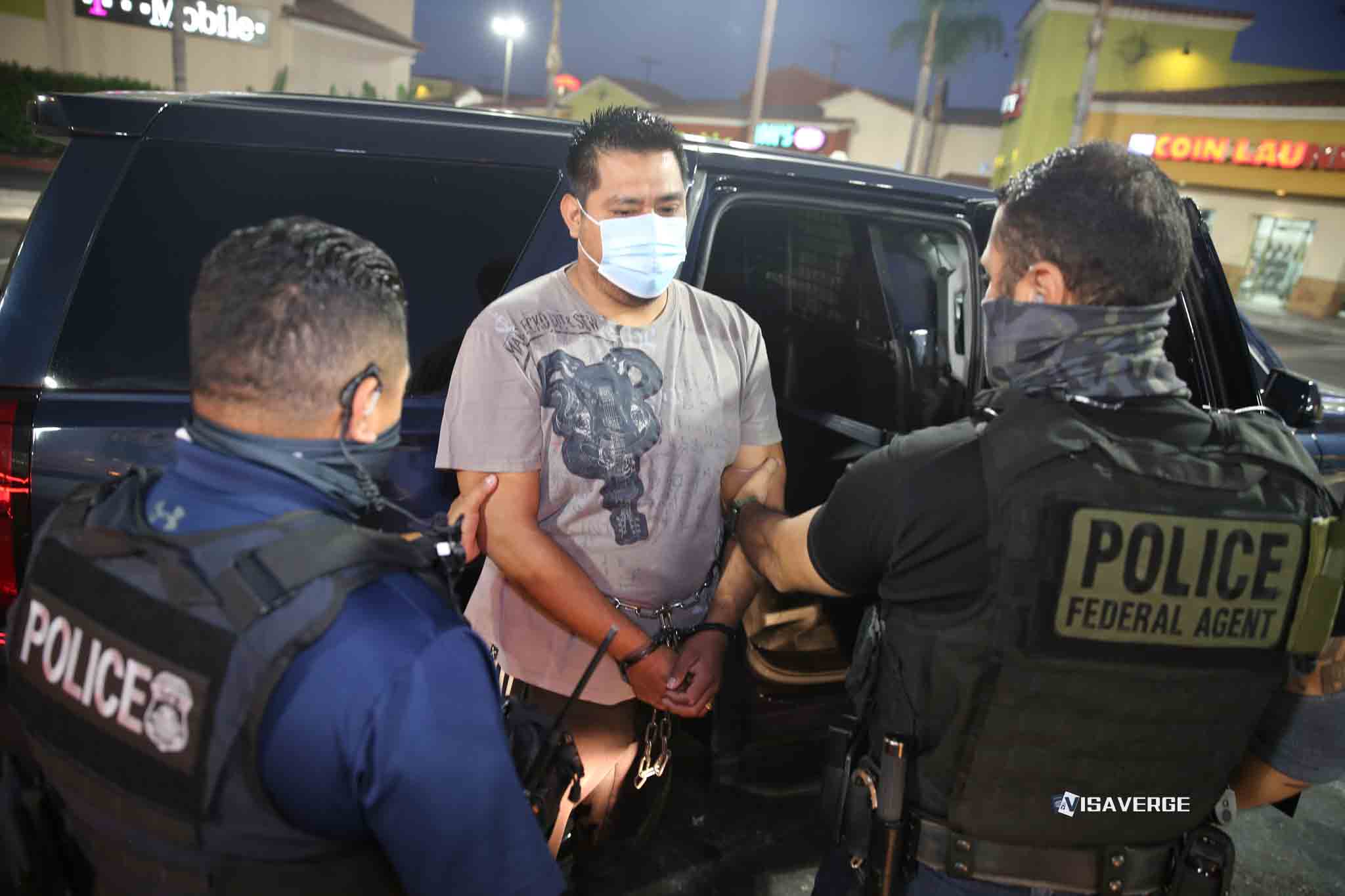
Detentions and removals have already begun
Human rights groups, including ByAction, have documented at least 127 detained Belarusian citizens since early 2025. At least 14 Belarusians had been forcibly deported by March 2026.
Some others chose voluntary departure. The figures describe documented cases, not the full population covered by the pending asylum count.
Destination countries have also become part of the risk. Reports from July 2026 said some Belarusians were deported to third countries, including Belize, rather than returned directly to Belarus.
The reports linked those transfers to diplomatic tensions and safety concerns surrounding direct returns to Minsk. A third-country removal can create separate questions about travel, custody and access to legal assistance.
Visa restrictions narrow another immigration route
The Department of State paused immigrant visa issuance for nationals of 75 countries, including Belarus, effective January 21, 2026. The pause formed part of a Public Charge Review.
That measure concerns immigrant visa issuance rather than the asylum-referral procedure. Together, the policies affect separate routes through which a Belarusian national might seek to remain in the United States.
Belarusian nationals also face enhanced screening because Belarus appears on the government’s High-Risk Country list. The designation subjects nationals to heightened security vetting under PM 602-0194.
A country designation does not decide an individual asylum claim by itself. Immigration officers and judges assess individual applications under the governing process.
DHS offers money for voluntary departure
The Department of Homeland Security continues to offer a $3,000 stipend and free airfare through the CBP Home app to people who agree to leave voluntarily before December 31, 2026.
The incentive is separate from a removal order. Choosing voluntary departure can still carry immigration consequences, and the effect may depend on a person’s proceedings, prior immigration history and available relief.
Applicants weighing that option may need advice before accepting travel or signing documents. The same is true for anyone whose asylum case is referred directly to court.
The policy environment also reflects provisions in the One Big Beautiful Bill Act, or H.R. 1. The 2025 legislation limited the period for automatic work authorization extensions and expanded DHS authority to review naturalized citizens and long-term residents for possible revocation of citizenship or status.
Those provisions reach beyond the Belarusian asylum cases. They add to the enforcement framework surrounding work permits and immigration-status reviews.
The immediate issue for the 3,162 pending Belarusian cases is procedural speed. A direct referral can move an affirmative applicant from USCIS processing into Immigration Court, where the person must defend the claim in removal proceedings.
A case’s outcome can depend on the facts, supporting evidence, filing history and court jurisdiction. This article provides general information and is not legal advice. Consult a qualified immigration attorney about your specific case.