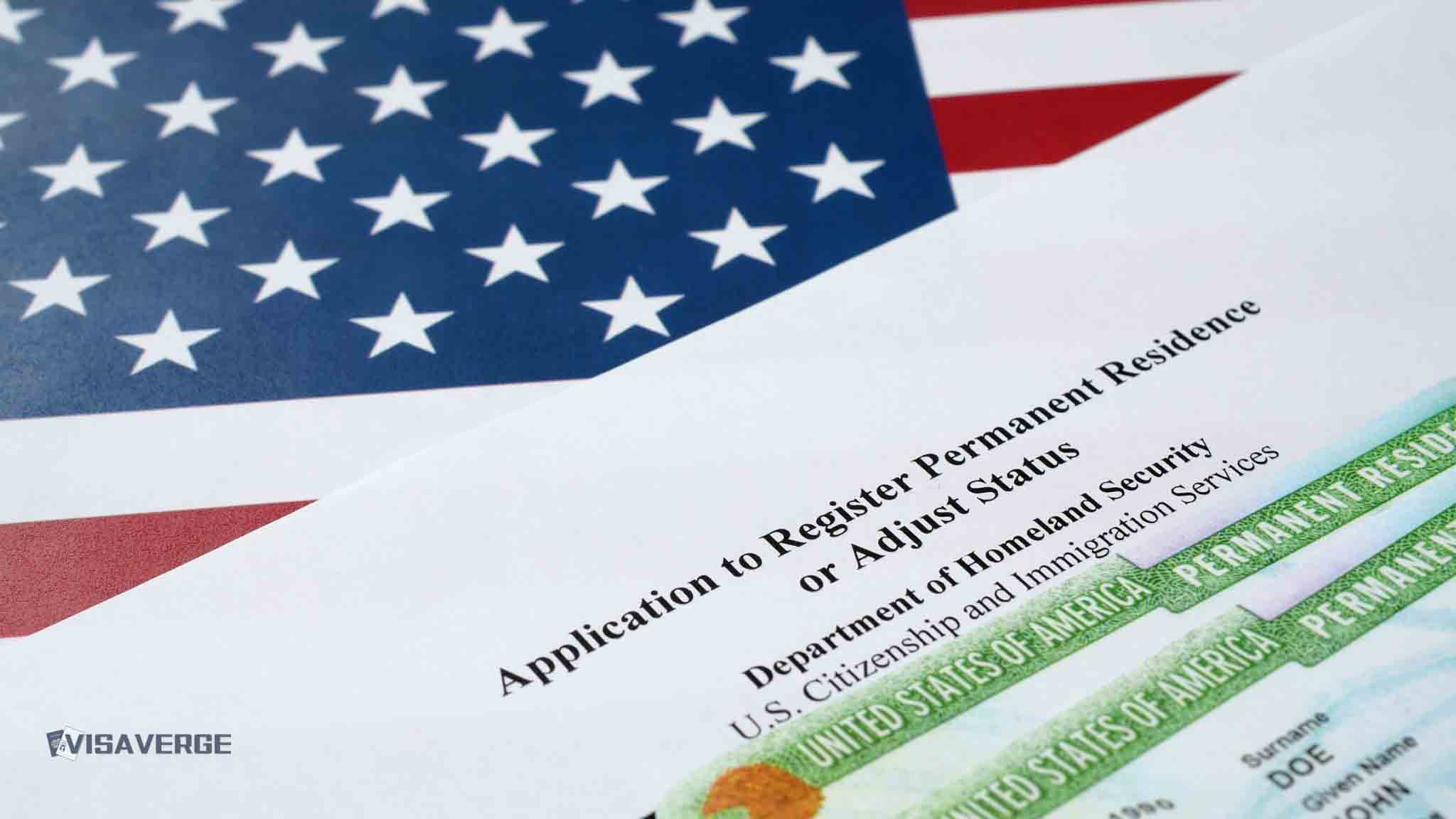
- Senator Padilla reintroduced a bill to grant 8 million green cards based on seven years of residency.
- The proposal targets long-term residents and Dreamers to bypass decades-long visa backlogs and country caps.
- USCIS currently prioritizes consular processing over adjustment of status for immigrants already inside the country.
Sen. Alex Padilla renewed a push Monday for a registry law that could let long-term immigrants apply for green cards after seven years in the United States, potentially reaching 8 million people. The proposal includes H-1B holders, Dreamers, Temporary Protected Status recipients, essential workers and children of long-term visa holders.
Padilla, a California Democrat and ranking member of the Senate Judiciary Immigration Subcommittee, reintroduced the effort on July 27, 2026. His proposal would replace the existing registry framework with a rolling date tied to continuous residence.

The measure remains legislation, not a new immigration benefit. Its potential beneficiaries would still need Congress to approve the bill.
The proposal arrives as USCIS takes a harder position on green-card applications filed from inside the country. A May 22 policy memorandum describes adjustment of status as an “extraordinary form of relief” granted through discretion and administrative grace.
| India | China | ROW | |
|---|---|---|---|
| EB-1 | Feb 01, 2023 | Aug 01, 2023 ▲31d | Current |
| EB-2 | Nov 01, 2013 | Oct 01, 2021 | Apr 01, 2025 ▲90d |
| EB-3 | Jan 22, 2014 ▲21d | Jan 22, 2022 ▲14d | Jun 15, 2024 ▲31d |
| F-1 | Jan 22, 2021 ▲366d | Jan 22, 2021 ▲366d | Jan 22, 2021 ▲366d |
| F-2A | Oct 22, 2026 ▲30d | Oct 22, 2026 ▲30d | Oct 22, 2026 ▲30d |
Padilla said Congress should act as long-term residents face an increasingly restrictive system.
“A year ago, I introduced this bill to push back against the Trump Administration’s cruel treatment of hardworking immigrants. Since then, President Trump’s campaign of fear has only escalated. Congress cannot continue to ignore millions of long-term residents who contribute to our economy and communities every day. It’s past time to modernize our immigration laws and create a fair pathway to lawful permanent residency.”
The bill’s seven-year standard would reach people who have remained in the country continuously for at least seven years. The estimate of 8 million includes many immigrants who currently lack another route to lawful permanent residence.
The proposal would target backlogs that can last decades
Indian technology professionals stand among the groups most affected by the measure. Some employment-based applicants face waits lasting several decades, according to current USCIS data described in the research supporting the proposal.
A rolling registry could allow qualifying long-term residents to seek permanent residence regardless of employer sponsorship or country caps. That would change the position of workers tied to employment-based queues.
The potential beneficiaries extend beyond employment visas. Dreamers, TPS holders, essential workers and “documented Dreamers,” including children of long-term visa holders, also fall within the estimated group.
Padilla’s proposal therefore sets a residence-based route rather than limiting relief to a particular job, employer or nationality. The seven-year requirement remains the central eligibility threshold described in the bill.
USCIS is favoring consular processing over in-country applications
The executive policy points in the opposite direction. Policy Memorandum PM-602-0199 directs officers to favor consular processing, which generally requires an applicant to leave the United States and apply through a consulate.
USCIS spokesman Zach Kahler described the change as a return to what the agency considers the original purpose of immigration law.
“We’re returning to the original intent of the law to ensure aliens navigate our nation’s immigration system properly. From now on, an alien who is in the U.S. temporarily and wants a Green Card must return to their home country to apply, except in extraordinary circumstances. This policy allows our immigration system to function as the law intended instead of incentivizing loopholes.”
The memorandum says approval of adjustment is not guaranteed. Applicants must show that they merit the discretionary relief of completing the process inside the United States.
H-1B and L-1 classifications retain dual-intent treatment, meaning those visa categories can accommodate permanent-residence plans. The memorandum nevertheless emphasizes discretion and places the burden on the applicant to establish eligibility for in-country adjustment.
That approach could create additional travel and processing risks for workers with long employment-based waits. It also differs sharply from Padilla’s proposed residence-based route.
The two approaches would produce different results
| Issue | Padilla proposal | Current USCIS policy described in the research |
|---|---|---|
| Residence requirement | At least seven years of continuous residence | No new seven-year route |
| Green-card process | Apply for lawful permanent residence through a rolling registry | Officers are directed to favor consular processing |
| Employer sponsorship | The proposal would reach qualifying residents regardless of employer sponsorship | Existing employment-based applicants remain subject to current procedures |
| Country caps | The proposal would reach qualifying residents regardless of country caps | Existing employment-based backlogs continue under current rules |
| Decision standard | Legislative eligibility under the proposed registry | Adjustment treated as discretionary relief |
The distinction is practical. A registry law would create a new eligibility route, while the USCIS memorandum changes how officers evaluate an existing procedure.
Neither measure automatically grants permanent residence. The bill would first need congressional approval, and the memorandum governs agency decision-making under current law.
A separate asylum rule adds to the restrictive shift
USCIS also announced a rule change July 27 that allows officers to refer asylum applications directly to immigration judges without conducting an interview. The agency said the change is intended to reduce backlogs.
USCIS Director Joseph Edlow said the asylum system had been used for delay and work authorization rather than protection claims.
“For far too long the asylum system has been exploited for purposes of delay and work authorization, not legitimate claims of protection. this rule will help ensure that resources are directed to the timely adjudication of those claims instead of to those seeking to use the system as a loophole.”
The asylum change does not create or remove the registry proposal’s seven-year requirement. It forms part of the broader enforcement and screening approach accompanying the adjustment-of-status policy.
Dreamers and TPS holders could gain a direct permanent-residence route under Padilla’s measure. At the same time, the research describes increased enforcement and status terminations, including the termination of Yemen and Somalia TPS in 2026.
Other immigration measures remain in the background
The competing approaches follow major fee and implementation changes under the One Big Beautiful Bill Act, H.R. 1. President Trump signed that 2025 law, which introduced a $100,000 fee for new H-1B petitions effective September 21, 2025, along with annual fees for asylum seekers.
A federal court in Massachusetts issued an administrative stay July 21, 2026, covering certain parts of USCIS implementation of the law. The stay adds another layer of uncertainty to the immigration rules affecting employers and applicants.
Employers must distinguish the proposal from current filing obligations. Until Congress acts, an employer cannot treat the registry measure as an alternative to existing H-1B or employment-based procedures.
Workers should likewise avoid assuming that seven years of residence currently produces a green card. Under the May memorandum, applicants seeking adjustment inside the United States face a discretionary review, while consular processing remains the preferred route stated by USCIS.
The bill’s next practical test is congressional action. Padilla renewed his effort on July 27, 2026, but the proposed rolling registry date has not itself changed the status of any applicant.
The two immigration tracks now sit side by side: a legislative proposal built around long-term residence and an executive policy that presses more applicants toward consular processing outside the United States.