- The Upper Tribunal found the Home Office relied on a non-existent Morocco policy document in an asylum case.
- Judge suggests the fictitious reference was an artificial intelligence hallucination from internal policy search tools.
- Internal inspections identified thirty-seven incorrect decisions among forty-seven asylum cases reviewed using automated tools.
The Upper Tribunal found that the Home Office relied on a non-existent Morocco policy document when refusing protection to a woman and her child who fled forced underage marriage and severe physical and sexual violence.
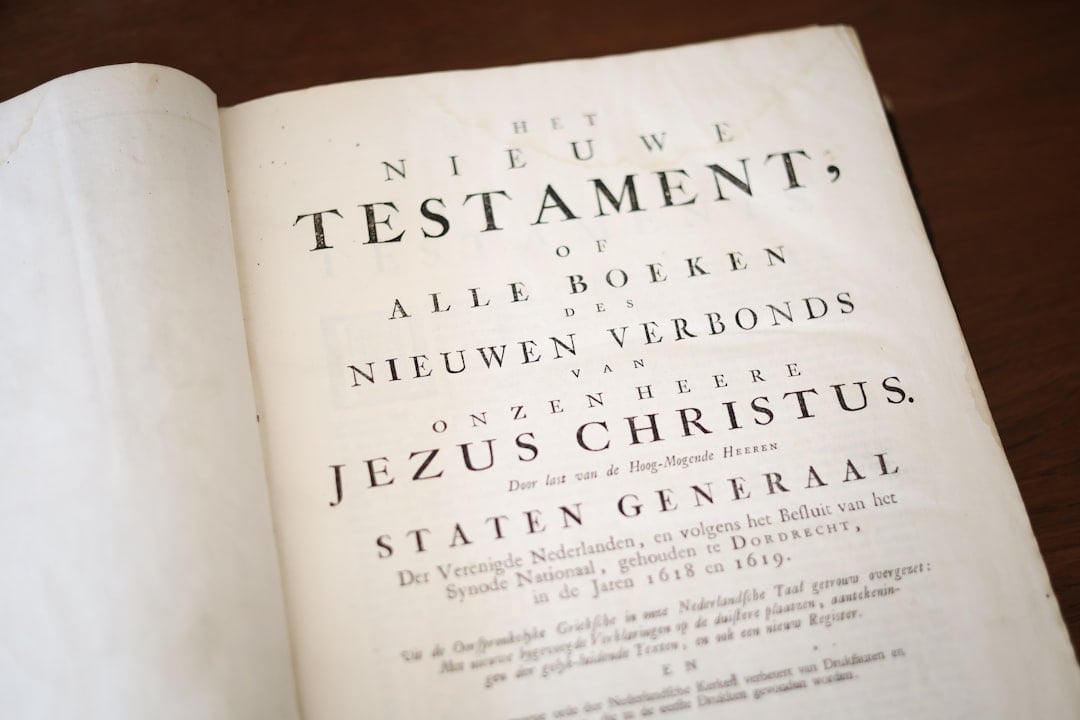
The document, titled Country Information Note Morocco July 2021, appeared in the refusal decision. The tribunal found that it had never existed.

The ruling, dated July 14, 2026, said the document bore hallmarks of an AI hallucinated reference. A human caseworker relied on it without checking whether the note existed.
The court allowed the woman’s appeal to proceed after finding a procedural irregularity. The judge also compared the department’s reliance on the document with the use of bogus evidence.
“It appears that no such CPIN has ever existed. It bears hallmarks consistent with the use of artificial intelligence. It may therefore transpire that references to [the note] are a result of an AI 'hallucination'.”
The judge said the reliance was “Analogous to relying on bogus evidence.”
The case involved claims about Morocco’s treatment of child marriage. Internal documents cited in the proceedings recorded that Morocco granted 40,000 exemptions for child marriages in 2018, equal to one-fifth, or 20%, of all marriages that year.
The evidence challenged the refusal’s treatment of Morocco as safe. The Home Office’s own country policy team said it could not locate the note cited in the decision.
A missing Morocco note shaped the refusal decision
The caseworker’s decision used the supposed 2021 note to support the Home Office position. The document was not found in the department’s policy records.
That failure affected the appeal directly. The tribunal treated the use of the fictitious note as a procedural defect rather than an ordinary disagreement over country evidence.
The woman and child had left Morocco after forced underage marriage and extreme violence. The ruling therefore examined both the country material and the reliability of the decision-making process.
The Home Office said it was reviewing its asylum system. A spokesperson said:
“The home secretary is restoring order and control to our asylum system. We keep our asylum system under constant review.”
Caseworkers use AI to search and summarize asylum material
The department has acknowledged two generative AI systems in asylum processing. Both are based on ChatGPT-4.
Asylum Case Summarisation, known as ACS, summarizes asylum interview transcripts. Asylum Policy Search, or APS, searches and summarizes Country Policy and Information Notes.
The judge suggested that APS may have produced the non-existent Morocco reference. A caseworker then used the result as factual material without verifying the source.
That sequence places responsibility beyond the software itself. The refusal still came from a human decision-maker, who had to check the material before relying on it.
A legal opinion published in March 2026 warned that the tools were “at significant risk of being unlawful” and inconsistent with the UK Government AI Playbook. Robin Allen KC, Dee Masters and Joshua Jackson wrote the 84-page opinion.
Their analysis addressed the wider use of automated summaries and policy searches in asylum work. It did not turn the systems into legal decision-makers, but it raised questions about how officials used their outputs.
A separate case warned about a fake authority in tribunal proceedings
A related decision, UK and R (on the application of Munir) v Secretary of State for the Home Department [2026] UKUT 81 (IAC), examined false authorities advanced by legal representatives in two immigration cases.
The decision raised concerns that AI-generated legal material had been placed before the tribunal. It also stressed that professionals remain responsible for the accuracy of documents they file.
The warning applies to legal representatives as well as public officials. Failures may lead to referral to the regulator.
The same decision cautioned that uploading confidential client information into open-source AI services could breach confidentiality and legal privilege. In the related account, putting Home Office decision letters or client data into tools such as ChatGPT was described as waiving privilege.
That ruling creates a separate risk from the Morocco refusal. One issue concerns an official decision based on a missing country note. The other concerns representatives presenting unverified legal authorities and exposing confidential information.
Inspectors found problems in 47 asylum cases
A separate inspection reviewed 47 cases involving asylum decision letters and interviews that used tools including Copilot and ChatGPT. The review found 37 decisions likely incorrect.
Those findings extend the concern beyond one country note. They point to possible problems in both the drafting of decisions and the handling of interview evidence.
Sara Alsherif, Migrants Rights Programme Manager, called for an “immediate ban” on the tools after the disclosures. The Open Rights Group said it was preparing further legal challenges for asylum seekers whose assessments may have been affected by unverified AI summaries.
The claims concern different stages of asylum processing. ACS deals with interview transcripts, while APS handles policy and country information. The Morocco case involved a country note that the department could not locate.
Legal responsibility remains with the person filing or deciding
The tribunal’s reasoning does not make an AI system the formal author of an asylum refusal. It places attention on the official or representative who uses material without checking it.
That distinction also shapes any challenge to a decision. An applicant may need to examine the refusal letter, the country evidence cited, the interview record and the route by which material entered the case.
The March opinion by Allen, Masters and Jackson adds a confidentiality issue. Open-source tools may process sensitive information, including client data and decision letters, in ways that create privilege concerns.
The related tribunal ruling also warned that legal professionals cannot avoid responsibility by blaming automated tools. Accuracy remains their obligation.
The Home Office’s review will now face scrutiny alongside the continuing legal challenges. The July 14 ruling has already returned the Moroccan woman’s appeal to the tribunal process, where the underlying protection claim can proceed without the fictitious note.
This article provides general information and is not legal advice. Consult a qualified immigration attorney about your specific case.