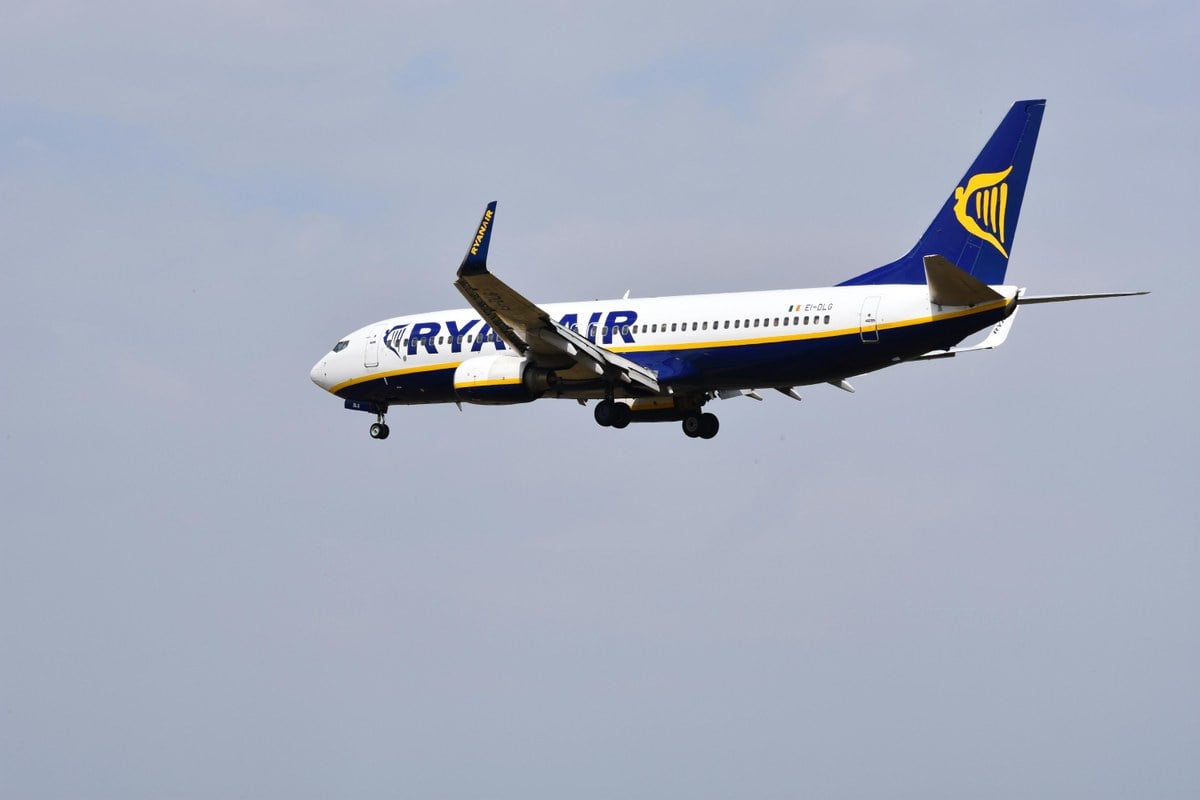
Ryanair Group CEO Michael O’Leary on September 10, 2026 disputed the claim that passenger Ljubisa Karovic, 61, was “sucked out of a window” during the July 10 flight, while acknowledging that Karovic suffered neck and shoulder injuries and saying the airline is discussing compensation with his lawyer. The latest investigation findings from the National Transportation Safety Board, issued on August 13, 2026, say a No. 2 (right) engine fan-blade-out (FBO) failure during climb out sent debris into the cabin window, and investigators have not yet determined the root cause.
- Michael O’Leary said in Dublin after Ryanair’s annual general meeting on September 10, 2026: “We don’t think any part of his body got out the window, but he was certainly sucked in very dramatic circumstances towards the window.”
- Ljubisa Karovic, a 61-year-old Serbian businessman, said he heard a loud “explosion” on the July 10 flight and claimed his head and right shoulder were partially sucked out of the cabin window.
- The National Transportation Safety Board said on August 13, 2026 that the aircraft suffered a “No. 2 (right) engine fan-blade-out (FBO) failure during climb out” and that engine debris shattered the cabin window.
- The NTSB also said about 37 percent of the fracture surface on the failed fan blade showed features consistent with fatigue, that the blades had undergone ultrasonic inspections in November 2025 and May 2026 with no damage detected, and that bird remains were found in the engine.
- Passenger Ljubisa Karovic was nearly pulled through a broken window after a Ryanair engine failure.
- The airline CEO disputed the passenger’s account, calling reports of him being sucked out nonsensical.
- The family is seeking significant compensation for physical injuries and psychological trauma following the emergency.
Ljubisa Karovic, 61, says Ryanair offered only to rebook flight after he was nearly pulled through a broken window on a July 10 flight from Thessaloniki, Greece, to Memmingen, Germany. He suffered neck and shoulder injuries and friction burns.
The airline has not contacted Karovic directly, he said. Messages went instead to his son, who booked the tickets, asking whether the family wanted to rebook and how Karovic was recovering.
“All we’ve had is emails to my son, who booked our flights, asking if we want to rebook and asking how I was. But nobody from the company has contacted me directly – not even a phone call to show any concern.”
Karovic said the family also expected compensation. Neil Sorahan, the airline’s group chief financial officer, said the customer care team had been in contact and that it was “way too early” to discuss compensation while the investigation continued.
Sorahan said the crew did a “phenomenal job” and returned the aircraft to Thessaloniki. The airline said it arranged a replacement aircraft to carry passengers onward to Memmingen.
A rapid descent followed the window failure
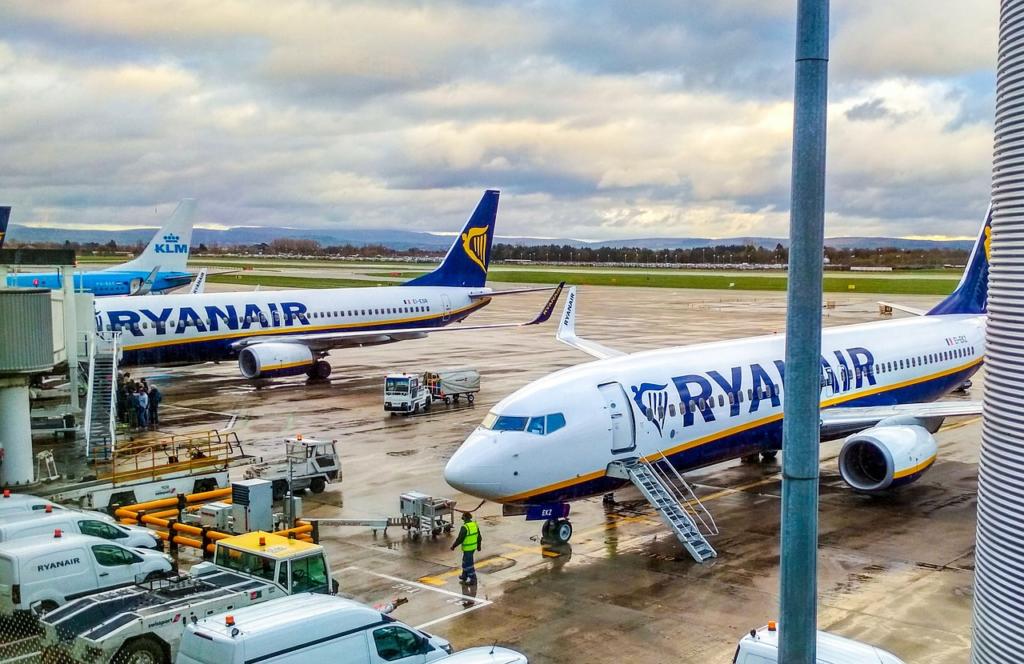
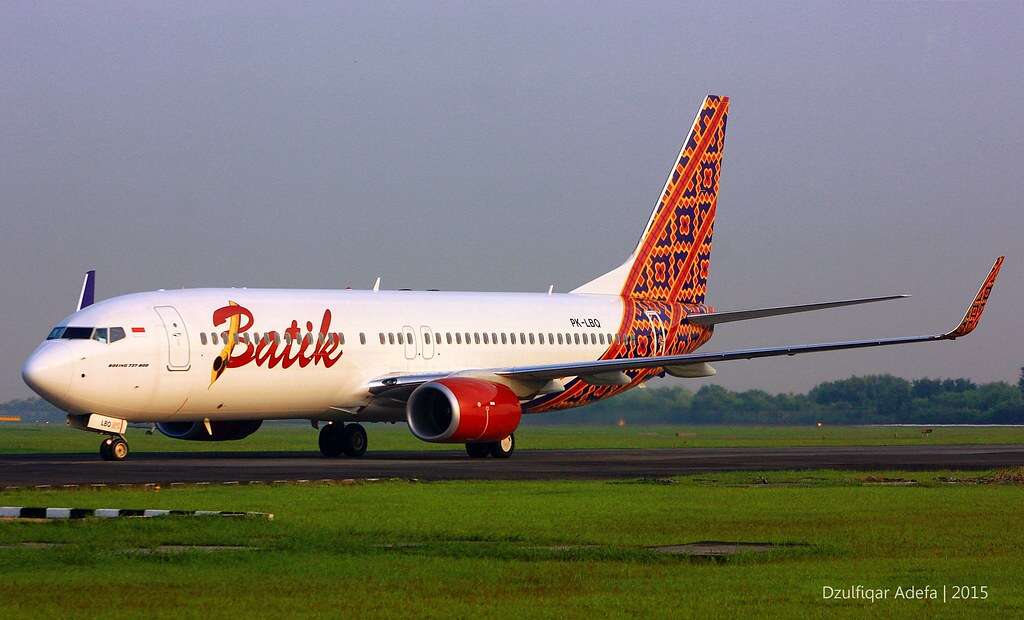
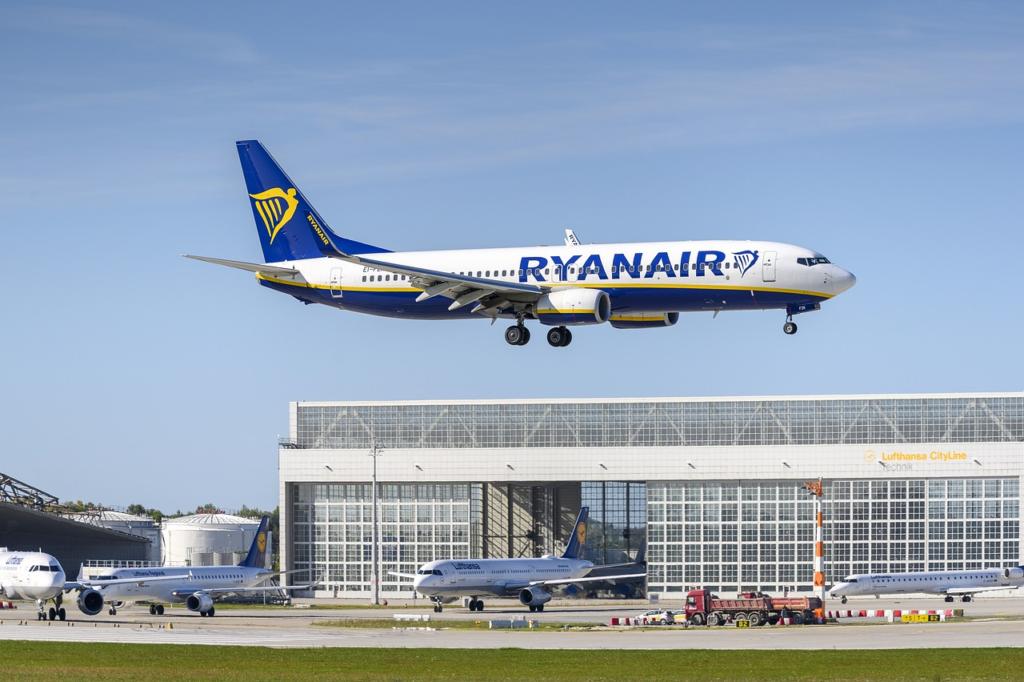
Flight FR1879, operated by subsidiary Malta Air, departed at 6:12 a.m. local time aboard an 18-year-old Boeing 737-800. The emergency began about 10 minutes after takeoff.
Rapid decompression occurred between 15,000 and 20,000 feet, and the aircraft descended approximately 9,000 feet within minutes during the emergency response. The reported failure involved a fan blade in the right-hand CFM56-7B engine.
Engine debris struck the fuselage and shattered the window beside seat 11F. Karovic said the pressure pulled him through the opening up to his shoulders.
He remained there for approximately two minutes. His wife and fellow passengers hauled him back into the cabin.
Karovic fainted multiple times during the ordeal. He sustained acute neck and shoulder injuries, friction burns and psychological trauma, and must wear a neck brace for at least six weeks.
He said sleep has become difficult because he keeps reliving the “ear-splitting bang” and the “noise before the chaos.”
His wife, Svetlana Grković, said she grabbed his legs while the pressure pulled him toward the opening.
“If we die, we die together.”
Grković said Karovic’s hand was “particularly badly injured” by burns. She also accused the cabin crew of being “paralysed by fear” and said they did not help during the immediate struggle.
A passenger identified as Christina described panic in the cabin. Passengers believed the aircraft was “going down,” she said.
O’Leary challenged the account before the investigation ended
Michael O’Leary, the group’s chief executive, disputed descriptions of Karovic being “sucked out” during a public earnings call on July 20. He called those reports “nonsensical” and “salacious media reporting.”
“All passengers and crew were belted in. Nobody was out of any window.”
O’Leary attributed the failure to “foreign object damage.” His remarks drew a response from Jennifer Homendy, chair of the U.S. National Transportation Safety Board.
In a letter dated July 22, Homendy said the comments violated ICAO Annex 13, the international rules governing accident investigations. She wrote:
“Mr. O’Leary’s public statements. provide an opinion and analysis of the accident and suggest potential areas of interest in the ongoing investigation.”
The letter went viral on July 26, adding public criticism of the airline’s communications to the dispute over Karovic’s treatment and the cause of the emergency.
Investigators are examining the engine and shattered fuselage
The U.S. National Transportation Safety Board is leading the investigation, with assistance from Greece’s Hellenic Air and Rail Safety Investigation Authority, known as HARSIA. The aircraft’s U.S. manufacture is part of the basis for the NTSB’s involvement.
Investigators are examining the reported fan blade failure, the CFM56-7B engine, the debris path and the damage to the fuselage. The emergency descent and the condition of the cabin window are also under review.
The case has drawn comparisons with the 2018 Southwest Flight 1380 disaster. That incident involved a similar engine failure and the death of a passenger who was partially pulled through a window.
The technical findings have not resolved the conflict over what happened to Karovic inside the cabin. His account describes his upper body outside the aircraft, while O’Leary said nobody was outside a window.
The family is pursuing compensation for injuries and trauma
Karovic said the messages to his son concentrated on another journey rather than the consequences of the emergency.
“And, yes, there should be compensation too. Not only emails that have focused on rebooking the flight.”
Vasilis Tsiaras, a lawyer for Karovic, said the legal team is seeking “significant compensation” for physical and psychological damages. Representatives confirmed that position on July 28, 2026, and rejected the airline’s automated rebooking offers as an insufficient response to a life-threatening emergency.
The family’s complaint includes the lack of a direct call, the injuries treated after the flight and the continuing psychological effects. Karovic’s neck brace is expected to remain in place for at least six weeks.
The airline’s position is that its customer care team has actively contacted the family, the crew returned the aircraft safely and compensation discussions should wait while investigators work. Karovic’s position is that those actions do not address the harm he says he suffered.
The investigation remains tied to the July 10 emergency, while the compensation claim is active as of July 28, 2026.