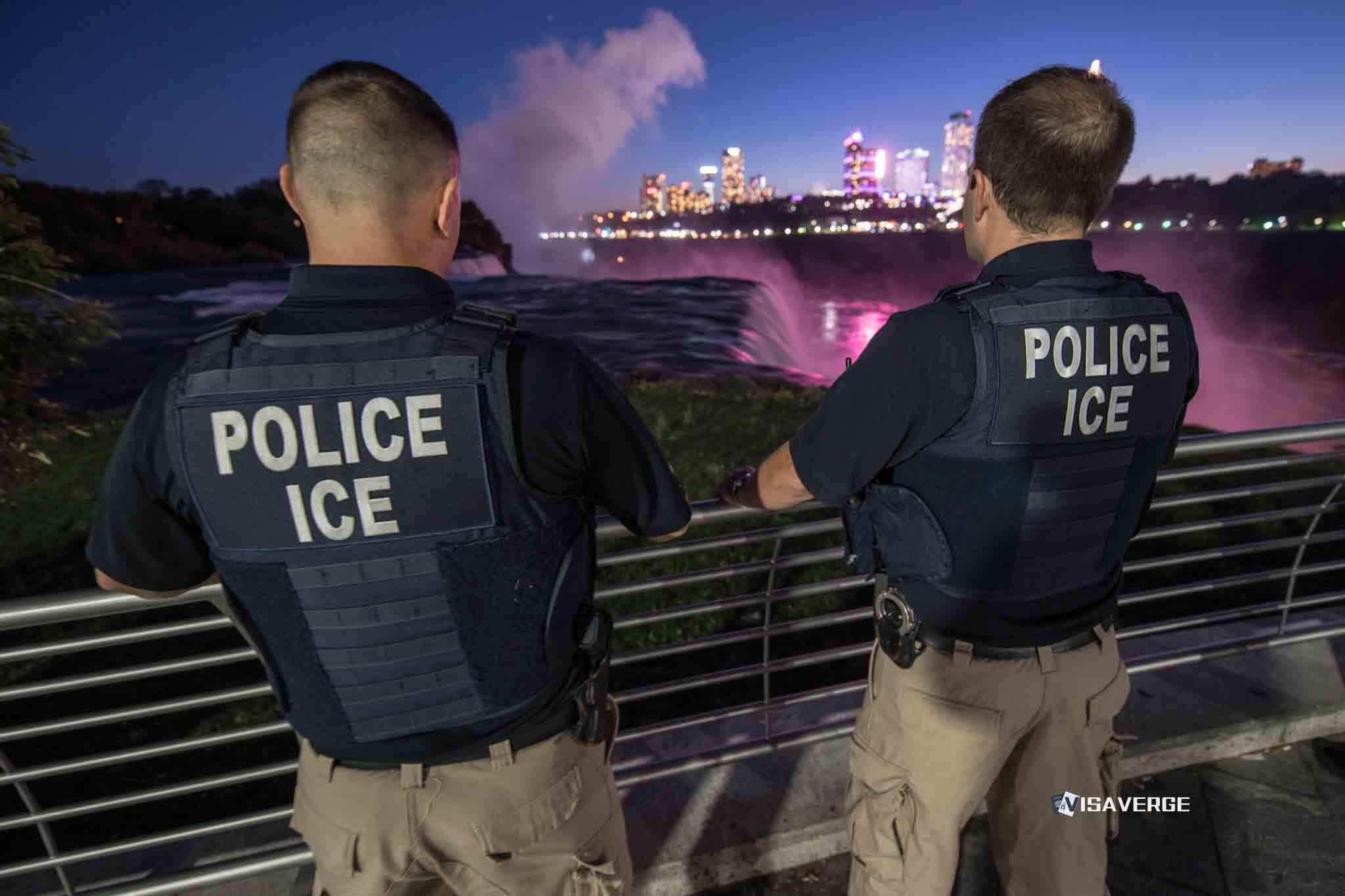
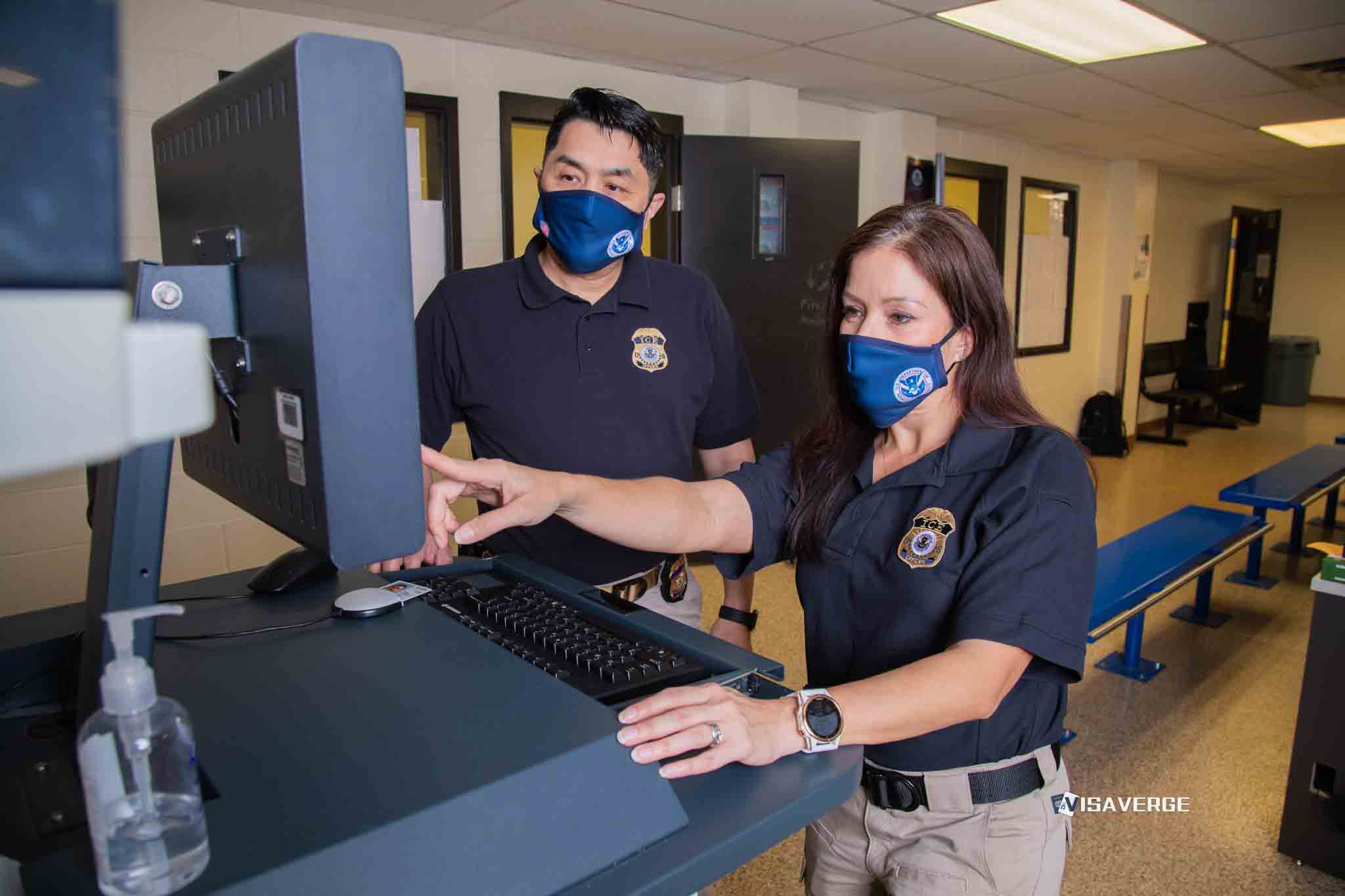
- ICE is extending core academy training from 42 days to 71 days starting in July 2026.
- Officers hired during the surge must complete advanced field officer training to bridge skill gaps.
- DHS cited a 1,300% increase in assaults as the primary reason for enhanced tactical instruction.
(UNITED STATES) – U.S. Immigration and Customs Enforcement is adding extra training for officers hired under President Trump’s hiring surge and is extending the core academy program for new recruits from 42 days to roughly 71 days starting in July.
An internal ICE memo issued by an ICE official set out the changes. Officers who completed the shorter 42-day program must take a follow-on Advanced Field Officer Training Program.

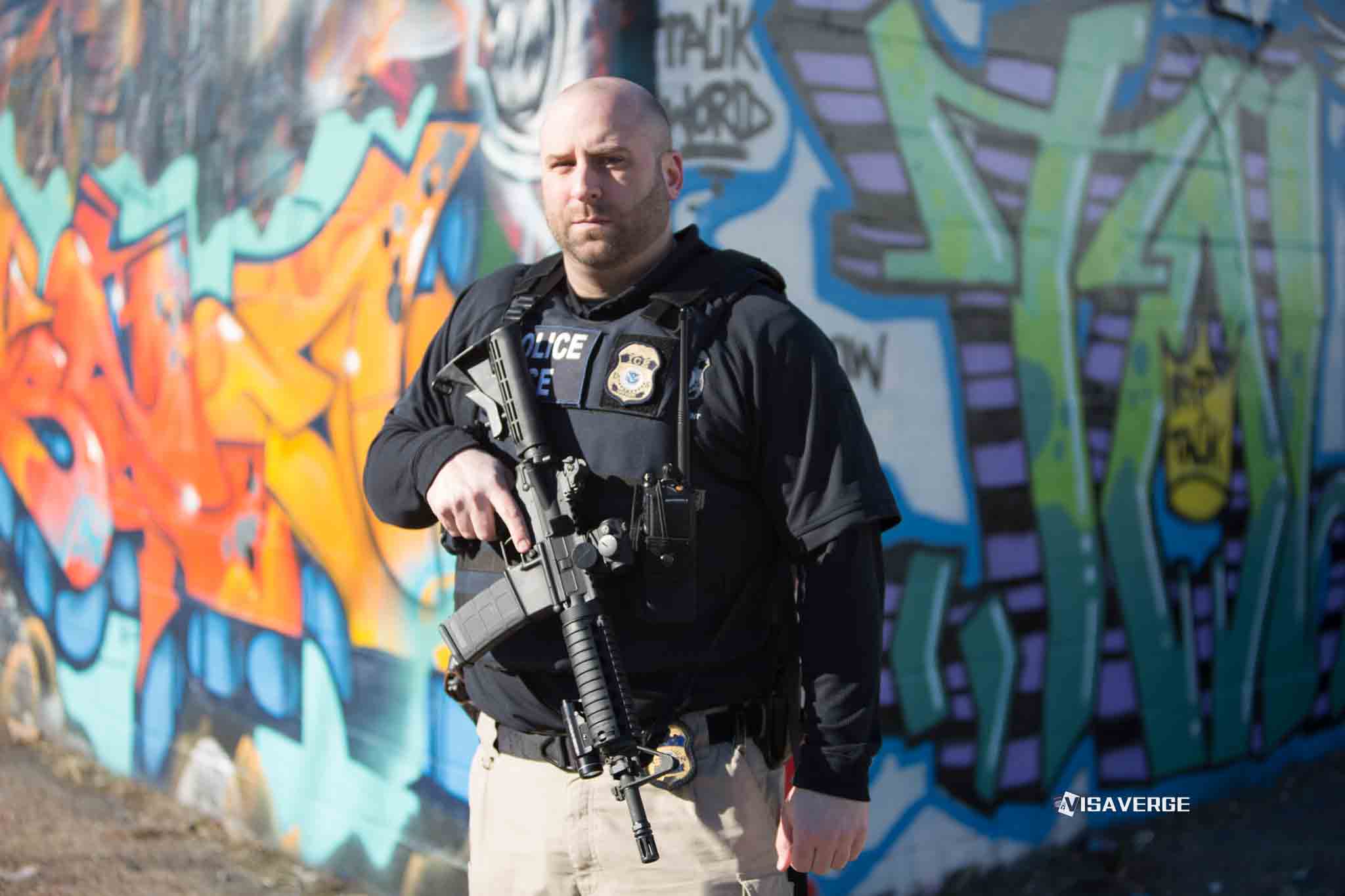
Department of Homeland Security officials said the added instruction will include crowd control measures, high-risk vehicle stop training, a live-fire cover course, and medical training. The extra training will be “tracked online and monitored closely.”
DHS tied the changes to what it described as rising danger for officers. The department cited “coordinated campaigns of violence,” including “riots outside ICE facilities, sniper attacks, and more than a 1,300% increase in assaults” against officers.
The move revises a faster pipeline that had replaced a longer 72-day basic training program with a shorter course of about six to eight weeks. That earlier shift drew attention because it condensed the initial academy period for newly hired officers during a period of expanded hiring.
DHS had pushed back on criticism of the shorter schedule in February. At that time, the department said recruits received 56 days of training plus an average of 28 days on-the-job training and that “no training requirements have been removed.”
That earlier defense matters because the new directive does not scrap the shorter-course graduates already in the field. Instead, ICE is ordering them back into a structured follow-on program meant to cover training that was not part of the 42-day academy.
DHS also planned to send experienced officers into the field to provide supplemental instruction. Recently hired officers would receive the “additional 30 days of training they missed before starting their roles.”
The extended academy changes the timetable for new recruits immediately. Starting in July, new officers will spend roughly 71 days in the core program before moving on, a schedule that brings the formal academy period much closer to the earlier 72-day model than to the compressed 42-day version.
Officers who already finished the shorter course face a different path. They will keep working through a separate follow-on track, the Advanced Field Officer Training Program, while ICE and DHS use online monitoring to track completion of the added requirements.
The content of the new instruction points to a shift in what the department wants officers prepared to handle at the outset. Crowd control measures and high-risk vehicle stop training address confrontation and enforcement scenarios, while the live-fire cover course and medical training point to situations in which officers may need to respond under threat or provide immediate care.
DHS framed those additions in security terms, not as a broad redesign of the agency’s mission. Its justification centered on threats to officers and facilities, especially the “coordinated campaigns of violence” language and the examples of riots, sniper attacks, and assaults cited by the department.
The numbers and timelines in the various DHS descriptions show how the agency’s training posture has shifted over a short period. One version emphasized a shortened academy of about six to eight weeks, another said recruits still received 56 days of training plus an average of 28 days on-the-job training, and the latest memo now pushes the core academy to roughly 71 days for new recruits while requiring more instruction for officers who already passed through the accelerated course.
That leaves ICE managing two groups at once. New recruits will enter a longer academy from July, while officers hired under the earlier surge will complete the Advanced Field Officer Training Program and the supplemental instruction DHS said they missed before taking up their roles.
Online tracking and close monitoring also suggest tighter oversight than a standard academy handoff. DHS did not describe the added instruction as optional or informal; it described a system in which completion will be recorded and checked.
The sequence laid out by the department also answers a practical problem created by accelerated hiring. If officers entered the field after a shortened academy, ICE now intends to close that gap with follow-on training and support from experienced officers already deployed.
The agency’s own timeline shows how quickly the approach changed. In February, DHS defended existing training and said “no training requirements have been removed”; by July, ICE plans to run a core academy of roughly 71 days and to require extra instruction for officers who came through the 42-day course.
What remains constant across those statements is the department’s insistence that officers need more preparation for conditions it says have become more dangerous. Its latest rationale is explicit: “coordinated campaigns of violence,” “riots outside ICE facilities, sniper attacks, and more than a 1,300% increase in assaults” against officers.
For the officers already hired under the surge, the practical effect is straightforward. The shortened academy is no longer the end of initial preparation, and ICE now expects those officers to complete the follow-on training the agency says they need before the accelerated pipeline can be treated as complete.