- A federal judge ordered the immediate release of a primary witness to a fatal Houston ICE shooting.
- The court found that mandatory detention violated due process rights for Jose Trinidad Rojas Pliego.
- Witness testimony contradicts the government’s account regarding whether the officer acted in self-defense during the incident.
A federal judge orders immigration officials to release Jose Trinidad Rojas Pliego, a primary witness to the fatal shooting of a Mexican homebuilder by an ICE officer in Houston.
U.S. District Judge Keith Ellison issued the order on July 27, 2026, directing the Department of Homeland Security and Immigration and Customs Enforcement to free Rojas Pliego within 48 hours. The Texas ICE shooting killed Lorenzo Salgado Araujo, 52, on July 7.
The release must happen in a public place within the Southern District of Texas. ICE must give Rojas Pliego’s attorney at least three hours’ notice.
The agency must also return his personal property. That includes passports and driver’s licenses.
| India | China | ROW | |
|---|---|---|---|
| EB-1 | Feb 01, 2023 | Aug 01, 2023 ▲31d | Current |
| EB-2 | Nov 01, 2013 | Oct 01, 2021 | Apr 01, 2025 ▲90d |
| EB-3 | Jan 22, 2014 ▲21d | Jan 22, 2022 ▲14d | Jun 15, 2024 ▲31d |
| F-1 | Jan 22, 2021 ▲366d | Jan 22, 2021 ▲366d | Jan 22, 2021 ▲366d |
| F-2A | Oct 22, 2026 ▲30d | Oct 22, 2026 ▲30d | Oct 22, 2026 ▲30d |
Ellison found that mandatory detention without a bond hearing violated Rojas Pliego’s Fifth Amendment due process rights. He said the government cannot hold noncitizens “without individualized justification” solely because they entered the country unlawfully, particularly when they have long-term ties to the United States.
“ICE will comply with the court order.”
A DHS spokesperson made that statement on July 21, after an earlier court order blocked Rojas Pliego’s deportation. DHS reiterated on July 27 that it would follow the new order and release him within the 48-hour deadline.
The witness has lived in the United States since 1998
Rojas Pliego is a Mexican citizen who has lived in the United States since 1998, nearly 30 years. He has no criminal record and is the father or stepfather of multiple U.S. citizen children.
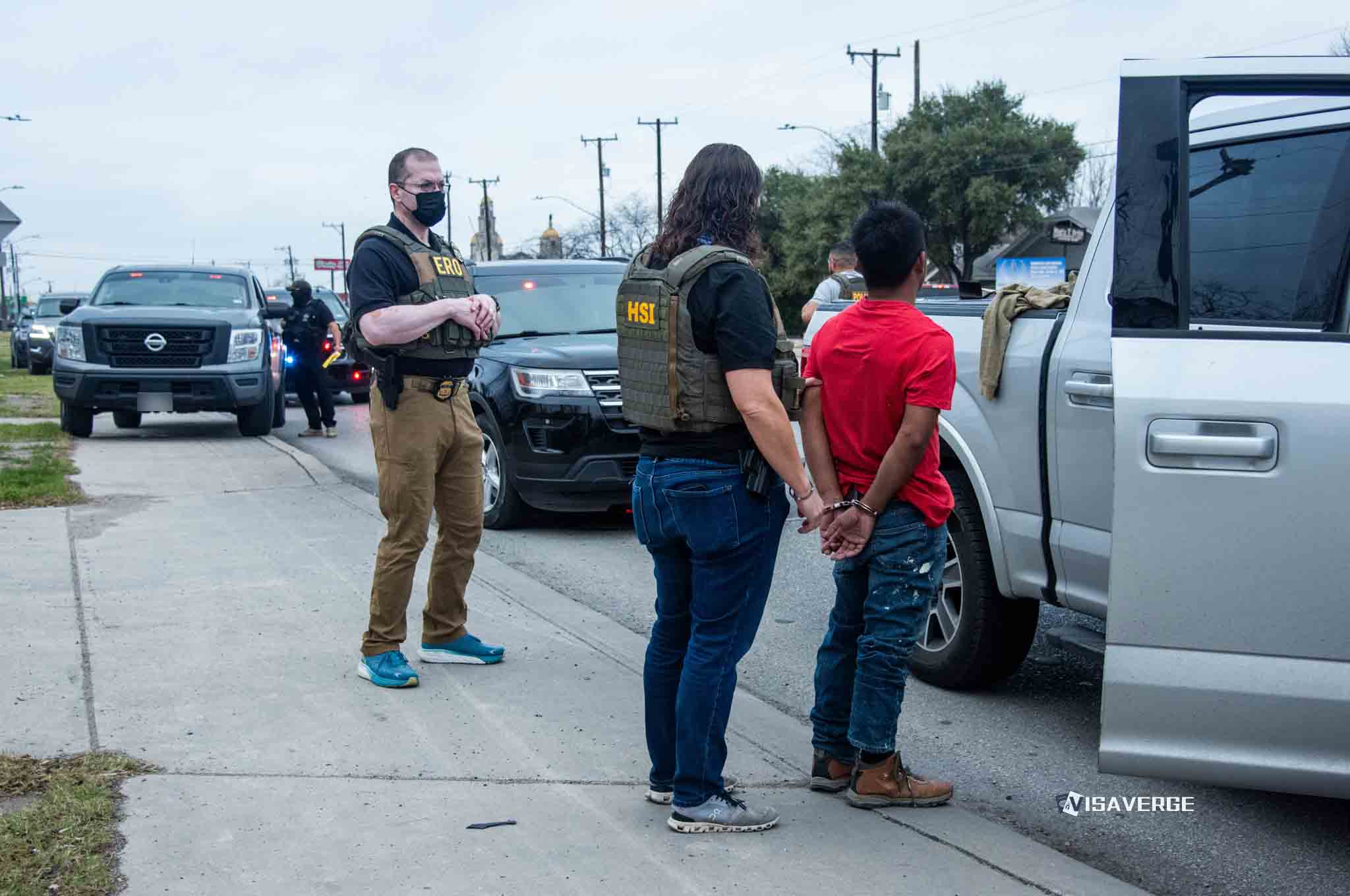
His detention followed a traffic stop in Houston’s East End. ICE agents stopped a vehicle on July 7, and an agent fired into it during the encounter, killing Salgado Araujo, who worked as a homebuilder.
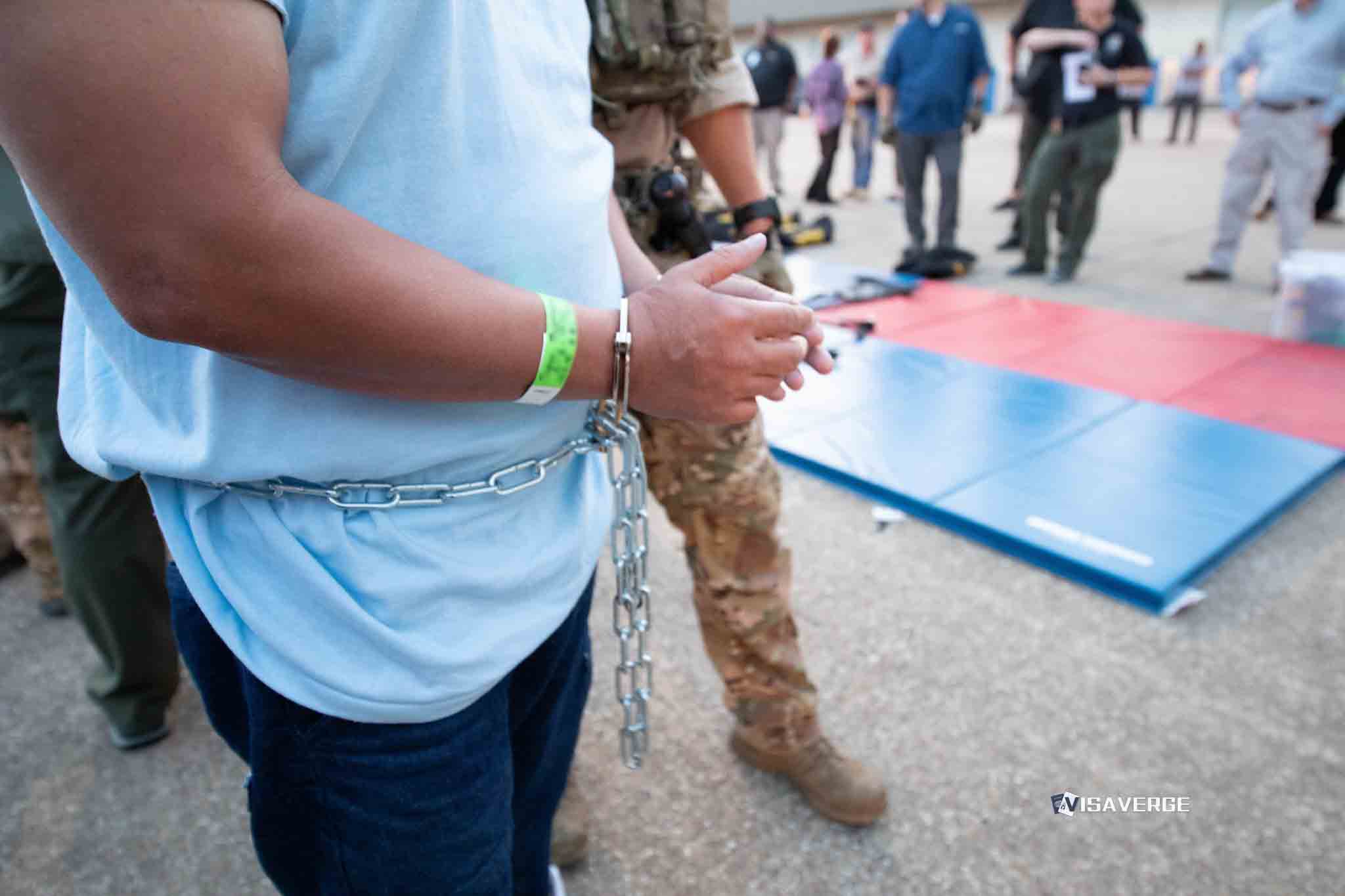
Three passengers were detained immediately. Rojas Pliego was among them.
Attorneys for the witnesses argued that keeping them in custody amounted to retaliation, or “witness silencing,” designed to prevent testimony against the agents involved in the shooting.
The testimony could carry unusual weight. The officers reportedly had no body cameras, and their vehicles had no dashcams.
Sworn accounts challenge the government’s use-of-force explanation
DHS defended the shooting in a July 7 statement, saying Salgado Araujo had “weaponized his vehicle in an attempt to run over an ICE law enforcement officer.” The department said the officer had “fired in self-defense.”
Rojas Pliego and another passenger, Daniel Tirado Pantoja, later submitted sworn statements that described the encounter differently. They said “at no moment were the agents in front of the vehicle” and claimed the van had been “boxed in” from the sides when the officer fired.
Those accounts have placed the detained passengers at the center of the dispute over what happened in the East End. Their lawyers have said continued detention could keep potential witnesses from giving evidence.
Harris County District Attorney Sean Teare has said his office is prepared to prosecute federal agents if investigators find wrongdoing.
Two other passengers are still seeking similar orders
Rojas Pliego is not the only passenger involved in the detention litigation. Daniel Tirado Pantoja and Victor Salgado Araujo, the victim’s brother, remain in court proceedings seeking release orders of their own.
The case is titled Jose Trinidad Rojas Pliego v. Secretary of Homeland Security Markwayne Mullin. The proceedings are in the U.S. District Court for the Southern District of Texas.
Salgado Araujo’s family has joined protests in Houston calling for an independent investigation. Relatives have said he was close to obtaining legal status before his death and described the shooting as an “extrajudicial killing.”
The release order sets a near-term test for the government’s handling of the witnesses. DHS must complete the release within 48 hours of the Monday, July 27 evening order, while the litigation involving the other two passengers continues.