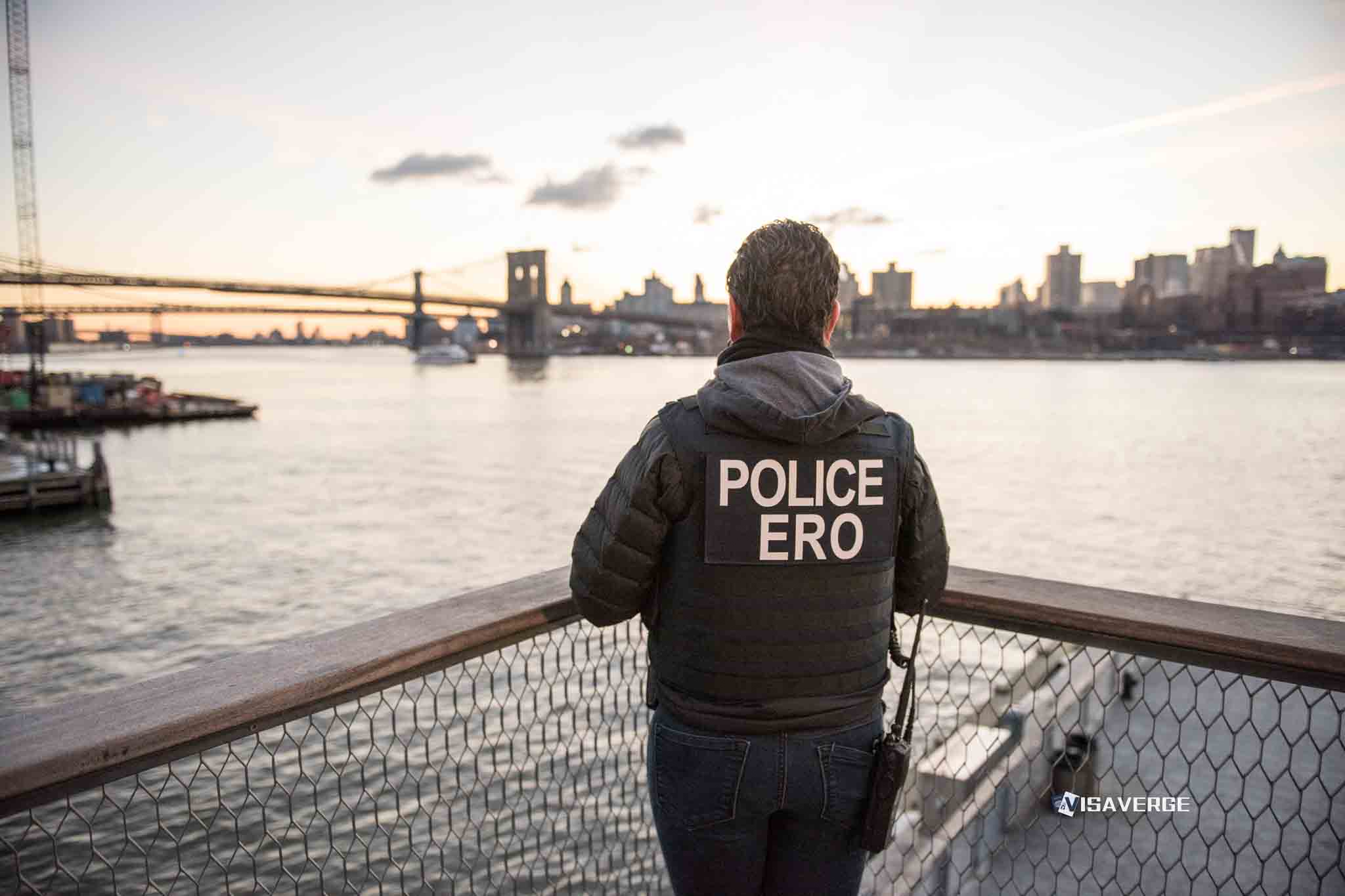
- Protesters rallied in Raleigh to oppose reopening the Rivers Correctional Institution for federal immigration detention.
- Advocates identified Greensboro and Concord as potential additional detention sites across North Carolina.
- A sharp increase in 287-g agreements and mandatory ICE cooperation laws have intensified state-wide opposition.
Lawmakers in North Carolina face renewed pressure to reject a proposal to reopen a shuttered Hertford County prison for immigration detention, after more than 200 people rallied outside the General Assembly in Raleigh on July 22.
Immigrant rights advocates, faith leaders and community members opposed converting the site into an ICE detention facility. The proposal would return Rivers Correctional Institution in Winton to use under a federal immigration contract.
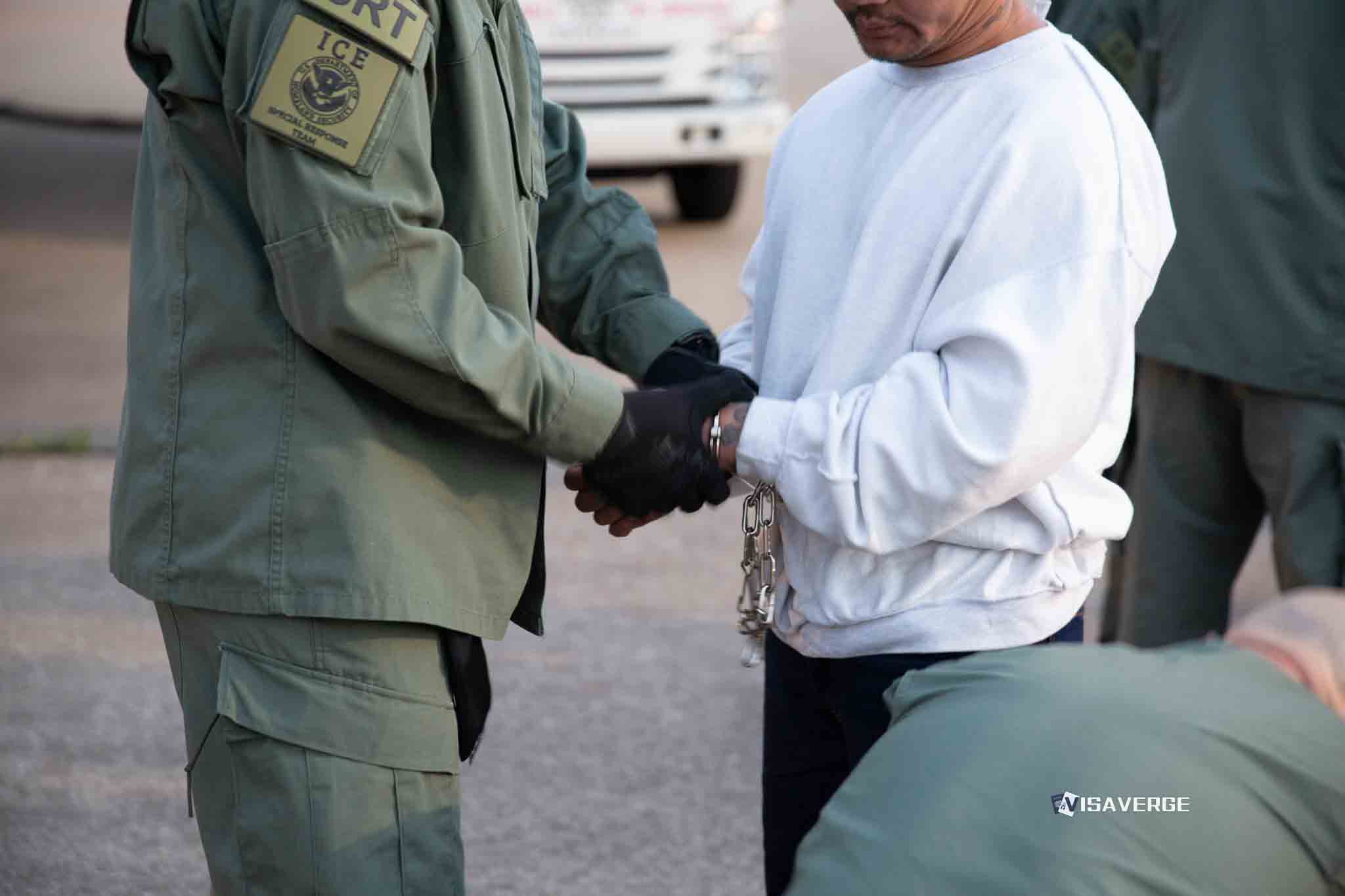
The protest targeted one prison. It also challenged a broader expansion of detention and closer cooperation between state agencies and U.S. Immigration and Customs Enforcement.
Iliana Santillan, founder of Brava NC, said detention should not become a business built around immigrant families.
“We don't need detention centers,” Santillan said. “We don't need another corporation making money from immigrant families.”
Organizers described the demonstration as part of an “ICE Out” response across North Carolina. They urged legislators to reject the proposed reopening and oppose expanding immigration detention anywhere in the state.
The proposed reopening is part of a three-site debate
The Winton prison is privately owned by GEO Group. It closed in 2021 after the federal government reduced the use of private criminal detention, but the closure did not prevent a possible immigration-detention arrangement.
Advocacy reports have also identified a former American Hebrew Academy property in Greensboro and a third location in Concord as potential North Carolina detention sites. An ACLU FOIA effort identified active consideration of seven new locations in January 2026.
The three sites have different histories.
| Location | Prior use or status | Proposed capacity |
|---|---|---|
| Winton, Hertford County | Former private prison, closed in 2021 | Up to 1,500 detainees |
| Greensboro | Former American Hebrew Academy, previously used for migrant children | |
| Concord | Location identified in advocacy reports |
A separate federal expansion strategy described warehouse-style sites that could hold up to 80,000 people nationally. Detention capacity was also described as increasing from 50,000 to over 100,000 beds by early 2026.
The numbers have sharpened local opposition. Caroline Stephenson, a Hertford County resident, said the county needs investment but should not accept detention as an economic solution.
“Hertford County needs jobs, we need investment, we need capital dollars, but we're not going to be gaslit into thinking that reopening Rivers is a good thing for the county.”
Hertford County residents reject detention as an economic plan
Stephenson also said residents should not be told that the community has no power over the proposal.
“We're not going to be gaslit into thinking that there's nothing we can do about it.”
Hertford County Commissioner Leroy Douglas, II, questioned how much local opinion could influence a privately controlled facility.
“They're a private institution, they can do what they want. If our opinions are for or against it really doesn't matter.”
The economic argument has divided the proposal from the community’s broader need for jobs. Stephenson acknowledged the demand for capital and employment while rejecting a detention contract as the answer.
State Rep. Julia Greenfield focused on the immigrant residents who could be affected by enforcement and detention.
“Our immigrant community and people who have been the fabric of our country for so long and helped build this country are under attack for no reason.”
Michele Delgado, a staff attorney with the ACLU of North Carolina, connected the proposed sites to documents obtained through litigation.
“The heavily redacted documents we obtained through litigation expose disturbing expansion plans.”
Delgado said the fight for information had become part of the dispute.
“When North Carolinians must fight for basic information about federal enforcement in their own state, it is a failure of transparency.”
Eunice Cho, senior counsel for the ACLU National Prison Project, also participated in the opposition. Rev. Dr. Jennifer Copeland, executive director of the North Carolina Council of Churches, raised religious objections to detention practices.
“When federal law enforcement brings their sinful behavior within the borders of our state, they are interfering with my first amendment freedom of religion rights.”
Copeland also said:
“Nowhere in [the Bible or Constitution] is there a suggestion we should lock up people who have done nothing wrong.”
Senate Bill 153 brought the protest into a wider enforcement fight
The rally followed state measures requiring closer cooperation with ICE. The General Assembly overrode several vetoes by Governor Josh Stein before passing Senate Bill 153, which mandates that local sheriffs comply with ICE detainer requests.
The law became one of the issues organizers tied to the proposed reopening. They argued that expanded cooperation could feed more people into detention.
North Carolina’s 287(g) agreements also increased sharply during the period cited by advocates.
| Point in time | Number of agreements |
|---|---|
| January 2025 | 135 |
| February 2026 | Over 1,400 |
| February 2026 | 1,427 |
A November 2025 enforcement operation called “Charlotte's Web” produced more than 200 arrests in the Charlotte and Raleigh-Durham areas. The operation added to concerns raised at the rally about enforcement activity in communities, schools and businesses.
Victor Urquiza, a spokesperson for the Party for Socialism and Liberation, was among the voices associated with the broader opposition. The demonstrations have included both policy objections and criticism of the private detention industry.
Custody deaths intensified national criticism
Advocates also cited deaths in immigration detention while opposing additional facilities. At least 17 people died in ICE custody in 2026, while over 40 people died since the start of the second Trump administration.
They further said GEO Group facilities accounted for nearly one-third of all deaths in ICE custody in 2025. Those figures placed the proposed North Carolina sites within a national argument over detention conditions and private operators.
Public opposition to current federal immigration-enforcement tactics reached 58 percent of U.S. adults in late February 2026, according to figures cited in the campaign against expanded enforcement. That represented a 10-point increase from the previous year.
The national response also referenced the fatal Minneapolis shootings involving Renee Good and Alex Pretti. Those incidents formed part of the wider reaction surrounding protests against federal immigration operations.
Another rally drew dozens of people on July 23. The continued demonstrations kept attention on the proposed Winton reopening, the two other locations and the state measures that would increase cooperation with federal immigration authorities.