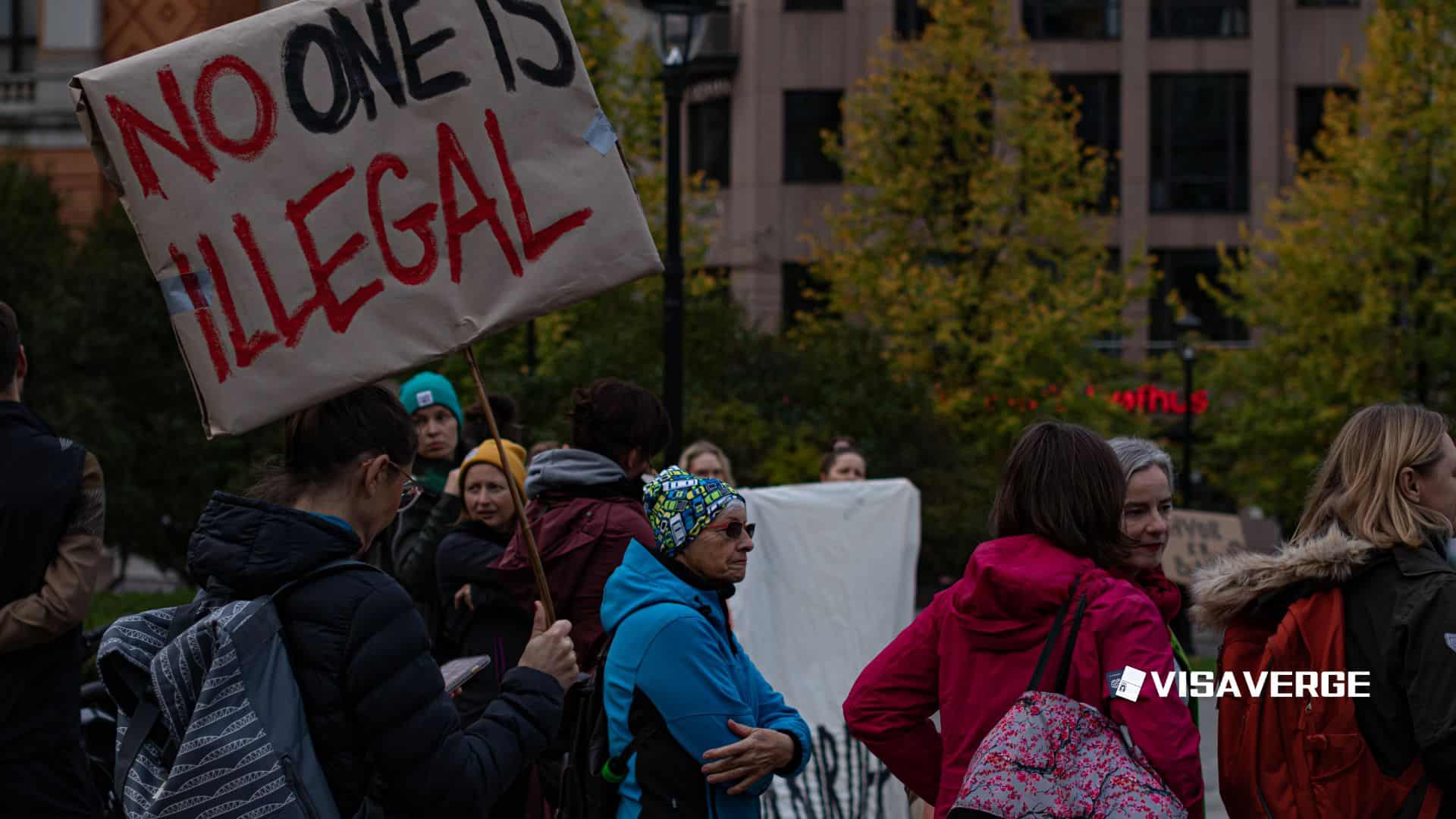
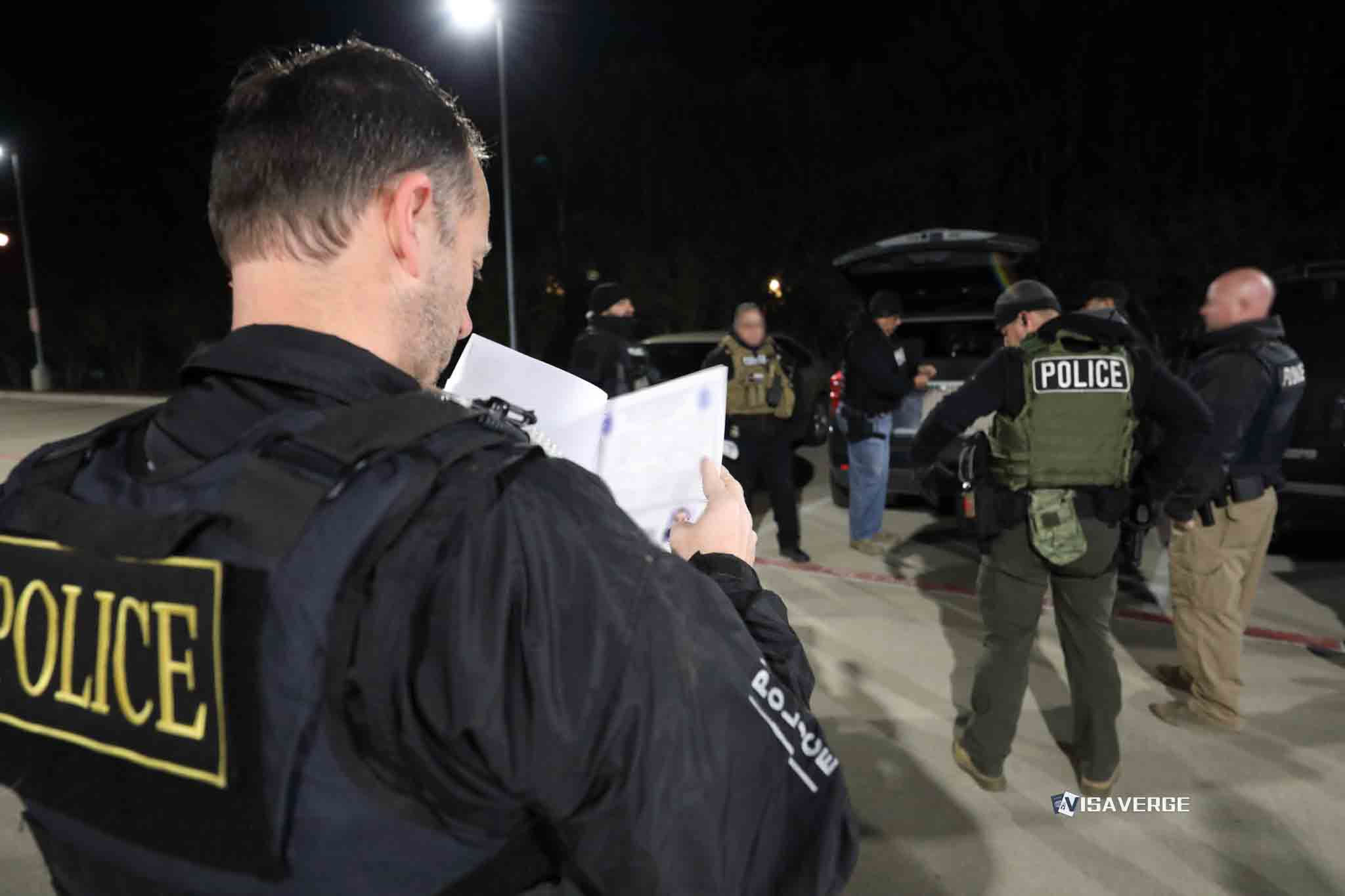
More than 200 people rallied outside the North Carolina General Assembly in Raleigh on Wednesday to oppose a proposed ICE detention facility in Hertford County. The protest focused on reopening Rivers Correctional Institution in Winton, which is owned by GEO Group, and came amid broader opposition to ICE detention expansion in North Carolina.
- The demonstration targeted the proposed reopening of Rivers Correctional Institution in Winton as an ICE detention facility.
- The rally in Raleigh drew more than 200 people outside the North Carolina General Assembly.
- The site in Hertford County is owned by GEO Group.
- Protesters in Charlotte denounced two fatal shootings by ICE agents during a national day of action.
- Demonstrators demanded the abolition of ICE and justice for Lorenzo Salgado Araujo and Joan Sebastián Durán Guerrero.
- The July 2026 rally joined seventy other cities in a coordinated campaign against federal immigration enforcement tactics.
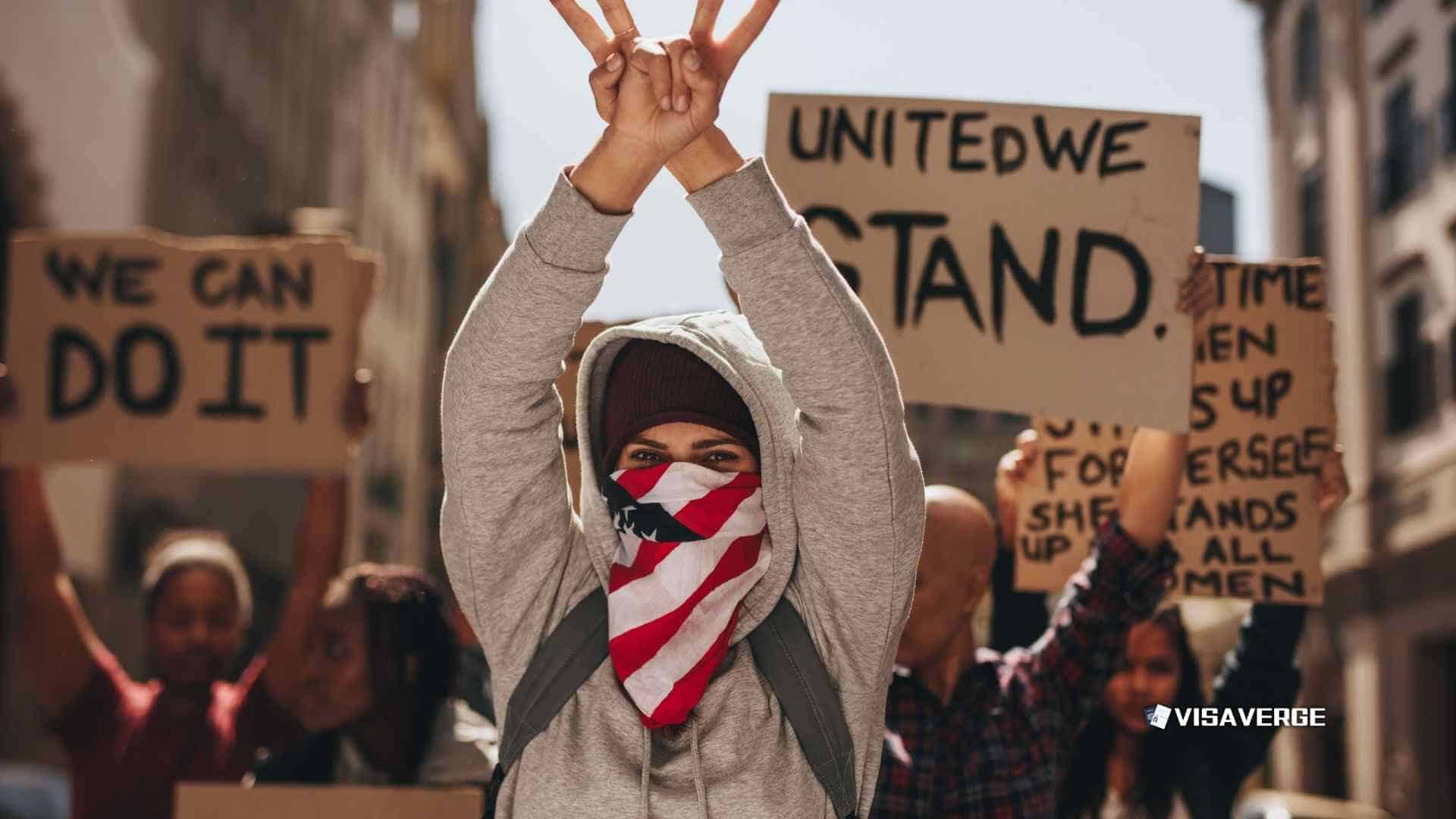
Protesters gathered at Romare Bearden Park in uptown Charlotte on Saturday, July 18, 2026, to denounce two fatal shootings by ICE agents and demand the agency’s abolition. The rally began at 2 p.m. as part of a nationwide “National Day of Action.”
The Party for Socialism and Liberation hosted the Charlotte demonstration under the banner “Stop ICE terror.” Organizers demanded justice for Lorenzo Salgado Araujo, who was shot during a vehicle stop in Houston, Texas, on Tuesday, July 7, and Joan Sebastián Durán Guerrero, also referred to as Johan Sebastián Durán, who was killed in Biddeford, Maine, on Monday, July 13.
Both men were described as immigrants. Salgado Araujo was undocumented and lived in Houston. Durán Guerrero was a 25-year-old Colombian national from Maine.
The deaths have fueled protests over federal immigration enforcement tactics. Charlotte also has seen increased local detainments, raising concerns about the effect on immigrant families.
Jeffery Shen, a PSL organizer in Charlotte, called ICE a “private police force for the president” and said the agency exists to “terrorize immigrants.”
“ICE is an agency that’s sole purpose is to terrorize immigrants and to function as a private police force for the president. I’m older than ICE. ICE doesn’t need to exist.”
Shen said abolishing ICE was the only way to prevent more shootings. He urged protesters to sustain the kind of mobilization seen during January 2026 protests in Minneapolis, which he said led to the defeat of officials Bovino and Trump.
More than 70 “ICE Out” rallies took place across the United States on July 18. The coalition included the Answer Coalition and 50501, and called for justice for both men and the arrest of the officers responsible.
Hunter Dunn, national press coordinator for 50501, said several groups joined because they believed ICE was terrorizing communities.
“A lot of groups are signing on because we agree that ICE is terrorizing our communities, that we need to stop ICE terror, and to abolish ICE.”
The Charlotte-Mecklenburg Police Department said it was “consistently prepared” for protests. Its stated priorities were to “support the community, protect the rights of all participants, and maintain public safety.”
Two shootings have intensified scrutiny of ICE traffic stops
The shootings came as the Trump administration ordered ICE to largely scale back routine traffic stops nationwide. President Trump later insisted that vehicle stops must continue, overruling the suspension order.
The deaths also added to a broader count of fatal shootings involving federal immigration officials. Protest materials described the two killings as the 11th fatal shooting by federal immigration officials since the start of President Trump’s second term.
Those materials also cited at least 17 Mexicans and 10 total deaths involving immigration agents since the deportation campaign began. The figures appeared alongside calls for continued demonstrations and the arrest of officers involved in the shootings.
The Charlotte rally placed those national events alongside local activity. A separate vigil for Salgado Araujo took place earlier on Sunday, July 13, outside Manolo’s Bakery in east Charlotte.
City Councilman JD Mazuera Arias spoke at that gathering about the value of human dignity across immigration and geographic boundaries.
“Human dignity should never depend on a piece of paper, on the color of your skin, on your zip code, where you were born, or which side of the border you stand on.”
The vigil connected Salgado Araujo’s death in Houston with Charlotte’s immigrant communities. The uptown rally then broadened the focus to federal enforcement, local detainments and the role protesters believe ICE should play.
Organizers want Charlotte’s protests to continue
Shen pointed to the January 2026 Minneapolis demonstrations as a model for sustained pressure. His appeal extended beyond Saturday’s gathering and linked local organizing to a national campaign against the agency.
The coalition’s demands combined accountability and institutional change. Protesters sought justice for Salgado Araujo and Durán Guerrero, the arrest of responsible officers and the abolition of ICE.
Charlotte police framed their role differently. The department said officers would protect participants’ rights while maintaining public safety during demonstrations.
The competing positions were visible at the park: organizers called for an end to the agency, while police prepared to manage the protest and protect those attending. The national action gave the Charlotte gathering a wider setting, with rallies held in more than 70 locations on the same day.
The shootings remained the immediate focus. Salgado Araujo was killed in Houston on July 7, and Durán Guerrero died in Maine on July 13. Protesters carried those cases into Charlotte’s streets on July 18.