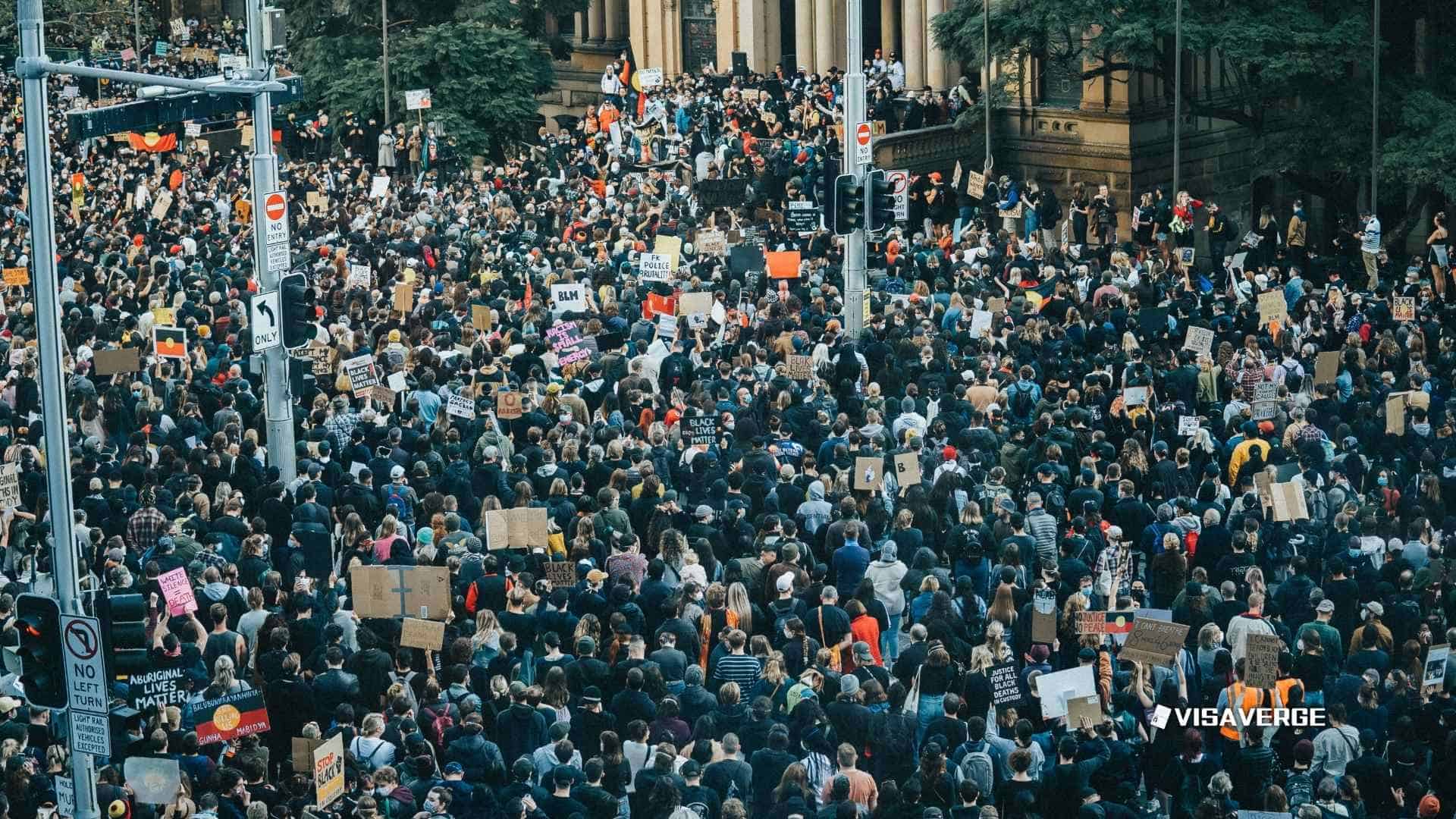
(MINNEAPOLIS, MINNESOTA) — Thousands of people marched Saturday along Minneapolis’ Lake Street corridor in an “ICE Out” rally protesting intensified federal immigration raids under the Department of Homeland Security’s “Operation Metro Surge” in the Twin Cities.
Organizers told people to gather at 11:30 a.m. at East Lake Street & Bloomington Avenue near Mercado Central, then head west to East Lake Street & Pillsbury Avenue near Karmel Mall.
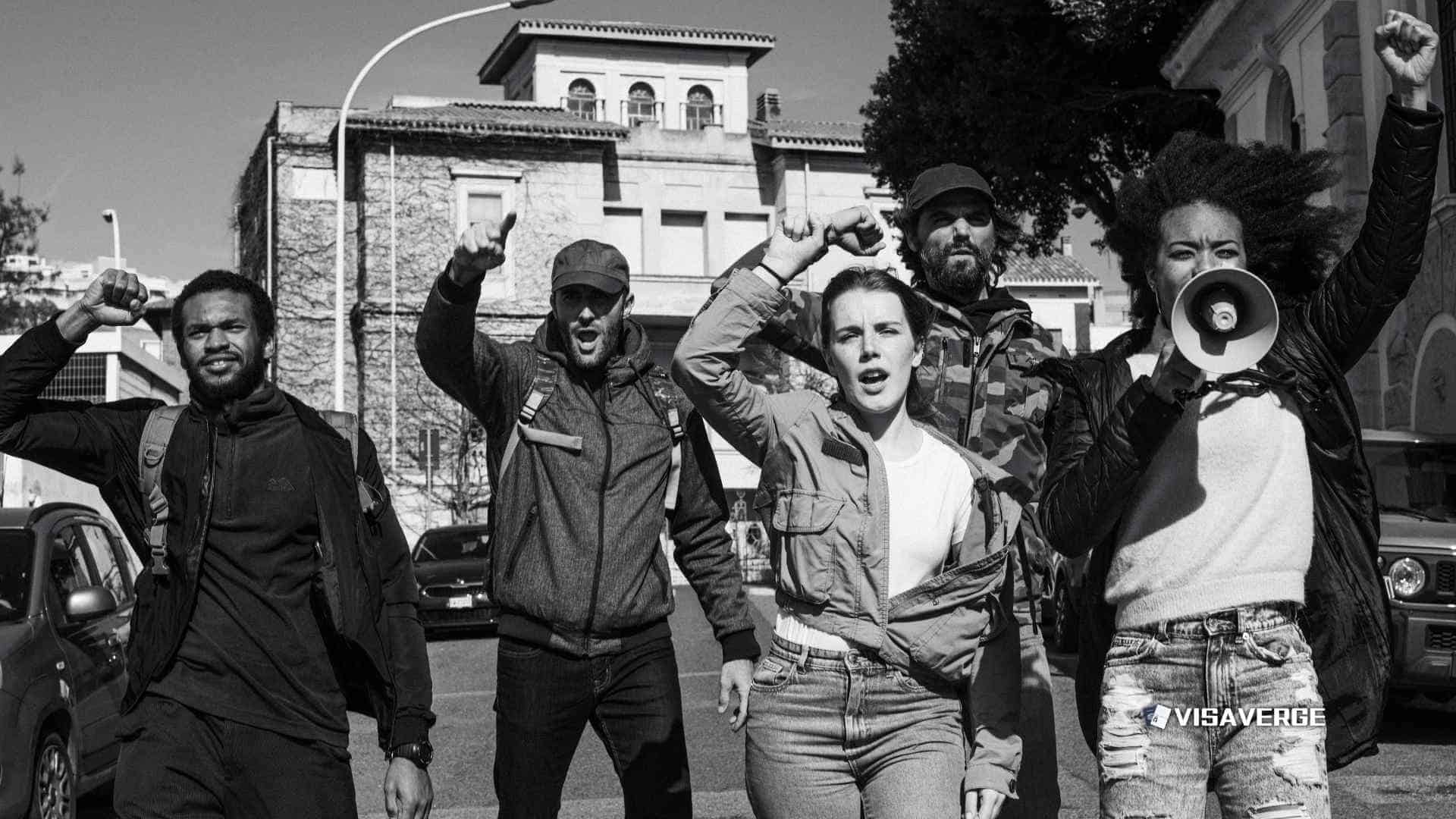
“Thousands descended on East Lake Street on Saturday to march against ongoing U.S. Immigration and Customs Enforcement (ICE) operations in Minnesota,” the Star Tribune reported.
Jaylani Hussein, executive director of the Minnesota chapter of the Council on American‑Islamic Relations (CAIR‑MN), marched with protesters and tied the demonstration to the area’s immigrant-led revival. “This was an area that was completely desolate in the ’90s, and it has been brought back by the hard work of immigrant communities — both the Latino community and the Somali community,” Hussein said, urging residents to support immigrant‑owned businesses after the march.
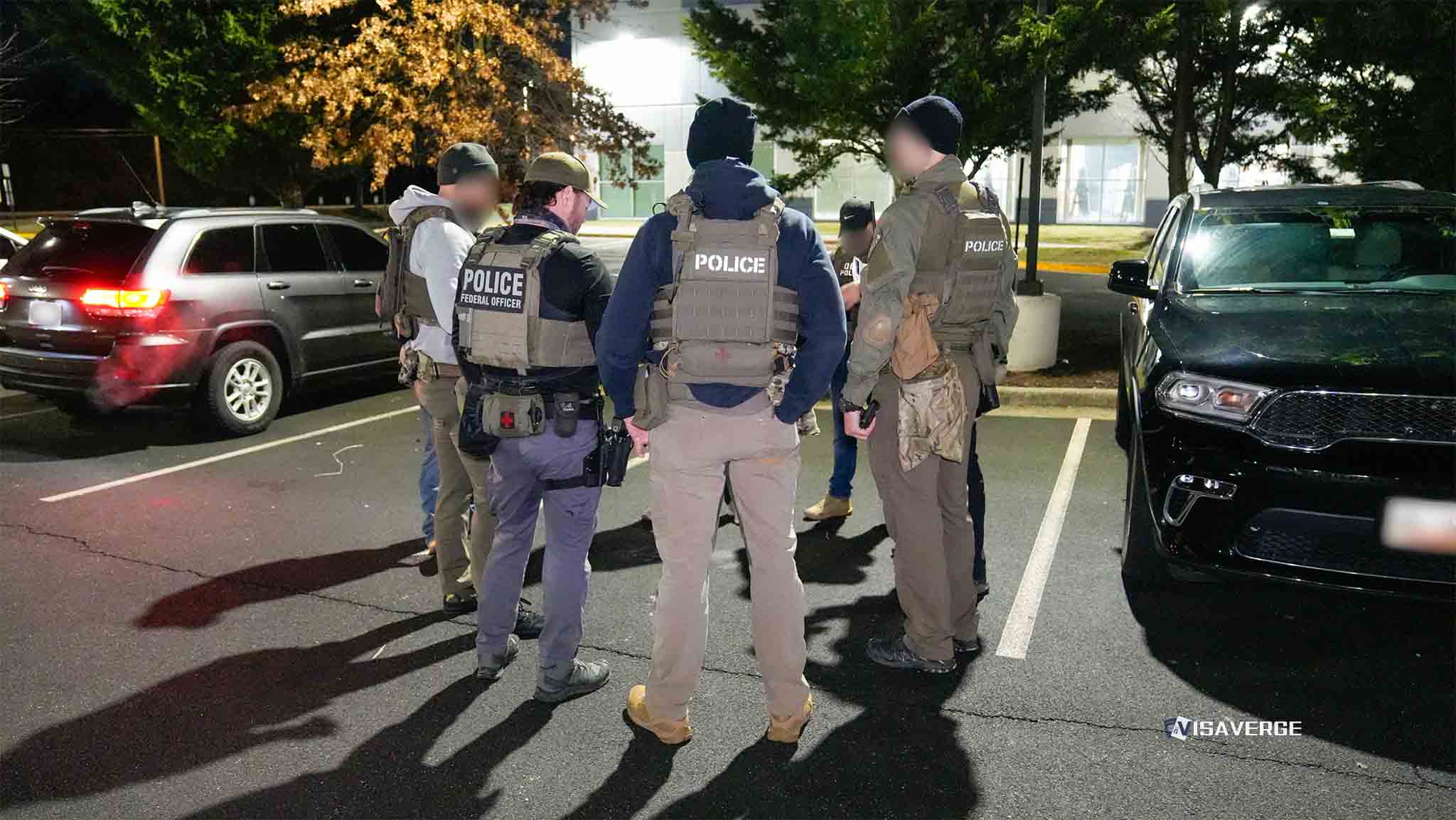
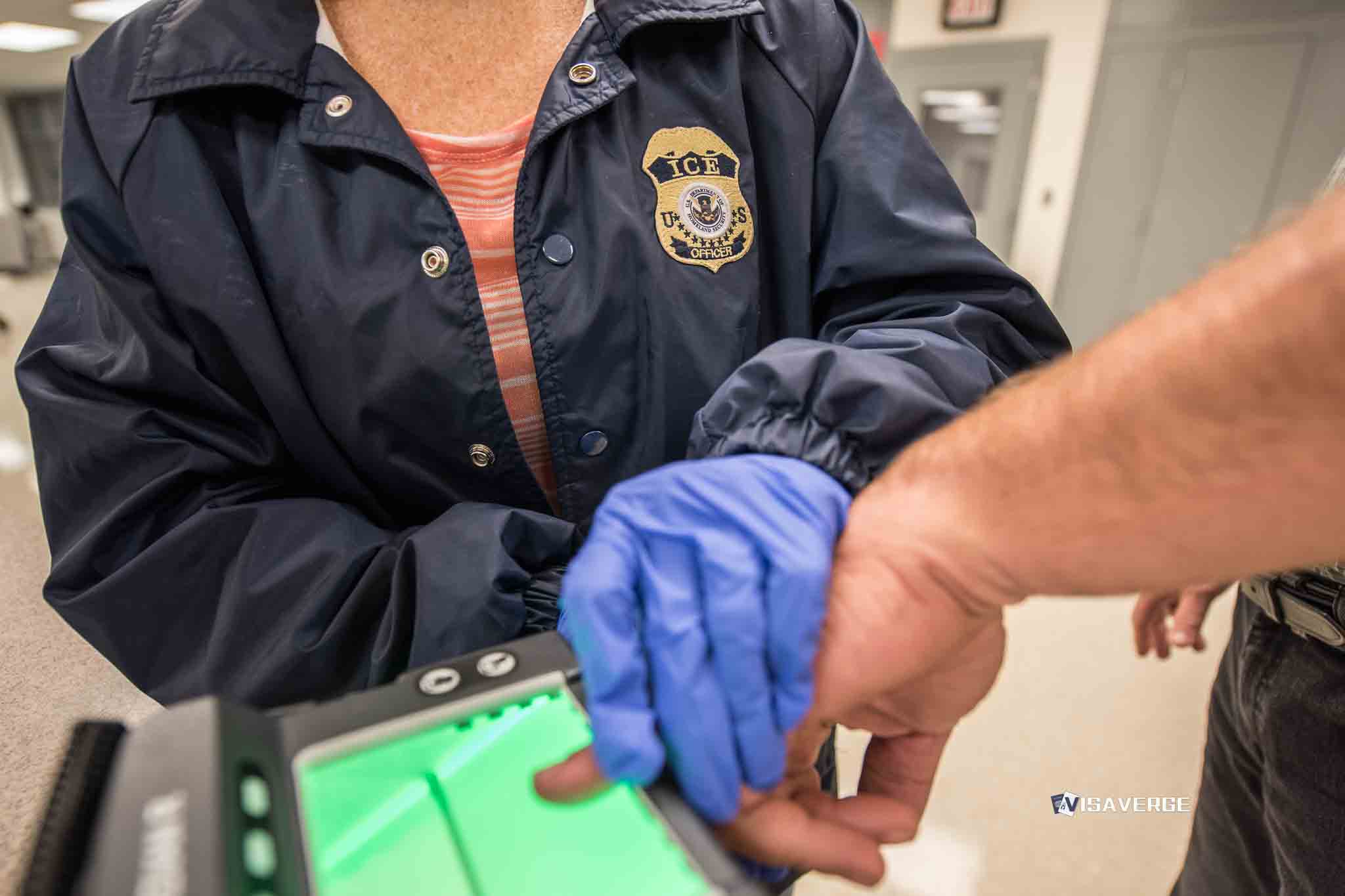
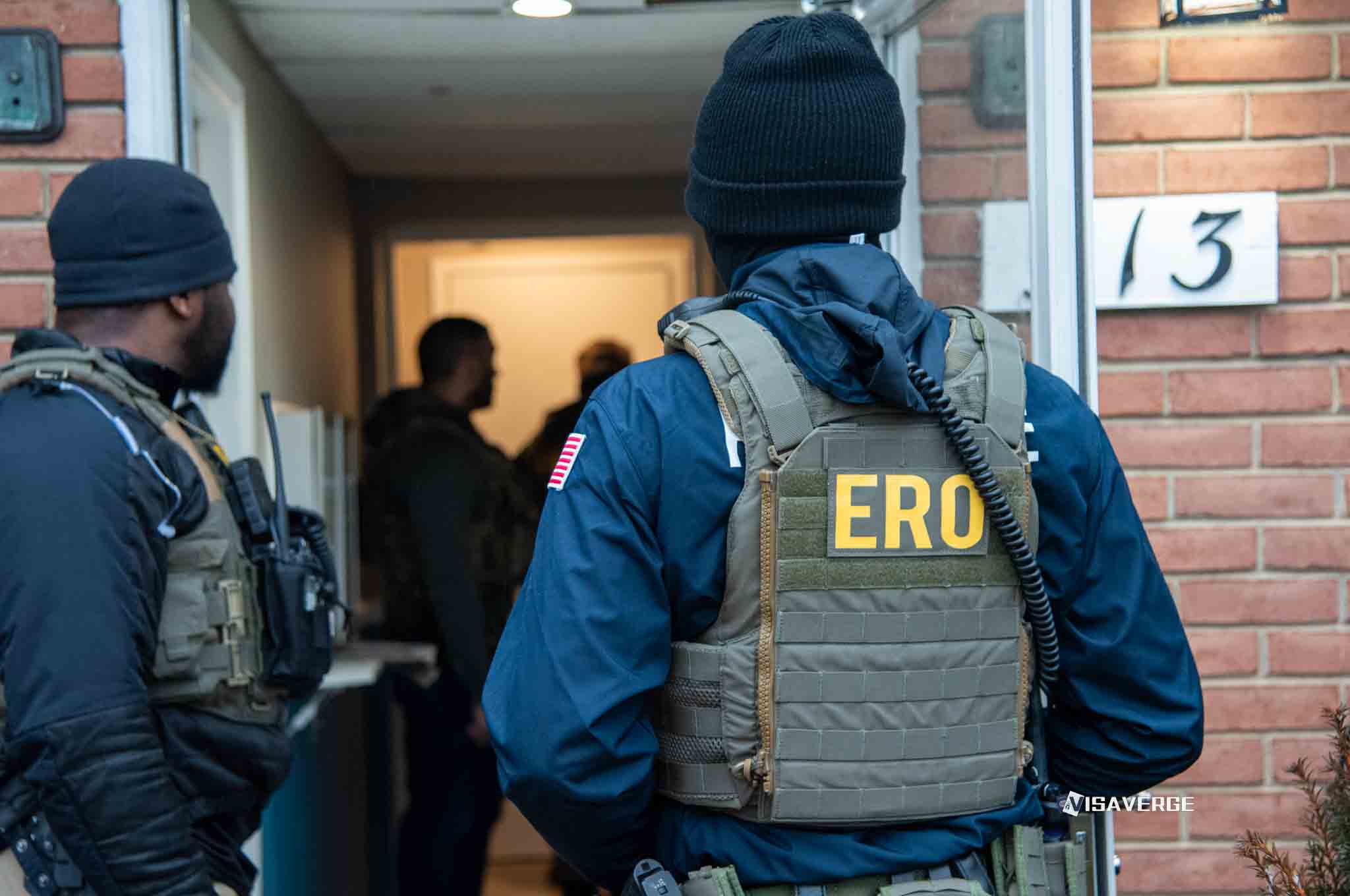
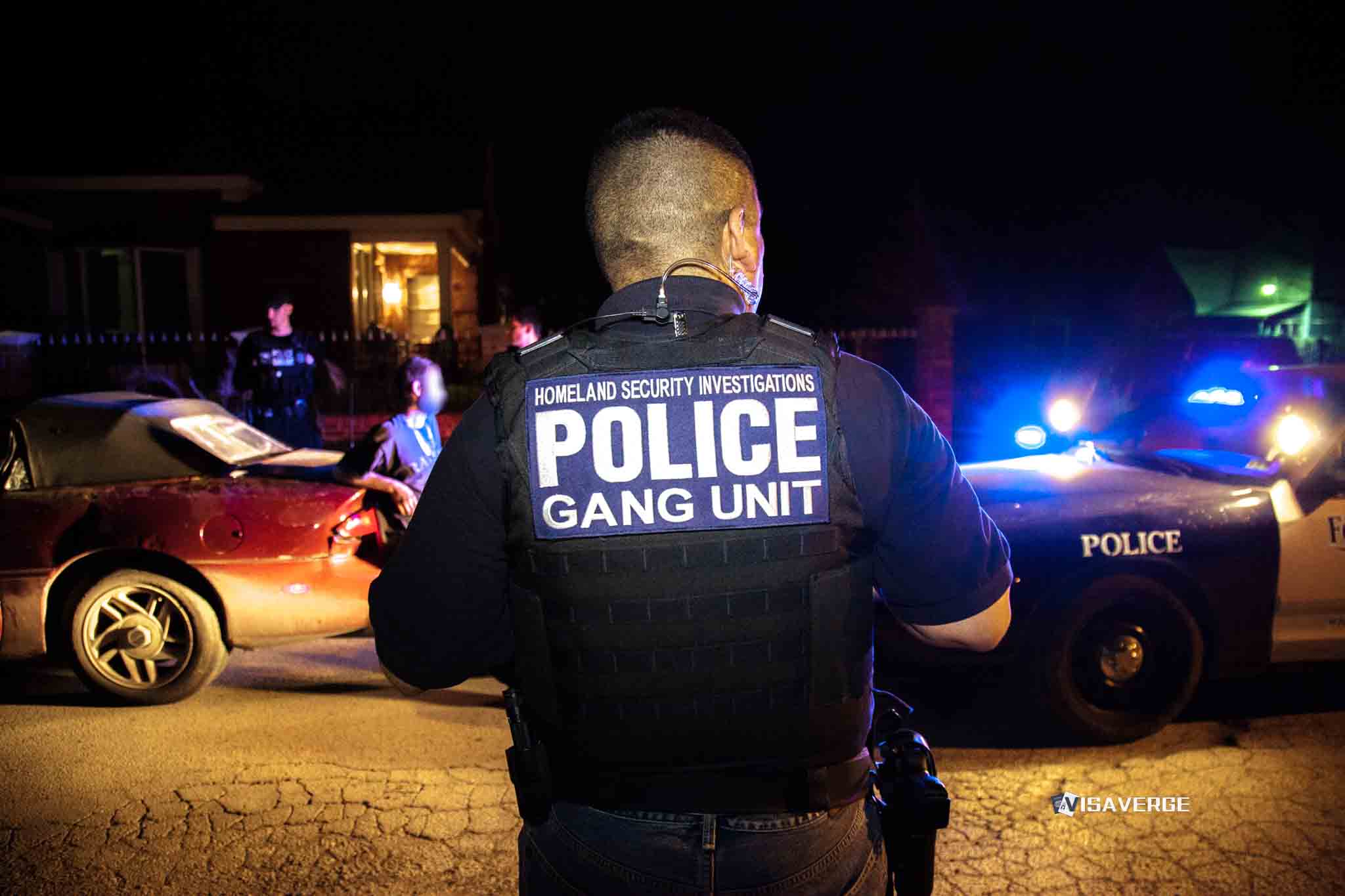
Federal officials say that since December 1, “Operation Metro Surge” has resulted in more than 400 arrests, a figure that has not been independently verified. ICE claims it is targeting the “worst of the worst” unauthorized immigrants with criminal records, while activists and local observers say legal residents without criminal records are being swept up in the raids.
President Donald Trump, the Star Tribune reported, disparaged Somali people in Minnesota in early December after an unsubstantiated report about public funds going to terrorists, then escalated rhetoric around the operation. On Friday before the march, Trump posted on Truth Social:
“Illegal Somalian Criminals … must pay a big price.”
Activists say his comments have fueled fear in immigrant neighborhoods in south Minneapolis, including along Lake Street, where Latino and Somali businesses sit blocks apart.
The Lake Street Council billed the event as “ICE Out of MN! March & Rally” and promoted the route and timing on its website. In a public notice, the council said: “On Saturday, December 20, thousands are expected to rally at 11:30 am and march from Lake & Bloomington to Lake & Pillsbury.”
Lake Street Council leaders said they expected a peaceful rally “in solidarity and in support of the immigrant community.” Bring Me The News described a “large crowd of protesters” on Lake Street opposing ICE operations.
Both ends of the march route — Lake & Bloomington and Lake & Pillsbury — have recently seen confrontations between ICE agents and protesters, adding weight to the choice of gathering point and destination.
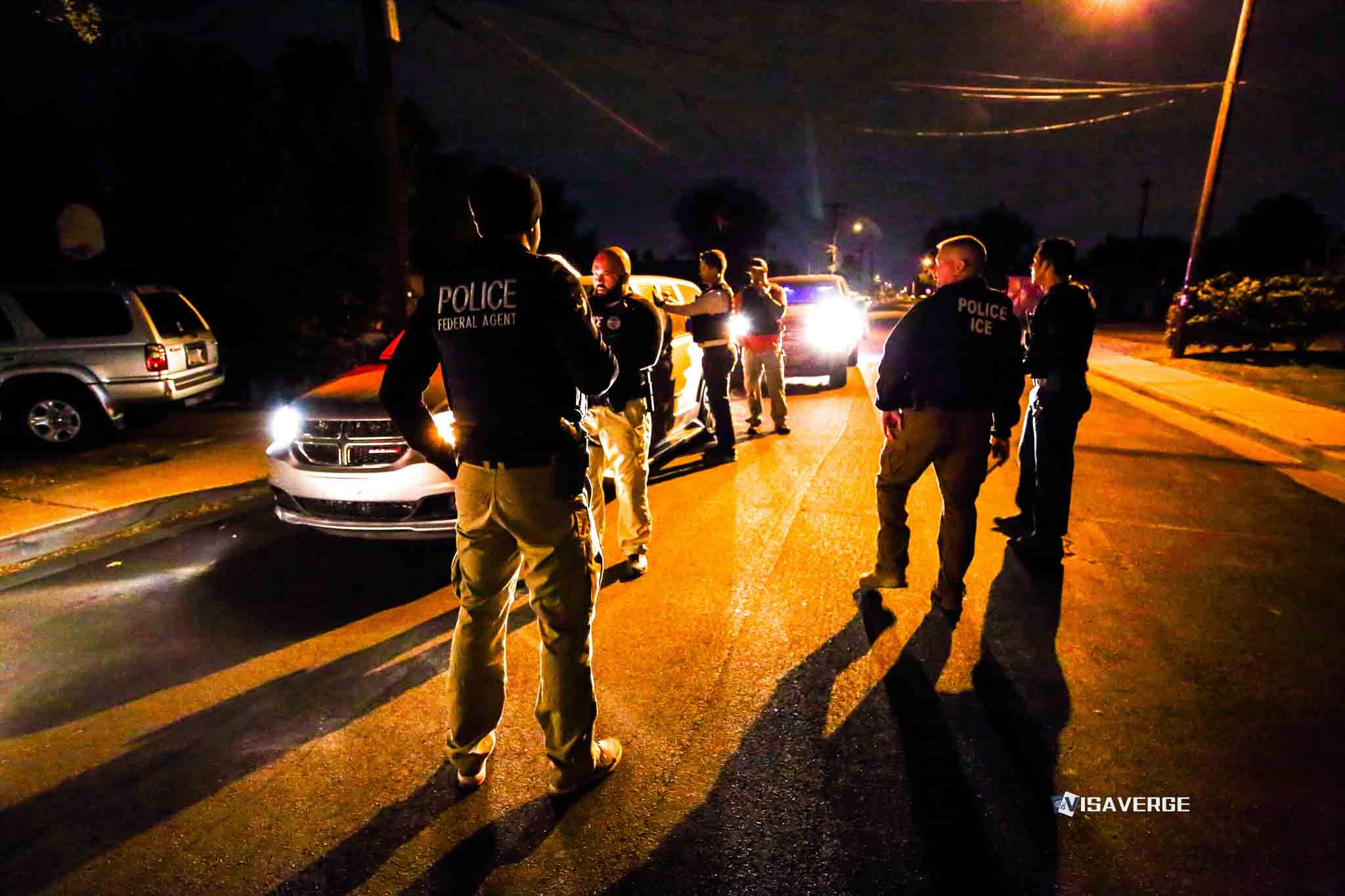
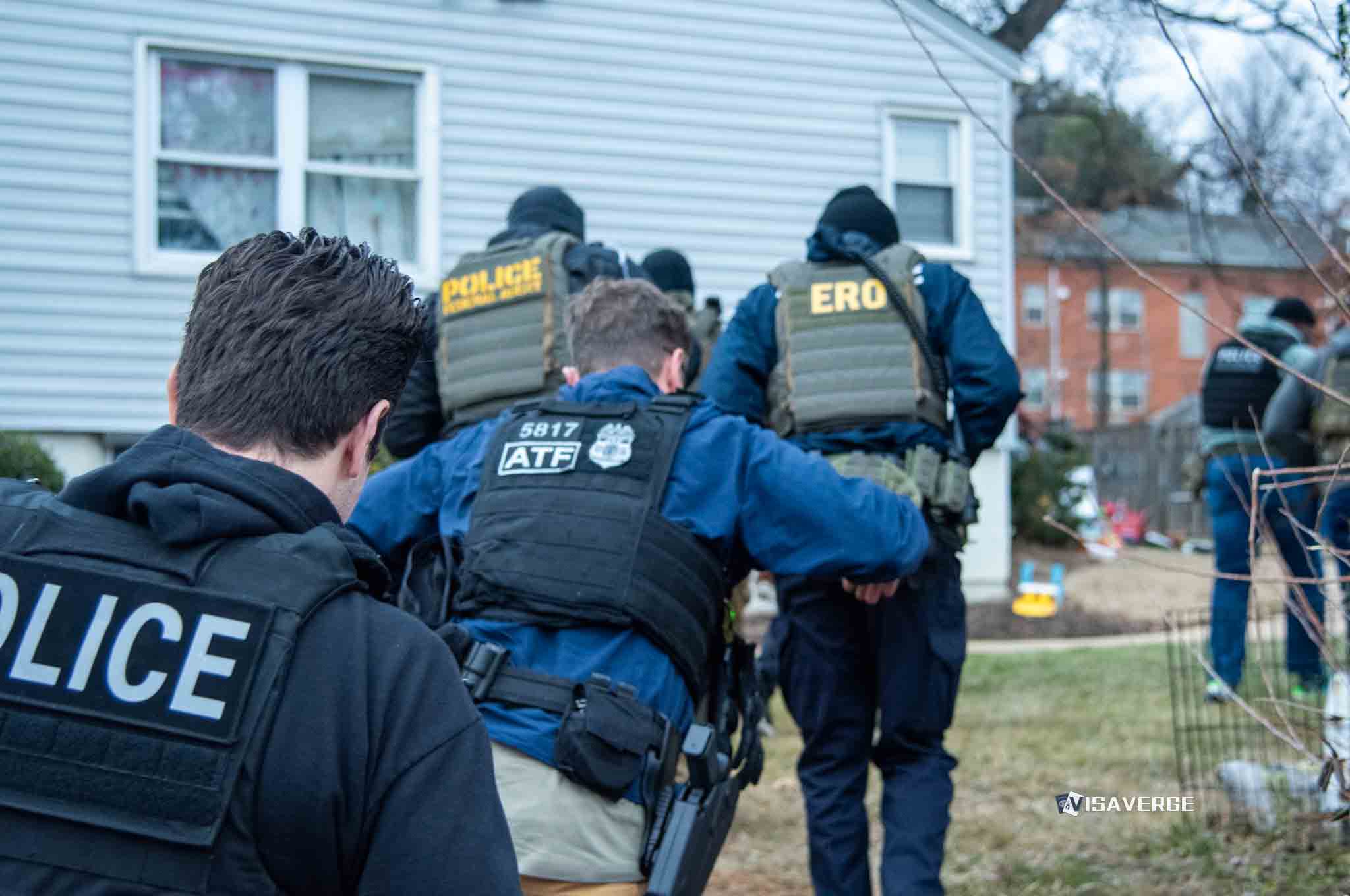
In June, masked agents in tactical gear from multiple federal agencies, including ICE, drove armored vehicles into the intersection at Lake & Bloomington in a raid on Las Cuatro Milpas restaurant. The owner was later convicted in an immigration case and an activist was charged with obstruction.
That June raid prompted a review of Minneapolis’ policy of not using city resources to assist immigration enforcement, the Star Tribune reported.
On Monday before the march, ICE agents near Lake & Pillsbury allegedly smashed the window of a sedan, pulled the occupants out, and dragged a woman through the street, according to witnesses. Bystanders tried to block the agents’ vehicles with their own cars, and agents responded by spraying the crowd with chemical irritants.
The incident took place near Karmel Mall, where the Star Tribune said tension has been high after Trump reportedly called Somali people “garbage” and launched the ICE operation.
Saturday’s march unfolded in what the Star Tribune described as “frigid” and “blustery” conditions, with cutting winds that flipped banners upside down along East Lake Street. Protesters were seen shielding their faces with signs to cope with the cold and wind.
Rick Vandendolder, 73, told the Star Tribune he joined to honor his immigrant father’s legacy in the Dutch resistance during World War II.
“My dad was with the Dutch resistance, and he helped hide Jews and others who were fleeing Nazi persecution,” Vandendolder said.
“I met some of the people that he saved, and I never dreamt that I’d be seeing the same thing going on in this country,” he said.
Je’taylor Coylewright, 49, criticized federal priorities during economic hardship and cold weather. “It’s cold out, people are hungry, our economy is suffering. Those are things we should be working on,” Coylewright said.
“But instead, we’re coming out to have to fight against masked officers taking people off the street. That’s horrible. What a waste of time,” she said.
Jackie Perez, who identified as American Indian and Mexican American, described pervasive fear in immigrant families as the enforcement push continues. “I fear every day for my relatives. I’m worried for myself,” Perez said.
“They’re not just targeting the Latino community, but our Somali relatives and other relatives, too,” she said. “I think that’s really unfair.”
Dennis Dyce, 75, told the Star Tribune he marched on behalf of immigrant neighbors who may be afraid to protest. Dyce, who has lived in Minnesota for about 50 years, said he wants immigrants to feel the same welcome he received.
“[I hope this] demonstrates to our neighbors that they’re loved,” Dyce said.
“I don’t know if we can persuade the government, slim chance there, but [ICE] won’t be here forever,” he said.
Speakers and marchers called for an end to aggressive ICE raids in Minneapolis and the broader Twin Cities, with many focusing on the high-profile actions under Operation Metro Surge. Participants voiced support for immigrant families of all statuses, including legal residents and mixed-status families, and called for greater community safety from federal enforcement actions rather than policing focused on immigration status.
The rally also aimed to project solidarity between Latino and Somali communities along the Lake Street corridor, where organizers and local leaders have emphasized neighbor-to-neighbor support as federal operations continue.
Alex Plechash, Minnesota Republican Party Chair, issued a statement criticizing the rally and condemning what he called “radical activists” marching on Saturday. Plechash said Minnesotans want “safety, accountability and the rule of law, not excuses for criminals.”
“Opposing ICE is ridiculous,” Plechash said, asserting that “Minnesotans overwhelmingly support law enforcement removing criminals from our streets — it’s basic common sense.”
Hussein framed the Lake Street march as both a protest and a call for residents to stand with immigrant-owned businesses that anchor the corridor. “This was an area that was completely desolate in the ’90s, and it has been brought back by the hard work of immigrant communities — both the Latino community and the Somali community,” he said.
Thousands of protesters marched along Minneapolis’ Lake Street to oppose “Operation Metro Surge,” a federal immigration enforcement push resulting in over 400 arrests since December. Demonstrators from Latino and Somali communities voiced fears over aggressive ICE tactics and political rhetoric targeting immigrants. Despite freezing weather, the rally emphasized local solidarity and the vital role immigrant-led revitalization plays in the city’s economy and culture.