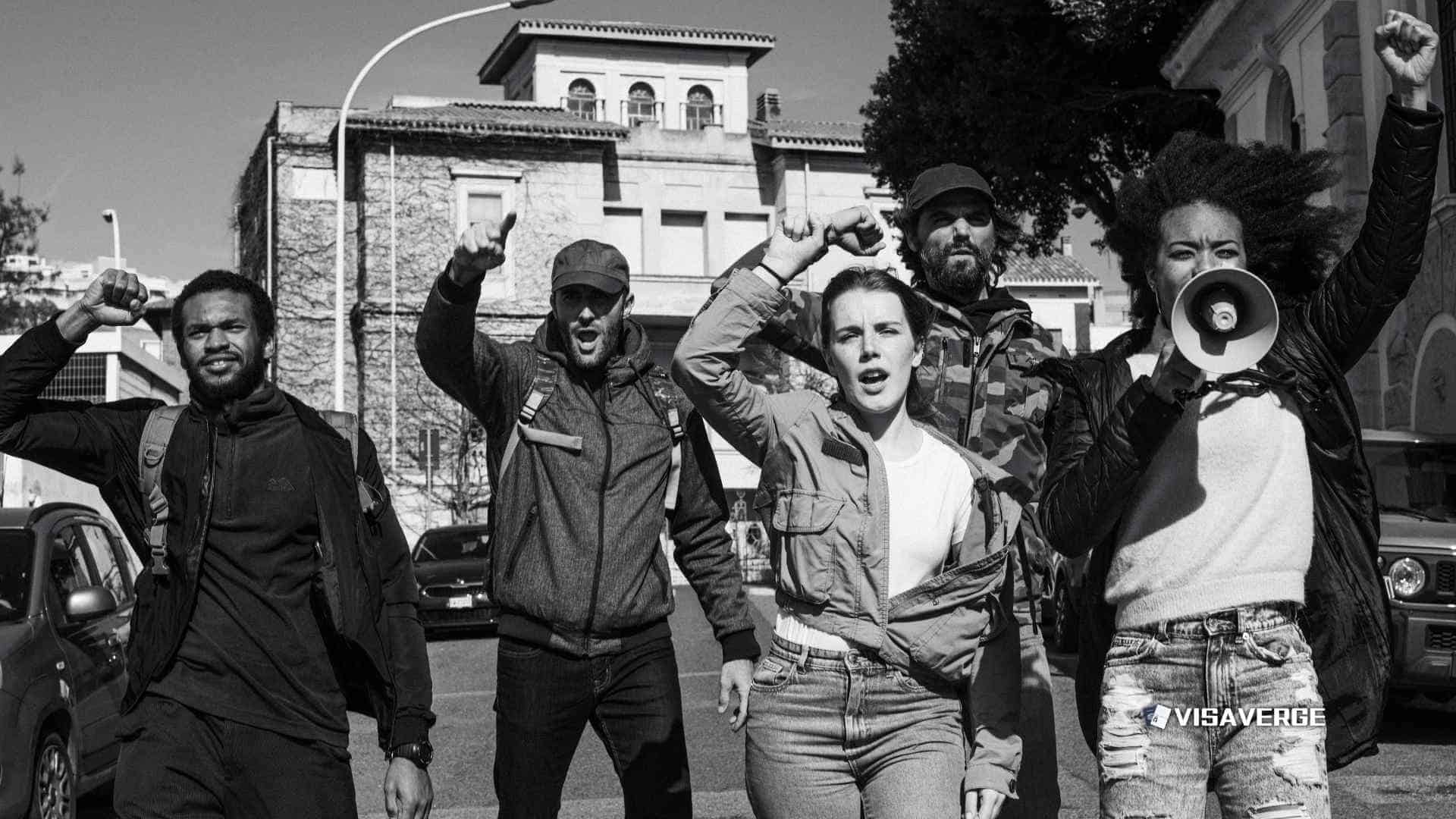
- Organizers call for a statewide work and school pause on January 23, 2026.
- A major march and rally will take place in downtown Minneapolis at 2 p.m.
- Faith leaders, unions, and local officials are opposing intensified ICE enforcement operations.
MINNEAPOLIS, MINNESOTA — Organizers scheduled “ICE Out of Minnesota: Day of Truth and Freedom” for Friday, January 23, 2026, calling for a statewide pause from work, school, and shopping and a march and rally in downtown Minneapolis starting at 2 p.m.
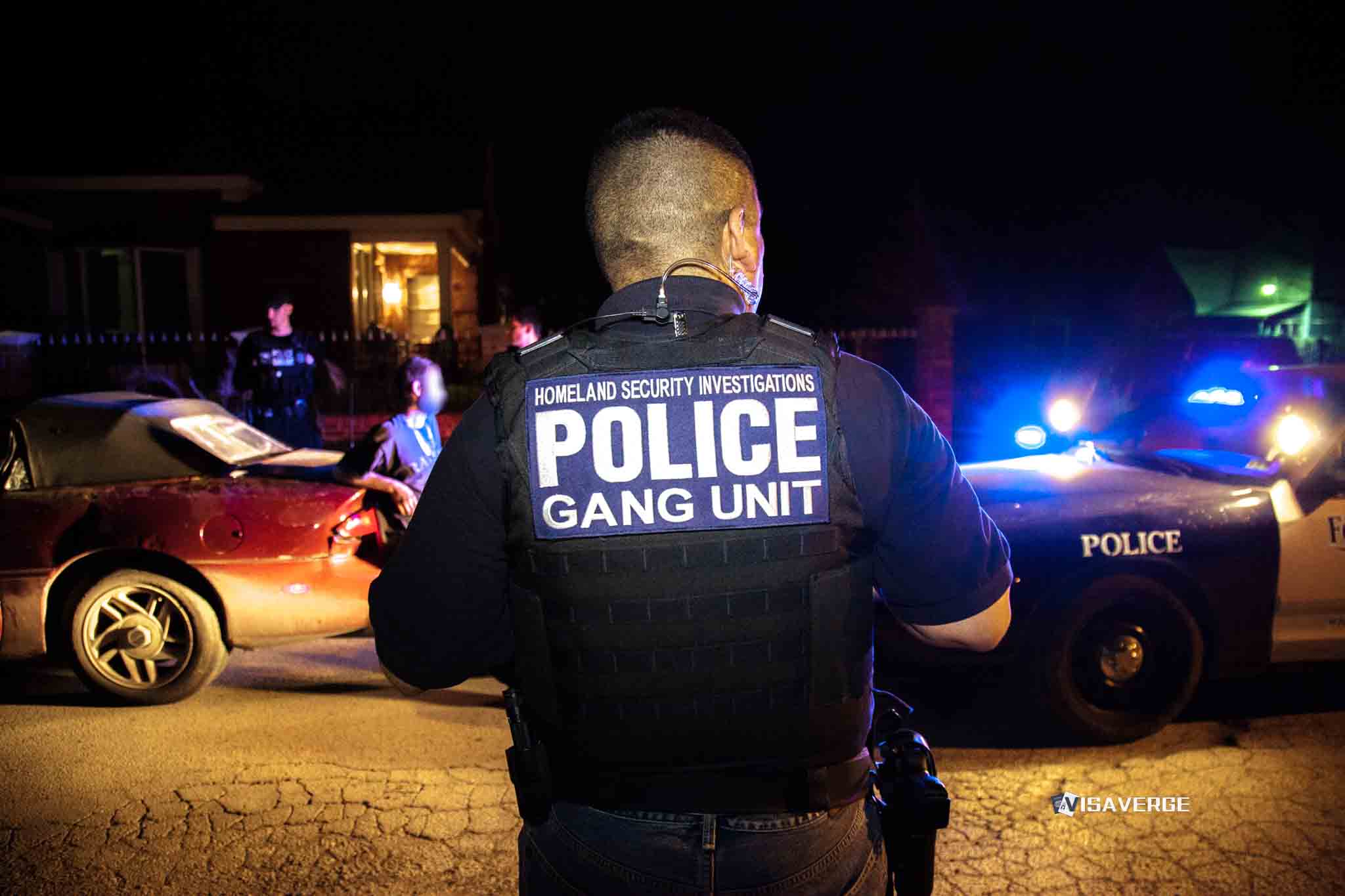
The day’s organizers said they want an immediate end to ICE operations in the state as federal enforcement activity increases in Minneapolis, including an increased presence in south Minneapolis reported on Wednesday.
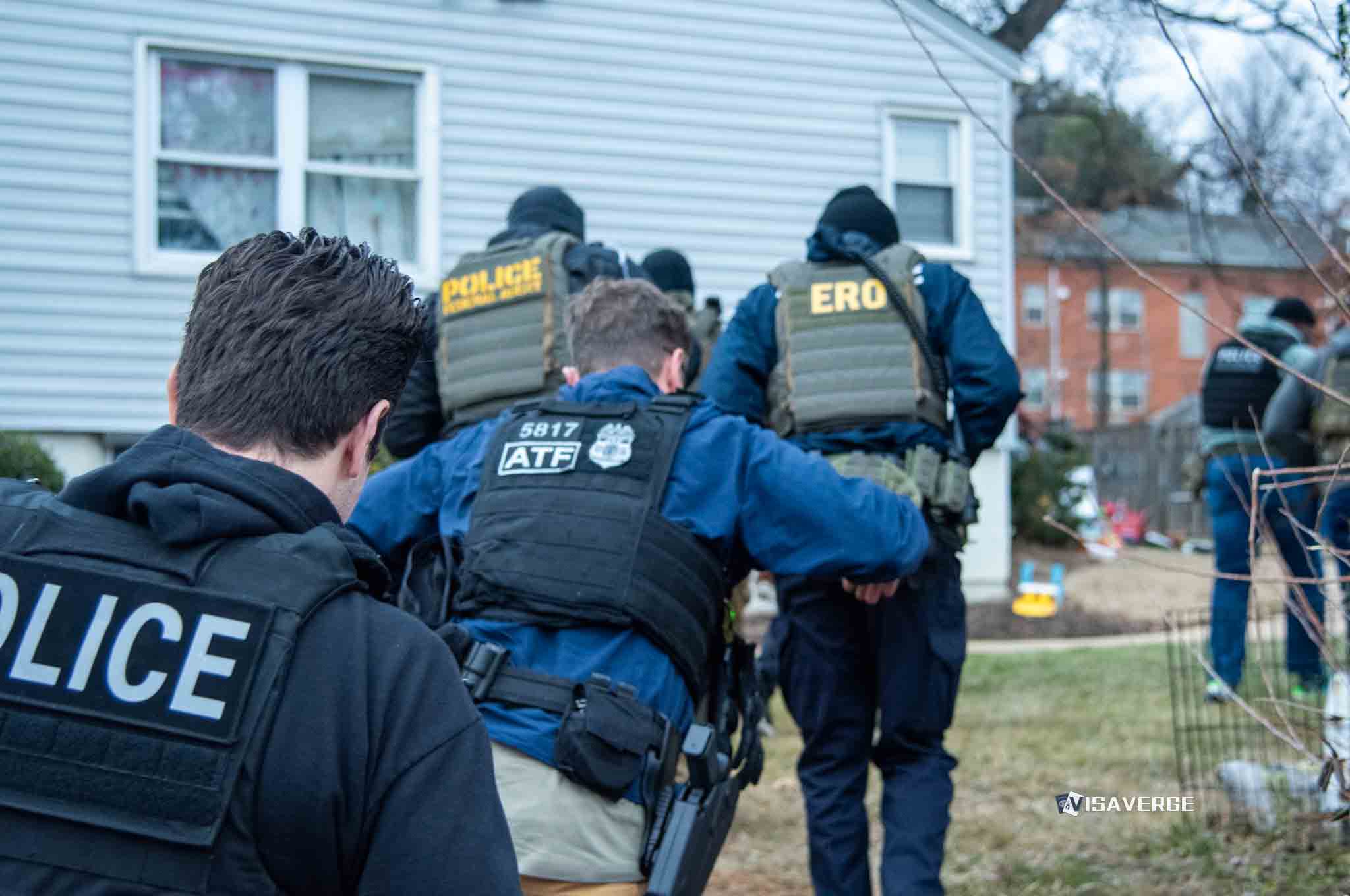
Plans for Friday include a downtown Minneapolis march and rally beginning at 2 p.m., alongside a broader statewide call for people to pause daily routines and spending to show solidarity and pressure public officials.
Organizers framed the “ICE Out of Minnesota” action as both a protest and a community show of support, with participation expected to vary by organization and location across Minnesota.
Faith leaders from “hundreds of Minnesota places of worship” announced their participation at a Tuesday news conference, tying their involvement to congregants’ concerns about immigration enforcement and its ripple effects in schools, workplaces and neighborhoods.
Minister JaNaé Bates Imari, co-executive director of Isaiah, delivered one of the sharpest messages at that news conference.
“ICE, you may go in peace. You surely couldn’t stay in peace, and so we are asking that you leave in peace.”
Union participation included the St. Paul Federation of Educators, Minneapolis Federation of Educators, Unite Here Local 17, SEIU Local 26, and transit union ATU, with organizers emphasizing worker and community involvement in the action.
Several Twin Cities businesses and co-ops also planned to close in solidarity, organizers said, adding an economic dimension to a day focused on pausing work and shopping as well as demonstrating in Minneapolis.
Minnesota lawmakers also voiced support for the event, which organizers described as combining a statewide pause with the downtown Minneapolis march.
The action comes as organizers and some officials point to ongoing ICE operations since December’s Operation Metro Surge, which they said resulted in 3,000 arrests, and 10,000 arrests over the past year.
Organizers and local officials linked those operations to heightened fear in communities, particularly as reports circulated Wednesday of increased federal presence in south Minneapolis, a focal point of concern in the run-up to Friday‘s march.
The public debate also sharpened after the fatal shooting of Renee Good by ICE two weeks ago, an incident that organizers referenced as they urged Minnesotans to join the Day of Truth and Freedom.
Another incident entered the political arguments last week, when a judge ordered the release of six Venezuelan family members due to missing warrants, a court action that organizers cited while arguing enforcement had grown more aggressive.
Federal scrutiny also landed on Minnesota political leaders on Wednesday, when DOJ grand jury subpoenas were served to offices of Gov. Tim Walz, Attorney General Keith Ellison, and Minneapolis Mayor Jacob Frey.
On the same day, St. Paul City Council members introduced ordinances that included prohibiting the use of city-owned parking lots for federal staging, a step the council tied to enforcement activity dating to events on Rose Avenue since November 25, 2025.
Walz criticized federal messaging about enforcement in a post on X, writing: “We all want to get violent criminals off our streets. The federal government’s propaganda machine is taking credit for work that happened long before thousands of untrained agents showed up to put on a show for Trump.”
In southern Minnesota, a dispute with federal authorities turned into a flashpoint after the Cottonwood County Sheriff disputed ICE’s claim that the county refused a detainer for an alleged child sexual predator, calling the assertion “wholly inaccurate.”
Vice President JD Vance planned to visit Minneapolis on Thursday for a roundtable with local leaders and remarks, a trip that drew attention as organizers prepared for the Friday “ICE Out of Minnesota” action.
Local officials and law enforcement leaders raised concerns about the practical effects of stepped-up enforcement activity, including fears about racial profiling and confusion in neighborhoods where federal agents operated.
Minneapolis City Council Member Jason Chavez pointed to an ICE uptick in south Minneapolis and urged neighbors to make plans and use observers, linking those concerns to the organizing push behind the Day of Truth and Freedom.
Brooklyn Park Chief Mark Bruley also entered the discussion by pointing to off-duty officers alleging racial profiling by ICE, adding a policing dimension to a debate already spanning city halls, schools and churches.
Rep. Marion Rarick (R-Maple Lake) demanded ICE stop racial profiling, underscoring that criticism of enforcement tactics had surfaced beyond the groups leading Friday‘s protests.
Activists widened their demands beyond operational changes and called for leadership consequences, including resignation demands directed at a local ICE official.
Attorney Nekiva Levy Armstrong and Monique Cullers of Black Lives Matter Minnesota called for the resignation of Cities Church pastor David Easterwood, the acting ICE field director in Minnesota.
Federal officials also signaled potential consequences for disruptions tied to the broader tension, after protests spilled into a church setting.
DHS Secretary Kristi Noem vowed arrests for Sunday protesters disrupting Cities Church service, while Border Patrol chief Gregory Bovino defended operations as “legal, ethical, and moral.”
“legal, ethical, and moral.”
National political rhetoric sharpened on Wednesday as President Trump criticized local opposition, claiming ICE agents face attacks by “stupid people” and highlighting Minnesota fraud over $19 billion.
Those comments landed as local officials responded to subpoenas and described them as part of a political fight over immigration enforcement, local authority and public messaging.
St. Paul Mayor Kaohly Her responded to her subpoena with a defiant statement.
“I am unfazed by these tactics, and I stand firm in my commitment to protect our residents.”
Frey also framed the moment as a test of local leaders’ willingness to resist federal pressure.
“When the federal government weaponizes its power to try to intimidate local leaders. We won’t be afraid.”
Walz described the DOJ probe as a “partisan distraction” and said he invited Trump to witness Minnesota’s community values, as political leaders weighed the balance between enforcement priorities and community trust.
Friday‘s “ICE Out of Minnesota” Day of Truth and Freedom adds another pressure point in that standoff, combining a statewide call to pause daily life with a downtown Minneapolis march and rally meant to show broad opposition to ICE operations in Minnesota.