- India has authorized ethanol and synthetic hydrocarbons for blending into domestic aviation turbine fuel supplies.
- A mandatory one percent SAF blend for international flights departing India starts in January twenty twenty-seven.
- The government targets a five percent SAF blend by twenty thirty to reduce emissions and crude imports.
(INDIA) — India has authorized ethanol and synthetic hydrocarbons for blending into aviation fuel, a policy shift aimed at cutting emissions and curbing crude oil imports.
The change stems from an amended Aviation Turbine Fuel marketing order issued in April 2026. The order permits domestic carriers to blend approved alternative fuels into their jet fuel supplies. No immediate blending targets accompany the authorization.
The first concrete mandate arrives in January 2027. Regulators plan a 1% sustainable aviation fuel blend on international flights departing Indian airports. Industry reporting indicates the requirement will scale upward, though specific escalation timelines remain unpublished.
Indian officials are also discussing a 5% SAF blending target by 2030, with price and funding support measures for ethanol-based SAF development under consideration. The framework would address feedstock supply chains needed for domestic production.
The policy places India among a growing list of countries pursuing SAF mandates. The European Union requires 2% SAF on departing flights from 2025, scaling to 70% by 2050. Singapore and Japan are developing similar frameworks. India’s proposed 1% by 2027 and 5% by 2030 trails the EU timeline but aligns with broader Asian momentum.
India’s aviation market ranks among the world’s fastest-growing, with domestic passenger traffic exceeding pre-pandemic levels. International departures from major hubs including Delhi, Mumbai, Bengaluru, and Chennai fall under the 2027 mandate. The country has set a broader goal of net-zero emissions by 2070, with aviation identified as a sector requiring alternative fuel pathways.
Connecting passengers routing through Indian hubs face long-term implications for ticket prices. SAF costs significantly more than conventional jet fuel. Industry estimates place SAF at two to four times the price of standard aviation fuel. Even a 1% blend adds marginal cost per flight. A 5% mandate by 2030 could push fares higher if production capacity lags behind demand.
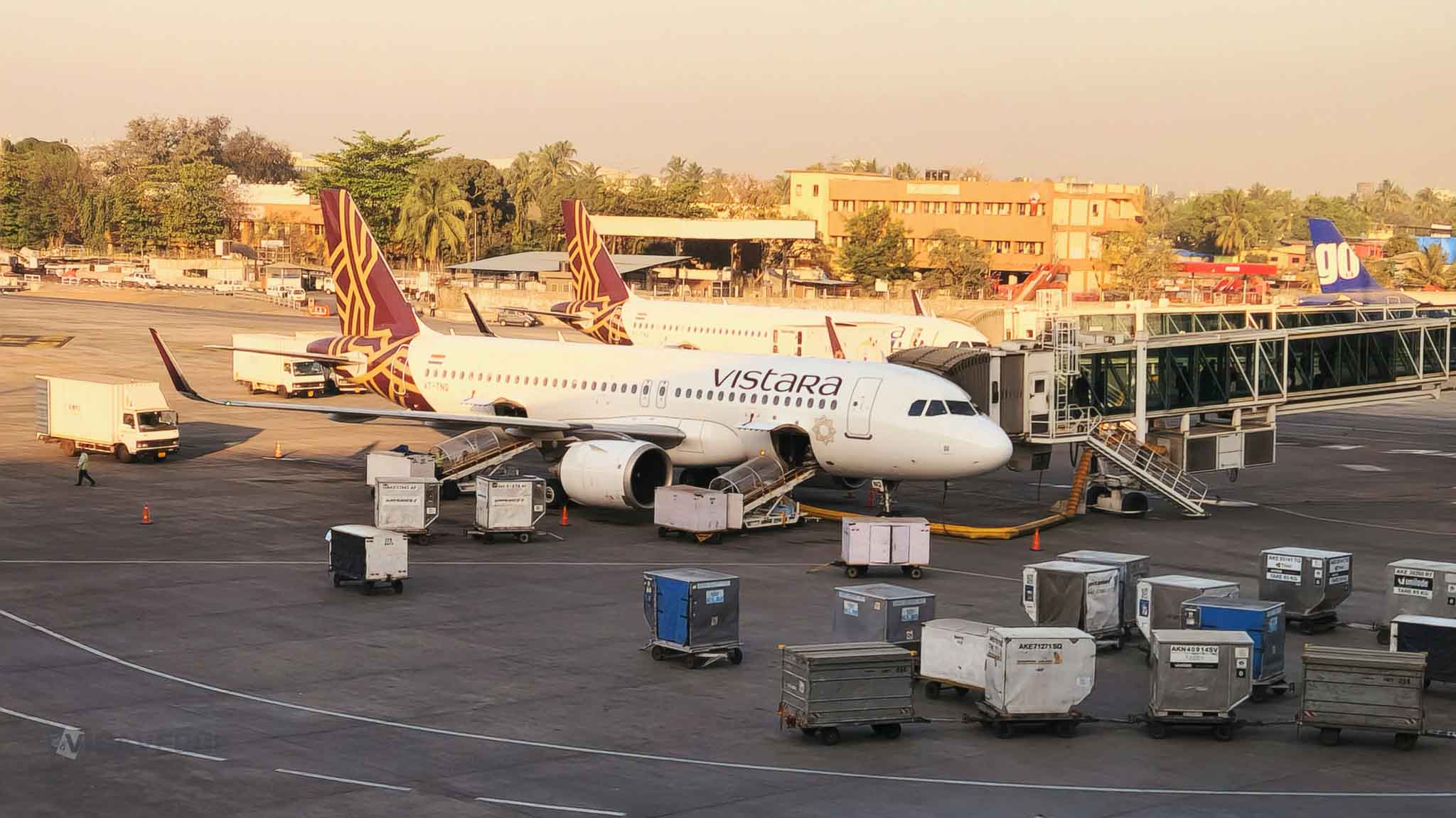
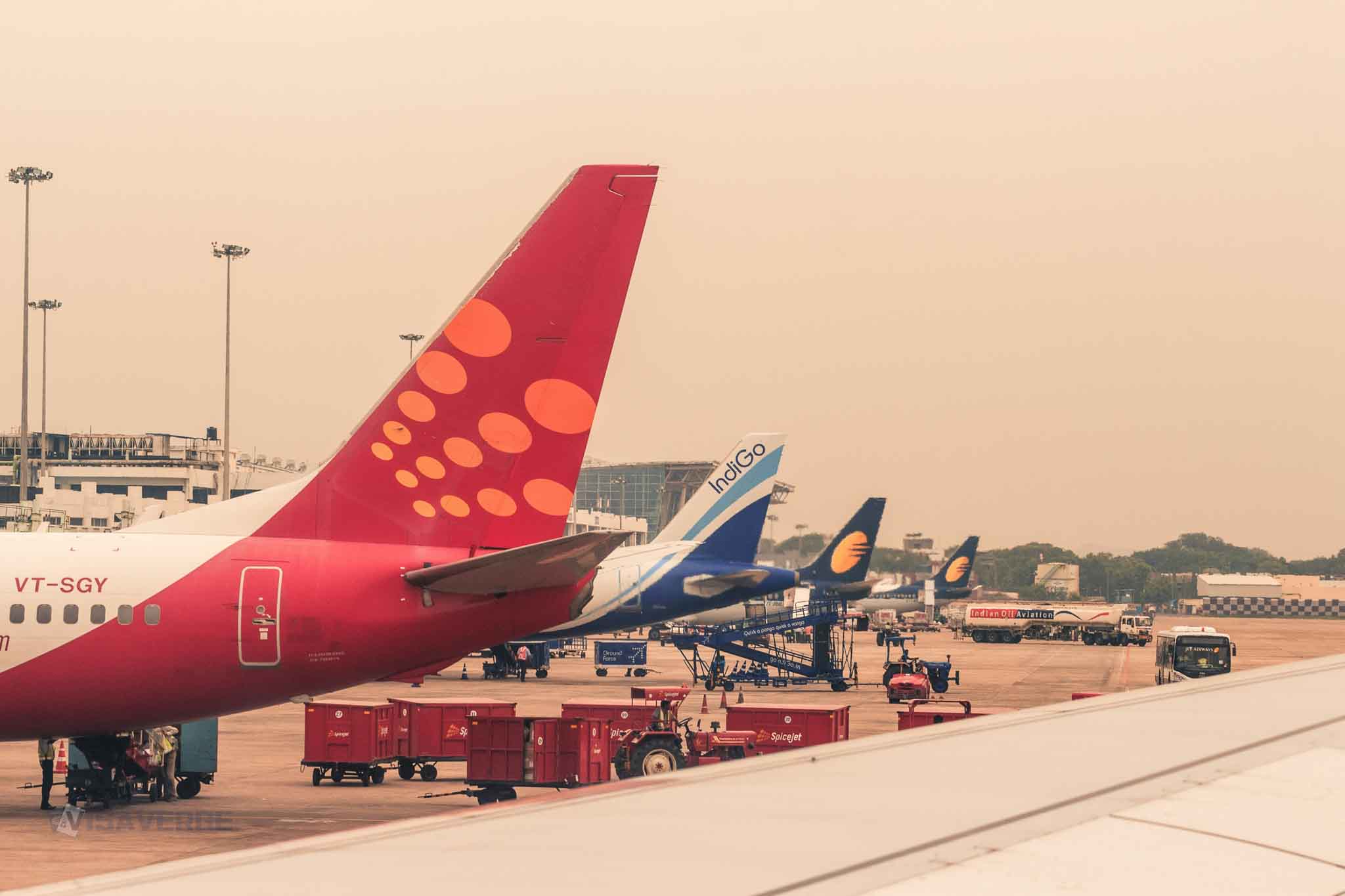
Airlines operating in India include IndiGo, Air India, SpiceJet, and Akasa Air. None has disclosed specific plans for ethanol-blended fuel procurement. IndiGo, India’s largest carrier by market share, has previously signed SAF supply agreements for select international routes. Air India’s post-privatization fleet renewal includes fuel-efficient aircraft that complement SAF adoption.
The ethanol blending pathway draws on India’s existing ethanol surplus. The country’s road-fuel ethanol program, built around sugarcane-derived supplies, has reached blending rates above 15% in gasoline. Redirecting a portion of that supply to aviation could accelerate domestic SAF production without new feedstock infrastructure. Synthetic hydrocarbons, produced from captured carbon and green hydrogen, offer a second pathway but remain cost-prohibitive at commercial scale.
Funding support under discussion includes viability gap funding and tax incentives for SAF producers. These measures aim to narrow the price gap between conventional jet fuel and blended alternatives. Without subsidies, airlines face higher operating costs that typically pass through to consumers.
Loyalty program implications remain indirect. If SAF mandates raise base fares, revenue-based mileage earning on Indian carriers would increase marginally. IndiGo’s loyalty program ties points to spend, so higher fares translate to more points per flight.
Air India’s Flying Returns program, now integrated with Vistara’s Club Vistara following the merger, operates on a distance-and-cabin model. Higher fares would not directly increase miles earned on award-eligible fares. The impact would surface through adjusted award charts and dynamic pricing instead.
Award redemption costs could rise if airlines adjust pricing to reflect elevated fuel expenses. The effect at 1% blending is negligible. At 5%, it becomes measurable but modest.
Travelers booked on international flights from India after January 1, 2027 will fly under the new blending mandate. The requirement applies to fuel loaded at Indian airports, regardless of airline nationality. Passengers connecting through India on partner carriers like Lufthansa, Singapore Airlines, or Emirates face the same mandate on departures from Indian soil.
The Department of Consumer Affairs, which oversees fuel marketing orders, has not published implementation guidelines for the ethanol pathway. Airlines and fuel suppliers await technical specifications on blend ratios, certification standards, and storage requirements before committing to procurement contracts.
India’s aviation fuel consumption reached approximately 8 million metric tons annually before the pandemic and has since recovered to record levels. A 5% SAF blend at current consumption would require roughly 400,000 metric tons of sustainable fuel per year. Domestic SAF production capacity currently stands near zero, making the 2030 target ambitious without rapid infrastructure development.
Several Indian refineries have announced feasibility studies for SAF production using ethanol and agricultural waste feedstocks. Reliance Industries and Indian Oil Corporation have explored pilot facilities. Commercial-scale output remains years away.
Bookings for travel from India in 2027 and beyond need not account for SAF-related fare increases yet. The 1% mandate’s cost impact falls below $1 per passenger on most international routes. Monitor policy developments through late 2026, when implementation guidelines and funding mechanisms are expected to take shape.