Debate highlights and legal stakes
At the heart of the debate is the 14th Amendment’s jus soli principle—citizenship by place of birth. Supporters of birthright citizenship argued the amendment was designed to make citizenship a right, not a privilege contingent on parents’ status. They warned that ending the policy could create a permanent underclass of children born in the United States but denied citizenship, putting them at risk of statelessness and limiting access to healthcare, education, and civic life. Critics countered that birthright citizenship can act as a pull factor for illegal immigration and “birth tourism,” granting automatic citizenship to children whose parents may have no lasting ties to the country. They said the current system strains immigration processes and invites perverse incentives at the border. Some panelists suggested Congress might legislate limits without changing the Constitution, but most constitutional scholars dispute that approach and say the 14th Amendment’s text still controls. The legal backdrop is fluid:- Multiple bills to restrict or end birthright citizenship have surfaced in Congress over the past decade but have not advanced.
- States, including Arizona, have pushed test cases aimed at revisiting the clause, often hoping for a Supreme Court ruling.
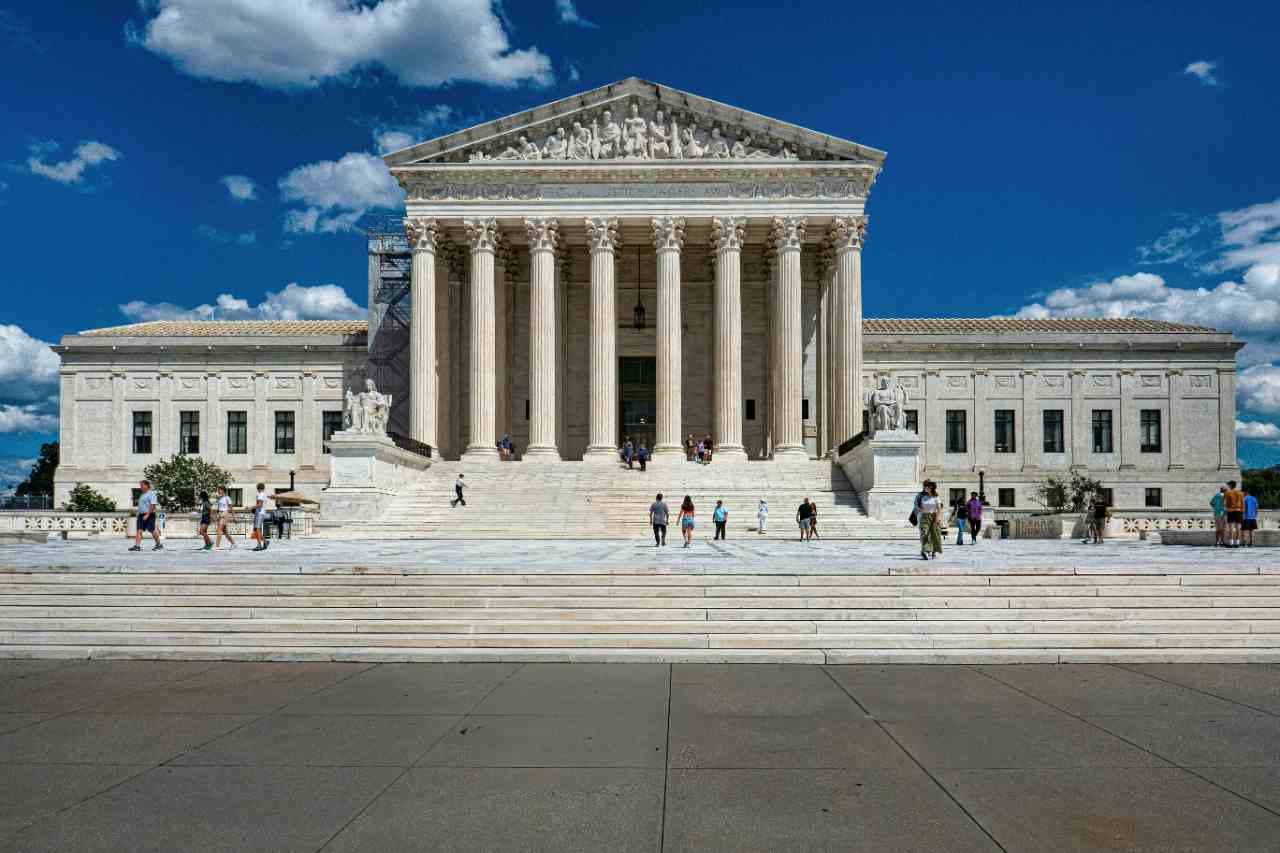
- The Supreme Court recently heard challenges tied to executive actions that sought to limit birthright citizenship; as of October 2025, the constitutional guarantee remains in effect.
Practical concerns raised by students and community members
ASU’s forum made space for both legal theory and lived reality. Students pressed speakers on practical outcomes and operational questions:- How hospitals would record births if citizenship were uncertain.
- How schools would treat enrollment when a child’s status is in question.
- Whether state agencies could manage a new verification system.
What ending birthright could mean for families
Speakers outlined immediate and long-term effects if birthright citizenship were narrowed or ended, emphasizing that even a temporary change could alter key life events for U.S.-born children of noncitizen parents.- New documentation checks at birth that could delay a child’s proof of status.
- Growing numbers of children without clear nationality, especially when parents cannot pass on another citizenship.
- Increased pressure on state systems for schooling, healthcare access, and child welfare.
- Difficult choices for mixed-status families about where to live and work.
- Litigation stress for hospitals and local agencies caught between federal and state rules.
Political and institutional context
The ASU stage also spotlighted the political dimension. While the event stayed focused on law and policy rather than campaign rhetoric, its timing underscored why universities are hosting these discussions. Organizational notes:- The PRO/CONversations series aims to give the public a reliable forum where complex issues are debated with clear rules and strong moderation.
- Open to Debate partnered with ASU’s Institute of Politics to keep the conversation civil, even when stakes are high.
- Moderators pressed each side to explain, in plain terms, what success should look like and how to measure real-world results.
“Strong institutions and informed voters depend on the ability to argue hard topics without personal attacks,” organizers said, urging continued engagement and respectful discourse.The night ended with a call for continued engagement. ASU leaders invited students, families, and community groups to attend future PRO/CONversations, noting the university’s broader push to protect free speech and debate. In their view, birthright citizenship is exactly the kind of issue that benefits from careful listening and clear factual grounding.
Constitutional resources and next steps
The constitutional context framed the evening. For readers seeking primary sources, the 14th Amendment’s text and historical notes are available from the federal government at the National Archives:- National Archives: Amendments 11–27 — https://www.archives.gov/founding-docs/amendments-11-27
- How a court would weigh precedent.
- How federal agencies would carry out orders.
- What would happen during a transition period if policy shifted mid-litigation.
Conclusion: status quo and what to watch
As the courts consider the latest challenges, the rule remains unchanged: children born on U.S. soil are U.S. citizens under the 14th Amendment. Whether that principle holds in the face of new executive actions or legislative experiments will depend on decisions in the months ahead. For now, the ASU forum shows how a university can help the public sort through law, policy, and the human stories that sit behind them—one debate at a time.This Article in a Nutshell
On October 9, 2025, Arizona State University hosted a PRO/CONversations forum examining proposals to end or limit birthright citizenship under the 14th Amendment. The panel included legal scholars, Arizona Attorney General Kris Mayes, students and community members who explored constitutional text, historical purpose, and practical consequences for hospitals, schools and state agencies. Supporters of maintaining jus soli warned that restricting birthright citizenship could create stateless U.S.-born children and disrupt access to services. Critics argued the policy can incentivize unlawful migration and birth tourism. While the 14th Amendment’s guarantee remains intact as of October 2025, ongoing court challenges and congressional proposals mean litigation and political debate will continue. Organizers emphasized civil discourse and encouraged public engagement and reliance on primary legal sources.