1 earlier update
- Birthright citizenship remains the default rule in 2026 for children born on U.S. soil under the Fourteenth Amendment.
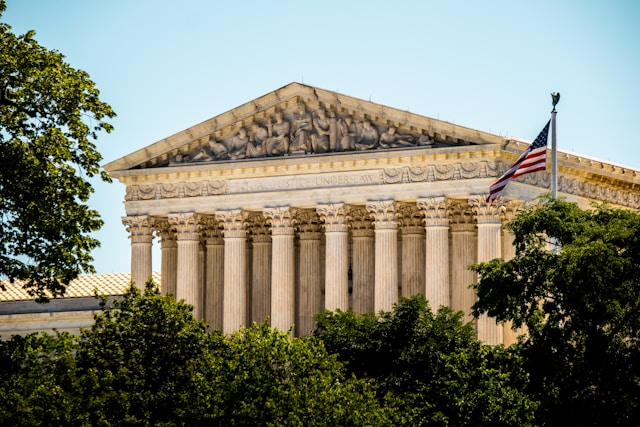
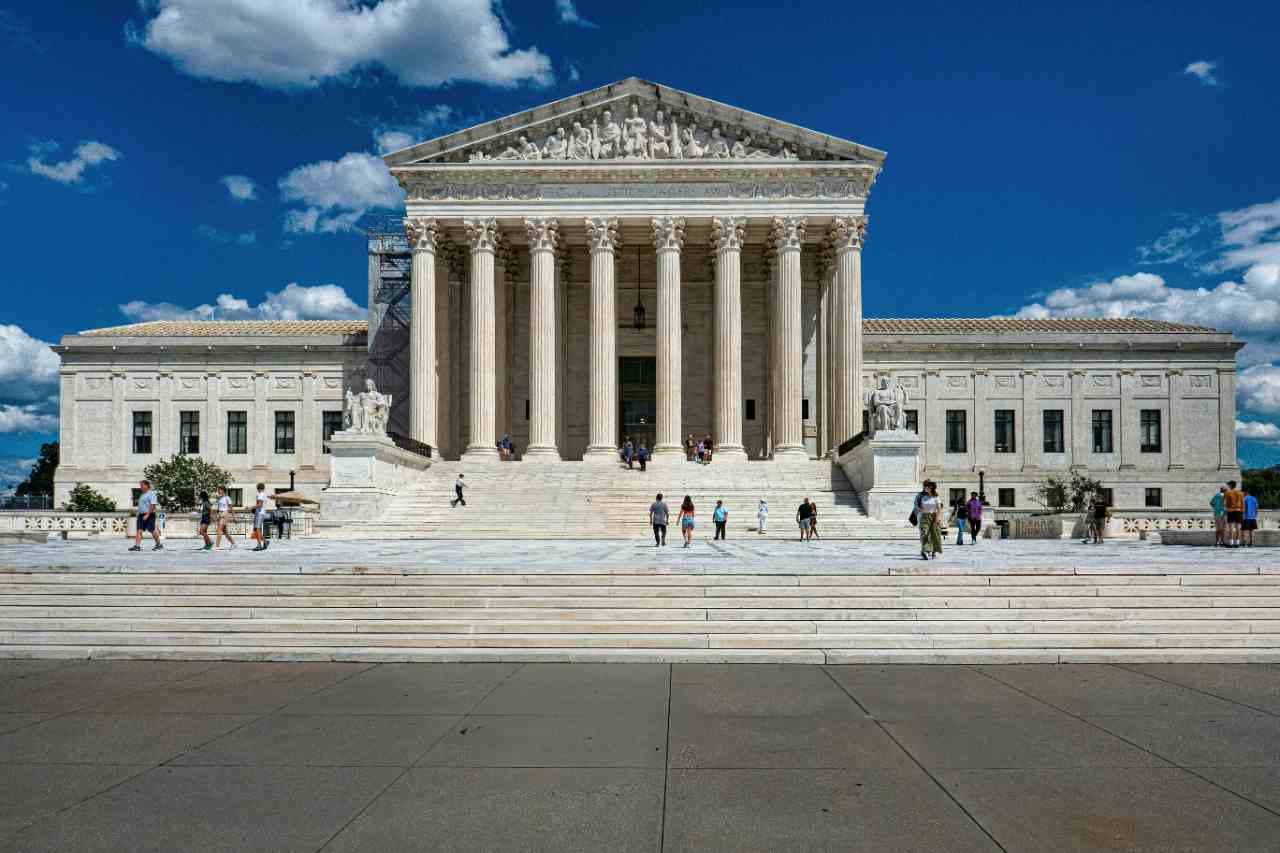
- The Supreme Court is currently reviewing a 2025 executive order that seeks to limit citizenship for undocumented parents.
- Current law still ensures immediate rights and benefits for infants, including passports and Social Security eligibility.
(UNITED STATES) Birthright citizenship remains the default rule in the United States, and most children born on U.S. soil are citizens at birth under the Fourteenth Amendment and its jus soli principle. As of April 2026, a 2025 executive order challenging that rule for children of undocumented parents and temporary visa holders is still tied up in the courts, while lower-court injunctions keep the traditional rule in place.
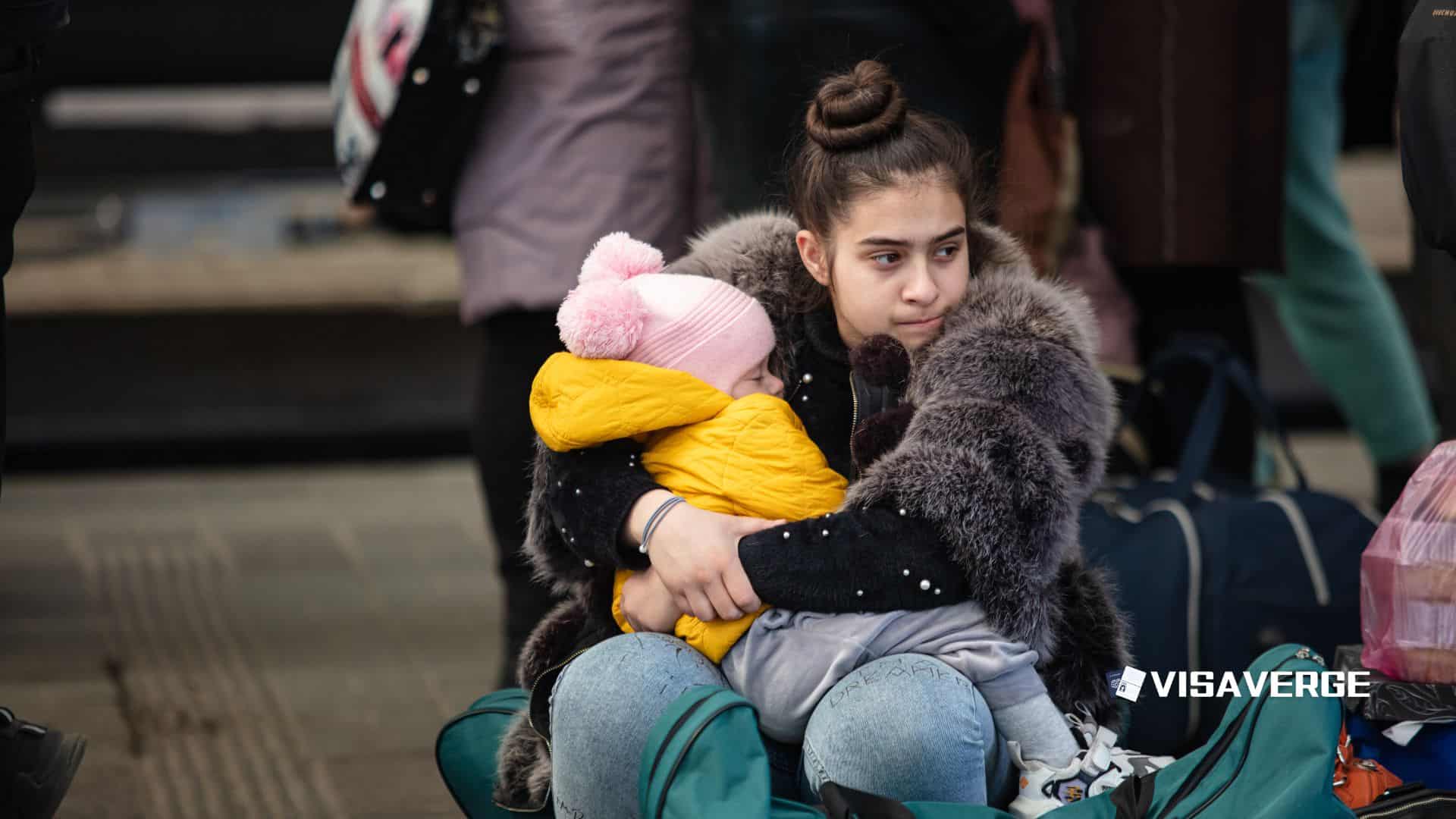
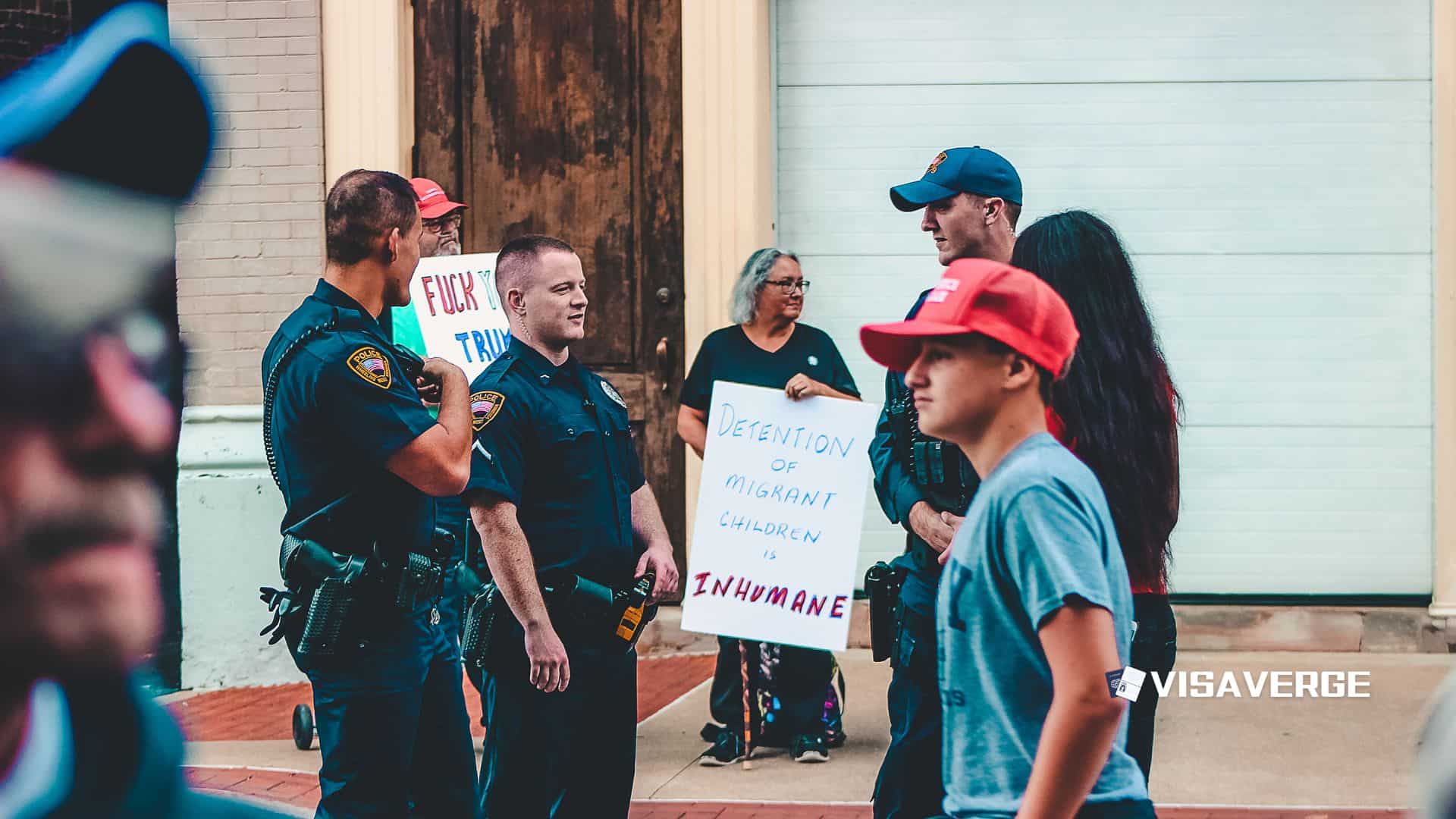
That means a child born in the U.S. today is still treated as a citizen, unless a narrow exception applies. The issue matters for families, hospitals, schools, and immigration lawyers because citizenship at birth shapes a child’s life from the first day.
The constitutional rule that still governs
The Fourteenth Amendment, ratified in 1868, says that all persons born or naturalized in the United States, and subject to its jurisdiction, are citizens of the United States and the state where they live. That language built modern birthright citizenship. It replaced a system that tied nationality to parentage, also known as jus sanguinis, and instead made birthplace the main rule.
Free toolUSCIS Receipt Number DecoderCongress adopted that approach after the Civil War to protect formerly enslaved people and their descendants. It also created a clear national standard for a country that was absorbing new immigrant communities. For more than 125 years, that rule has been the foundation of U.S. citizenship law.
Today, the rule applies not only on the mainland but also in places such as Puerto Rico, Guam, and the U.S. Virgin Islands. In 2025, roughly 300,000 to 400,000 children were born each year to non-citizen parents, and most received citizenship automatically under this framework.
| India | China | ROW | |
|---|---|---|---|
| EB-1 | Feb 01, 2023 ▲109d | Jul 01, 2023 | Current |
| EB-2 | Nov 01, 2013 | Oct 01, 2021 ▲30d | Jan 01, 2025 |
| EB-3 | Jan 01, 2014 | Jan 08, 2022 ▲7d | May 15, 2024 ▼109d |
| F-1 | Jan 22, 2020 | Jan 22, 2020 | Jan 22, 2020 |
| F-2A | Sep 22, 2026 ▲31d | Sep 22, 2026 ▲31d | Sep 22, 2026 ▲31d |
The narrow exceptions that still exist
Nearly everyone born in the United States qualifies for citizenship at birth. The key phrase is “subject to the jurisdiction” of the United States. That excludes a very small group.
Children of foreign diplomats and consular officers do not receive birthright citizenship because those parents have diplomatic immunity. Children born to enemy forces during wartime have also been treated as outside the rule, though that is a historic exception. Children born on foreign ships in U.S. territorial waters are usually not treated as born in the United States unless special facts apply.
A child born to undocumented parents still receives citizenship under current law. So does a child born to tourists, students, and most other temporary visitors. The parents’ status does not control the child’s citizenship.
The case law that fixed the modern rule
The leading precedent is United States v. Wong Kim Ark, decided in 1898. Wong was born in San Francisco to Chinese parents who were not eligible for naturalization under the Chinese Exclusion Act. After he returned from a trip abroad, officials tried to deny his entry. The Supreme Court ruled 6-2 that he was a citizen because he had been born in the United States.
That case matters because it interpreted “subject to the jurisdiction” broadly. It has never been overturned. Later decisions, including Plyler v. Doe in 1982, reinforced protections for children of undocumented immigrants in other settings.
A 1985 Justice Department memo under President Reagan argued for limits, but it never became policy. Congress has seen proposals to change the rule, yet none became law.
What U.S.-born citizenship gives a child
A child born in the United States gets immediate and permanent citizenship. That brings a passport, a Social Security number, the right to vote at 18, and the ability to sponsor certain family members after age 21.
For immigrant families, that changes long-term planning. A U.S.-born child can later file petitions for parents, although visa backlogs remain long for many families. The February 2026 Visa Bulletin still showed waits that can stretch for years for countries such as Mexico and the Philippines.
U.S.-citizen children also qualify for school enrollment and a range of public benefits, including Medicaid and SNAP, subject to ordinary program rules. Parents without status often stay away from hospitals because they fear scrutiny, which adds stress around childbirth and can push families toward unsafe choices.
The 2025 executive order and the court fight
President Trump signed an executive order on January 20, 2025, seeking to deny automatic citizenship to children of undocumented immigrants and temporary visa holders. The order argues that the Fourteenth Amendment should not cover those groups.
Lower courts blocked the order within weeks, saying it conflicts with Wong Kim Ark and the long-standing reading of the Constitution. On April 1, 2026, the Supreme Court heard arguments on both the order itself and the scope of nationwide injunctions. No ruling had been issued by April 6, 2026.
The administration says the president can interpret the Constitution through executive action. Opponents say only a constitutional amendment could change a rule written into the Fourteenth Amendment.
The wider immigration climate around the case
The citizenship fight comes during a period of tighter immigration enforcement. New travel bans took effect on January 1, 2026, affecting more than 75 countries. Social media checks expanded on March 30, 2026. ICE also re-vetted refugees. VisaVerge.com reports that those policies have raised anxiety around family status, documentation, and cross-border travel.
The broader climate does not change the legal rule for birthright citizenship today. It does, however, shape how families experience pregnancy, hospital visits, and record keeping. Some parents worry that even routine paperwork could later be examined more closely.
What families should expect now
Birth certificates are still issued by states after every birth. Federal recognition of citizenship follows the current constitutional rule unless the Supreme Court says otherwise. Parents should keep hospital records, birth certificates, and passport applications organized from the start.
For official federal guidance on citizenship, see USCIS information on citizenship and naturalization. If an immigration form becomes relevant later, the main family petition form is Form I-130, the petition for an alien relative.
Families also need to remember that a U.S.-born child does not erase a parent’s immigration violations. A citizen child may help in some future applications, but it does not cancel unlawful presence or other inadmissibility problems.
The global context behind the U.S. debate
The United States is unusual, not alone. Canada also uses broad birthright citizenship. Many countries rely on citizenship through parents instead. That makes the U.S. rule a major part of how immigration has worked for generations.
For many families, jus soli is more than a legal doctrine. It is the reason a child born during a temporary stay, a work assignment, or an uncertain legal period still starts life as a full American citizen. The Supreme Court’s next ruling will decide whether that long-standing rule stays exactly where it is or faces its deepest test in modern times.