- Donald Trump announced that China agreed to buy 200 Boeing aircraft during bilateral trade negotiations in Beijing.
- Boeing’s CEO signaled confidence that the deal depends on U.S.-China relations and political bargaining.
- Despite the news, Boeing’s stock dropped over five percent as investors awaited firm delivery details and contracts.
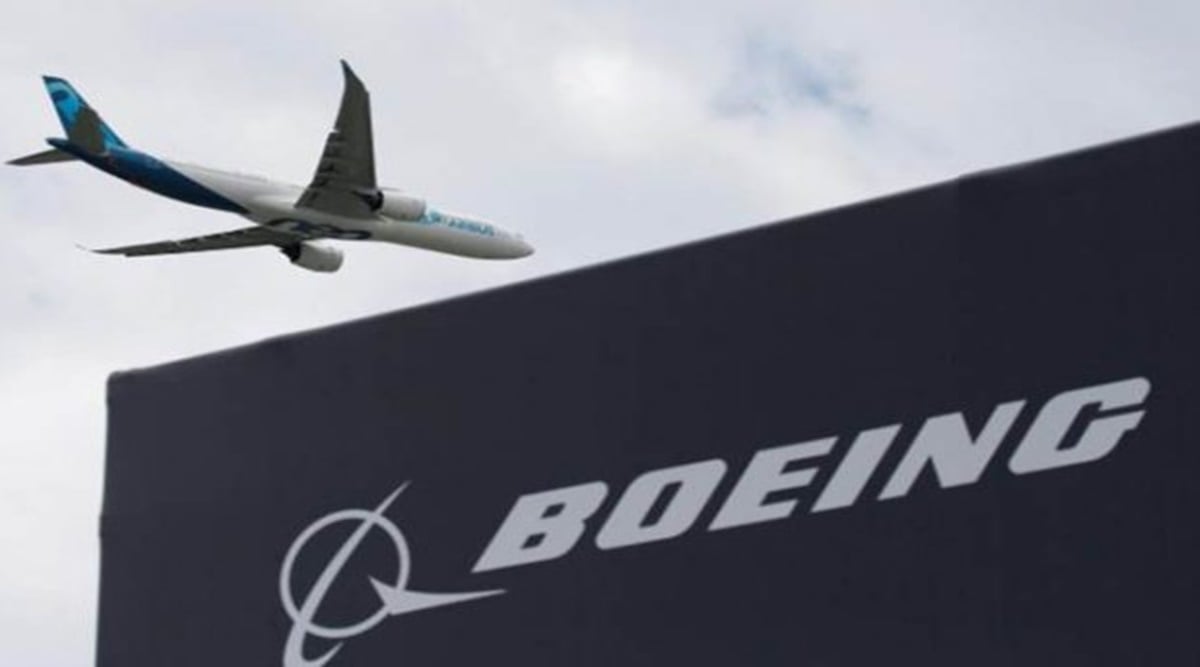
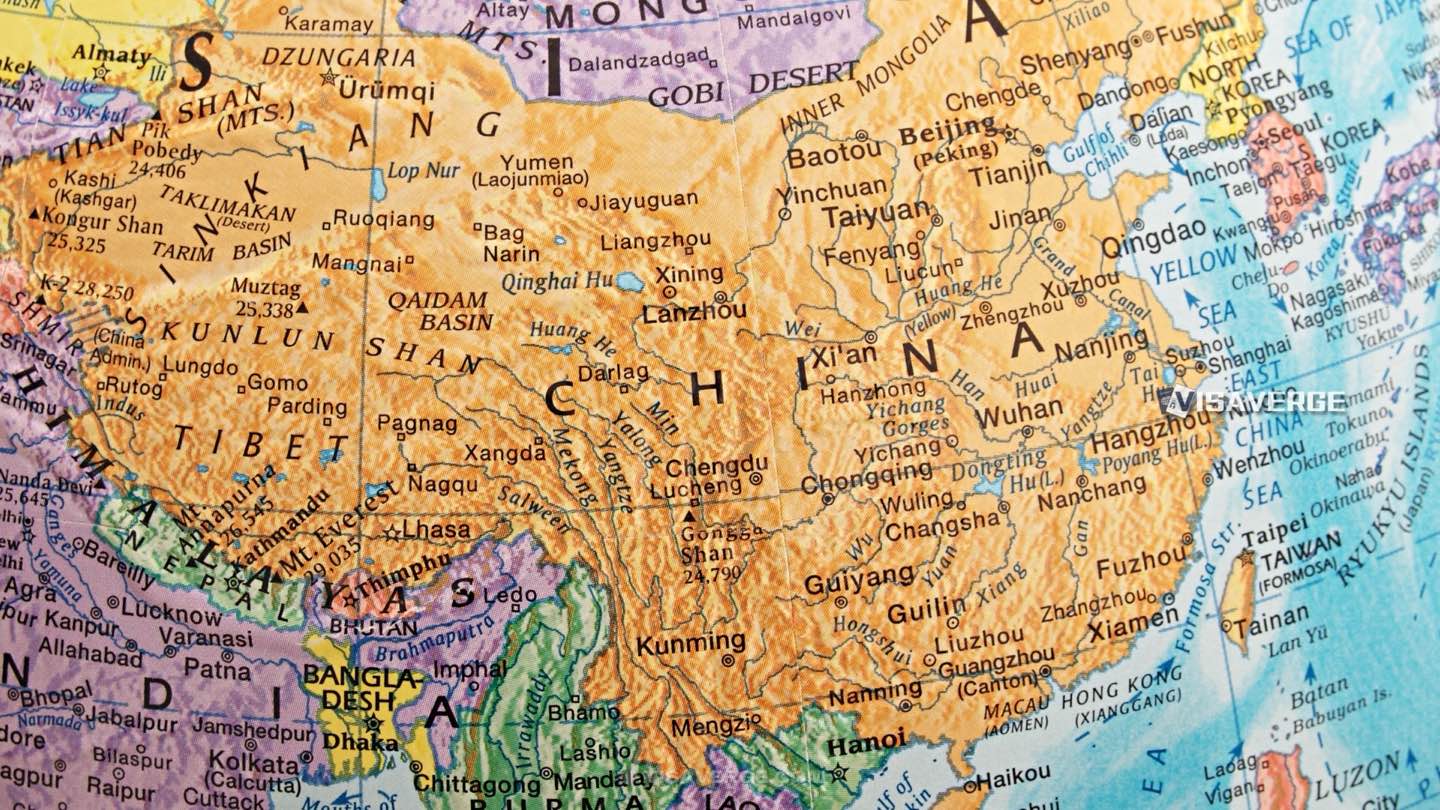
(BEIJING, CHINA) – Donald Trump said China agreed to buy 200 Boeing jets as part of broader U.S.-China discussions, putting aircraft orders at the center of his talks in Beijing.
Trump described the order in blunt terms. “Boeing wanted 150, they got 200 big ones.”
Boeing Chief Executive Kelly Ortberg traveled with Trump’s delegation to Beijing and signaled that the company expected aircraft sales to emerge from the negotiations. He called the trip “a meaningful opportunity” and told analysts he was “highly confident” that an agreement between Trump and Chinese President Xi Jinping would “include some aircraft orders.”
Ortberg did not give a figure for the order. He said any deal was “100% dependent on the U.S.-China negotiations and relations,” and added that the final tally would be “a big number.”
The remarks came after reports that Boeing had been negotiating with China’s three largest airlines ahead of Trump’s visit with U.S. business leaders. Those talks placed Boeing jets inside a wider package of commercial and political bargaining between Washington and Beijing.
Aircraft sales have long carried weight in U.S.-China diplomacy because they combine trade value, industrial policy and airline demand in one transaction. A large order would give Boeing a foothold in one of the world’s biggest aviation markets while offering Chinese carriers new delivery slots as travel demand and fleet planning continue to shape buying decisions.
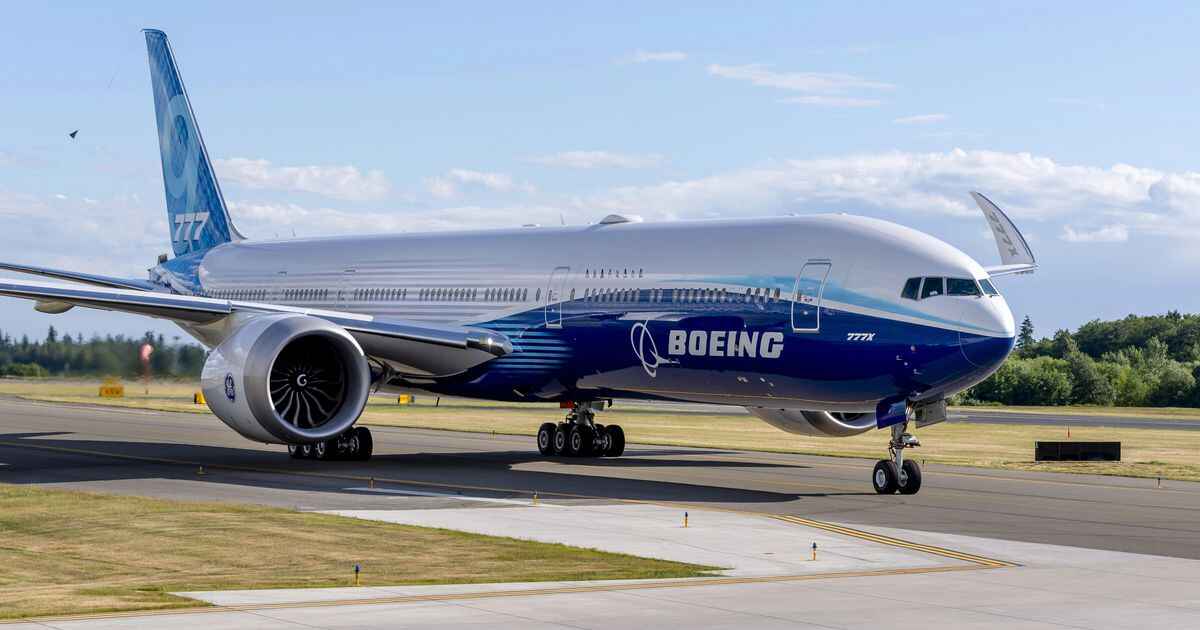
Market expectations around the talks extended beyond the 200 aircraft Trump cited. China was considering a deal for about 500 Boeing 737 Max jetliners, with discussions also underway for around 100 Boeing 787 Dreamliner and 777X wide-body jetliners.
Those discussions did not appear to move on the same timetable. The 737 Max order was the immediate focus for potential finalization at the Trump-Xi summit, while the wide-body talks were expected to proceed later.
That split fits Boeing’s commercial priorities in China. Narrow-body aircraft such as the 737 Max serve the short- and medium-haul routes that dominate airline growth, while 787 and 777X aircraft typically involve longer planning cycles, larger capital commitments and route strategies tied to international expansion.
Ortberg’s language also left room for change before any paperwork is signed. He expressed confidence that aircraft would be part of an accord, but he tied the outcome directly to the state of U.S.-China relations rather than to a standalone Boeing negotiation.
That caveat matters because Trump’s 200-jet figure remains his characterization of the talks, not a number Boeing itself confirmed. Ortberg declined to specify the exact size of the order even as he described it as large.
Investors reacted cautiously. Boeing shares traded down 5.07% to $228.40 after an initial 1.2% premarket gain.
The slide suggested traders wanted firmer details on timing, model mix and the status of any agreement before giving the company credit for a sale of that scale. A headline number alone did not settle questions about which Boeing jets would be included, when deliveries would begin or how quickly negotiations could turn into signed orders.
Even so, the discussion marked a fresh opening for Boeing in China at a moment when the company and its airline customers are watching every large campaign closely. Trump put the number at 200; Ortberg said he expected a “big number”; the market heard both and still waited for the terms.