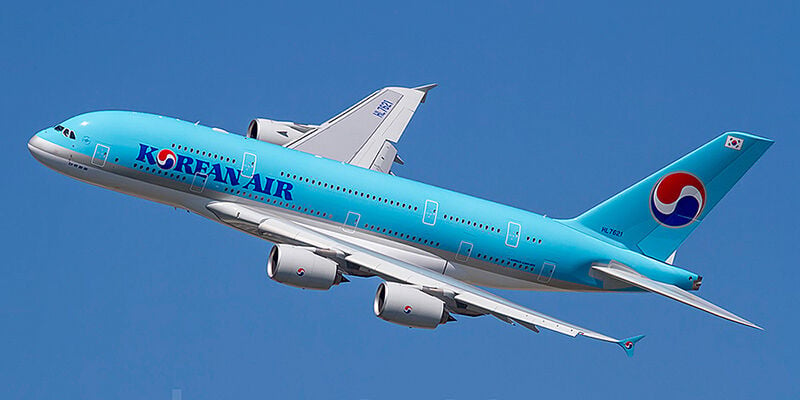
- Korean Air and Asiana boards approved a final merger agreement to integrate both carriers.
- Asiana Airlines will permanently cease operations on December 17, 2026, as a standalone brand.
- The integrated Korean Air will absorb all assets and personnel to become the sole flag carrier.
(SOUTH KOREA) — Korean Air and Asiana Airlines approved a merger agreement that will end Asiana Airlines’ operations on December 17, 2026 and fold the carrier into an integrated Korean Air.
The boards of directors at both airlines approved the deal on May 13, 2026. Formal contract execution is scheduled for May 14, 2026.
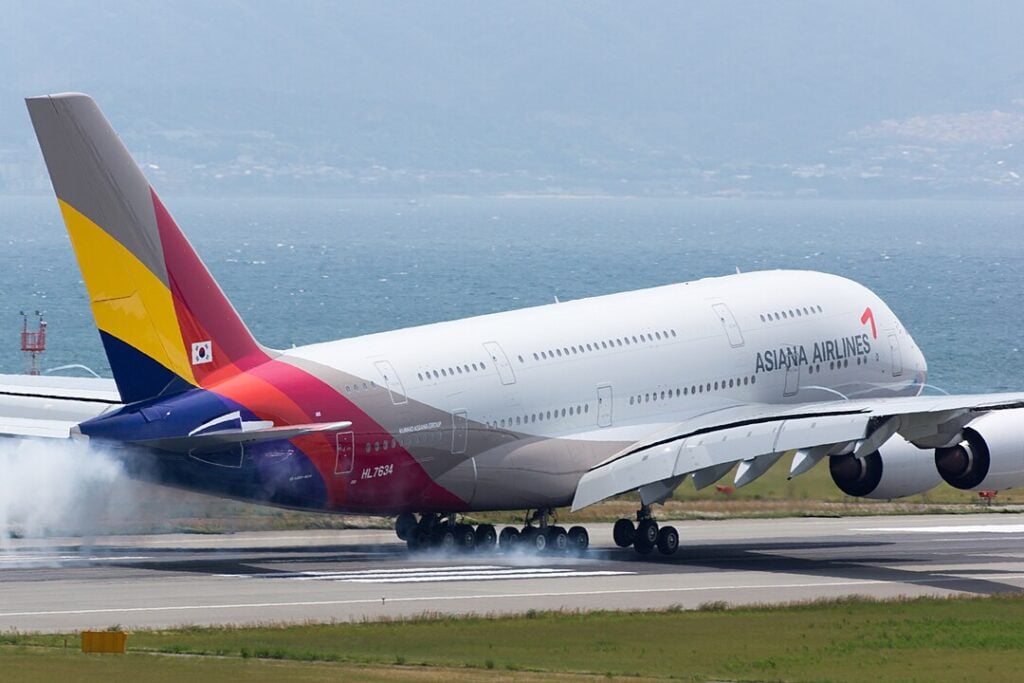
On December 17, 2026, Korean Air will launch as the integrated Korean Air, absorbing all of Asiana Airlines’ assets, liabilities, rights, obligations, and personnel. Asiana Airlines will leave the market completely that day.
The merger caps a consolidation process that began more than five years ago and moved into a decisive stage when Korean Air acquired a 63.88% stake in Asiana in December 2024. The approval this week sets the final timetable for Asiana’s disappearance as a standalone airline.
That timetable is tight and clear. The companies approved the merger agreement on May 13, 2026, plan to sign the formal contract on May 14, 2026, and set December 17, 2026 as the day Asiana stops operating and Korean Air begins flying as a single integrated carrier.
Asiana Airlines, founded nearly 40 years ago, will end its run as a separate brand and company in the market. Korean Air will take over not only aircraft and other assets, but also debts, contractual rights, legal obligations and employees.
The structure of the transaction leaves little ambiguity about the outcome. This is not a partial partnership or a code-share expansion; Korean Air will absorb the entirety of Asiana’s business and workforce.
The result is that Korean Air will become South Korea’s sole integrated flag carrier. That status reflects both the disappearance of Asiana from the market and the transfer of its operations into the combined airline.
Employees sit at the center of one of the merger’s clearest operational effects. Korean Air will absorb Asiana personnel as part of the full transfer, bringing staff from the smaller carrier into the combined company as the integration moves toward the December deadline.
Passengers are likely to watch for changes in branding, routes and service offerings as the transition date approaches. The merger framework points to a single airline identity after December 17, 2026, when Asiana exits and the integrated Korean Air takes over its place in the market.
Regulators and the wider aviation industry will also focus on what a single integrated flag carrier means in practice. The merger concentrates South Korea’s flagship full-service air operations under one airline, ending the long period in which Korean Air and Asiana operated as separate carriers.
The latest board approvals close in on a process that began with Korean Air’s stake purchase in December 2024. That acquisition gave Korean Air control of 63.88% of Asiana and set up the final merger steps now scheduled for this month and for the end of next year.
Little in the announced framework suggests a phased coexistence after the closing date. Asiana will cease operations, and Korean Air will absorb its assets, liabilities, rights, obligations and personnel in full on the same day.
Attention now turns to any regulatory approvals or conditions tied to the merger, along with future announcements on branding and route adjustments. The date that matters most is already fixed: December 17, 2026, when Asiana Airlines disappears and the integrated Korean Air begins operations as South Korea’s sole integrated flag carrier.