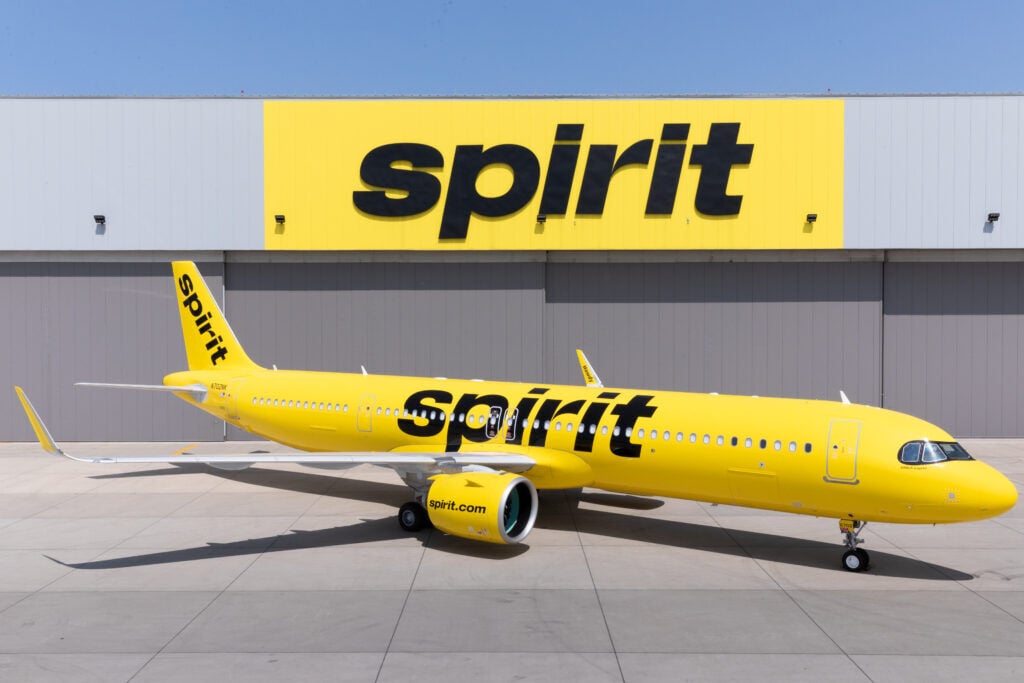
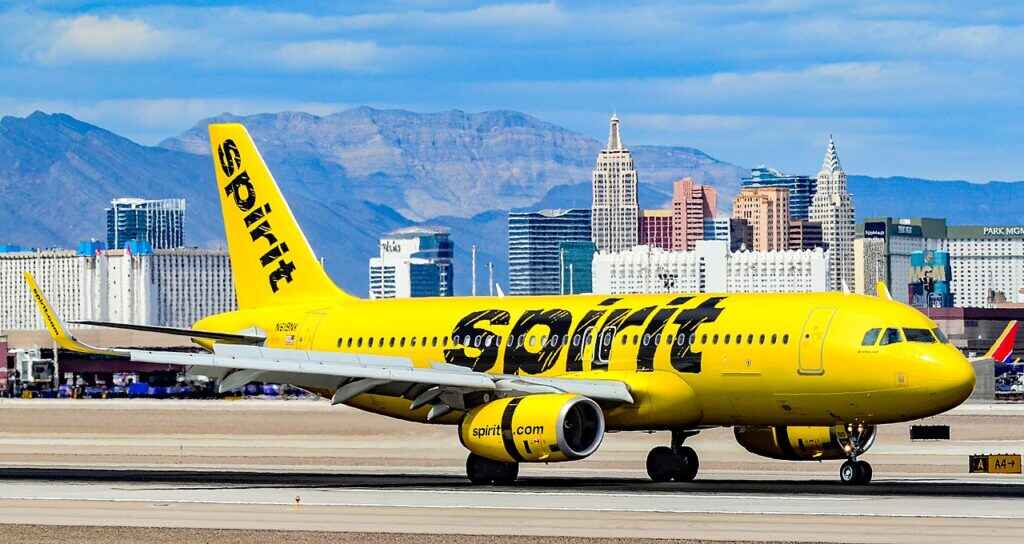
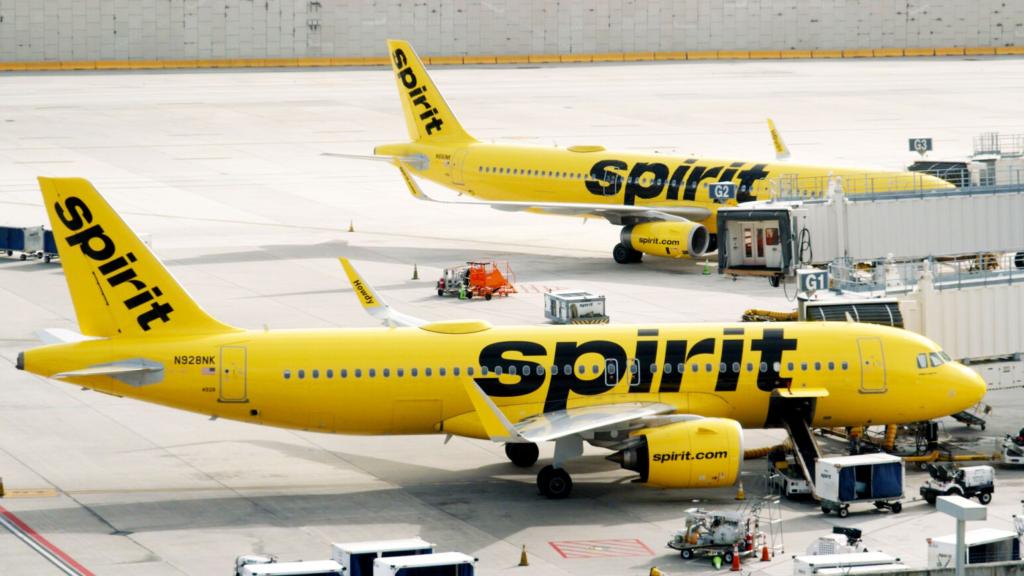
- Former Spirit Airlines employees filed a class-action lawsuit following the carrier’s sudden and permanent shutdown in early May.
- The legal complaint alleges Spirit violated the WARN Act by failing to provide the required sixty-day notice.
- Approximately 17,000 workers lost jobs and benefits overnight after receiving a termination email sent at 3 a.m.
(FLORIDA) — Former Spirit Airlines employees filed a class-action lawsuit on May 12, 2026, accusing the carrier of violating federal labor law after an abrupt shutdown that ended operations and left about 17,000 workers without warning.
The complaint, filed in the U.S. Bankruptcy Court for the Southern District of New York, says Spirit Airlines ceased all operations on May 2, 2026 after 33 years in business and notified employees by email at 3 a.m. that same day.
Free toolUSCIS Receipt Number Decoder
Five Florida-based former employees and one from South Carolina brought the case on behalf of the wider workforce. Attorney Eric Lechtzin, who represents the plaintiffs, confirmed it is the first known employee lawsuit filed against the airline since the closure.
The suit alleges Spirit violated the Worker Adjustment and Retraining Notification Act, known as WARN, which requires employers to provide 60 days of advance written notice before mass layoffs or plant closings. The plaintiffs seek damages equal to 60 days of wages and benefits for the full class of affected workers.
Workers say the shutdown was immediate and total. They lost their jobs, benefits, and access to company systems at once, and the complaint alleges accrued vacation and sick pay remained unpaid while many workers had not received final paychecks.
Spirit told employees it could not provide advance notice because it was “actively seeking capital to avoid these layoffs and closures and notice would have precluded the Company from obtaining the capital needed.” The complaint also says that, as recently as April 16, 2026, management assured employees the airline would continue operations and told them to ignore closure rumors.
The legal challenge followed a collapse that the airline tied to a failed search for emergency financing. Spirit’s shutdown came after failed negotiations for a $500 million federal bailout.
The carrier cited “sudden and sustained rise in fuel prices” caused by the Iran conflict as the primary factor forcing it to stop flying. Financial strain had already followed the company for months.
Spirit had filed for bankruptcy twice since 2024 and again in August 2025. In those proceedings, it disclosed “substantial doubt” about its ability to continue operating.
That sequence now sits at the center of the case emerging in New York bankruptcy court. The employees’ complaint argues that whatever pressure the company faced, federal law still required notice or compensation in place of that notice.
WARN cases often turn on whether an employer can fit within narrow exceptions tied to faltering businesses or unforeseeable business circumstances. Spirit’s explanation, as quoted in the complaint, points to its effort to obtain capital quickly enough to avoid layoffs and closures.
The plaintiffs’ filing casts the company’s conduct differently. By pointing to management’s message on April 16, 2026 and the overnight email sent at 3 a.m. on shutdown day, they argue employees were kept in the dark until the business was already closing.
The timing mattered in practical ways that the complaint spells out through the losses workers say they suffered immediately. Once operations stopped, access to company systems disappeared at the same time as pay and benefits, leaving employees to sort out wages, leave balances, and final compensation after the airline had already gone dark.
Spirit Airlines had long occupied a volatile corner of the U.S. aviation market, and its disappearance was swift. One day the company was telling workers to disregard shutdown rumors; weeks later, the airline had stopped operating entirely.
The lawsuit seeks to turn that sequence into a class-wide claim covering all 17,000 affected workers. If the court agrees, the case would test whether Spirit’s account of its last-minute financing efforts can shield it from liability under WARN, or whether the company will owe former employees the equivalent of 60 days of wages and benefits after the airline’s final overnight message.