- Arizona Dreamers face extreme renewal delays as wait times surged from 15 to 70 days.
- New DHS policy states DACA recipients lack legal status and remain targets for deportation.
- Restored biometric requirements and processing holds have strained work authorizations for thousands.
(ARIZONA) — Arizona Dreamers are waiting longer for DACA renewals as the Trump administration tightens enforcement language, restores biometric appointments, and faces scrutiny over new processing holds that senators say have left some applications in limbo.
Senator Mark Kelly, an Arizona Democrat, said on May 12, 2026 that the average wait time for DACA renewals in the state rose from 15 days at the start of the administration to 70 days by February 2026. He described that as the longest average wait since the program’s 2016 transition to online filing.
Free toolI-94 Expiration Calculator Online
The delays hit a state with about 19,000–20,000 Dreamers, many of whom depend on timely renewals to keep working and driving legally. Once a DACA permit expires, work authorization ends immediately, and that can also trigger the loss of a driver’s license.
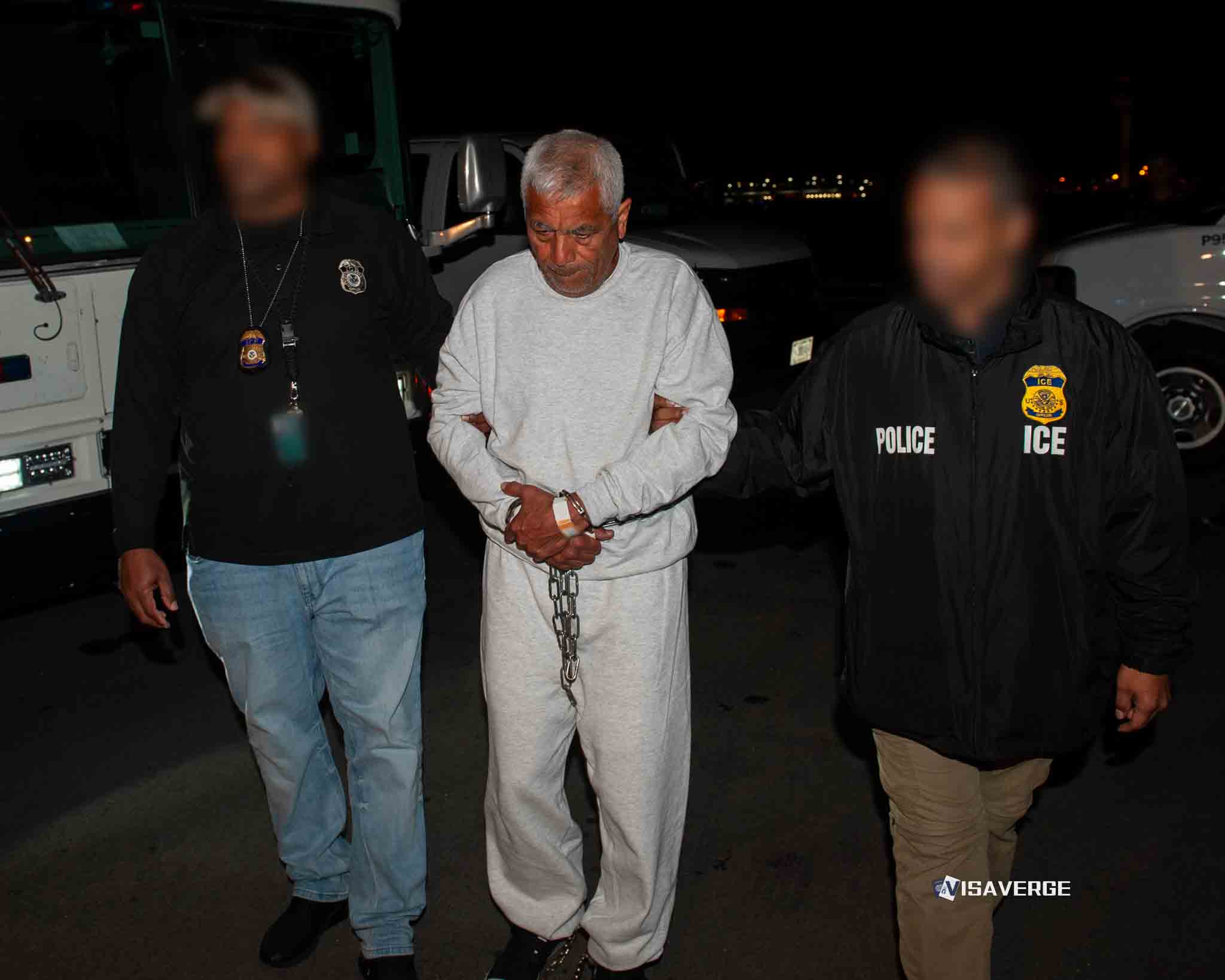
The administration has paired those delays with blunt public statements about enforcement. The Department of Homeland Security said on April 22, 2026, “DACA does NOT confer any form of legal status in this country. Any illegal alien who is a DACA recipient may be subject to arrest and deportation for a number of reasons, including if they’ve committed a crime.”
Tom Homan, President Trump’s border czar, delivered a similar message on May 7, 2026 when asked whether DACA recipients were targets for mass deportation. “If you’re in the country illegally, you’ve got a problem. President Trump said amnesty is off the table, and I support that,” Homan said.
Those statements have landed as the program faces new legal and administrative strain. Senate disclosures said the Board of Immigration Appeals issued a precedent-setting decision on April 24, 2026 holding that “DACA will no longer protect recipients from removal proceedings or deportation.”
DACA, short for Deferred Action for Childhood Arrivals, has for years allowed certain immigrants brought to the United States as children to seek temporary protection from deportation and obtain work permits. The current dispute centers on both protections: whether renewals will move in time to prevent gaps, and whether DACA itself still offers meaningful insulation from enforcement.
USCIS still maintains a median processing goal of roughly 3.5 months for 80% of cases. But legal advocates and law firms said on May 6, 2026 that the agency’s processing times tool now lists a range of 14 to 22 months for `Form I-821D` renewals in certain jurisdictions.
That gap between the agency’s target and the numbers applicants now see has fed alarm in Arizona, where immigration enforcement has long carried extra weight because of the state’s border location and its history of local cooperation with federal authorities. It has also sharpened attention on Dreamer processing times, which recipients and advocates say now shape daily decisions about jobs, school and travel.
Advocacy groups in Phoenix, including Aliento, said DACA recipients are filing renewals as early as eight months in advance, far earlier than the USCIS recommendation of 120-150 days. They described approvals as a “toss-up,” a phrase that captures the uncertainty more than any official timeline does.
Renewing early does not solve every problem. USCIS has fully reinstated in-person biometric appointments, ending the pandemic-era practice of reusing earlier fingerprints, and that has added another step to a process that many applicants once treated as routine.
Senator Dick Durbin said on May 13, 2026 that USCIS is also imposing indefinite processing holds on DACA renewals filed by nationals from 39 countries identified in earlier presidential proclamations, including Afghanistan and Angola. Those cases, he said, are being set aside without a timeline for adjudication.
The effect is not limited to Arizona. Nationwide, the number of active DACA recipients has fallen by about 32,000 over the last year, a drop tied largely to renewal delays and processing holds.
Enforcement data has added to the pressure. DHS reported that between January and November 2025, about 261 DACA recipients were arrested by ICE and at least 86–174 have been deported.
That range reflects an unstable legal and administrative environment rather than a settled policy. DACA recipients still exist within the system, but the government’s recent posture has narrowed the practical distance between having a pending or approved renewal and facing immigration enforcement.
Arizona recipients sit at the center of that pressure because a lapse carries immediate economic costs. Employers can terminate workers when employment authorization expires, and the loss of a license can disrupt commutes in a state where many residents rely on driving to reach work, school and medical appointments.
Those interruptions can start before any formal denial arrives. A renewal that remains pending beyond the expiration date creates a gap in status, even if the applicant eventually receives approval, leaving households to absorb missed paychecks and sudden changes in legal documentation.
The legal picture around work permits has also shifted. In Texas, the Fifth Circuit Court of Appeals ruled in January 2025 that while DACA’s deportation protection might be legal, the program’s employment authorization documents may not be.
That decision has produced a split system in which Dreamers in different states face different levels of risk tied to work authorization. Even where DACA renewals remain available, the value of a renewal changes if the permit attached to it becomes vulnerable in court.
Trump vows to end DACA have hovered over the program for years, but the current administration’s language has moved past campaign framing and into operational policy. DHS no longer describes DACA as a practical shield, and administration officials have made clear that unlawful presence alone remains central to their enforcement view.
That message carries unusual force in a program built on prosecutorial discretion. DACA never created permanent lawful status, but recipients often understood it as a measure of stability while Congress failed to produce a legislative fix.
No such fix has emerged. Instead, applicants face longer waits, more in-person requirements, fresh legal challenges to work permits, and the prospect that even a valid DACA grant may offer less protection in removal proceedings than it once did.
In Arizona, where Kelly’s figures showed the state’s average wait hitting 70 days by February, the practical response has been simple and costly: apply earlier, prepare for gaps, and expect less certainty from a program that once operated on a more predictable cycle. For many Dreamers, the calendar itself has become the most immediate threat.