- USCIS now completes most DACA renewals in about 122 days, up from a 15-day median in fiscal 2025.
- New screening rules, including Operation PARRIS, added biometric and social-media checks to pending immigration cases.
- Renewals now cost $555 online or $605 by mail, while delayed cases can disrupt jobs and licenses.
(UNITED STATES) — U.S. immigration officials have slowed DACA renewal processing under a security-first policy shift that USCIS says relies on enhanced vetting, leaving many recipients waiting months for decisions on work permits and deportation protections.
As of late April 2026, USCIS reported that the majority of DACA renewal requests were being completed in approximately 122 days. That marked a sharp increase from the 15-day median reported in fiscal year 2025.
Free toolI-94 Expiration Calculator Online
Federal officials tied the longer timeline to broader screening changes across the immigration system. The delays have placed many Deferred Action for Childhood Arrivals recipients in legal limbo as pending renewals stretch well beyond earlier processing norms.
Zach Kahler, a spokesperson for USCIS, said on May 1, 2026, “Under the leadership of President Trump, USCIS is safeguarding the American people by more thoroughly screening and vetting all aliens, which can lengthen processing times.” He added: “Any illegal alien who is a DACA recipient may be subject to arrest and deportation for a number of reasons—including if they committed a crime.”
Joseph Edlow, director of USCIS, described the backlog on April 20, 2026, as a consequence of that policy change. “I consider this to be short-term pain, which is going to really lead to long-term gain in the fair and proper processing of immigration,” Edlow said.
DHS Secretary Markwayne Mullin signaled the same approach after his confirmation on March 24, 2026. “My first priority is to get the Department funded. As the Secretary of Homeland Security, I look forward to continuing President Trump’s mission to safeguard the American people and defend the homeland,” Mullin said.
The current wait times built on a rise that had already appeared earlier in the fiscal year. The median delay of 70 days recorded between October 2025 and February 2026 was the longest since 2016.
Internal memorandums from December 2025 and January 2026 instructed staff to place holds on applications from nationals of 39 “high-risk” countries listed in Presidential Proclamations 10949 and 10998. Those holds added another layer to a system already processing renewals more slowly than in prior years.
USCIS also formalized a new vetting framework in May 2026 known as Operation PARRIS. The program synchronizes biometric, social-media, and financial-network checks with the FBI for all pending immigration cases.
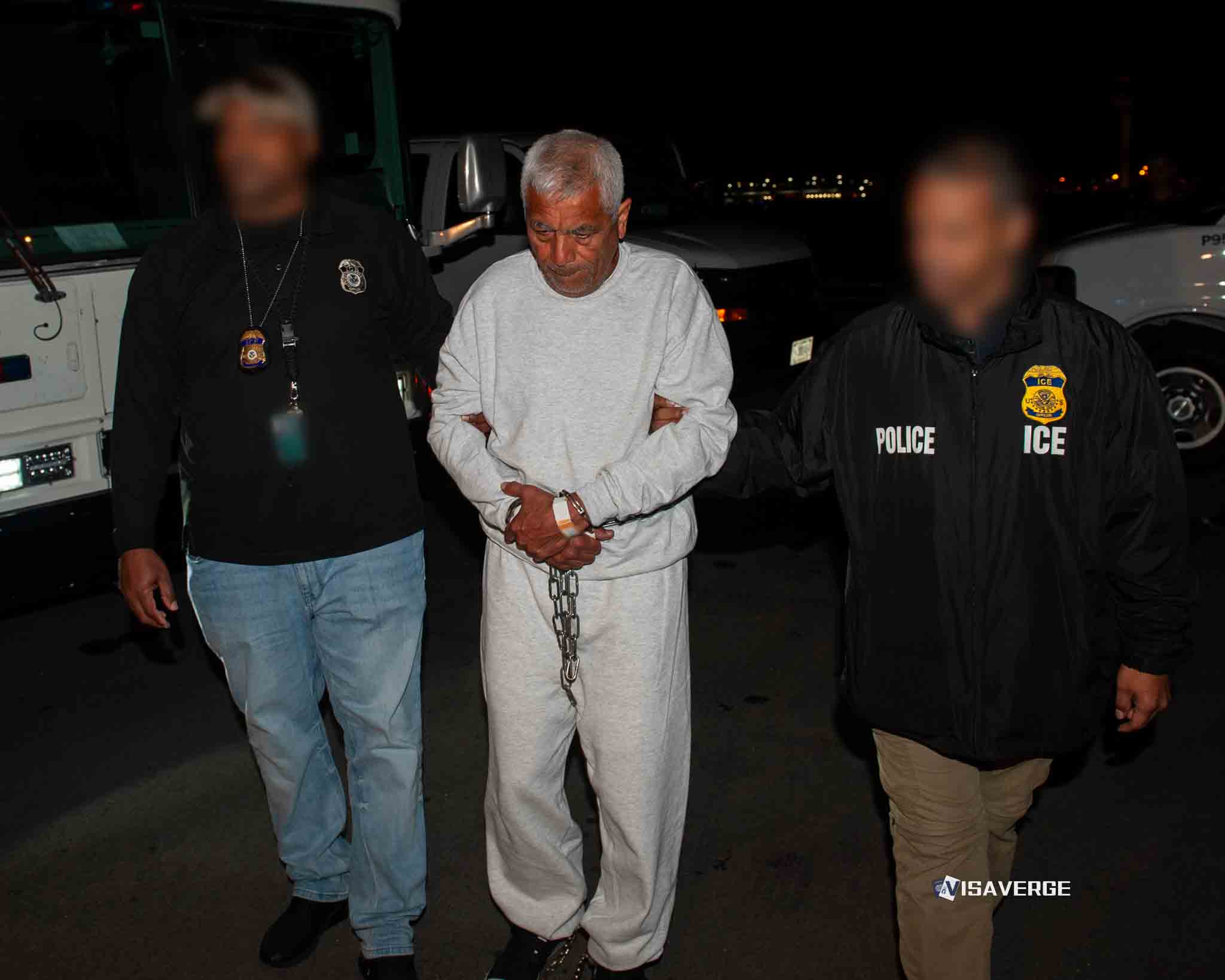
The changes reach beyond paperwork speed. Then-Secretary Kristi Noem reported in early 2026 that over 250 DACA recipients were arrested and 86 deported in the first 11 months of 2025, primarily citing “criminal histories.”
A new law has also raised the cost of staying in the program. The One Big Beautiful Bill Act, or H.R. 1, signed on July 4, 2025, increased DACA renewal fees to a minimum of $555 (online) or $605 (mail) and removed several previously available fee waivers.
That fee increase arrived as recipients faced a narrower margin for delay. USCIS has begun shortening the validity of Employment Authorization Documents from two years to one year for certain categories so the agency can run more frequent background checks.
The legal protection tied to DACA has also grown less secure for people whose renewals lapse or stall. A recent Board of Immigration Appeals decision determined that DACA status alone is not sufficient to stop a deportation proceeding.
That ruling has practical consequences when a renewal stays pending for months. A recipient whose status expires during administrative processing can lose the benefit that once lowered the risk of removal while the case remained unresolved.
Across the country, thousands of Dreamers have reported losing jobs after their work permits expired before USCIS finished adjudicating their renewals. Employers that require current work authorization cannot keep workers on payroll once that authorization lapses.
Many recipients also lose state driver’s licenses and professional credentials when their status expires. In some states, those documents track the federal expiration date and end automatically when work authorization runs out.
Routine encounters with law enforcement now carry higher stakes for some recipients with expired DACA protections. People who filed renewals on time but remain in administrative processing have still faced detention after status lapses.
The pressure falls hardest on recipients whose renewals once moved quickly enough to avoid interruptions in employment. Under a 122-day completion period, a gap of several months can separate the expiration of an existing permit from the arrival of a new one.
DACA, created to defer removal for certain immigrants brought to the United States as children, has long depended on regular renewals to preserve work authorization and temporary protection. Slower adjudications do not end the program on paper, but they alter how it functions in daily life.
Recipients trying to track their cases can review USCIS DACA Litigation Information, monitor updates from the DHS Newsroom, and check USCIS Case Processing Times. Those pages now sit at the center of a program where timing has become as consequential as eligibility.