- The Justice Department is targeting underperforming immigration judges to accelerate deportations amid a 3.7 million case backlog.
- Over 100 judges have been fired, reducing active bench numbers to 557 despite a new cap of 800.
- Critics warn that prioritizing speed erodes due process protections and creates a climate of fear within the courts.
(PHOENIX, ARIZONA) — Acting Attorney General Todd Blanche said on May 6, 2026 that the Justice Department is targeting immigration judges it considers too slow or not following the law, part of President Trump’s push for faster deportations as the immigration court backlog reaches 3.7 million cases.
Blanche made the announcement in Phoenix as the administration presses the Executive Office for Immigration Review, the Justice Department office that runs the courts, to move cases more quickly. The effort places immigration judges at the center of a wider enforcement drive that pairs court changes with arrests, detention spending and expanded fast-track removals.
Free toolUSCIS Receipt Number Decoder
During Trump’s second term, EOIR has removed dozens of immigration judges, with more than 100 firings reported since January 2025. By December 31, 2025, the end of the first quarter of fiscal year 2026, EOIR had 557 active permanent immigration judges, down from 735 at the end of fiscal year 2024, a net loss of 178.
That drop came as the administration argued some judges approved too many asylum cases or failed to meet performance standards. Blanche said the government is replacing them and defended the hiring push financed by the One Big Beautiful Bill Act, signed in 2026, which raised the immigration judge cap to 800 and authorized 10,000 new ICE officers.
“We have a very rigorous process to get people interviewed, approved, and then trained up. And then we’ll watch them,” Blanche said.
Immigration courts occupy a different place in government than federal trial courts. Unlike Article III judges, who hold lifetime appointments, immigration judges work in the executive branch and the attorney general can remove them with fewer procedural restraints under 8 CFR § 1003.10.
The administration’s argument for speed lands in a system already strained by volume. More than 900,000 cases were completed in fiscal year 2024, yet the backlog remained above three million, and some hearings are already scheduled into 2027.
Former judges and lawyers said the removals are reshaping how that pressure is felt inside courtrooms. Ted Doolittle, a fired judge from the Hartford immigration court who was terminated in September 2025, described a “climate of fear” and said the dismissals have politicized the system.
Doolittle said the current hiring target will not catch up with arrest volumes. “If you really wanted to get the backlog down in a reasonable time, say two or three years, you should be talking about between two and 3,000 judges,” he said.
Critics said the push for faster deportations risks moving cases faster on paper while slowing access to hearings in practice. As experienced judges leave and new judges take the bench, asylum denial rates have risen, and opponents of the policy said due process protections are eroding.
The American Immigration Lawyers Association put that argument sharply in a fall 2025 policy brief. “Unfortunately, the Trump Administration is systematically dismantling due process protections in U.S. immigration courts, prioritizing speed and enforcement over fairness, accuracy, and fundamental justice,” the group said.
Acacia Justice Center reached a similar conclusion, saying the “hollowing out” of experienced judges risks compromising due process. The warning reflects a basic tension in the court system: judges can complete more cases, but each removal from the bench also reduces immediate capacity in a docket already overloaded.
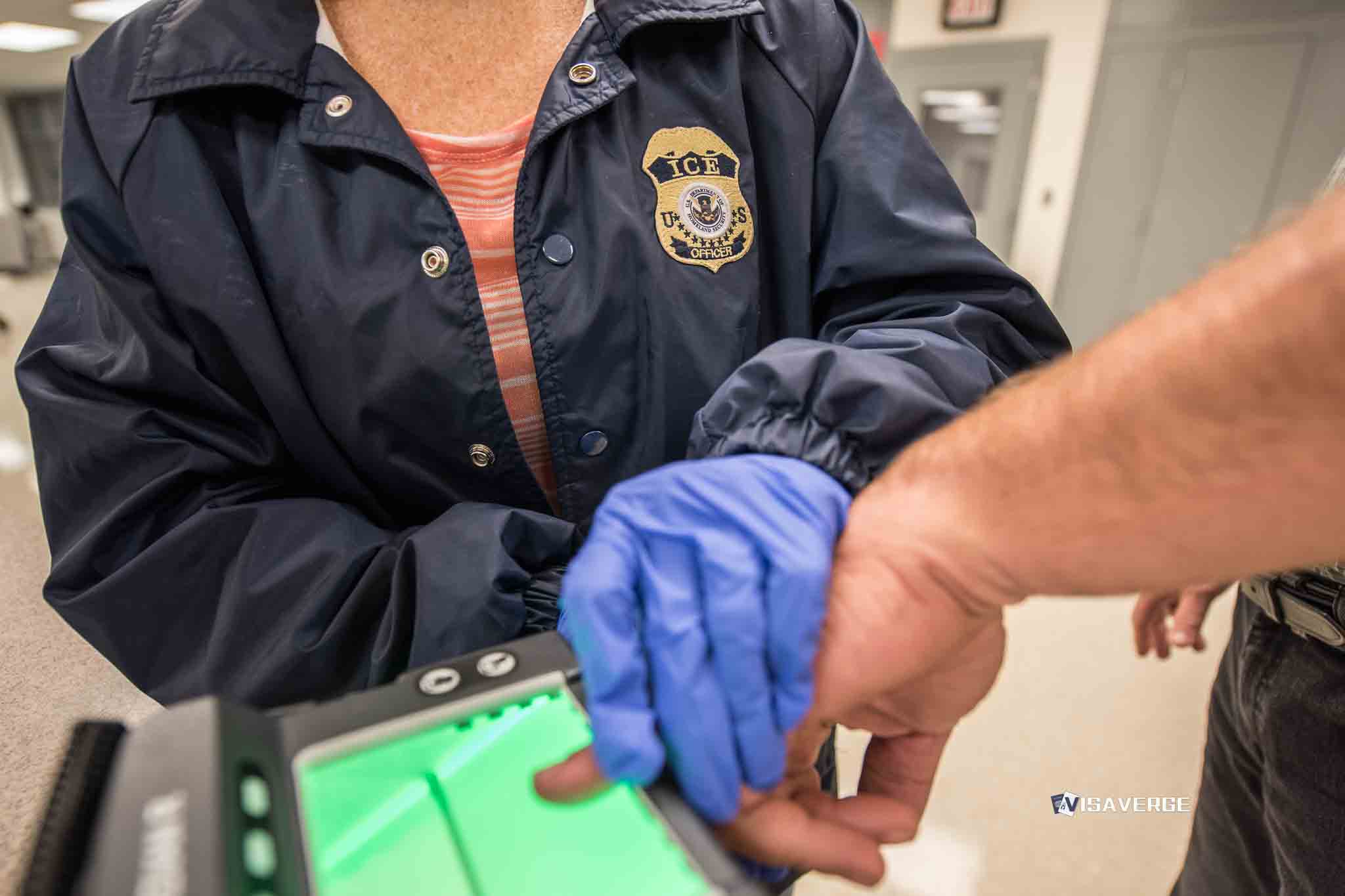
Inside the courts, the personnel changes have unfolded alongside a broader set of enforcement tools. The administration has issued memos directing judges to align with enforcement priorities, expanded expedited removal under INA § 235(b), and used masked officers to handcuff migrants at closed asylum hearings.
Expedited removal allows deportations without full hearings in many cases. That power, long used at the border, has taken on new weight as the administration seeks to shorten the path from arrest to removal.
Some of those efforts have already met resistance in federal court. In Make the Road New York v. Noem, a judge blocked a Trump fast-track deportation policy after an ACLU lawsuit, halting certain expedited removals while the case proceeds.
The blocked policy centered on courthouse arrests by ICE, where migrants could be taken into custody and placed on a quick deportation track without full hearings. Its implementation has varied by circuit, and separate challenges continue in federal districts including Washington and New York.
Those court fights run parallel to the administration’s funding surge for enforcement in fiscal year 2026. The package cited by supporters totals $170 billion, including $45 billion for detention, and sits alongside nationwide raids and Homeland Security Task Forces operating in all 50 states.
Money for detention and arrests can increase the number of people entering the removal system far faster than judges can process them. Even with the cap now set at 800, EOIR remains well below that level, and the current bench is smaller than it was at the end of fiscal year 2024.
That imbalance has sharpened concern among lawyers and former judges who said the administration is using staffing decisions to pressure court outcomes. They point to the removal of judges, rising asylum denials, and directives tied to enforcement goals as signs that independence inside the system is narrowing.
Administration officials have framed the changes differently, saying they are enforcing standards and replacing underperforming judges while building a larger corps through new hiring. Blanche’s remarks in Phoenix cast the effort as both a personnel review and a management project, with new judges screened, approved and monitored after they join the bench.
Whether that approach reduces the backlog remains unsettled inside the numbers already available. EOIR completed more than 900,000 cases in one fiscal year and still carried a backlog in the millions, while Doolittle’s estimate placed the staffing need at between 2,000 and 3,000 judges to bring the docket down within two or three years.
In the meantime, immigration judges face tighter scrutiny from the Justice Department as the administration tries to speed removals across the system. The result is a court network with fewer experienced judges, more pressure to move cases quickly, and a backlog that still stretches years into the future.