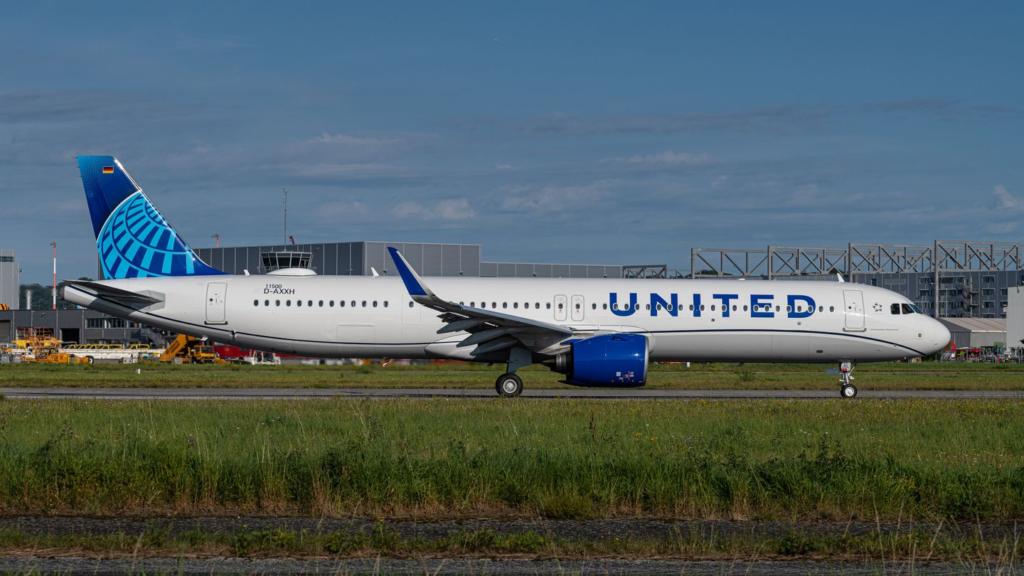
- EU Transport Commissioner rules that high fuel prices are commercial decisions, not extraordinary circumstances for flight cancellations.
- Airlines must pay up to €600 compensation if they cancel routes due to unprofitability within 14 days of departure.
- A clear distinction exists between commercial price increases and actual physical fuel shortages at departure airports.
(EUROPEAN UNION) — EU Transport Commissioner Apostolos Tzitzikostas clarified in April 2026 that airlines must pay passengers financial compensation for flight cancellations caused by high jet fuel prices, saying those decisions do not qualify as extraordinary circumstances under Regulation (EC) No 261/2004.
Tzitzikostas said “a simple increase in fuel prices does not constitute an extraordinary circumstance” and “flight cancellations due to high prices do not necessarily qualify as extraordinary circumstances.” The clarification draws a line between an airline’s commercial decision to cut an unprofitable route and a disruption outside its control.
Free toolSchengen Short-Stay Visa Calculator
Under that approach, an airline that cancels because elevated fuel costs make a route unprofitable must offer a full ticket refund and, in many cases, standardized financial compensation. The amounts are set at €250 for flights under 1,500 km, €400 for flights between 1,500 km and 3,500 km, and €600 for flights over 3,500 km, if the airline notifies passengers less than 14 days before departure.
The clarification came during the 2026 jet fuel crisis triggered by the Strait of Hormuz closure, which sharply increased prices. The disruption was described as the largest aviation capacity shock since COVID-19.
European Commission guidance distinguishes between high fuel costs and a physical fuel shortage at the departure airport. That distinction determines whether compensation is owed in addition to refunds and assistance.
If a carrier cancels because fuel has become too expensive and the route no longer makes financial sense, the cancellation remains a commercial choice. Passengers in that case are eligible for a refund, airport assistance and compensation under the EC 261 framework.
A physical jet fuel shortage at the departure airport is treated differently. In that case, passengers remain entitled to a refund and assistance, but not compensation, because the event falls under extraordinary circumstances.
The assistance obligation applies alongside any refund. Airlines must provide meals, a hotel if an overnight stay becomes necessary, and 2 free calls or emails.
Carriers also must process cash refunds within 7 days for any cancellation, regardless of the cause. Vouchers are optional and can be used only if passengers choose them.
The notice period still matters. Airlines that cut schedules 14+ days before departure avoid compensation liability entirely, even though refund obligations continue.
Tzitzikostas’s clarification reinforces a core principle in Regulation (EC) No 261/2004: passenger rights remain enforceable even when fuel markets swing sharply. The European Commission guidance says airlines are expected to hedge fuel price risks, which means profit-based decisions stay within their control.
That principle also extends beyond fuel prices themselves. The same framework treats airline mismanagement, including stock issues or supplier debts, as matters within the carrier’s control, meaning passengers remain entitled to a refund, assistance and compensation.
Passengers seeking compensation will need the reason for the cancellation in writing. Airlines must provide written confirmation of the cancellation reason, a step that can determine whether a disruption stemmed from high fuel costs, which keeps compensation in play, or from a physical shortage at the airport, which blocks it.
The practical effect is straightforward in the current fuel crisis. A route cut because fuel prices surged still triggers financial compensation of €250 to €600 if notice came less than 14 days before departure, while a cancellation caused by an actual lack of fuel at the airport does not. In both cases, passengers keep the right to a cash refund within 7 days and to assistance during the disruption.
The guidance leaves airlines with little room to treat higher operating costs as an escape from EC 261 duties. If a carrier cancels because the flight no longer pays, the decision remains commercial, and the bill for that decision falls on the airline rather than the passenger.