- USCIS DACA renewal delays have reached a median of 70 days, causing widespread loss of work authorization.
- Over 500,000 beneficiaries face disruptions in employment, driver’s licenses, and legal protection from deportation.
- Delays are driven by expanded biometric screening requirements and new FBI fingerprint matching protocols in 2026.
(UNITED STATES) — U.S. Citizenship and Immigration Services has allowed DACA renewal delays to stretch to a median of 70 days, nearly five times longer than in fiscal year 2025, leaving recipients without work permits, jobs, driver’s licenses and protection from immigration arrest.
As of late April 2026, USCIS reported that most renewals took about 122 days. Advocates put the real backlog closer to 120 days, a gap that has left hundreds of thousands of people waiting while their current protections expire.

The slowdown has reached more than 500,000 beneficiaries. Once a DACA renewal falls behind, employment authorization can lapse, state-issued driving privileges can disappear, and people who had protection from deportation can face ICE detention and removal proceedings.
USCIS has tied the bottlenecks to expanded biometric screening required by recent executive orders. The agency also added new FBI fingerprint matching to the renewal process, inserting another step into cases that already depended on narrow filing windows.
Policy memos issued after presidential proclamations also paused renewals for nationals from dozens of “high-risk” countries. The National Immigration Law Center estimated that those country-specific holds affect 3,000 to 4,000 people.
Those delays mark the worst disruption since 2016, when technical glitches during an electronic system transition caused similar problems. This time, the pressure comes from security screening changes rather than a system conversion, but the result for DACA recipients has looked familiar: applications pending past expiration dates and protections vanishing while cases remain in line.
DACA renewal timing has always carried unusual stakes because the program’s benefits sit on a fixed clock. A delayed approval does not simply postpone paperwork; it can interrupt legal work, trigger employer compliance problems, and expose people to enforcement action the day prior authorization ends.
Sutterville Cruz Lopez became one of those cases after filing on October 6, 2025. Her permit expired on February 14, 2026, and she was left unemployed after more than four months of waiting for a decision.
A mother of three in Nevada also lost her job after her DACA lapsed despite filing on time. Her case reflected the same pattern now appearing across the program: applicants who followed the rules still lost the right to work because adjudications outlasted the protections they already held.
The labor effects reach beyond the applicants themselves. Once employment authorization expires, employers face I-9 compliance risks if a worker remains on payroll without valid documents, and businesses can lose trained staff with little notice.
Driver’s licenses can fall away at the same moment. In states that tie license validity to immigration authorization, a delayed DACA renewal can shut off a person’s legal ability to drive to work, take children to school, or maintain daily routines that depended on a valid card and an unexpired permit.
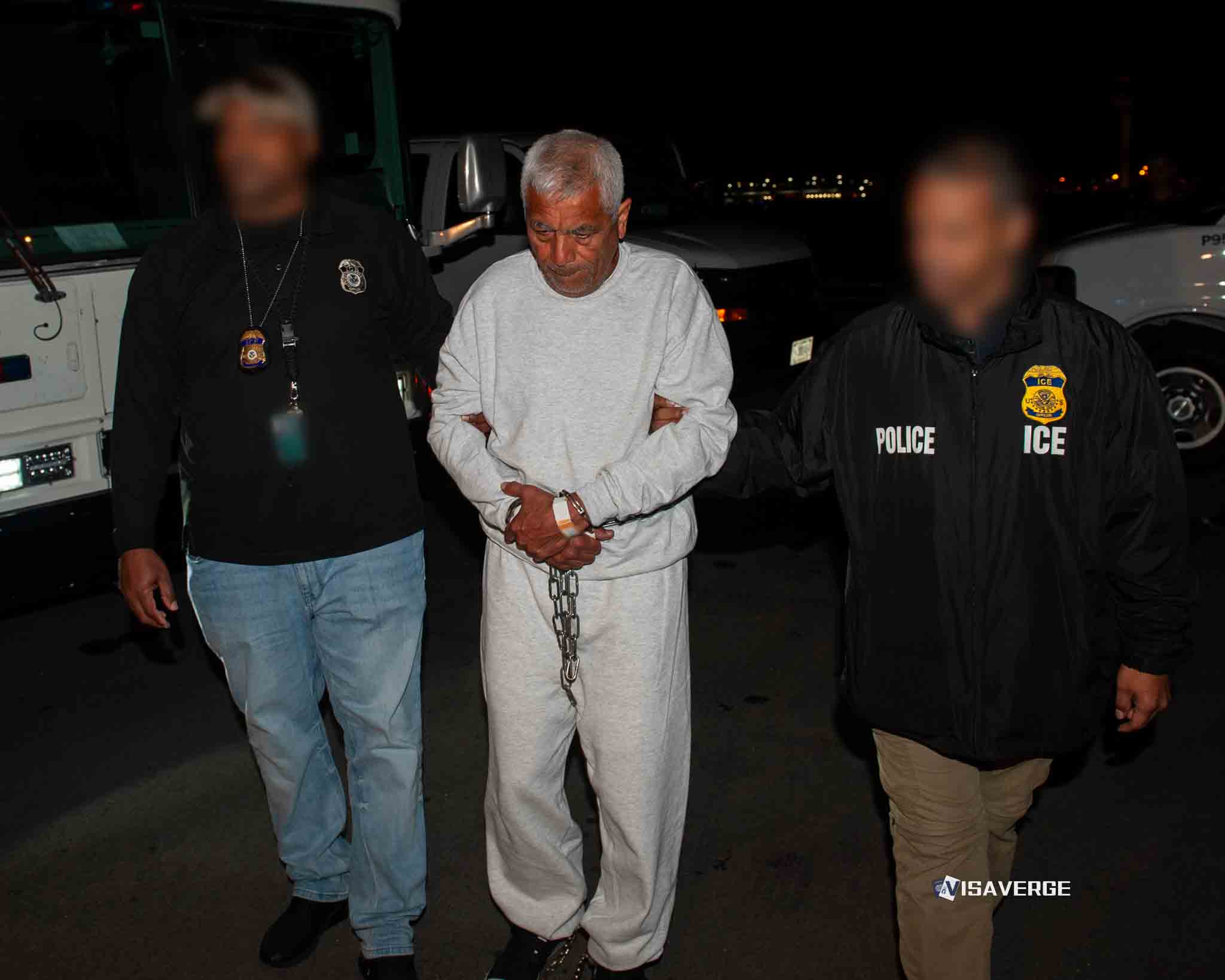
The immigration consequences are sharper. Expired DACA removes protection from deportation, opening the door to ICE detention and the start of removal proceedings against people who had lived and worked under that shield.
Greisa Martinez Rosas, executive director of United We Dream, described the disruption as the largest since the problems of 2016. Her assessment matched the scale suggested by the numbers: more than 500,000 people in a program where a processing slowdown can alter employment, mobility and legal status at once.
USCIS has said the current backlog stems from the expansion of biometric screening. The agency expects full FBI database automation later in summer 2026, a change it says should reduce queues by speeding the matching and review now slowing many renewals.
That timetable offers little immediate relief to people whose documents are already nearing expiration. A case pending for about 122 days can outlast the remaining validity on a work permit even for applicants who filed months ahead, especially after processing times rose by two weeks in late April 2026 from earlier that same month.
Senator Alex Padilla, Democrat of California, has led demands for answers from the Department of Homeland Security, arguing that the delays threaten both the workforce and public safety. His intervention reflects pressure from employers and immigrant advocates who say lapses in authorization force workers off the job while creating avoidable instability in communities that depend on them.
The filing guidance has grown more urgent as the backlog widens. Applicants are being told to submit a DACA renewal 120-180 days before expiration, a much earlier timeline than many families previously used when adjudications moved faster.
Employers, meanwhile, have been urged to audit expiration timelines and plan for interruptions before they happen. Temporary leave or remote work can reduce disruption in some cases, though neither option restores lapsed employment authorization once a permit expires.
The delays have also revived an old limitation of the program: first-time DACA applications remain blocked by court order. That leaves the system split in two, with current recipients waiting longer to preserve protections they already had and new applicants still unable to enter the program at all.
Country-specific pauses add another layer of uncertainty. Nationals swept into the “high-risk” hold category face a delay that differs from the general backlog, and the National Immigration Law Center’s estimate of 3,000 to 4,000 people suggests that a subset of applicants confronts not just slower processing, but a policy stop tied to nationality.
The practical effect of that combination is visible in ordinary deadlines. A permit expiration date can terminate work. A lapsed approval can invalidate a license. A missed renewal window can strip away the deportation protection that had allowed someone to live openly in the United States under DACA.
Advocates’ estimate of a true backlog closer to 120 days also points to a mismatch between the formal median and what many applicants experience. In a system where work authorization expires on a set day, even a modest increase can carry real consequences; a wait of four months can cost a job before the government reaches the file.
The latest slowdown has therefore turned a routine renewal cycle into a period of legal and economic exposure for many “Dreamers.” With USCIS pointing to FBI automation later in summer 2026, recipients and employers are left working against a calendar that has moved faster than the agency’s current pace.