- Median DACA renewal processing times jumped to 122 days in 2026, causing widespread employment gaps.
- USCIS attributes the delays to tougher screening and vetting measures under new administration policies.
- Recipients face increased filing fees of up to $605 without the benefit of automatic work permit extensions.
(UNITED STATES) — U.S. Citizenship and Immigration Services has pushed median DACA renewal processing times from 15 days in fiscal year 2025 to 122 days as of May 1, 2026, a shift that has left recipients waiting about four months for decisions and, in many cases, losing work permits before renewals are approved.
The agency has tied the slowdown to tougher screening rules. Zach Kahler, USCIS spokesperson, said on May 1, 2026, “Under the leadership of President Trump, USCIS is safeguarding the American people by more thoroughly screening and vetting all aliens, which can lengthen processing times. DACA does not confer any form of legal status in this country. Illegal aliens claiming to be recipients of DACA are not automatically protected from deportation.”
Free toolI-94 Expiration Calculator Online
Another agency statement used nearly identical language weeks earlier. Matthew Tragesser, USCIS spokesperson, said on March 17, 2026, “USCIS is safeguarding the American people by more thoroughly screening and vetting all aliens, which can lengthen processing times.”
Current processing data for `Form I-821D` marks the longest DACA renewal wait since 2016. USCIS also said in a March 30, 2026 policy update that it had “established procedures to lift benefit processing holds” for certain groups, while many other cases remained under review because of “Strengthened Screening and Vetting” measures.
The delays matter immediately for employment. DACA recipients do not receive an automatic 180-day extension of work permits while a renewal remains pending, unlike some other categories of employment authorization.
Once an employment authorization document expires, legal work authorization ends at once if USCIS has not finished the renewal. That has put DACA recipients in a narrower position than asylum applicants or green card applicants who can keep working during some renewal periods.
USCIS has expanded “Operation PARRIS,” short for Post-Admission Refugee Reverification and Integrity Strengthening, to include intensive re-vetting of DACA recipients. The review includes rerunning fingerprints through the FBI’s Next Generation Identification system and conducting social-media and financial-network audits.
Some applicants face an added barrier before an officer reaches the merits of a case. USCIS has placed automatic holds on DACA renewals for individuals from 39 countries designated as high-risk under Presidential Proclamations 10949 and 10998.
Filing now costs more as well. Under the One Big Beautiful Bill Act, signed into law on July 4, 2025, DACA renewal fees rose to $555 for online filings and $605 for mail-in applications, and fee waivers for those categories were eliminated.
That combination, longer waits and higher filing costs, has hit workers whose permits expire on the normal schedule while cases sit pending. The affected jobs, according to the information released, include positions in healthcare, education, software engineering and other sectors that depend on uninterrupted work authorization.
Driver’s licenses are also at risk in many states because a valid Employment Authorization Document is required to keep or renew a license. When DACA status lapses, license suspensions can follow even if the renewal filing is already with USCIS.
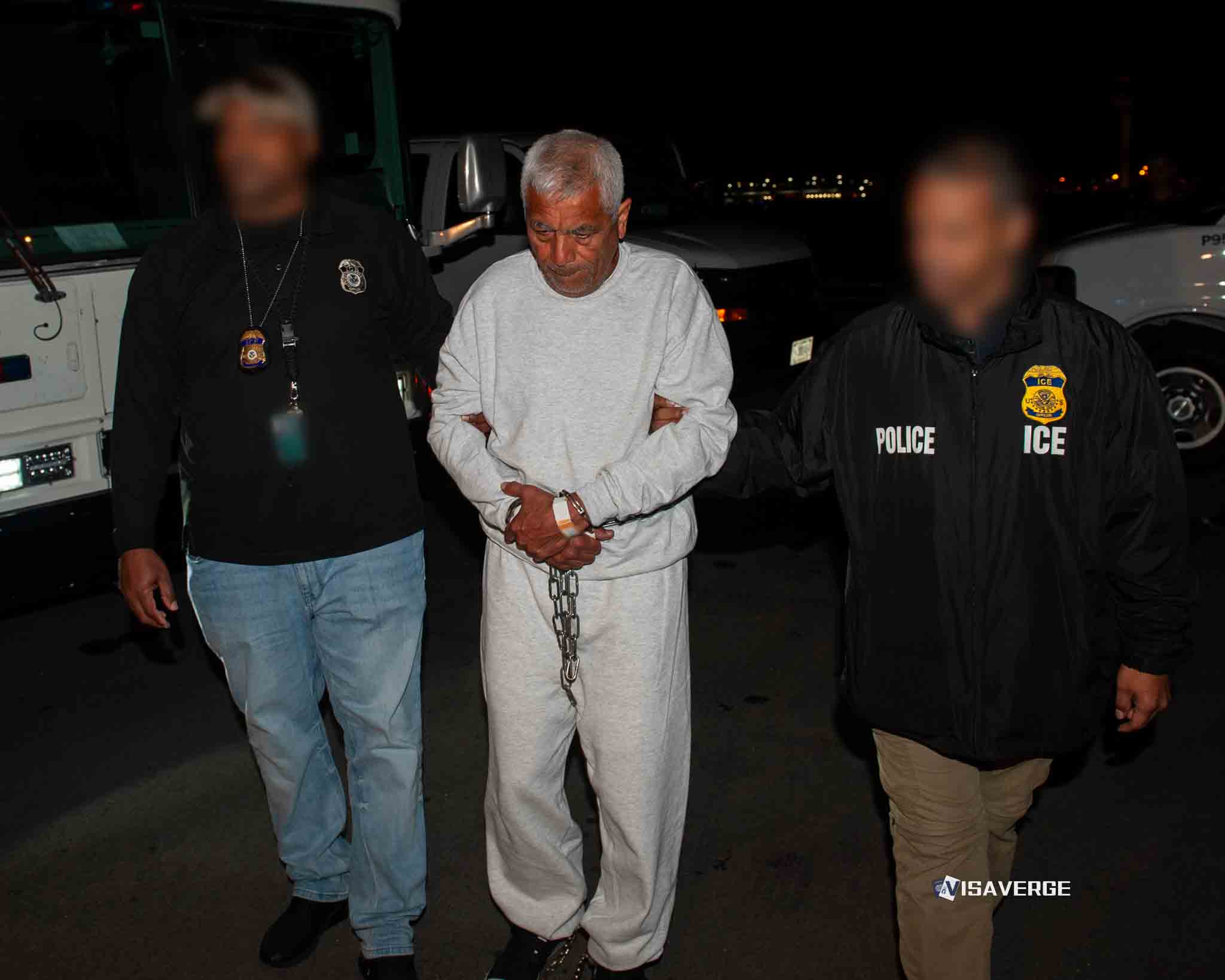
DHS data cited for early 2026 showed roughly 270 DACA recipients were arrested and 174 were deported in 2025, often after their status lapsed during renewal delays. Kahler’s statement underscored that point, saying DACA recipients are not automatically protected from deportation.
The agency’s public language places the slowdown inside a broader maximum-vetting posture across immigration benefits. USCIS has framed the longer turnaround not as a backlog spike caused by staffing or filing volume, but as the result of deliberate policy choices on review and re-vetting.
That approach leaves DACA recipients with less room for timing errors than many other applicants. Filing months before expiration reduces the chance that a worker will fall out of status while waiting, but the current median of 122 days means even early filers can run into the end date on an existing permit.
USCIS tracks the program on its Consideration of Deferred Action for Childhood Arrivals page, while broader department statements appear in the DHS newsroom. Legislative pressure has also surfaced through a Senate inquiry dated March 19, 2026 and materials tied to the House Committee on Rules and H.R. 1, the One Big Beautiful Bill Act.
The practical effect has been a sharper break between a pending DACA renewal and the right to remain on the job. With fees now at $555 online or $605 by mail, no waiver available, and no automatic extension of work permits, the delay itself has become the deciding event for many recipients whose livelihoods depend on a card arriving before the old one expires.