- Aviation hubs face over 21,000 flight cancellations following strikes on major Gulf airports and airspace.
- Major carriers including Emirates and Qatar Airways suspended regional operations due to security risks.
- The conflict caused global travel disruptions, impacting Asia-Europe routes and spiking operational costs.
(DUBAI, UAE) — Airlines suspended routes and canceled flights across the Gulf after US-Israeli strikes on February 28 triggered the 2026 Iran war and set off a wave of retaliatory attacks that hit major airports including Dubai International Airport.
The conflict upended aviation plans within hours, as carriers relied on risk models and fast-changing notices to airmen to decide which routes remained viable, while also factoring crew duty-time limits, insurance constraints and overflight exposure.

By early March, the disruption had produced over 21,000 flight cancellations, with over 4,000 flights canceled daily in Gulf markets including the UAE, Qatar, Kuwait and Bahrain, leaving hundreds of thousands of passengers stranded and forcing airlines to rework schedules flight by flight.
Airlines reacted quickly in part because even small shifts in airspace availability can break tightly timed networks, especially on long-haul routes where crew legality, aircraft rotations and maintenance plans assume predictable corridors and connection “banks” through hub airports.
In the days after February 28, multiple states in the region closed or restricted airspace, emptying Iran’s skies of civilian aircraft and pushing international traffic into narrower lanes that carriers considered safer.
Those closures typically take shape through NOTAMs, temporary flight restrictions and military activity that can make entire flight information regions unusable or uncertain for civilian operators, prompting last-minute reroutes and precautionary cancellations.
The squeeze hit Asia–Europe journeys hard because many itineraries rely on Gulf hubs to link east-west flows, and because alternatives can require longer legs, payload limits, refueling stops and missed connections that cascade across an airline’s global timetable.
Gulf hubs are sensitive to multi-airspace constraints because connecting volumes are high and options narrow when several neighboring jurisdictions restrict access at the same time, intensifying congestion on remaining corridors and complicating air traffic control sequencing.
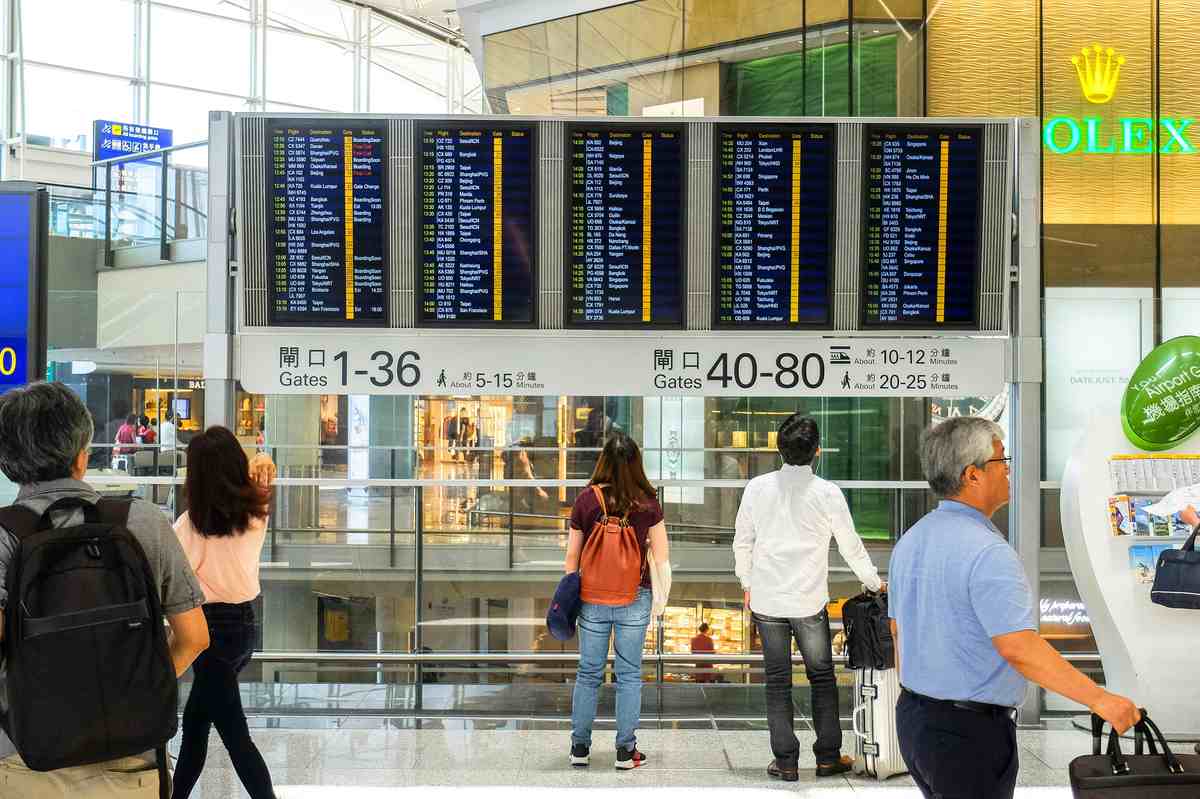
For travelers, the effect showed up as rolling flight cancellations and rebookings that shifted from hour to hour, with delays feeding into the next day as aircraft and crews ended up in the wrong places for planned departures.
That daily churn compounded the total, as airlines worked to reposition planes, swap crews and trim schedules, while temporarily suspending some routes rather than risk repeated disruptions and costly misconnects.
The list of affected airspaces spanned several Gulf states and nearby countries, reflecting how widely the conflict’s risk spread across the region’s core overflight paths and making it difficult for passengers to route around trouble while still reaching major hubs.
Damage on the ground added another layer of disruption when Iranian strikes hit Dubai International Airport (DXB) and Abu Dhabi airports, creating operational constraints that differed from airspace closures and could slow recovery even after rerouting options reopened.
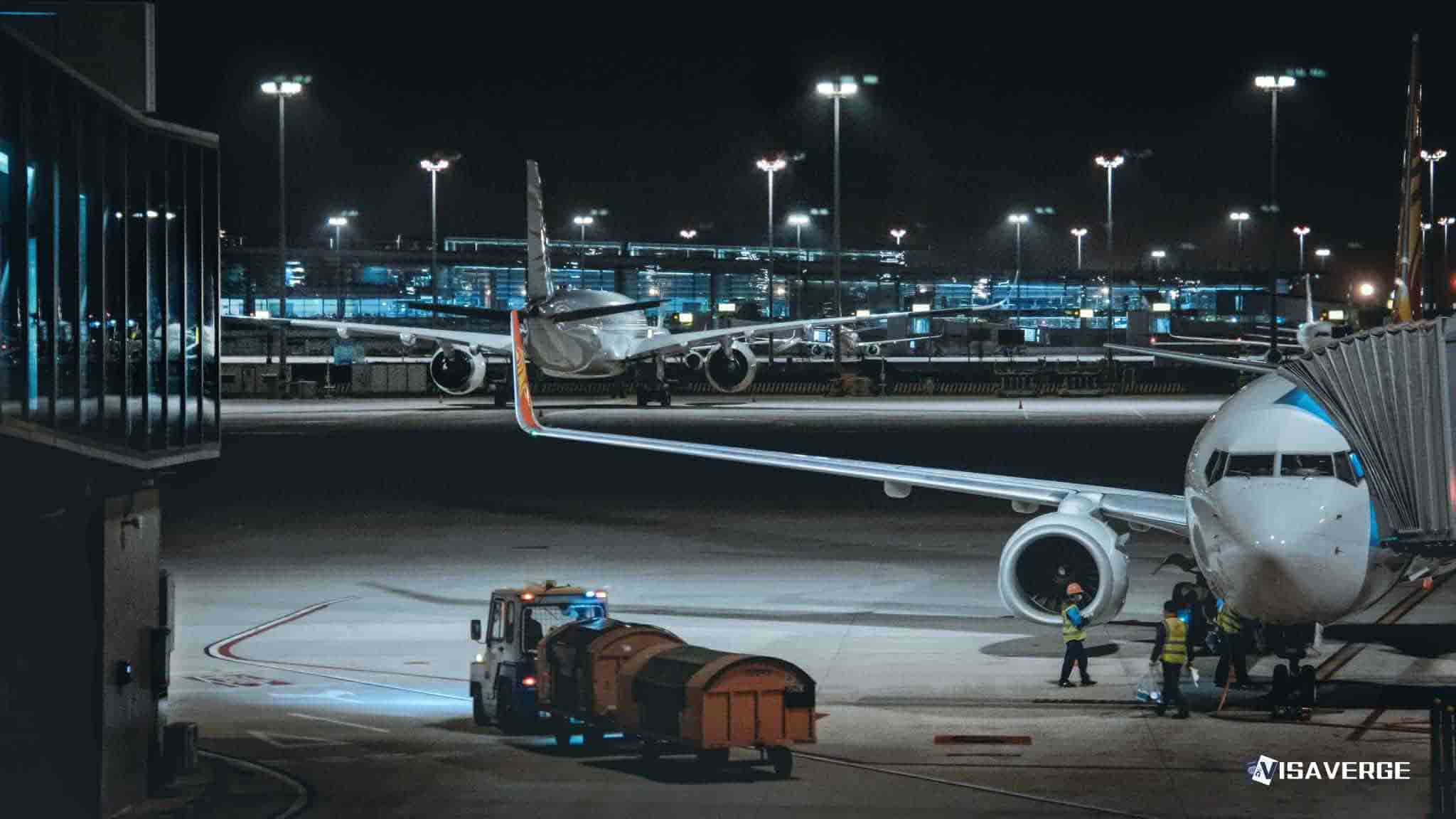
Ground constraints can become a bottleneck because they involve runway availability, gate and ramp capacity, and air traffic control staffing, and because “ground stop” conditions can halt departures and arrivals even if aircraft can technically fly around restricted airspace.
Kuwait airports also came under strike, grounding planes on the tarmac and worsening network imbalance as aircraft that would normally depart remained parked, leaving airlines short of capacity elsewhere and forcing additional schedule changes.
Diversions and aircraft stuck away from their planned bases can ripple for days, because carriers must rebuild rotations, ferry aircraft where possible, and accommodate crews whose duty times and rest requirements prevent immediate redeployment.
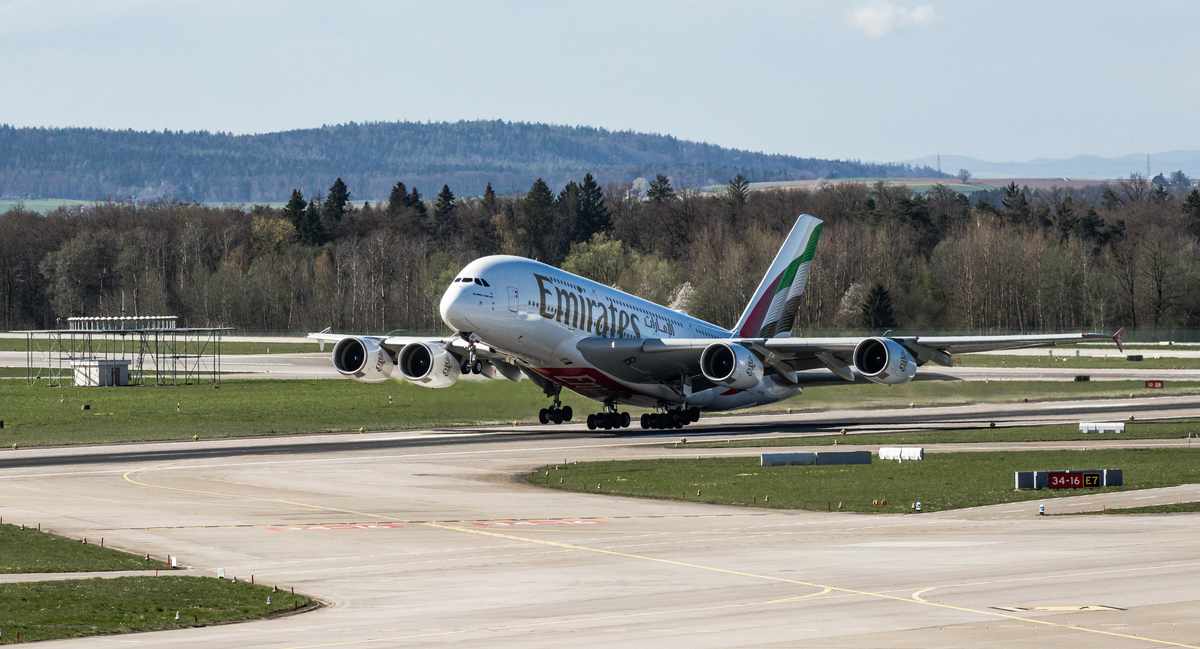
Emirates Airlines suspended Dubai operations until March 3, a pause that underscored the pressure on Dubai’s role as a global connecting point as flight cancellations mounted and passengers struggled to find alternatives.
Qatar Airways suspended Middle East services as the wave of restrictions and security concerns limited routings and threatened the reliability of connection-heavy schedules.
Etihad Airways faced major disruptions from damage in Abu Dhabi, while Kuwait Airways suspended regional services as operations across Kuwait airports absorbed the impact of strikes and knock-on delays.
Other carriers also pulled back, with Air India, British Airways, Cathay Pacific, IndiGo, Lufthansa, Virgin Atlantic and Wizz Air suspending Middle East flights, disrupting interline and connecting tickets that typically depend on seamless handoffs through hub airports.
Across the industry, the common emergency responses included reroutes around closed airspace, technical stops to manage fuel and payload tradeoffs on longer itineraries, capacity shifts to safer corridors, and temporary schedule filing changes to reflect what airlines could reliably operate.
The Iran war also raised costs sharply as surges in oil prices spiked fuel expenses, pushing airlines to review growth plans at the same time their operations teams managed long-haul disruptions and aircraft utilization losses.
Some carriers moved to defer Airbus and Boeing deliveries and invoked force majeure clauses, steps that reflected how quickly war-driven operational risk can hit balance sheets when flight cancellations, longer routings and irregular operations drive up costs.
The shock reverberated beyond airlines, with tourism revenue in Gulf markets plunging amid stranded passengers and halted transit traffic, testing Dubai’s role as a global hub as flight cancellations kept travelers away and limited onward connections.
Markets registered the broader risk sentiment tied to travel and energy volatility, with the Dow Jones dropping over 400 points on March 2, a move that signaled unease as aviation disruption and oil price swings fed into expectations for consumer demand.
Carriers also faced partial insurance shortfalls alongside rising operational expenses, adding pressure as airlines weighed how much capacity to keep in the region versus shifting aircraft to routes less exposed to airspace uncertainty.
Energy and logistics disruptions compounded the aviation crisis after QatarEnergy halted production, adding strain to supply chains already struggling with delays and rerouting as airlines adjusted cargo as well as passenger networks.
Elevated drone and missile risks changed route planning and overflight decisions, because airlines and insurers must weigh exposure not only near airports but also along airways that cross zones of heightened military activity.
Some analysts pointed to routing around Africa as a mitigation option for global movements, but longer routings bring their own tradeoffs in time, cost, crew legality and aircraft performance, and they do not eliminate the disruptions caused by closed airspace and damaged airports.
By early March, the Iran war had reconfigured global flight paths and daily schedules, leaving airlines, airports and travelers contending with flight cancellations that showed how quickly a regional conflict can disrupt worldwide aviation through hub dependence and constrained corridors.