- CBP has launched the CAPE portal to process $166 billion in unlawful tariff refunds.
- The system targets unconstitutional Liberation Day tariffs collected between February 2025 and 2026.
- Importers must use the ACE Portal for electronic claims with a 60-90 day processing time.
(UNITED STATES) — U.S. Customs and Border Protection opened the CAPE portal at 8:00 AM on April 20, 2026, launching a system to process roughly $166 billion in tariff refunds for importers that paid duties later ruled unlawful by the U.S. Supreme Court.
The portal, formally called Consolidated Administration and Processing of Entries, handles claims tied to the Trump administration’s Liberation Day tariffs. Some estimates place the total refund exposure as high as $175 billion.
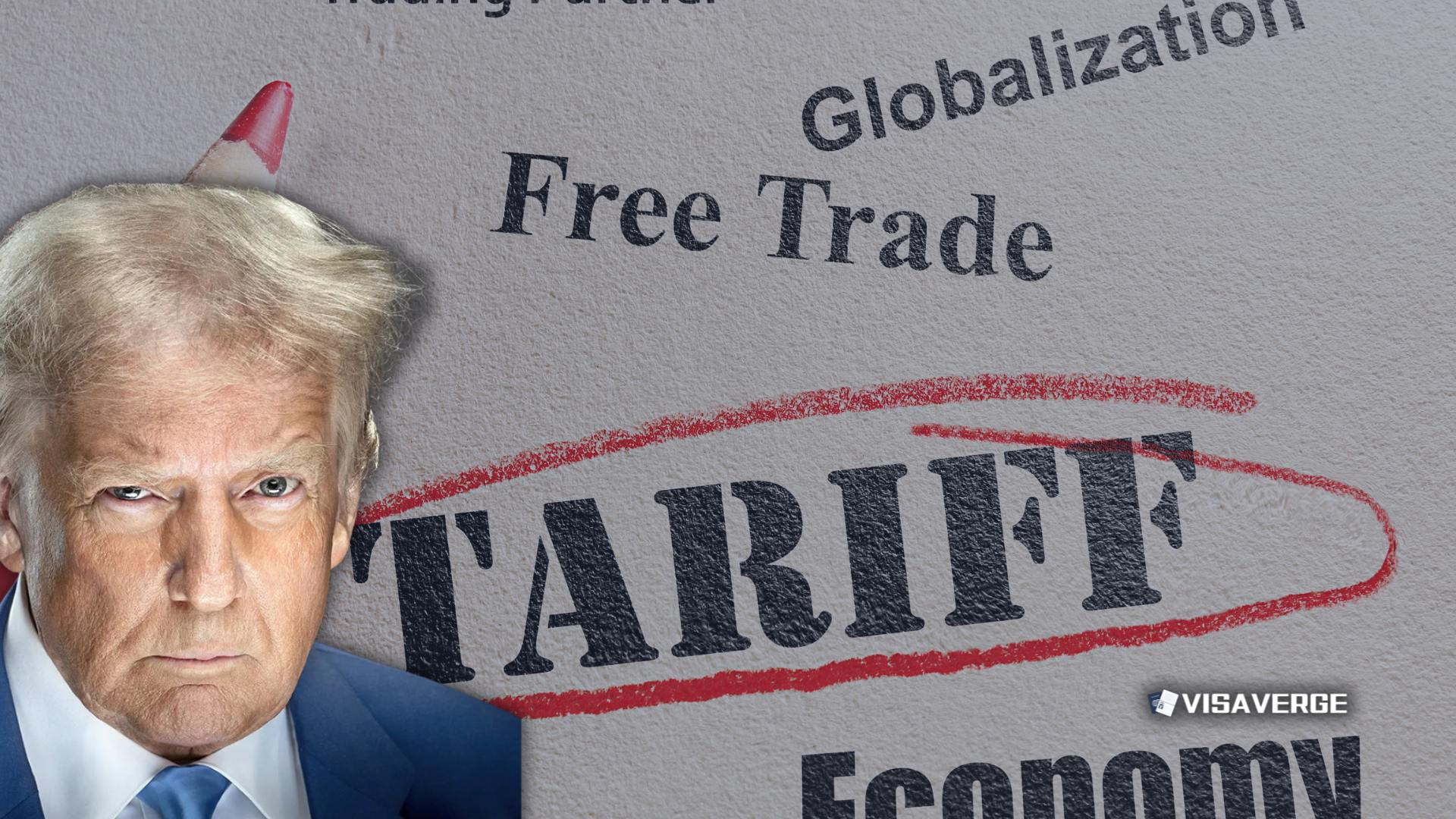
CBP limited some categories in the first phase, but the opening gives importers their first formal route to seek repayment after weeks of court-directed preparation. Refunds cover duties that were invalidated by the high court but not automatically returned when the ruling came down.
The Supreme Court ruled in February 2026 that President Trump’s Liberation Day tariffs, imposed under the International Emergency Economic Powers Act from February 4, 2025, to February 24, 2026, exceeded executive authority and intruded on Congress’s taxing power. The decision came in Learning Resources, Inc. v. Trump and the consolidated case Trump v. V.O.S. Selections, Inc..
That ruling struck down the IEEPA-based tariffs, but it did not itself create a refund mechanism. Importers still needed a way to recalculate duties and submit claims through the customs system.
Judge Richard Eaton of the U.S. Court of International Trade stepped in on March 4, 2026, ordering CBP to recalculate duties without the IEEPA tariffs and build a refund process. Eaton rejected the administration’s argument that recalculation was “nearly impossible.”
CBP later told the court that the initial phase of CAPE was complete before Monday’s launch. The refund portal now sits at the center of a large administrative effort involving millions of entries, hundreds of thousands of businesses and a customs payment system that was not designed for a mass court-ordered reversal of tariff collections.
Eligibility reaches widely. The refund program applies to unliquidated tariffs and to finalized tariffs within the past 80 days, covering IEEPA duties on 53 million shipments paid by more than 330,000 importers.
CBP said that by April 9, 2026, 56,497 importers had completed electronic refund setup, representing $127 billion, more than three-quarters of the eligible amounts identified so far. Any legal entity that paid the duties can seek a refund, including foreign firms such as German manufacturer ebm-papst.
Not every tariff paid during the period qualifies. The refunds exclude Section 232 duties on steel and aluminum, Section 301 duties on goods from China, and Section 122 tariffs.
Claims move through the ACE Portal, the trade filing system importers and brokers already use with U.S. Customs and Border Protection. Since February 6, 2026, CBP has issued all refunds electronically through ACH rather than paper checks.
Processing is expected to take 60-90 days after a submission. Importers that filed early and cleared setup requirements could begin receiving payments between mid-June and mid-July 2026.
Michael Lowell, a partner at Reed Smith, described the system as a “fast track.” He said the structure allows a single consolidated payment, with interest if applicable, instead of requiring an entry-by-entry payout.
Even with that design, the work for companies is detailed. Importers must assemble entry numbers, filing dates, amounts paid, tariff classifications and liquidation status, then match those records against broker files and customs inventories before a claim goes in.
That burden has left companies preparing carefully rather than expecting money to arrive automatically. Businesses including Basic Fun and Oshkosh have been getting claims ready while watching for technical problems in the first days of the portal rollout.
CBP guidance stresses that refunds depend on valid claims filed under the court order. Importers that have not completed ACE setup risk having refunds rejected, a practical hurdle that has made the electronic registration deadline almost as important as the court victory itself.
The scale of the program explains the caution. More than 53 million shipments are implicated, and the duty collections stretch across a year in which tariff policy shifted quickly and importers often paid first while lawsuits moved separately through court.
Monday’s launch also does not settle the litigation. CBP faces an early May 2026 deadline to appeal the Court of International Trade order, and legal challenges to CAPE itself remain possible while thousands of tariff suits are still pending at the trade court.
Any appeal would test the durability of a system that businesses have only just begun to use. A reversal or modification from a higher court could affect timing, eligibility questions or the mechanics of how refunds are calculated and issued.
The refund program matters beyond importers because the tariffs flowed through supply chains and consumer prices while they were in effect. Consumers seeking repayment do not claim directly from CAPE, but they may press businesses for indirect refunds or price adjustments as companies recover duties they already passed along.
Trade partners are watching the process as well. The probability of European Union retaliatory tariffs once planned by September 30 has fallen after the Supreme Court decision, though the outlook remains unsettled while the refund process and related litigation continue.
Foreign companies that paid the duties stand in the same line as domestic importers, provided they qualify as legal entities and complete the electronic setup. That feature broadens the reach of CAPE well beyond U.S.-based retailers and manufacturers and turns the customs portal into a focal point for international claimants as well.
Businesses now face a race between preparation and processing. Companies that already completed setup by April 9, 2026, accounting for $127 billion in potential refunds, enter the first wave with the clearest path to payment if the portal performs as CBP expects.
What opened Monday is not an automatic payout machine but a court-driven recovery process built under deadline. For importers that paid the Liberation Day tariffs between February 4, 2025, and February 24, 2026, the first real test starts with the claim file, the ACE login and a wait that CBP pegs at 60-90 days.