- The Supreme Court ruled 6-3 against President Trump’s authority to impose global tariffs under emergency powers.
- Chief Justice Roberts emphasized that clear congressional authorization is required for such sweeping economic actions.
- The decision triggers a complex refund process for billions of dollars in duties already paid by importers.
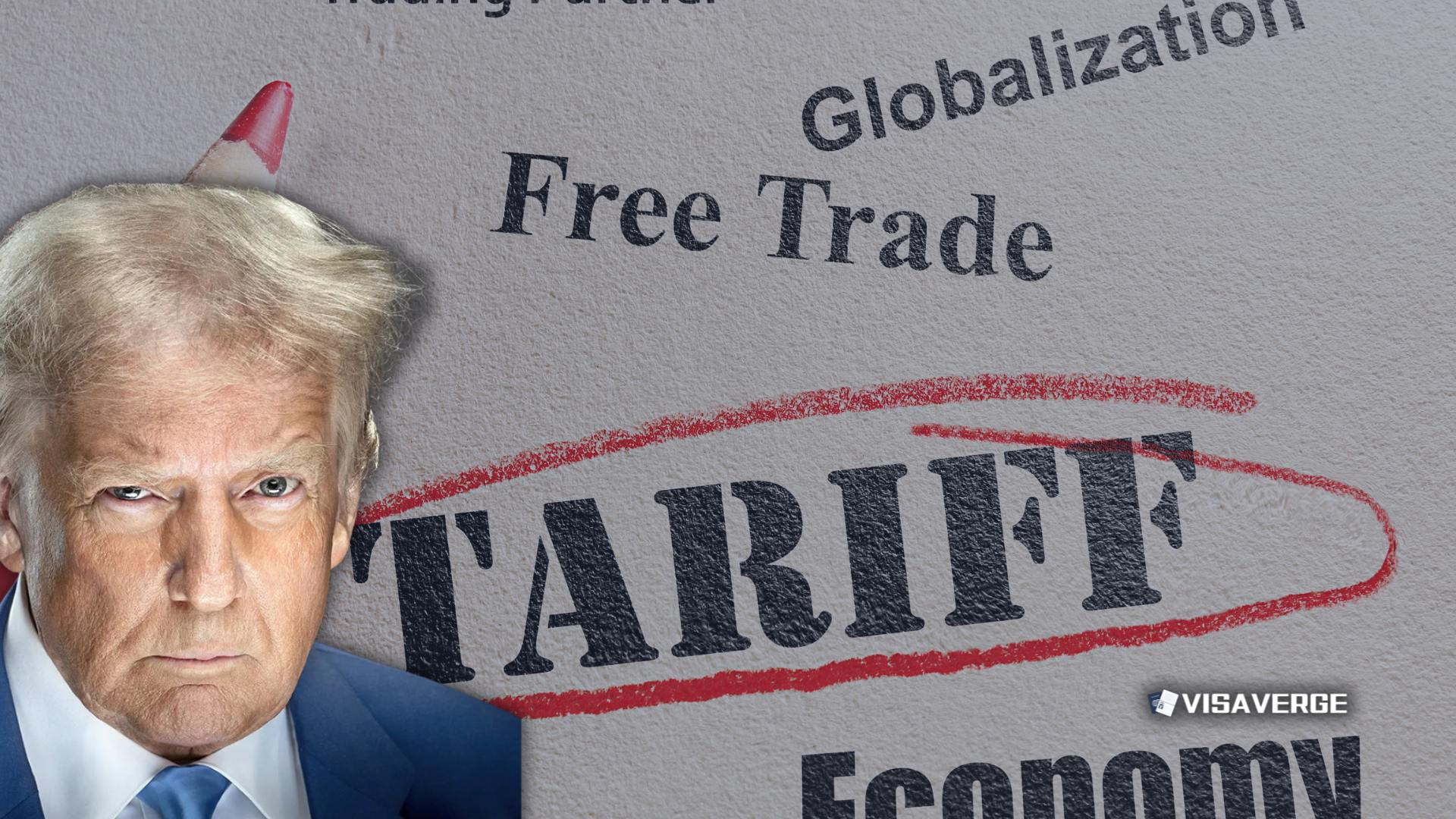
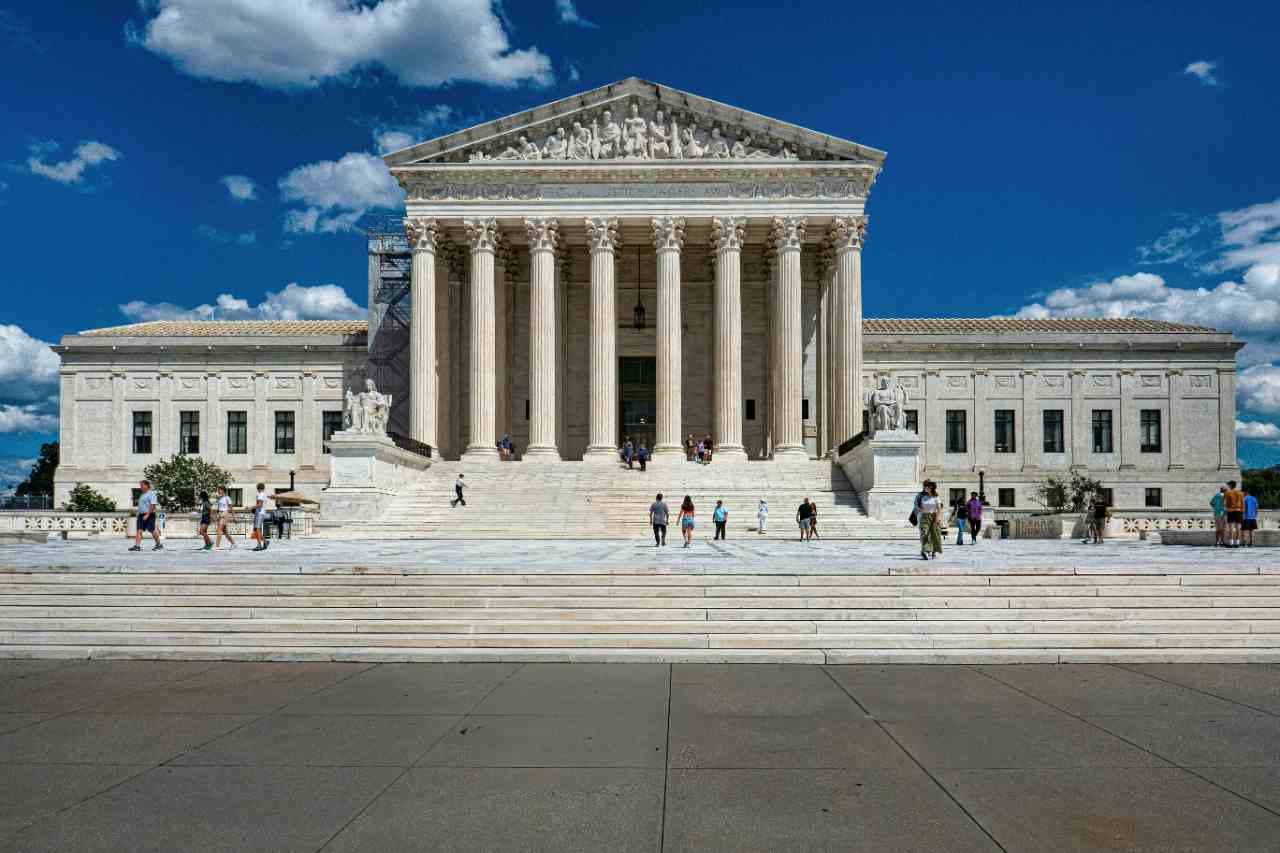
(UNITED STATES) — The Supreme Court ruled 6-3 that President Trump lacks authority to impose sweeping global tariffs under the International Emergency Economic Powers Act, a decision that immediately erased a central legal foundation for his broadest import levies.
Chief Justice John Roberts wrote the opinion for a majority that included Justices Amy Coney Barrett and Neil Gorsuch, as well as the court’s three liberal justices. The lineup signaled a cross-ideological agreement around strict statutory limits on emergency economic powers.
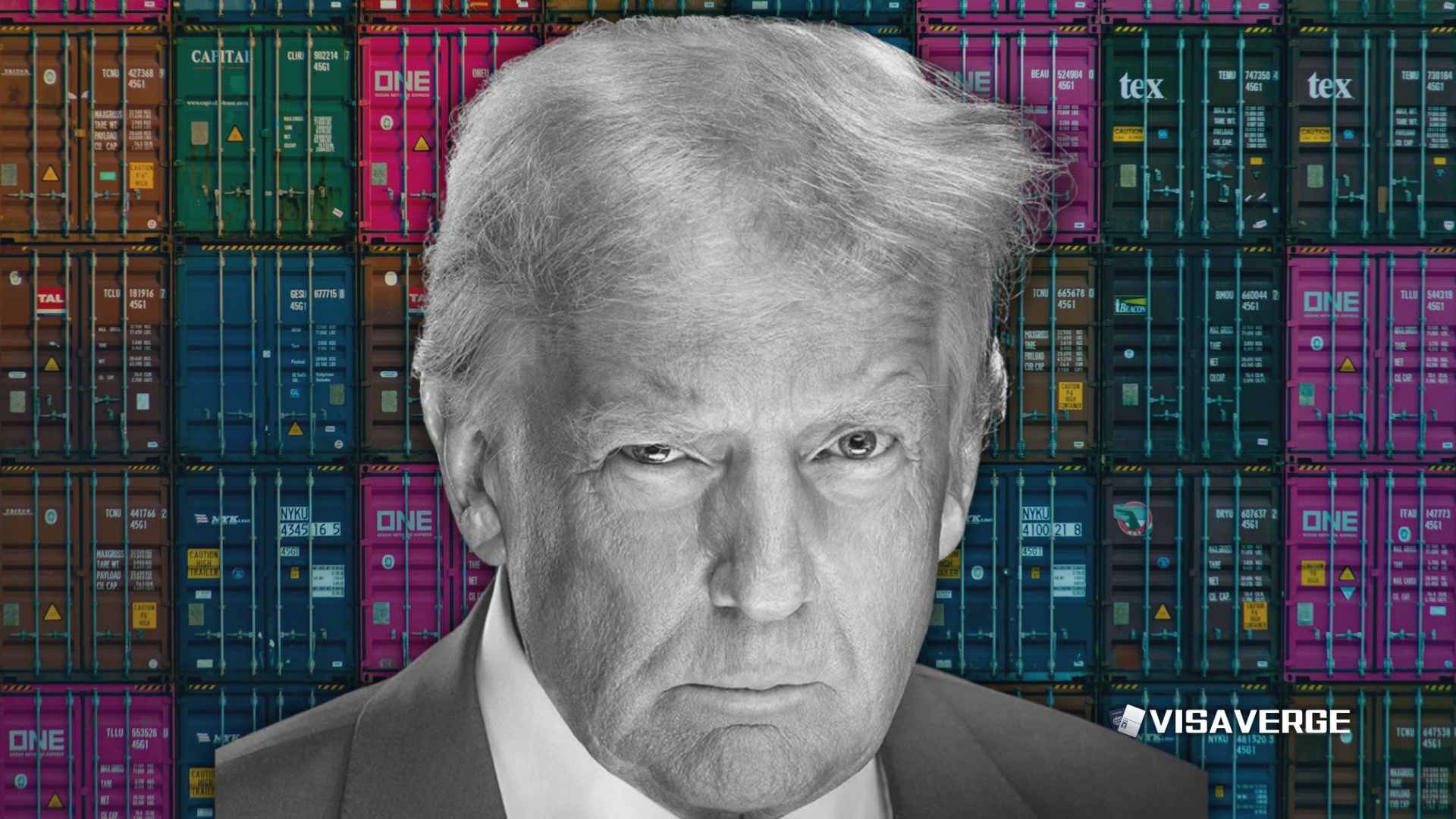
Roberts rejected the administration’s reading of the 1977 statute as a blank check for trade policy. He wrote that while the President asserts “the extraordinary power to unilaterally impose tariffs of unlimited amount, duration, and scope,” he must identify clear congressional authorization to exercise it, and the law Trump cited “falls short” of the Congressional approval needed.
Friday’s ruling struck down Trump’s global tariffs that were implemented under IEEPA and upheld lower-court decisions that found the tariffs illegal. The decision marked the most significant legal loss of his second term.
At the center of the dispute was whether IEEPA, a statute designed to give presidents tools during national emergencies, authorizes tariffs of the breadth Trump imposed. The Supreme Court said it does not, framing the question as one of separation of powers and Congress’ control over major economic policy.
Roberts’ opinion emphasized that major economic actions require clear congressional authorization, and that IEEPA did not provide it for unlimited tariff power. The majority treated the statute’s text and purpose as insufficient to justify an open-ended authority to set global duties without further direction from lawmakers.
Even with the IEEPA tariffs struck, the decision left significant room for future trade action under other laws. Roberts and the majority did not bar tariffs imposed under other trade authorities, a limitation that keeps alternative executive tools in play.
Trump has already relied on other laws to impose levies on copper, steel, aluminum, and other products. That carveout matters for companies trying to plan purchases and pricing, because targeted tariffs under different authorities can remain legally viable even when IEEPA cannot support global duties.
The practical scope of the ruling distinguishes between tariffs that rested on IEEPA and those that did not. The labels “High” and “Medium” appeared, underscoring that consequences vary depending on which authority applied to a specific duty.
Refunds emerged as a central immediate question for importers that already paid duties under the now-invalidated tariffs. The decision may trigger a potentially complex process, with billions of dollars possibly being returned to companies that paid the tariffs later struck down.
Justice Brett Kavanaugh, writing in dissent, highlighted a limit to what the court resolved. Kavanaugh noted that the Court did not directly address whether or how the government should proceed with refunding the billions collected.
That sets up a complicated period for businesses and the government even after the legal question of authority narrowed. Refund outcomes may depend on customs processes, timing, and how entries were categorized under a specific legal authority.
Financial markets moved soon after the Supreme Court’s decision as traders recalibrated expectations about how easily Trump can escalate tariffs unilaterally under IEEPA. The S&P 500 traded approximately 0.3% higher. Gold futures increased 1.7%, and silver rose over 5%.
Investors often treat tariff risk as a direct input into expected business costs and inflation pressure, and the court’s decision removed one pathway for broad, rapid escalation under emergency powers. The ruling did not, however, eliminate the possibility of narrower tariffs under other authorities, leaving companies exposed to targeted action even if global IEEPA-based duties are off the table.
For Trump, the decision delivered a major legal setback on tariff authority in his second term while confirming lower-court rulings that had already found the IEEPA tariffs unlawful. The opinion’s core message, in Roberts’ framing, was that even in an asserted emergency, a president seeking sweeping tariffs must point to congressional approval that does not “fall short.”