- Trump proposed that tariffs could replace income taxes to shift financial burdens away from American citizens.
- The administration implemented 15% global tariffs using Section 122 of the Trade Act following a court setback.
- Economists warn that revenue from customs duties is significantly lower than current income tax collections.
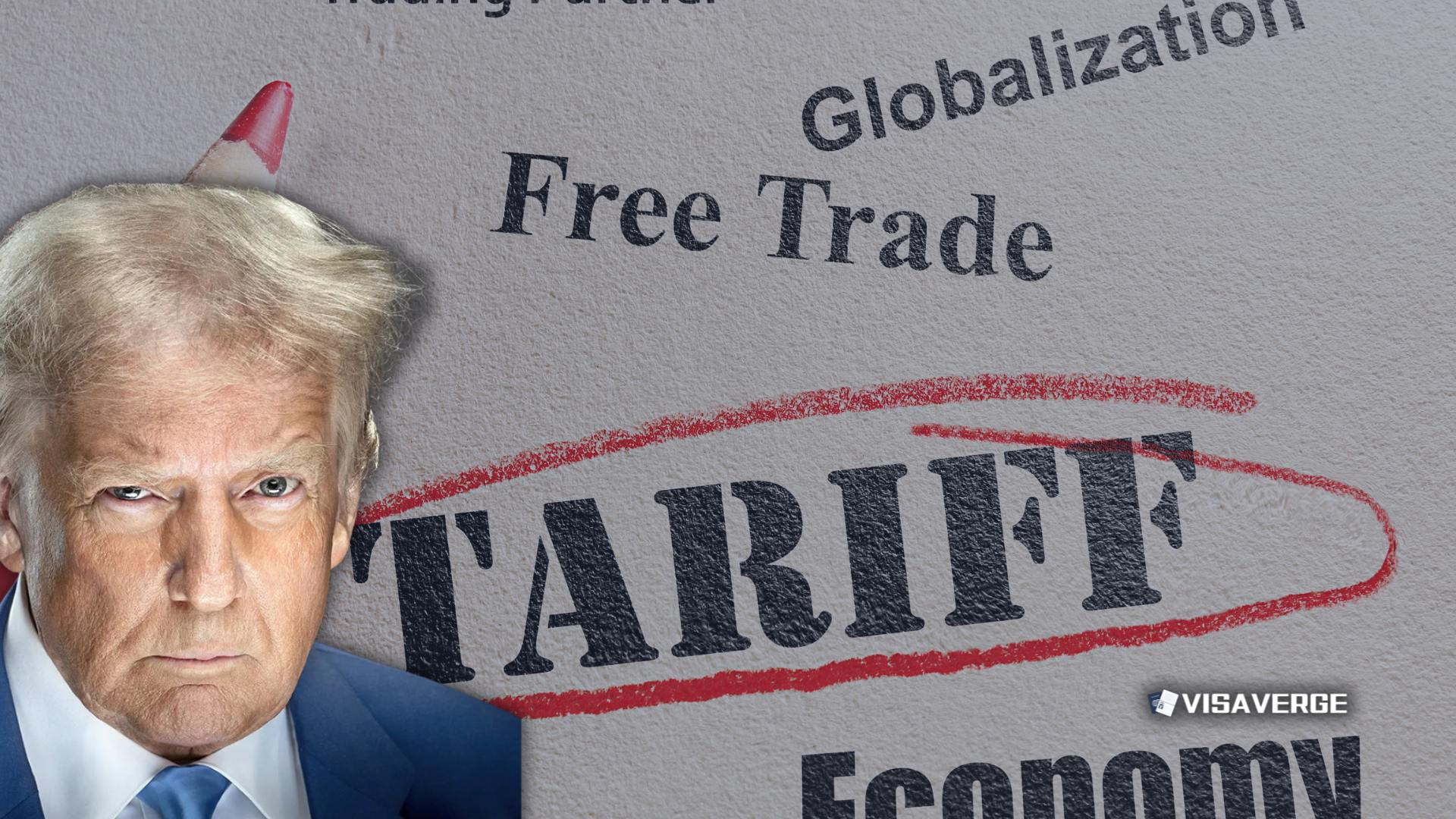
(UNITED STATES) — President Donald Trump told lawmakers and a national television audience on February 24, 2026, that tariffs could substantially replace the U.S. income tax system, casting the approach as a way to shift the burden away from Americans and onto foreign trade.
“As time goes by, I believe the tariffs paid for by foreign countries will, like in the past, substantially replace the modern-day system of income tax, taking a great financial burden off the people that I love,” Trump said in his State of the Union address.
Free toolSubstantial Presence Test Calculator
Trump pushed the argument as both a revenue plan and a negotiating weapon, describing tariffs as leverage against countries he said were “ripping us off for decades.” He said the policy generated “hundreds of billions of dollars” and credited it with economic growth, no inflation, and deals that benefit the U.S.
Tariffs are collected at the border, typically from importers bringing goods into the United States, rather than directly from foreign governments. Those costs can move through supply chains, including through pricing decisions that reach U.S. buyers.
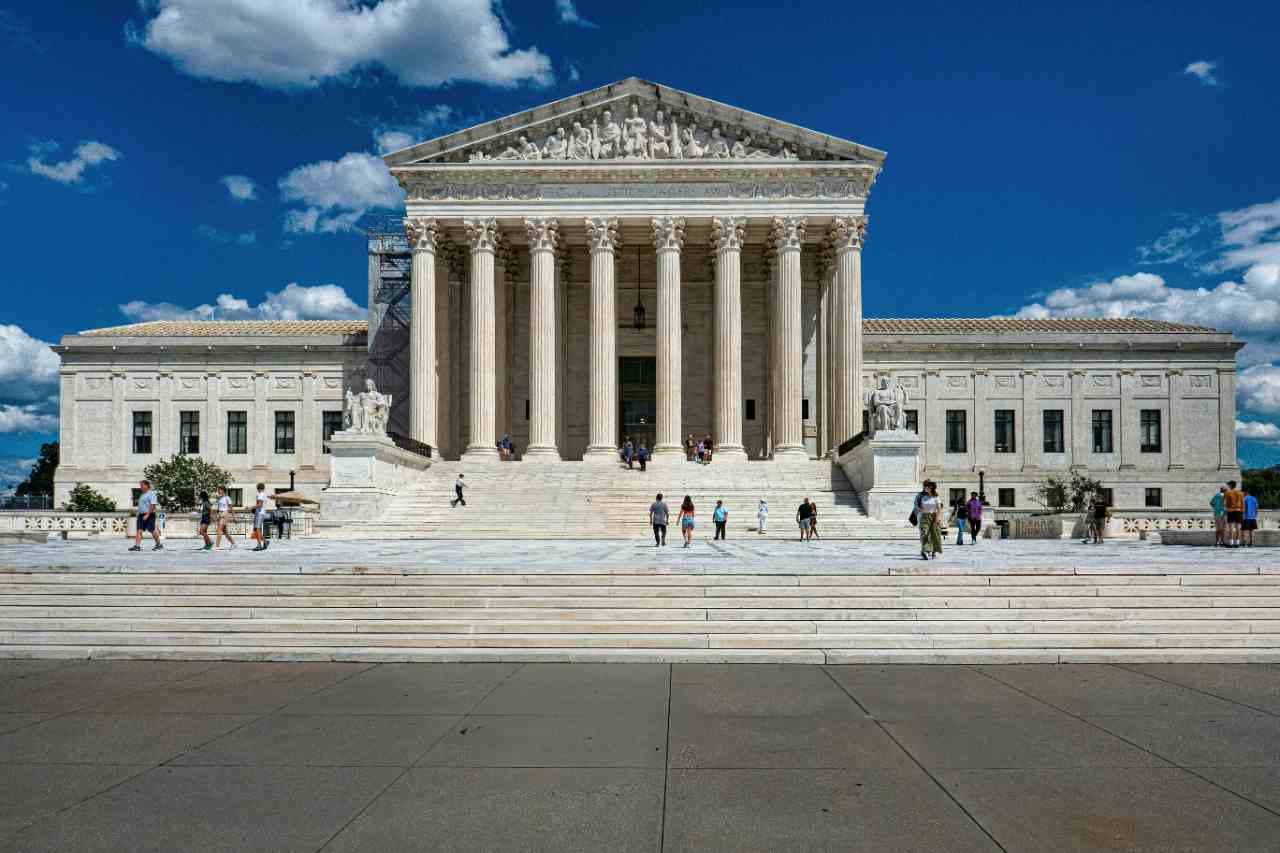
The tariff push came days after a major legal setback at the Supreme Court, which Trump acknowledged while signaling he intended to keep going. The court on Friday, February 20, 2026, issued a 6-3 ruling declaring Trump’s sweeping tariffs under the International Emergency Economic Powers Act (IEEPA) illegal.
Calling the decision “very unfortunate” and “defective,” Trump said it would not derail his agenda and warned other countries that a new deal under his authority “could be far worse for them.” The ruling narrowed one route for broad tariffs and forced the administration to rely on other statutory authorities.
Hours after the ruling, Trump signed an order for 15% global tariffs using Section 122 of the Trade Act of 1974. That statute limits such actions to 150 days and requires no congressional action, making it an immediate alternative after the Supreme Court block.
Customs and Border Protection followed with operational guidance for importers, issuing a memo on February 25 stating the applicable rate is 10%. The guidance affects how companies enter goods and calculate what they owe at the border as the administration shifts to a new legal framework.
Treasury Secretary Scott Bessent, the administration’s chief voice on the revenue side, indicated the new tariffs would match prior IEEPA revenues. The administration’s messaging tied the shift in legal authority to continuity in fiscal goals, even as the Supreme Court decision forced a change in how the tariffs were imposed.
Trump’s broader claim—that tariffs can replace income tax collections—runs into arithmetic and economic constraints that economists have emphasized. Income taxes generated nearly $2 trillion in the most recent fiscal year, while customs duties totaled $195 billion—about 1/13th as much.
Economists from the Cato Institute argued that raising tariff rates does not translate into proportional revenue gains. They pointed to consumers shifting to domestic goods, importers reducing volumes, and costs passing to U.S. buyers, all of which can limit how much money higher tariffs bring in.
Administration officials also described tariff revenue as a “melting ice cube,” saying they expect collections to decline if U.S. manufacturing grows and displaces imports. That dynamic creates a tension at the heart of Trump’s pitch: a tariff policy meant to reduce reliance on foreign goods can, by design, shrink its own tax base.
Trump presented the tariff strategy as central to a protectionist message he framed as a “Golden Age” of manufacturing and worker relief. He said the country was seeing a “stunning economic turnaround” and cited the Dow Jones above 50,000 as evidence that his approach was working.
The address followed 13 months of deregulation, executive actions, and immigration measures, a mix Trump has used to argue he is remaking the economy and the federal government’s role in it. That broader agenda formed the political backdrop for his renewed pitch that tariffs could stand in for the income tax.
Outside the economic debate, the moment also came amid a partial government shutdown and Middle East tensions, conditions that shaped the political atmosphere around the State of the Union. Trump’s warning that alternative tariff approaches “could be far worse for them” placed trade policy alongside other pressure points in his foreign-policy messaging.
Republicans cheered the tariff emphasis, while Democrats moved to register opposition to the speech and the broader agenda. Democrats, led by Hakeem Jeffries, urged “silent defiance” or boycotts, setting up a partisan clash over whether tariffs can serve as both a negotiating tool and a substitute for the income tax in the wake of the Supreme Court ruling.