- U.S. Customs has refunded one hundred billion dollars to importers following a Supreme Court ruling against illegal tariffs.
- Major corporations like Apple and Amazon are receiving billions in repayments while consumers lack a refund process.
- A coalition of twenty-five states is challenging replacement duties they claim use forced labor as a pretext.
U.S. Customs and Border Protection has completed about $100 billion in refunds to importers after the Supreme Court rejected President Donald Trump’s authority to impose sweeping duties under the IEEPA tariff program.
The payments represent roughly 60% of the approximately $166 billion collected from more than 330,000 importers across 53 million shipments. The ruling came on February 20, 2026, and directed the administration to return the money collected under the invalidated duties.
Brandon Lord, executive director of CBP’s Trade Policy and Programs directorate, described the progress in a Tuesday filing with the U.S. Court of International Trade. The completed amount includes duties and accrued interest sent to the U.S. Department of Treasury for disbursement.
“Refunds (duties plus interest) of approximately $100 billion have been completed using the Consolidated Administration and Processing of Entries (CAPE) Refund component, certified by the agency, and sent to the U.S. Department of Treasury for disbursement.”
The administration has not finished the entire repayment process. CBP has accepted about $129 billion in “both potential and certified refunds” through the Consolidated Administration and Processing of Entries system.
As of July 31, CAPE had received 252,496 tariff refund declarations covering more than 25 million import entries. The filings reflect the scale of the repayment operation, which follows the collection of approximately $166 billion and a court directive concerning $165 billion in invalidated duties.
The refund system is processing more than 25 million import entries
Judge Richard K. Eaton ordered the government to begin immediate repayments in March 2026. Lord said Treasury accounting updates showed that certified refunds were being regularly dispersed.
“CBP’s financial accounting system receives updates from Treasury that indicate these CBP certified refunds are being regularly dispersed.”
About $100 billion has been certified and sent to Treasury for disbursement. The broader pipeline had reached approximately $128.68 billion, or nearly $129 billion, in potential and certified refunds.
The repayment figures cover the duties imposed during the administration’s earlier tariff campaign. Officials unveiled the “Liberation Day” tariffs on April 2, 2025, targeting more than 90 countries.
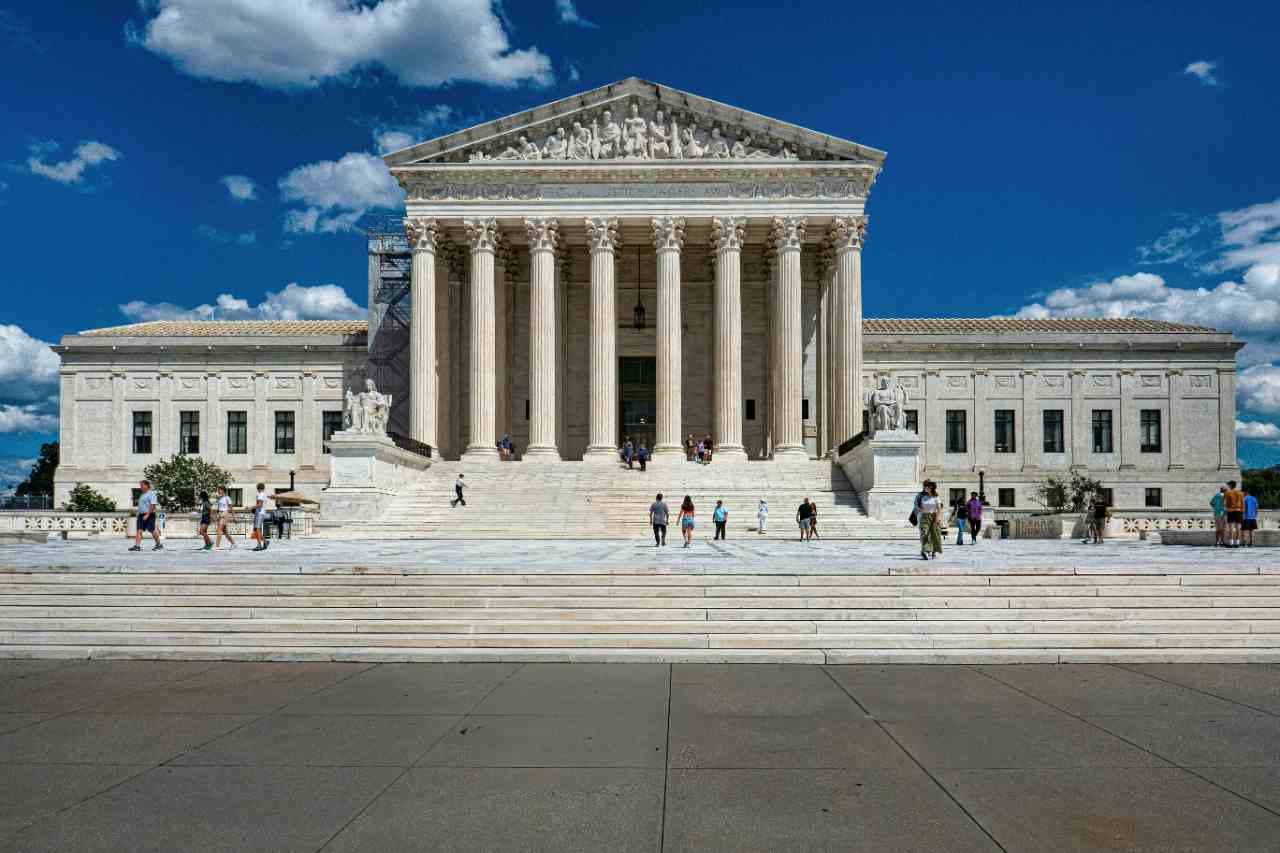
The administration cited a national emergency involving trade deficits and drug trafficking when it invoked the 1977 emergency-powers law. In Learning Resources, Inc. v. Trump, the Court ruled 6-3 that the law did not authorize the president to impose sweeping tariffs without explicit congressional approval.
The justices emphasized that the Constitution gives Congress authority to “lay and collect Taxes, Duties, Imposts and Excises.”
Large importers are receiving refunds while consumers have no federal claims process
Large companies are among the biggest identified recipients. Apple has received an estimated $2.2 billion, Amazon approximately $600 million, and Nike roughly $300 million.
The repayment system sends money to businesses that paid the duties. It does not provide a parallel federal refund program for consumers.
Treasury Secretary Scott Bessent said he had “a feeling the American people won't see it” when discussing whether the repayments would result in lower prices. Indian and Mexican exporters are negotiating with U.S. importers over portions of the tariff costs they absorbed while the duties remained active.
Smaller importers have raised separate concerns about access to the repayment system. Businesses represented in a class-action lawsuit led by Freestyle World say they have encountered administrative obstacles in the CAPE refund portal.
The refunds have also altered federal customs accounts. Net U.S. customs revenue turned negative in June 2026, producing a loss of $25.6 billion as refunds outweighed new collections.
Twenty-five states say replacement duties use forced labor as a pretext
A coalition of 25 states filed a lawsuit Monday in the U.S. Court of International Trade challenging the administration’s replacement duties. New York Attorney General Letitia James and Gov. Kathy Hochul publicly announced the case.
The states describe the new measures as “arbitrary, capricious, and contrary to law.” They also argue that “the Administration cannot use forced labor as a pretext to continue its illegal tariff scheme.”
The lawsuit identifies 60 trading partners, while the administration’s new duties have also been described as covering more than 80 nations. The states say the affected countries and the European Union together account for 99.4% of U.S. imports.
The duties range from 10% to 12.5%. The administration imposed them on July 23, one day before temporary Section 122 tariffs expired.
Officials introduced the new levies under Section 301 of the Trade Act of 1974. The states argue that the approach attempts to replace the earlier duties through a different legal route rather than address forced labor.
California Attorney General Rob Bonta criticized the administration’s move.
“President Trump is so intent on raising the cost of living for Americans that he is willing to break law after law after law to do so. this is the third time we’re taking the Administration to court over this misuse of power.”
Trump says he can impose duties through another legal route
Trump defended the replacement strategy in a Fox News interview Tuesday. He said he was “allowed to do it in a different manner.”
The new levies took effect as the government continued processing refunds from the earlier program. Their legal status remains before the courts in the states’ challenge.
The February decision has placed Congress’s taxing authority at the center of the dispute. The earlier duties were imposed without the explicit congressional approval the Court said was required for sweeping tariffs.
The refund operation now has two distinct figures. Completed payments total approximately $100 billion, while potential and certified claims in the processing system total nearly $129 billion.
Importers continue to pursue claims through CAPE as Treasury disburses certified refunds. The replacement duties, imposed on July 23, face litigation from 25 states.
This article provides general information and is not legal advice. Consult a qualified immigration attorney about your specific case.