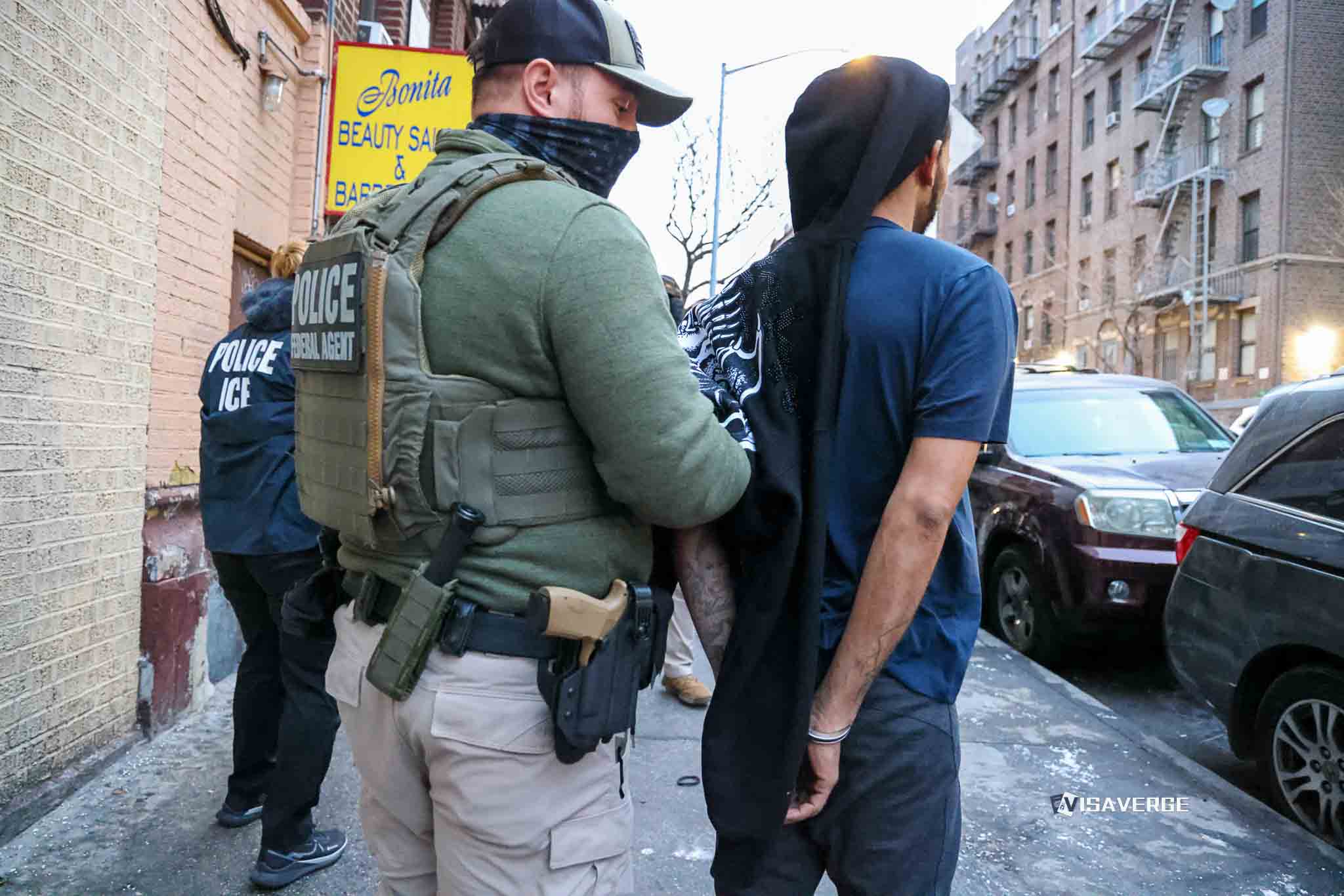
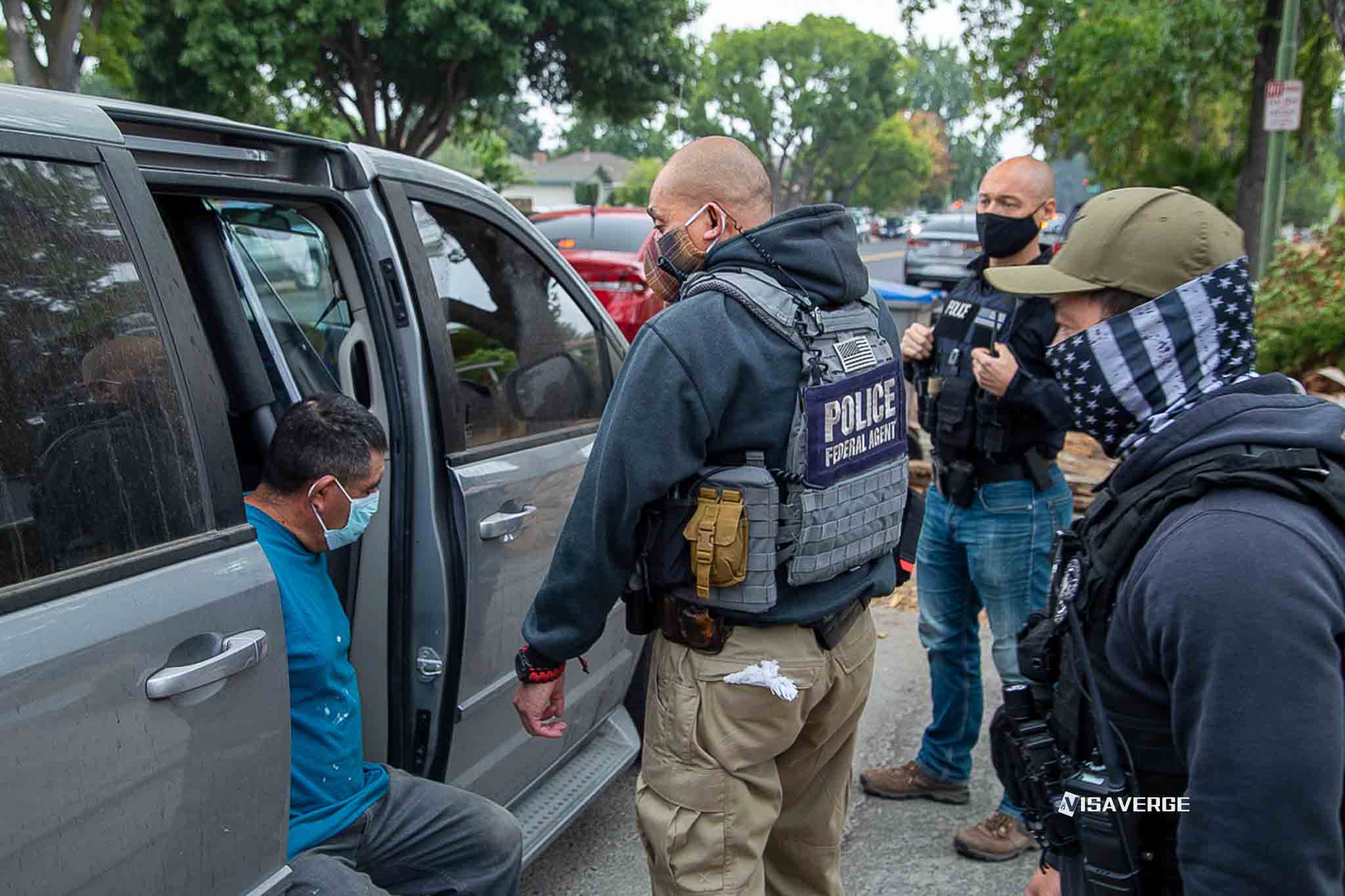
Six more Wisconsin sheriffs have signed cooperative agreements with U.S. Immigration and Customs Enforcement (ICE) in 2025, expanding the number of sheriff’s departments with active 287(g) agreements in the state to 13 out of 72. This sharp increase marks the largest single-year growth of such partnerships in Wisconsin’s history, reflecting a renewed push for local-federal immigration enforcement under the Trump administration.
The newly participating counties—Kewaunee, Outagamie, Washington, Waupaca, Winnebago, and Wood—joined the 287(g) program as of July 31, 2025. Meanwhile, Walworth and Lafayette counties have recently opted out, showing that not all local agencies agree on the program’s value. The 287(g) agreements allow ICE to give certain immigration enforcement powers to local law enforcement. Wisconsin sheriffs can now serve ICE warrants or detain undocumented individuals in local jails until ICE takes custody.
Free toolUSCIS Receipt Number Decoder
There are two main models for these agreements:
– Warrant Service Officer Model: Sheriffs serve ICE administrative warrants to undocumented people in jail.
– Jail Enforcement Model: Sheriffs identify and hold undocumented people for ICE pickup.
Financial incentives play a role. From 2021 to 2024, the Wisconsin Department of Corrections and 29 counties received over $7 million in federal funds through the State Criminal Alien Assistance Program (SCAAP) for sharing data with ICE. Several sheriff’s departments also receive direct payments from ICE for detaining and transporting immigrants. According to analysis by VisaVerge.com, these payments can influence decisions to join or stay in the program.
From October 2021 to June 2025, ICE issued more than 3,300 immigration detainers to Wisconsin law enforcement agencies. These detainers ask local jails to hold people for ICE, even after they would otherwise be released.
The expansion of 287(g) agreements has sparked debate. The ACLU of Wisconsin and other advocacy groups argue these agreements disrupt communities and funnel immigrants into the federal deportation system. Tim Muth, Senior Staff Attorney at the ACLU of Wisconsin, says, “These agreements go beyond what state law allows and harm immigrant families.” The ACLU also questions whether Wisconsin law gives sheriffs the power to arrest or detain people only for immigration reasons.
Supporters, including some Wisconsin sheriffs, say the agreements simply formalize cooperation that already happens with federal agencies, like the FBI or U.S. Marshals. They argue this helps remove people with criminal records and improves public safety. However, some counties have withdrawn or declined to join, citing concerns about liability, community trust, or contract terms.
Legal experts warn that more 287(g) agreements could lead to racial profiling, wrongful detention, and less trust between immigrants and law enforcement. Critics also worry that financial incentives encourage sheriffs to focus on immigration enforcement over other duties.
Looking ahead, more counties may consider joining the 287(g) program, especially with continued federal funding. However, legal challenges and local opposition could slow further expansion. For official information on the 287(g) program and a list of participating agencies, visit the ICE official website.
Affected communities can seek legal help and advocacy resources from the ACLU of Wisconsin. The debate over Wisconsin sheriffs and cooperative agreements with ICE is likely to continue as both sides push for their vision of public safety and community well-being.
Learn Today
287(g) Agreements → Contracts allowing local law enforcement limited immigration enforcement authority delegated by ICE.
Immigration Detainers → Requests by ICE to local jails to hold individuals beyond release for federal custody.
SCAAP → State Criminal Alien Assistance Program providing federal funds to states for incarcerating undocumented immigrants.
Warrant Service Officer Model → Sheriffs serve ICE administrative warrants to undocumented individuals in local jails.
Jail Enforcement Model → Sheriffs identify and detain undocumented individuals until ICE takes custody.
This Article in a Nutshell
In 2025, Wisconsin saw the largest growth in sheriffs’ 287(g) agreements with ICE, expanding local immigration enforcement amid controversy. These agreements delegate immigration powers to sheriffs, sparking debate over community trust, legality, and federal funding incentives influencing law enforcement priorities across counties.
— By VisaVerge.com