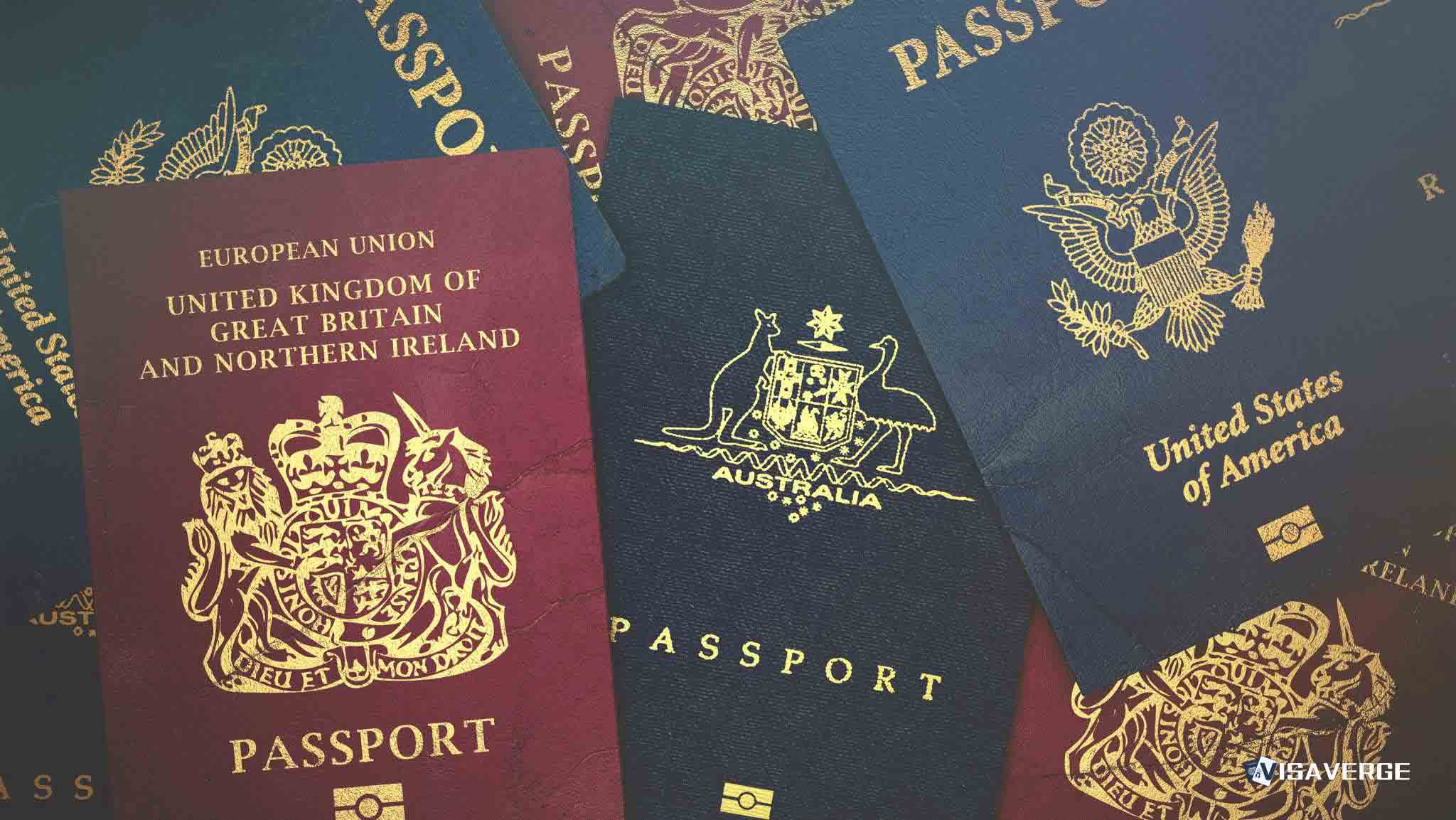
- British dual nationals must present UK passports or certificates of entitlement to enter the country legally.
- Travelers face a £589 charge per person for the Certificate of Entitlement of Right of Abode.
- Airlines may deny boarding to citizens attempting to use foreign passports without valid UK documentation.
(UNITED KINGDOM) — The United Kingdom now requires British dual nationals to present a valid British passport or a Certificate of Entitlement to the Right of Abode when entering the country, a rule that moved into full enforcement on February 25, 2026 and has left some families facing a £589 charge per person if they do not travel on a British passport.
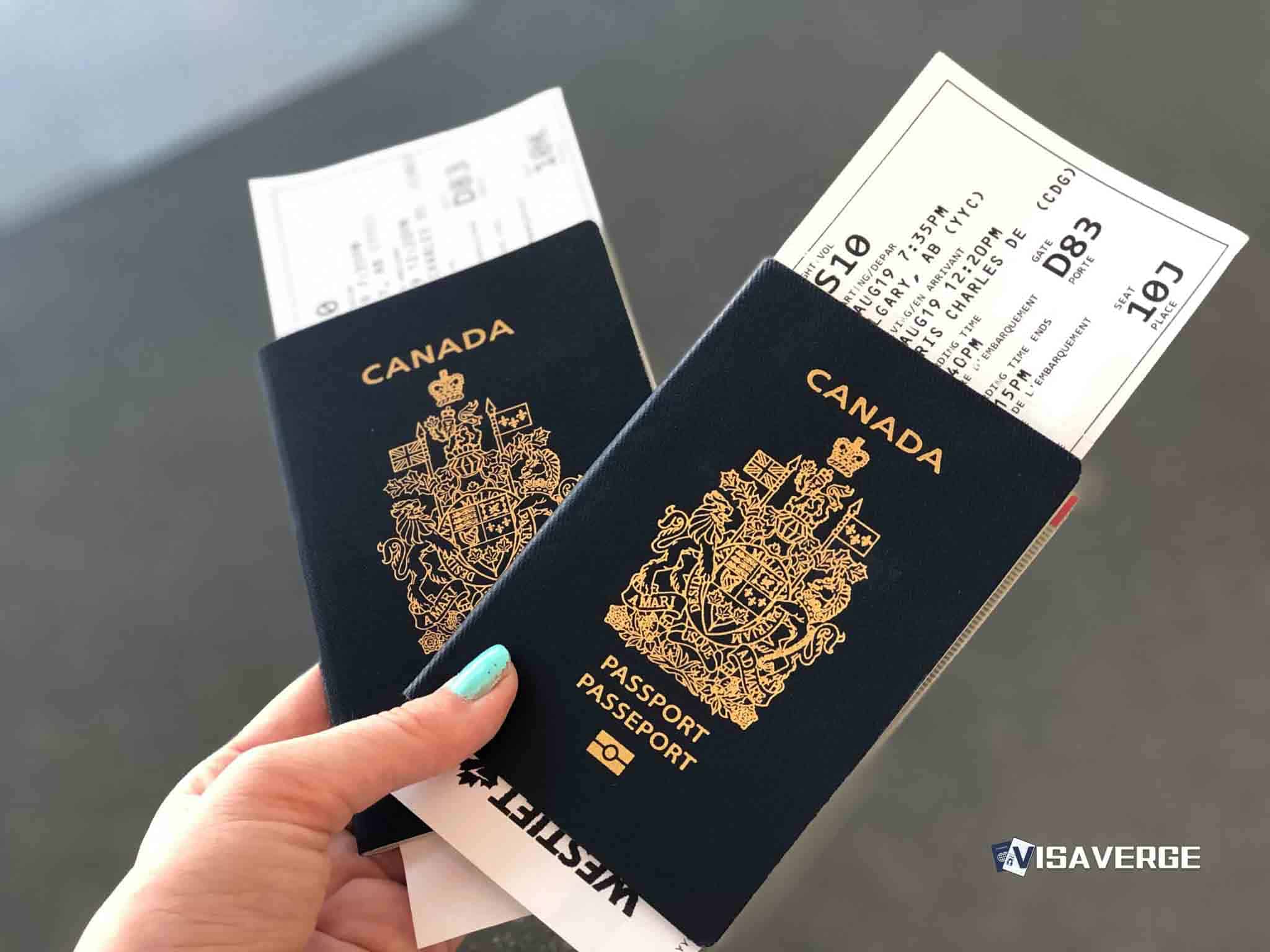
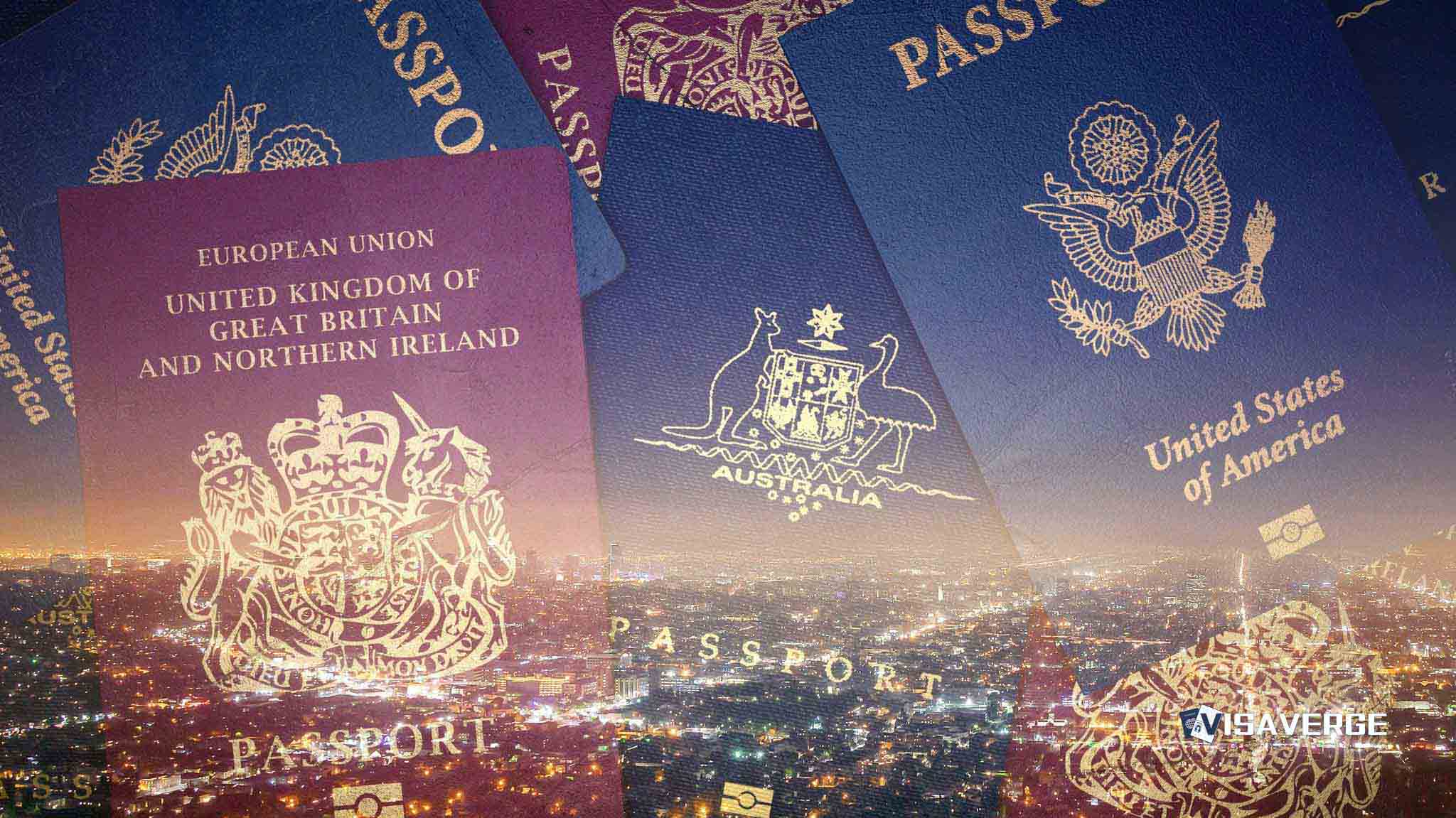
The rule applies as of June 10, 2026 and affects British citizens who also hold another nationality. Those travelers had often entered the UK on passports from countries such as the United States, Canada or Australia. That route has closed for dual nationals.

British citizens with a second nationality cannot obtain an Electronic Travel Authorisation, or ETA, because the scheme applies to foreign nationals. Without a valid British passport or proof of right of abode, they can be refused boarding before they even reach the UK border.
The £589 fee is the cost of a Certificate of Entitlement of Right of Abode, a vignette placed in a foreign passport. It serves as proof that the holder has the right to live and work in the United Kingdom.
Officials tied the rule to the wider rollout of digital travel permission. A Home Office spokesperson said on February 25, 2026: “We recognise that this is a significant change for carriers and travellers but we have been clear on requirements for dual British citizens to travel with a valid British passport or certificate of entitlement, in line with those for all British citizens.”
A ministerial statement laid out the same policy in Parliament that day. “Today. marks a significant milestone in the transition to a fully digital immigration system with the UK moving to full enforcement of its digital ‘permission to travel‘ requirements. Everyone (except British and Irish citizens.) wishing to travel to the UK will need a ‘permission to travel’,” according to the UK Parliament written statement.
The change reaches an estimated 1.2 million dual nationals. Among them are adults who have long travelled on non-UK passports and children born abroad to British parents who may be British citizens but have never held a British travel document.
That has created a documentation gap with direct travel consequences. A dual national holding, for example, a U.S. or Canadian passport may still be a British citizen in law, yet cannot board for the UK on that foreign passport alone because British citizens are outside the ETA system.
The U.S. government has warned citizens affected by the switch. In a routine message issued on February 25, 2026, the U.S. Embassy in London said: “Effective February 25, 2026, all UK or Irish citizens, regardless of dual citizenship, must have a valid UK or Irish passport or certificate of entitlement when travelling to the UK. If you are a UK or Irish citizen, you cannot receive an ETA. You may be denied boarding on your transport to the UK without a valid UK passport.”
Airlines and ferry operators sit at the front of enforcement because the requirement operates before departure. Carriers have had to check whether a traveler who presents a foreign passport is also a British citizen and therefore needs either a British passport or right of abode evidence.
After reports that families had been stranded abroad, the Home Office introduced limited flexibility. As of March 2, 2026, carriers may use compassionate discretion to allow boarding when a dual national shows an expired British passport, issued in 1989 or later, alongside a valid foreign passport.
A grace period also remains in place. Carriers are being encouraged not to deny boarding when a person can “reasonably demonstrate” British citizenship, though the decision stays with the carrier and is taken at the carrier’s risk.
That discretion does not remove the rule itself. Full enforcement still began on February 25, 2026, and the central requirement remains the same: a British citizen entering the UK must travel on a current British passport or carry a Certificate of Entitlement in a foreign passport.
Costs have sharpened the dispute inside affected households. A family with several dual-national members can face a bill above £2,000 if each person needs a Certificate of Entitlement at £589 apiece, especially where parents are trying to arrange documents quickly for children before travel.
Standard passport fees have also risen since the rule took effect. On April 8, 2026, the fee for a standard adult online UK passport application increased to £102, while overseas applications increased to £116.50.
That pricing has produced an awkward comparison for some dual nationals weighing which document to obtain. A British passport is cheaper than the certificate, but some people abroad may already hold a valid foreign passport and seek proof of status for that document instead, particularly if they do not want to carry or renew two passports.
Others have looked at a more drastic option. Some dual nationals have considered renouncing British citizenship so they could travel as foreign nationals and apply for an ETA, which costs £20, although the renunciation process itself costs approximately £513.
The rule has also widened the difference between dual nationals and ordinary visa-free visitors. Before the ETA rollout reached full enforcement, a traveler with citizenship in a visa-waiver country could often rely on that foreign passport for entry to the UK. Once that traveler is also British, the foreign-passport route no longer works on its own.
British and Irish citizens are treated separately from ETA applicants because they do not need digital permission to travel in the same way foreign nationals do. The result is that dual citizens must prove their British status through nationality documents rather than through the ETA system.
People seeking to avoid airport problems now face a practical choice between applying for a British passport or paying the higher certificate fee. The certificate, listed by the Home Office under Right of Abode applications, functions as a status document inside a foreign passport rather than as a travel document in its own right.
Fee information for immigration and nationality applications, including the certificate charge and the revised passport context, appears in the Home Office schedule for Immigration and Nationality Fees 2026. That schedule has become central for families calculating whether to renew British passports, apply for certificates, or postpone travel.
Travelers caught without the right papers can run into trouble before check-in closes, not after landing. The U.S. Embassy warning put that risk plainly: “You may be denied boarding on your transport to the UK without a valid UK passport.”
That has made documentation, rather than border questioning, the pressure point in this policy. A British citizen who once boarded with a foreign passport alone now has to prove British nationality in the form demanded by carriers, and the price of that proof, for those without a current passport, is £589.