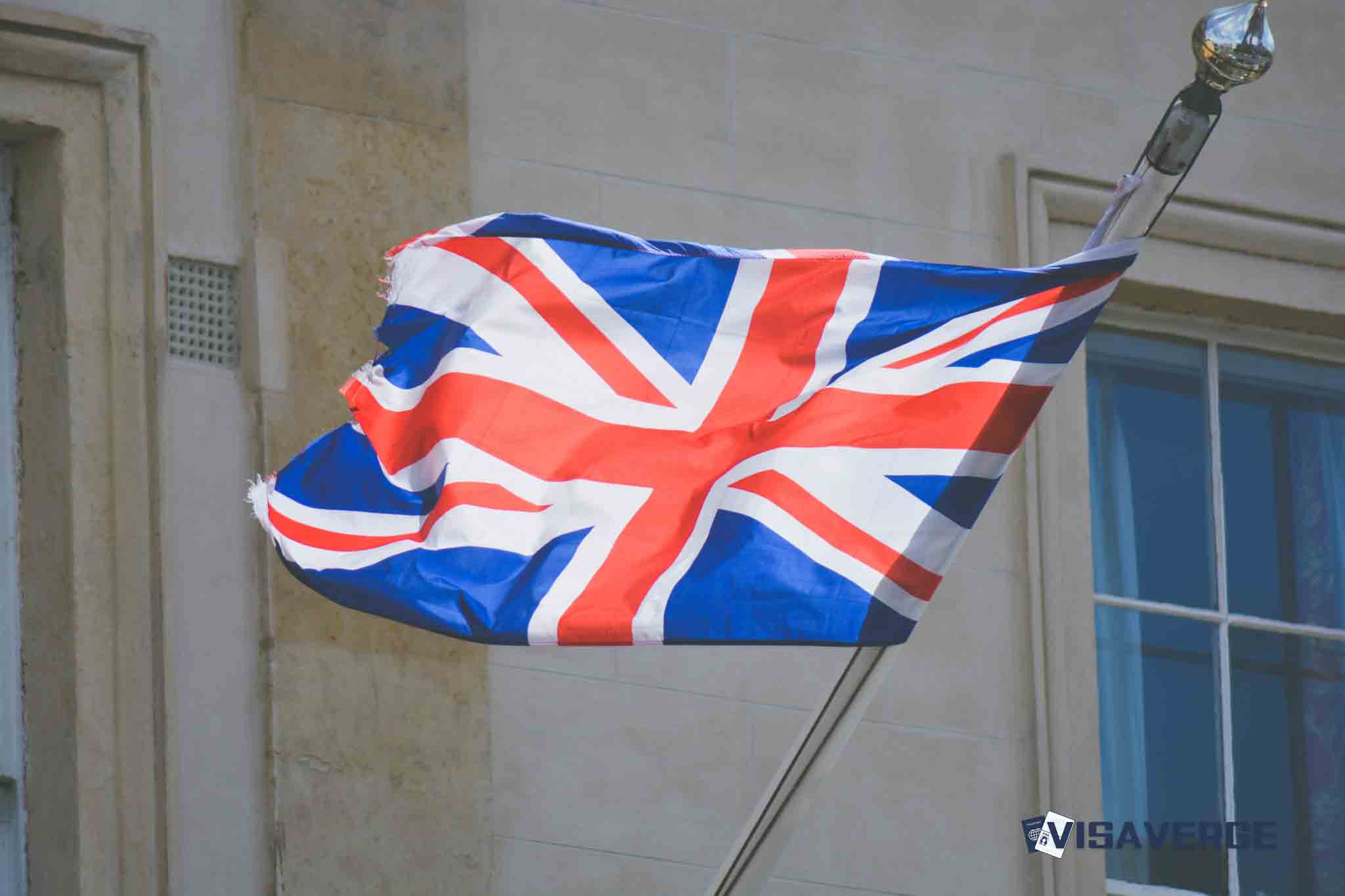
- Anti-immigrant violence spread across Belfast and London following a violent knife attack by a Sudanese national.
- The U.S. Embassy issued a formal demonstration alert for Americans in the United Kingdom as unrest escalated.
- A Rhode Island judge struck down a USCIS policy pausing benefits for nationals from 39 high-risk countries.
(BELFAST, NORTHERN IRELAND) – Police and diplomats responded after anti-immigrant violence spread across Belfast and other U.K. cities following a knife attack on June 8, 2026 that authorities linked to a Sudanese asylum seeker.
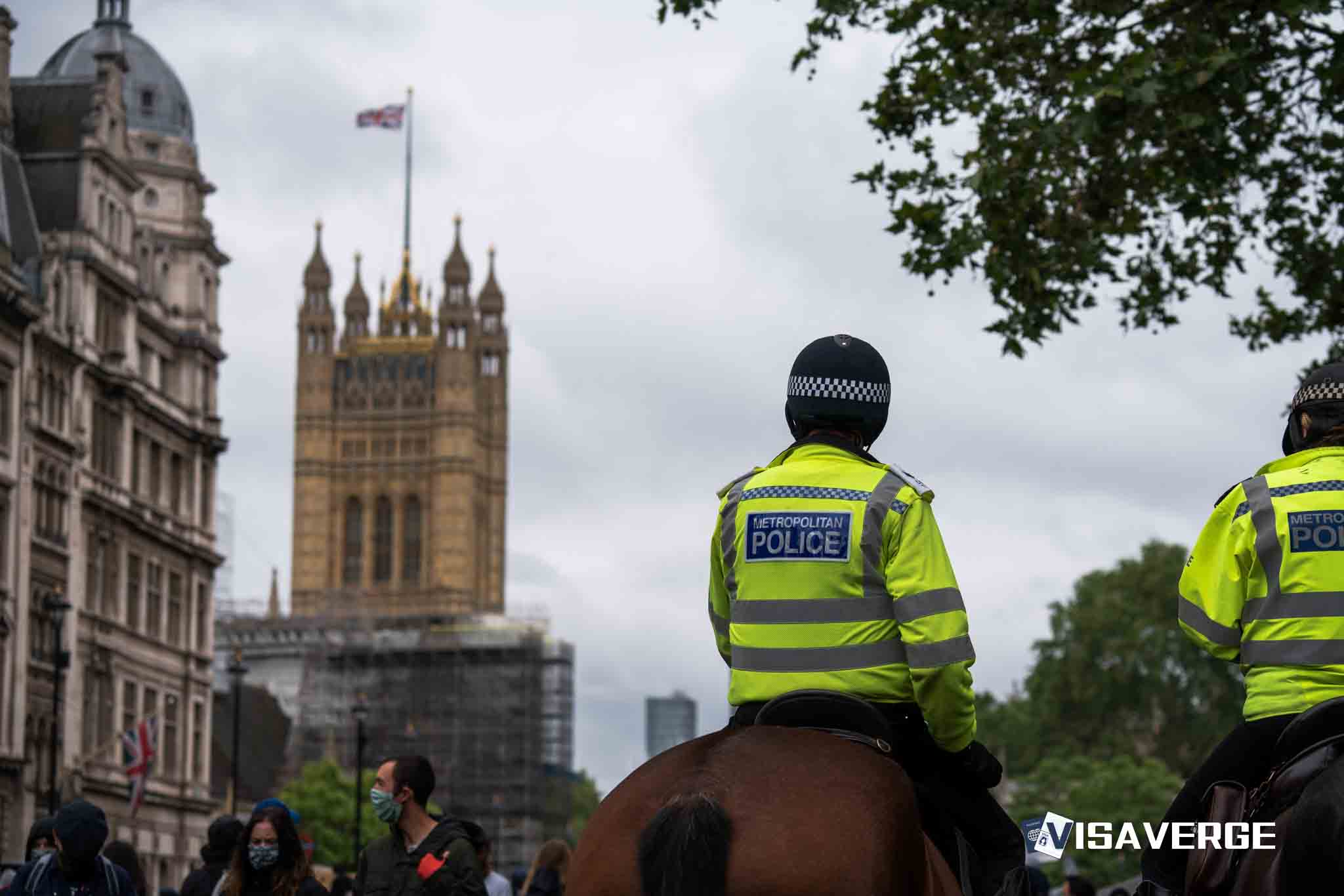
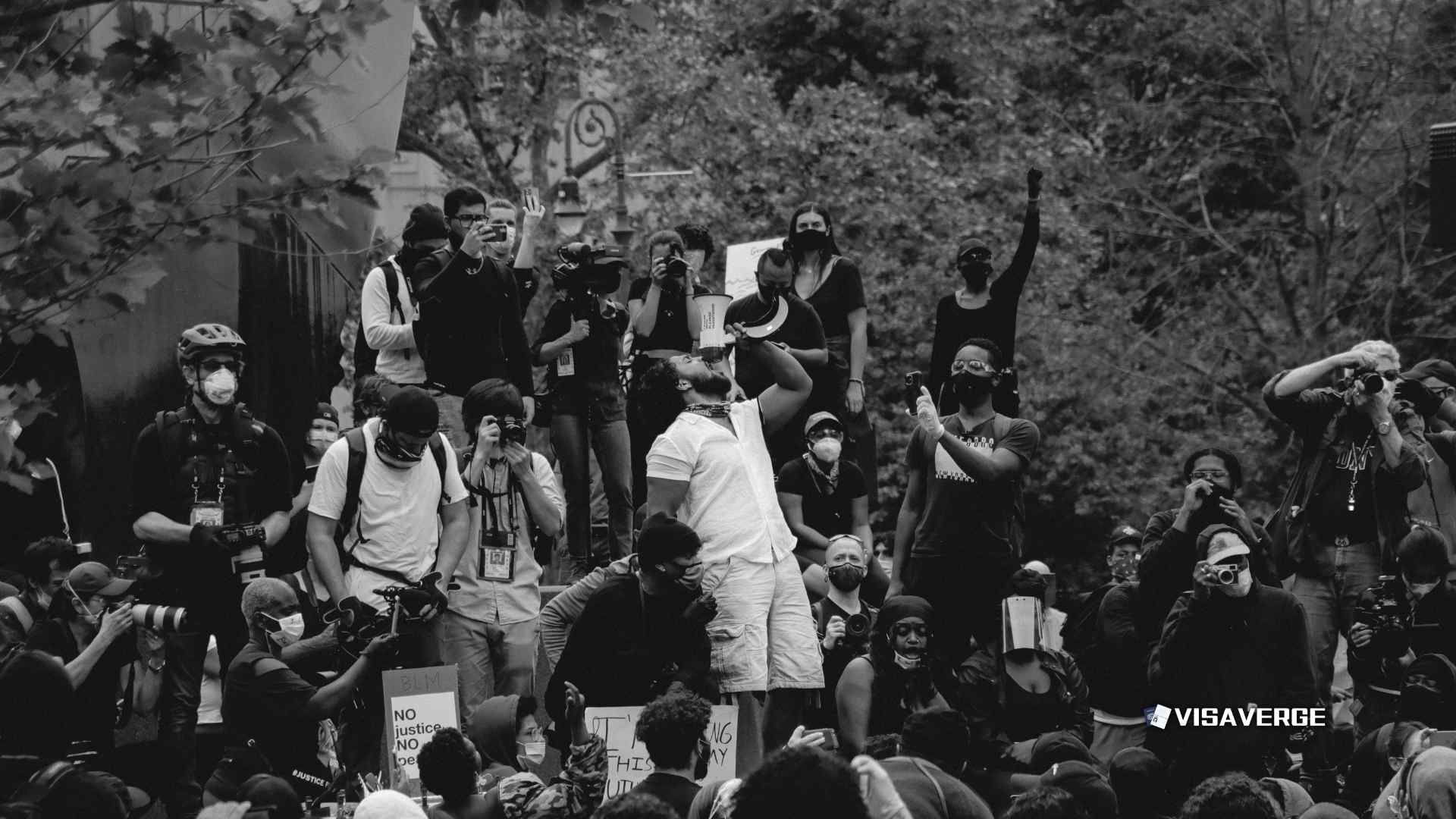
Unrest on June 9 and June 10, 2026 left homes, vehicles and a city bus torched in Belfast, with similar disorder reported in London, Southampton, Glasgow and Edinburgh. Hundreds of masked rioters took part, and immigrant families in Belfast fled under police protection.

The violence followed an attack at 10:30 p.m. on June 8, 2026. Authorities said Hadi Alodid, a 30-year-old Sudanese national, allegedly attempted to behead a man in north Belfast and was charged with attempted murder and threats to kill.
By June 9, 2026, the U.S. Embassy in London and the Consulate General in Belfast had issued a formal Demonstration Alert to Americans in the United Kingdom. The alert warned that protests were expected in Belfast and elsewhere after the stabbing.
“Following the June 8 stabbing attack in Belfast, demonstrations are expected in Belfast and other locations across the United Kingdom. U.S. citizens are encouraged to avoid areas of demonstrations and always exercise caution within the vicinity of demonstrations or if caught in a demonstration.”
| India | China | ROW | |
|---|---|---|---|
| EB-1 | Feb 01, 2023 | Aug 01, 2023 ▲31d | Current |
| EB-2 | Nov 01, 2013 | Oct 01, 2021 | Apr 01, 2025 ▲90d |
| EB-3 | Jan 22, 2014 ▲21d | Jan 22, 2022 ▲14d | Jun 15, 2024 ▲31d |
| F-1 | Jan 22, 2021 ▲366d | Jan 22, 2021 ▲366d | Jan 22, 2021 ▲366d |
| F-2A | Oct 22, 2026 ▲30d | Oct 22, 2026 ▲30d | Oct 22, 2026 ▲30d |
U.S. officials told citizens to monitor local media, enroll in the Smart Traveler Enrollment Program, known as STEP, and review personal security plans. The alert placed the Belfast disorder within a wider security concern as protests spread beyond Northern Ireland.
British authorities said the suspect was a Sudanese refugee who entered the United Kingdom via Dublin in early 2023 and held a legal residence permit valid until 2028. That detail sharpened scrutiny of movement through the Common Travel Area and fed political demands for tighter border controls and vetting.
The Belfast violence also landed during a hardening period in U.S. immigration policy. The United States remains under Presidential Proclamations 10949 and 10998, which fully or partially restrict entry for nationals from 39 “high-risk” countries, including Sudan.
A separate U.S. legal fight moved days earlier. On June 5, 2026, a federal judge in Rhode Island struck down a USCIS policy that had paused the processing of immigration benefits, including green cards and work permits, for nationals from those 39 countries.
That ruling opened a path for Sudanese nationals in the United States to have delayed cases adjudicated, even as the administration kept its emphasis on screening and national security. The court decision and the Belfast attack now sit alongside each other in a debate over how governments weigh vetting, nationality and individual conduct.
At a House Committee on Homeland Security hearing on June 3, 2026, DHS Secretary Markwayne Mullin set out the administration’s position on violent demonstrations. “I am OK with protest, so long as it is done in a peaceful way. however, I have zero tolerance for individuals who verbally assault our officers, go after our vehicles, or assault our property. You assault one of our officers, we will find you. We will arrest you.”
Mullin’s remarks did not address Belfast directly. They came during a period of tighter enforcement against violent protests, including demonstrations outside U.S. detention centers such as Delaney Hall, which the administration linked to broader security concerns involving foreign nationals.
DHS officials have also pointed to international incidents in defending screening changes tied to H.R. 1, the One Big Beautiful Bill Act. The measure brought new screening fees and “anti-Americanism” vetting for asylum seekers in May 2026.
What happened in Belfast fits a broader pattern of anti-immigrant violence crossing borders through online mobilization and political rhetoric. High-profile crimes can move from a local incident to a transnational campaign within hours, especially when immigration status becomes public.
Calls for tougher controls gathered pace after officials disclosed that Alodid entered through Dublin. Critics of current border rules, including Nigel Farage and Elon Musk, used the case to press for stricter vetting, echoing arguments that have become common in U.S. immigration debates.
On the streets of Belfast, the immediate effect fell on families who had no link to the attack. Sudanese residents and Ukrainian refugees were among those driven from their homes as mobs targeted immigrant neighborhoods.
Housing damage pushed the story beyond public order. Torched homes and vehicles left displaced residents dependent on police protection, while anti-immigrant violence turned residential blocks into flashpoints.
Americans in the United Kingdom also faced practical risks as unrest spread to cities with major transport links and tourist traffic. U.S. officials advised travelers to avoid demonstration areas rather than treat the disorder as a contained Belfast incident.
The State Department’s travel information remains available at [travel.state.gov](https://travel.state.gov). Embassy guidance for the United Kingdom directs U.S. citizens to STEP and local security updates as demonstrations continue.
Immigration applicants watching the U.S. side of the story can follow agency announcements through the [USCIS newsroom](https://www.uscis.gov/newsroom). Homeland Security statements and press releases are posted at [dhs.gov/news](https://www.dhs.gov/news).
The collision of a single criminal case, mass street violence and active immigration litigation has left governments on both sides of the Atlantic answering the same question under different laws. In Belfast, that question arrived with fire in residential streets and families leaving home under guard.