- Violent riots erupted in Belfast after a Sudanese national stabbed a local man on June 8, 2026.
- Far-right activists mobilized mass protests, leading to arson attacks on homes and vehicles across the city.
- The U.S. Consulate issued a demonstration alert for citizens as unrest spread across Northern Ireland and the U.K.
(BELFAST, NORTHERN IRELAND) — Violence erupted in Belfast after a stabbing attack on June 8, 2026 and anti-immigration protests spread across the city over the next two nights, with rioters setting fire to a city bus, several cars and multiple homes.
Police arrested Hadi Alodid, a 30-year-old Sudanese national, after Steven Ogilvy, 44, was attacked with a kitchen knife in North Belfast. Ogilvy suffered catastrophic injuries, including the loss of his left eye and severe wounds to his head and neck.

Alodid appeared in Belfast Magistrates’ Court on June 10, 2026, charged with attempted murder and possession of a bladed article. He is reported to be a refugee who was granted a five-year U.K. visa in 2023, with leave to remain until 2028.
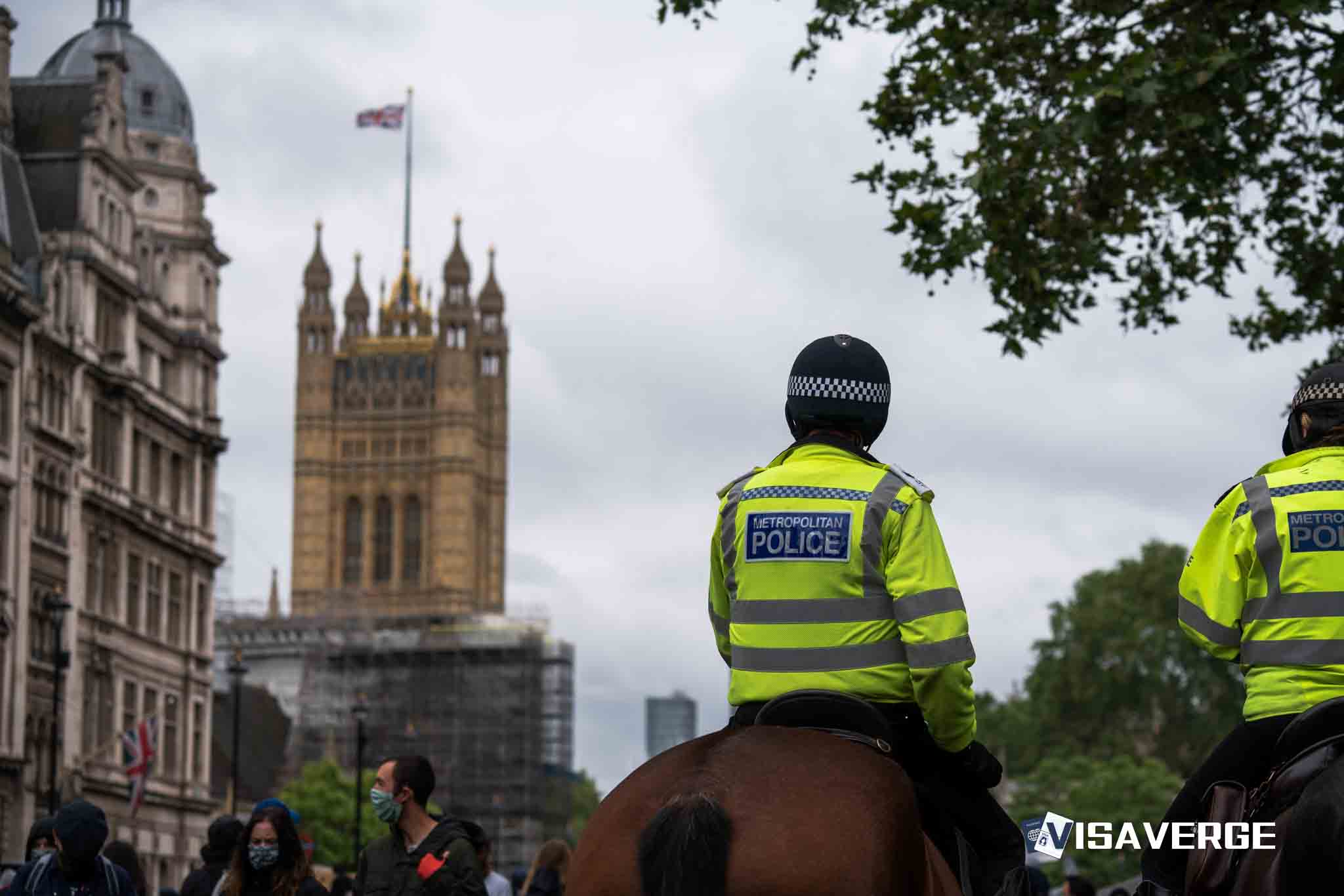
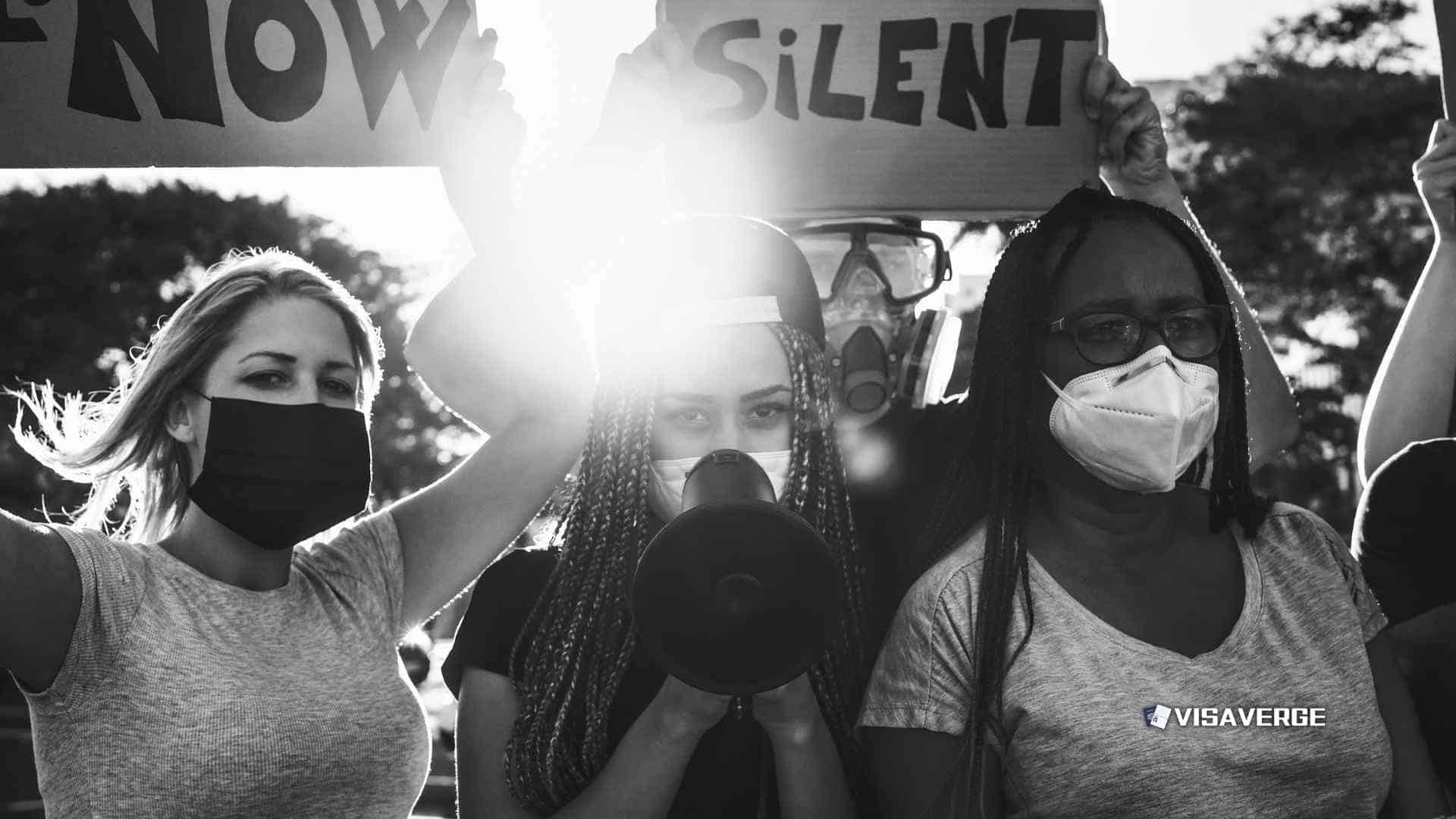
Far-right activists called for mass protests after a graphic video of the attack circulated on social media. Riots followed on June 9 and 10, 2026, and the Police Service of Northern Ireland declared a “critical incident” as officers deployed water cannons and armored vehicles.
| India | China | ROW | |
|---|---|---|---|
| EB-1 | Feb 01, 2023 | Aug 01, 2023 ▲31d | Current |
| EB-2 | Nov 01, 2013 | Oct 01, 2021 | Apr 01, 2025 ▲90d |
| EB-3 | Jan 22, 2014 ▲21d | Jan 22, 2022 ▲14d | Jun 15, 2024 ▲31d |
| F-1 | Jan 22, 2021 ▲366d | Jan 22, 2021 ▲366d | Jan 22, 2021 ▲366d |
| F-2A | Oct 22, 2026 ▲30d | Oct 22, 2026 ▲30d | Oct 22, 2026 ▲30d |
At least 27 people were made homeless after arson attacks on residential properties. Among those affected were immigrant families, including one family with a 2-month-old baby who had to be rescued by police from a burning home.
The disorder quickly turned Belfast into the center of a wider political fight over migration, asylum and public safety. Tensions over immigration had already been rising in Northern Ireland, and the stabbing attack gave far-right figures a graphic rallying point.
Tommy Robinson was among those who used footage of the attack to mobilize protesters, describing it as an “invader attack.” On June 9, Elon Musk amplified those calls on social media, writing, “Only by protesting REPEATEDLY and LOUDLY will there be any change!!”
Northern Ireland First Minister Michelle O’Neill condemned the unrest as “disgusting cowardice.” She said masked men were burning families out of their homes in what some local lawmakers labeled a “race-based pogrom.”
Washington also responded. On June 10, 2026, the U.S. Consulate General in Belfast issued a Demonstration Alert for U.S. citizens in Northern Ireland.
“Demonstrations across Belfast during the evening of Tuesday, June 9 included incidents of damage and arson involving vehicles, residential property, and infrastructure. Further demonstrations are expected in Belfast and locations across the United Kingdom, including London and Edinburgh, over the next several days. U.S. citizens are encouraged to avoid areas of demonstrations and always exercise caution within the vicinity of demonstrations or if caught in a demonstration,” the alert said.
The warning directs U.S. citizens to watch local media, avoid crowds and enroll in the Smart Traveler Enrollment Program (STEP). The alert appeared through U.S. Embassy & Consulates in the United Kingdom and linked the Belfast unrest to possible demonstrations elsewhere in the United Kingdom.
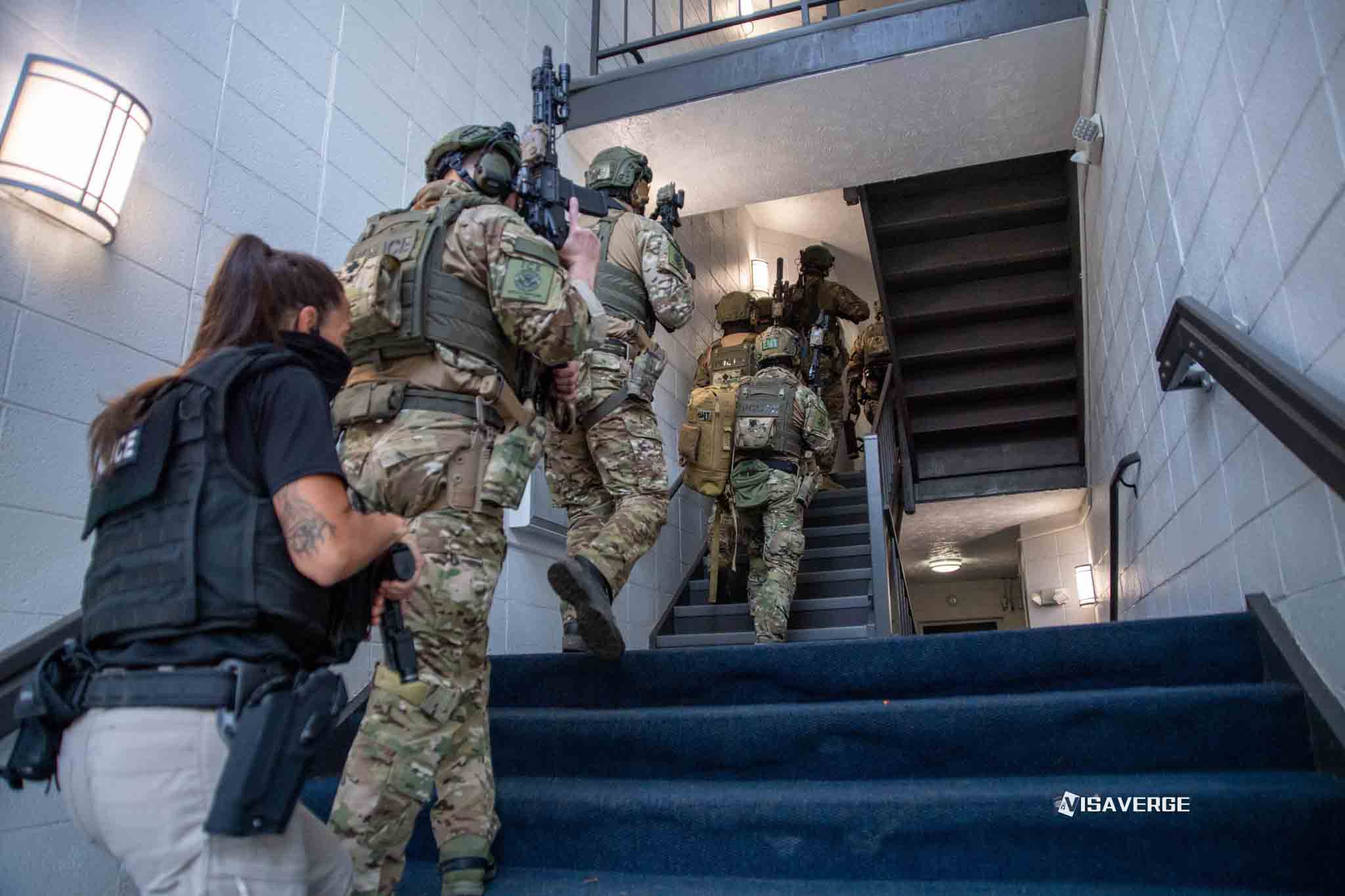
The Department of Homeland Security did not issue a Belfast-specific statement, but DHS Secretary Markwayne Mullin released a broader message on June 8, 2026 on immigrant-related crimes and vetting. “DHS will not stand idly by while Americans are harmed by criminals. who have exploited our generosity and gamed our immigration system. We will continue to use every lawful avenue to denaturalize and remove aliens [who break our laws].”
Mullin’s statement came from the administration’s wider immigration enforcement push and echoed rhetoric that spread online after the Belfast stabbing attack. The episode has sharpened debate in both the U.K. and the U.S. over how asylum claims are screened and how governments respond when non-citizens face serious criminal charges.
That debate has unfolded alongside the immediate damage in Belfast itself. Homes burned, vehicles were destroyed and families fled neighborhoods where protesters targeted properties linked to immigrants.
The protests also exposed how quickly a violent crime can be turned into a mass political mobilization. Video from the attack moved across social media within hours, then calls for street action followed, turning anger over one assault into two nights of anti-immigration protests and arson.
Northern Ireland carries a long history of civil unrest, and the speed of the escalation gave the disturbances added weight. Police treated the situation as severe enough to invoke emergency-style tactics, while political leaders tried to halt a slide from protest into organized attacks on homes.
Ogilvy remained at the center of the criminal case that set off the wider upheaval. The attack on him was described as brutal from the outset, and the injuries detailed by authorities, severe head and neck wounds and the loss of an eye, helped drive the public reaction before the protests turned toward immigrant communities.
Alodid’s immigration status then became central to the public dispute. His reported refugee status, the five-year visa granted in 2023 and leave to remain until 2028 fed demands from anti-immigration activists for tighter controls and tougher screening.
U.S. government references tied to the unrest remained focused on security and travel safety rather than local policing. The relevant public pages included the travel alert platform, the DHS newsroom and the USCIS newsroom.
By late week, Belfast was dealing with two sets of victims from the same sequence of events: a man left with catastrophic stabbing injuries and families driven from their homes by fire. The phrase O’Neill used, “disgusting cowardice,” captured the official response to nights in which the city bus burned, houses went up in flames and a 2-month-old baby had to be carried from danger.