- A power failure cut water supplies to both London Gatwick terminals on July 26, 2026.
- Flight operations remained on schedule despite the closure of toilets, fountains, and most restaurants.
- Engineers restored the treatment plant by afternoon, though pressure recovery and water processing took longer.
A power outage at a local treatment plant cut water supplies to both terminals at Gatwick Airport on Sunday, July 26, 2026, leaving passengers without flushing toilets, hand-washing facilities and many food outlets while flights continued normally.
SES Water said the failure affected supplies after complications at its Bough Beech Water Treatment Works. Customers in the surrounding network faced low pressure or a temporary loss of supply.
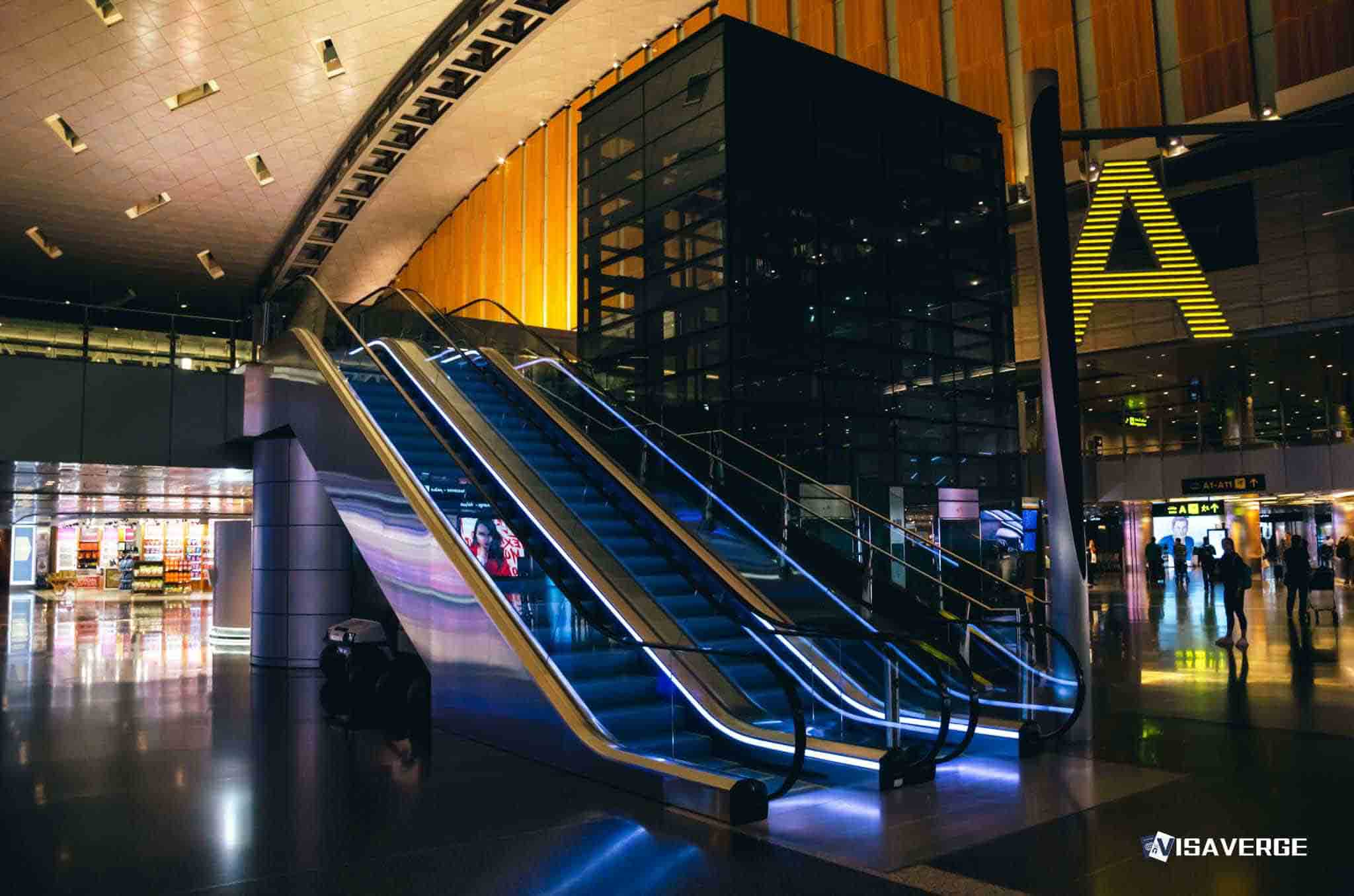
The airport distributed bottled water to passengers and staff. It also began contingency measures intended to protect passenger welfare while engineers investigated the disruption in the Horley area.
Flights kept operating as scheduled.
Julia Hartley-Brewer, who was traveling to the airport, posted a public warning about the conditions:
“If you're on your way to Gatwick airport, it might be helpful to know that there is no running water across the entire airport.”
“That means no coffees, no water fountains, no flushing toilets and no hand washing.”
Passengers described a breakdown in basic terminal services. Toilets could not flush, fountains stopped working and restaurants and bars closed because staff could not prepare food or hot drinks under normal hygiene conditions.
Some travelers sat on the floor after restaurants closed. Michael Dugher, a former Member of Parliament who was at the airport, said the closed spaces should be opened to create more seating for passengers.
Paul Lee said he had not heard a word about the shut-off or seen bottled water being distributed early in the day.
The outage extended beyond the airport. Interruptions were reported in parts of the TN11, RH1, RH6 and RH10 postcode areas, affecting sections of Kent and Sussex as well as Horley.
Both terminals lost normal water services while aircraft kept moving
The disruption affected the North and South terminals. The operational picture separated into two parts: aircraft movements continued, but facilities used between flights became difficult or impossible to use.
| Service or area | Condition during the disruption |
|---|---|
| Flights | Continued to operate normally and as scheduled |
| Toilets | Flushes unavailable in both terminals |
| Hand washing | Facilities unavailable |
| Water fountains | Not operating |
| Restaurants and bars | Almost all closed |
| Passenger drinking water | Bottled water made available |
| Terminal seating | Pressure increased after food outlets closed |
The airport said bottled water was available across the site. Staff also put other contingency measures in place as the local supply problem continued.
The effects reached food and beverage outlets quickly. Without running water, almost all bars and restaurants could not serve hot drinks or meet preparation and hygiene requirements.
That left passengers with fewer places to sit. Dugher said the airport should open restaurant areas, describing the extra seating as a welfare measure while the outage continued.
The utility restored the plant but warned that supply would take longer
The water company said the treatment works returned to operation during the afternoon. Water still needed processing before normal service could resume.
At 12:21 PM, the company said the power outage had caused “a number of complications” and left some customers with low pressure or no supply. It said crews were working to overcome those problems and return the facility to supply.
At 1:47 PM, the company issued a further update:
“We are pleased to provide an update that our Bough Beech water treatment works are back up and running; we now need to treat the water before returning services to normal as quickly as we possibly can.”
The restart did not immediately restore pressure at the terminals or in nearby residential areas. Airport staff continued distributing bottled water while the network stabilized.
The incident began during one of the busiest summer weekends. The airport handles approximately 43 million passengers annually and is the UK's second-busiest airport.
The failure hit an airport awaiting a £2.2 billion runway decision
The disruption came as the airport awaited a government decision on its £2.2 billion Northern Runway expansion plan. The utility had also been acquired by the Pennon Group in early 2024, after which it faced scrutiny over infrastructure resilience.
Pierre-Hugues Schmit has served as the airport's chief executive officer since September 2025. Stewart Wingate, managing director of UK Airports for Vinci Airports and GIP, oversees strategic direction for the airport, Edinburgh and Belfast.
Ian Cain is chief executive officer of the utility, while Debra Goodwin is its chief customer officer. Their management teams faced the operational problem on Sunday as the treatment plant moved from power failure to restart and water processing.
The airport's public statement described the issue as a water problem in Horley affecting both terminals. It said the disruption was under investigation and that bottled water and contingency measures were being provided for passengers and staff.
By the afternoon, the treatment facility was running again, but the remaining processing and pressure-recovery work still governed when toilets, fountains, hand-washing stations and food outlets could return to normal. Travelers passing through the airport on July 26 faced continuing restrictions until that work was complete.