- Southwest and Singapore Airlines launched an interline partnership for single-ticket international travel.
- Travelers gain through-checked baggage and connection protection at LAX, SFO, and SEA gateways.
- The agreement excludes reciprocal mileage earning or redemption between Rapid Rewards and KrisFlyer.
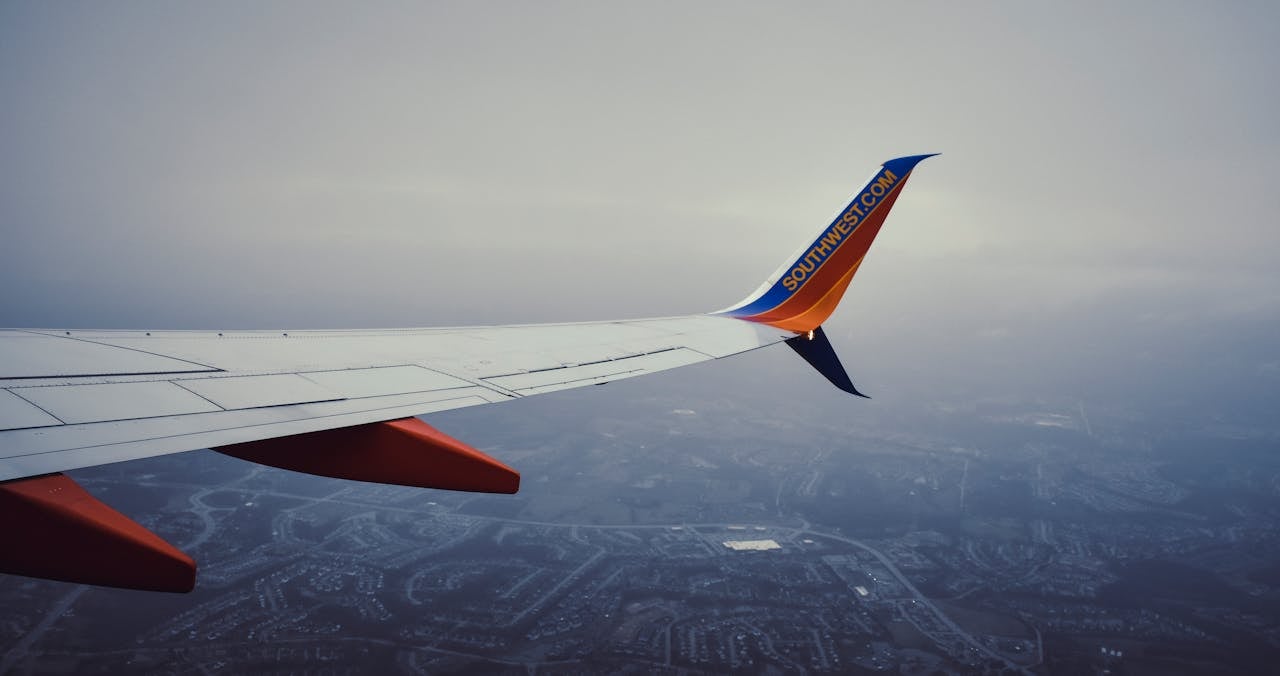
(UNITED STATES) — Southwest Airlines now gives travelers a cleaner way to pair its U.S. network with Singapore Airlines and Scoot on one ticket. The new interline partnership lets customers book single-ticket itineraries with through-checked baggage on eligible trips, which cuts down on self-transfers and re-checking bags at the gateway.
The tradeoff is just as important. This is an interline agreement, not a full codeshare or loyalty tie-up. You get easier connections, but not reciprocal mileage earning, mileage redemptions, or the deeper elite benefits that often come with tighter airline partnerships.
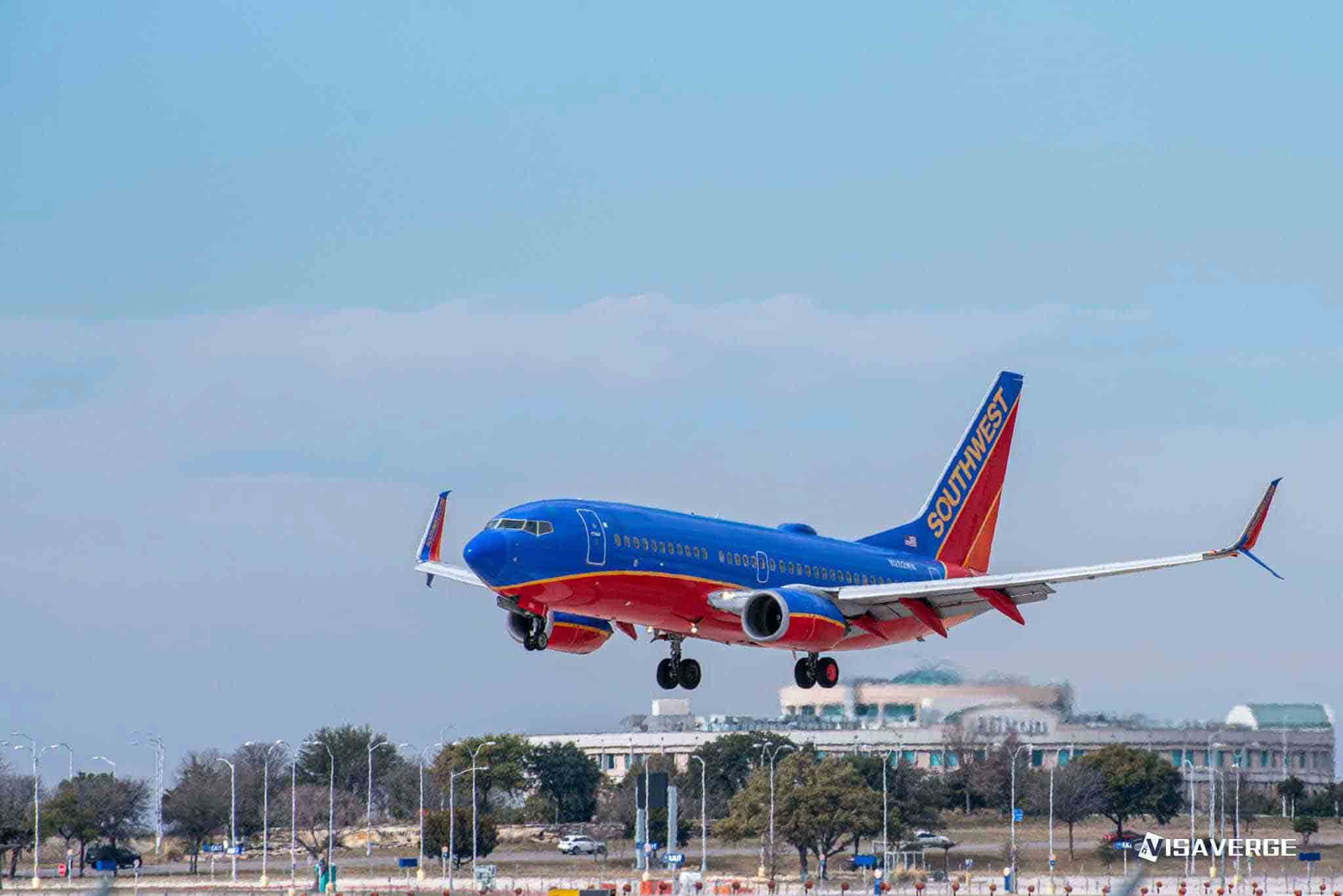
That makes the choice fairly clear. If you want one reservation, one baggage check, and access to Singapore Airlines’ long-haul network from Southwest’s domestic map, this new setup helps. If you want points reciprocity or a more unified frequent-flyer experience, it does not deliver that.
The partnership runs through three U.S. gateway airports: Los Angeles (LAX), San Francisco (SFO), and Seattle/Tacoma (SEA). From there, Singapore Airlines and Scoot connect to more than 130 destinations in 35 countries and territories, while Southwest says the link opens access to nearly 120 Southwest airports.
Southwest and Singapore Airlines announced the agreement on June 8, 2026, during the IATA Annual General Meeting in Rio de Janeiro, Brazil. Southwest chief operating officer Andrew Watterson said Singapore Airlines is the eighth carrier in the company’s partnership portfolio and pointed to its “quality and reach.”
Tickets can be booked through Singapore Airlines, travel agents, and travel websites. Southwest now lists Singapore Airlines among its airline partners, alongside its other interline partners. The booking path matters, because this is meant to simplify connections rather than create a shared loyalty ecosystem.
| Feature | Southwest + Singapore Airlines interline | Separate tickets |
|---|---|---|
| Booking | Single-ticket itinerary | Two or more separate reservations |
| Baggage | Through-checked baggage on eligible trips | Usually requires re-checking bags |
| Connection protection | Covered under one itinerary | Missed connections can be harder to fix |
| Mileage earning | No reciprocal mileage benefits | Depends on each ticket and fare |
| Redemption | No reciprocal redemption benefits | Each booking stands alone |
| Best for | Travelers who want simpler connections | Travelers chasing the lowest possible fares |
The biggest win here is operational, not glamorous. A single-ticket itinerary reduces the friction that usually comes with stitching together a domestic U.S. flight and an overseas carrier. If a Southwest flight runs late, the passenger is not juggling separate reservations and hoping both airlines honor the connection.
Through-checked baggage adds another layer of convenience. Eligible trips let bags move from origin to final destination without an airport reset in the middle. That matters most on longer itineraries, where baggage claims, customs checks, and re-check lines can turn a connection into a slog.
The route map also gives the partnership real practical value. LAX, SFO, and SEA already function as major long-haul gateways for Asia and beyond. Southwest’s domestic footprint then fills in the U.S. side of the trip, including cities that would otherwise require separate positioning flights.
That combination can help travelers living outside the largest coastal cities. A passenger in Phoenix, Denver, or Nashville can book Southwest into a gateway, then connect onward through Singapore Airlines or Scoot on one reservation. The same setup can work in reverse for inbound international trips into the Southwest network.
Singapore Airlines and Scoot bring scale that Southwest cannot match on its own. Together, they serve more than 130 destinations in 35 countries and territories. That reach includes major business centers and leisure markets across Asia, Australia, and Europe, depending on the exact routing.
Southwest, meanwhile, says the partnership opens access to nearly 120 Southwest airports from those gateways. That is the part most U.S. travelers will notice first. The airline’s domestic network is still built around point-to-point flying, and this gives it a more international-feeling edge without turning Southwest into a global hub carrier.
The missing piece is loyalty value. This agreement does not create reciprocal mileage earning or redemption. Southwest Rapid Rewards and Singapore Airlines KrisFlyer remain separate programs, and there is no new way to earn or burn points across both sides of the booking.
That distinction matters. A full codeshare often lets airlines market each other’s flights under shared flight numbers, and a deeper partnership can extend elite recognition or award access. An interline agreement sits below that level. It improves the trip, but it does not merge the programs.
That puts this partnership in a different category from the kinds of alliances frequent flyers often chase. It should not be mistaken for a new way to earn Southwest points on Singapore-operated flights, or KrisFlyer miles on Southwest segments. Those benefits were not part of the announcement.
Booking channels are fairly broad. Travelers can buy the itinerary through Singapore Airlines, travel agents, and travel websites. That helps because interline products are often easiest to sell through multi-carrier booking systems rather than an airline’s own site alone.
Travel agents also gain a useful tool for complex itineraries. A single booking can stitch together a domestic Southwest leg with a Singapore Airlines or Scoot long-haul segment, then keep the trip under one reservation record. That is especially helpful on round trips that involve different gateway airports on each end.
Here is the comparison that matters most:
| Option | Best use case | Main drawback |
|---|---|---|
| Southwest interline itinerary with Singapore Airlines | One booking, checked bags, simpler transfers | No reciprocal miles or redemptions |
| Separate Southwest and Singapore bookings | Maximum pricing flexibility | More risk if a connection goes wrong |
| Pure Singapore Airlines itinerary | Best when both segments are available on one carrier system | Less useful if you need Southwest’s domestic coverage |
Choose the interline itinerary if your trip depends on Southwest’s domestic reach and you want fewer moving parts. That is the cleaner option when the flight path runs through LAX, SFO, or SEA and the checked bag matters.
Choose separate tickets if price is the main issue and the connection is long enough to absorb delays. That route can still save money, but the traveler assumes more of the risk at the transfer point.
Choose a pure Singapore Airlines or Scoot booking if your priority is staying inside one carrier’s system as much as possible. That can be cleaner for mileage accounting, especially if a trip is built around KrisFlyer earning or award plans.
Southwest’s move also says something about how airlines are filling gaps without formal alliances. An interline partnership can widen network access fast, and it does so without the complexity of a deeper commercial tie. It is a pragmatic step, not a merger of strategies.
For passengers, the real test starts at booking and then at the airport. Check whether the itinerary is ticketed as one reservation, confirm that bags are tagged through to the final destination, and verify that the connection runs through one of the three gateways: LAX, SFO, or SEA. That is the difference between a smoother long-haul trip and a transfer built from two separate flights.