- Romania’s re-entry into the U.S. Visa Waiver Program depends on political talks with the Trump administration.
- The current refusal rate for B-visas sits at 8.41 percent, exceeding the required 3 percent threshold.
- Romanian travelers must continue using B-1/B-2 visas as ESTA access remains rescinded due to security concerns.
Oana Țoiu said on July 20, 2026, that Romania’s path back toward the U.S. Visa Waiver program still runs through political talks and the Trump administration, even though Bucharest says it once cleared the sub-3% visa-refusal threshold. The latest numbers tell a different story. Romania’s FY2025 figure sat at 8.41%.
Țoiu cast the issue as a top item in the bilateral relationship.

"Visa Waiver is a priority in the bilateral relationship. As you know, in the relationship between the United States and Romania, we had already managed to reach the threshold of under 3% for visa refusals. When it moves forward depends on the political discussion, certainly, on reducing the refusal rate again to that threshold, but also on President Trump's administration in terms of the paradigm it has regarding travel and the opening of the border."
That quote reflects the tension inside the file. Romania says it hit the benchmark. The later data do not.
The adjusted B-visa refusal rate for Fiscal Year 2025 was 8.41%, well above the 3% cutoff tied to Visa Waiver eligibility. It also marked a sharp reversal from 2024, when the rate briefly dipped below 3% before the program was pulled back. The line moved fast.
Washington moved even faster in 2025. The Biden administration designated Romania for the program on January 9, 2025. The Trump administration paused implementation on March 25, 2025. DHS then rescinded the designation on May 2, 2025. Officials pointed to border and immigration security, reciprocity issues, and program integrity.
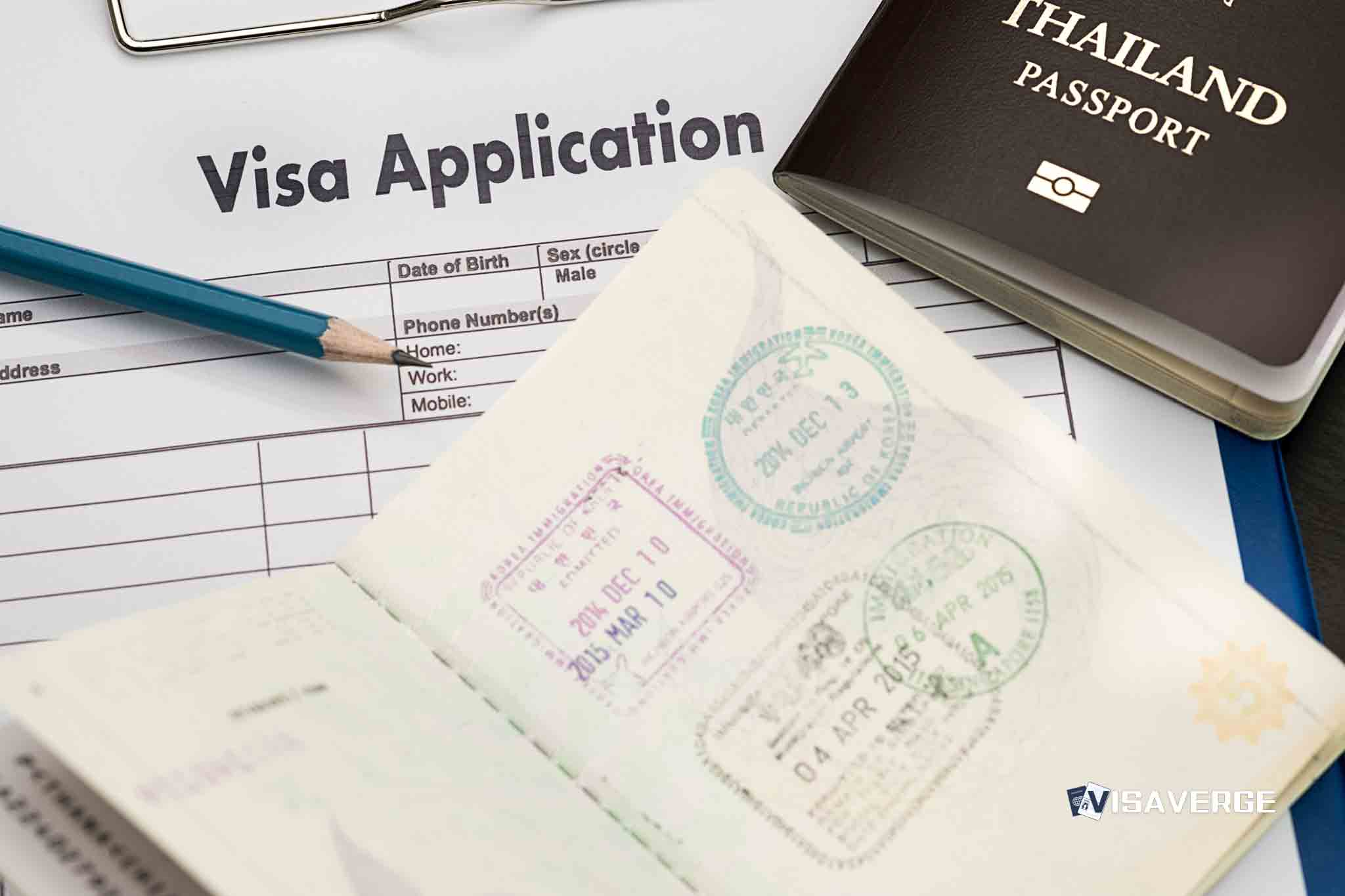
Romanian travelers still sit outside the waiver lane. They cannot use ESTA and must apply for a B-1/B-2 visitor visa at a U.S. embassy or consulate. About 300,000 Romanians hold U.S. visas, and officials have urged them to renew those visas to help push the refusal rate down. Wait times and stricter vetting have made that harder.
Romania’s waiver file moved fast in 2025
The timeline shows why the issue keeps resurfacing. A designation arrived in January. A pause followed in March. Rescission came in May. The July 20 update then dropped the file back into the middle of an unfinished political conversation.
| Date | Move | Result |
|---|---|---|
| January 9, 2025 | The Biden administration designated Romania for the program | Romania was included |
| March 25, 2025 | The Trump administration paused implementation | The start was delayed |
| May 2, 2025 | DHS rescinded the designation | Romania lost the status |
| 2024 | The refusal rate briefly dropped below 3% | The benchmark was met temporarily |
| Fiscal Year 2025 | Adjusted B-visa refusal rate | 8.41%, above the 3% line |
| July 20, 2026 | Țoiu gave her latest update | Political talks remained central |
DHS tied the 2025 rescission to security and reciprocity
Tricia McLaughlin said the department acted after weighing border and immigration security with the Secretary of State. The statement also left the door open, at least in theory, for another review.
"In light of this Administration's focus on border and immigration security, the Secretary of Homeland Security has decided, in consultation with the Secretary of State, to rescind Romania's VWP designation effective immediately. We are grateful for Romania's close partnership over the years. Romania may be reconsidered for VWP admission in the future."
That wording matched the broader policy shift. It did not restore Romania’s place. It only kept the possibility alive.
Travelers still face the visa line
For now, the practical result is simple. Romanian citizens still need a visitor visa for the United States. ESTA is out of reach.
The embassy queue has not emptied either. About 300,000 Romanians already hold U.S. visas, and officials have urged them to renew them as part of the effort to bring refusals lower. But wait times and stricter vetting have slowed that push.
Bucharest kept the diplomatic calendar full
On July 20, 2026, President Nicușor Dan promulgated a law officially designating 2026 as the "Year of the United States of America in Romania". Romania also continued to take part in the international coalition to reopen the Strait of Hormuz. The diplomatic calendar still has dates on it.