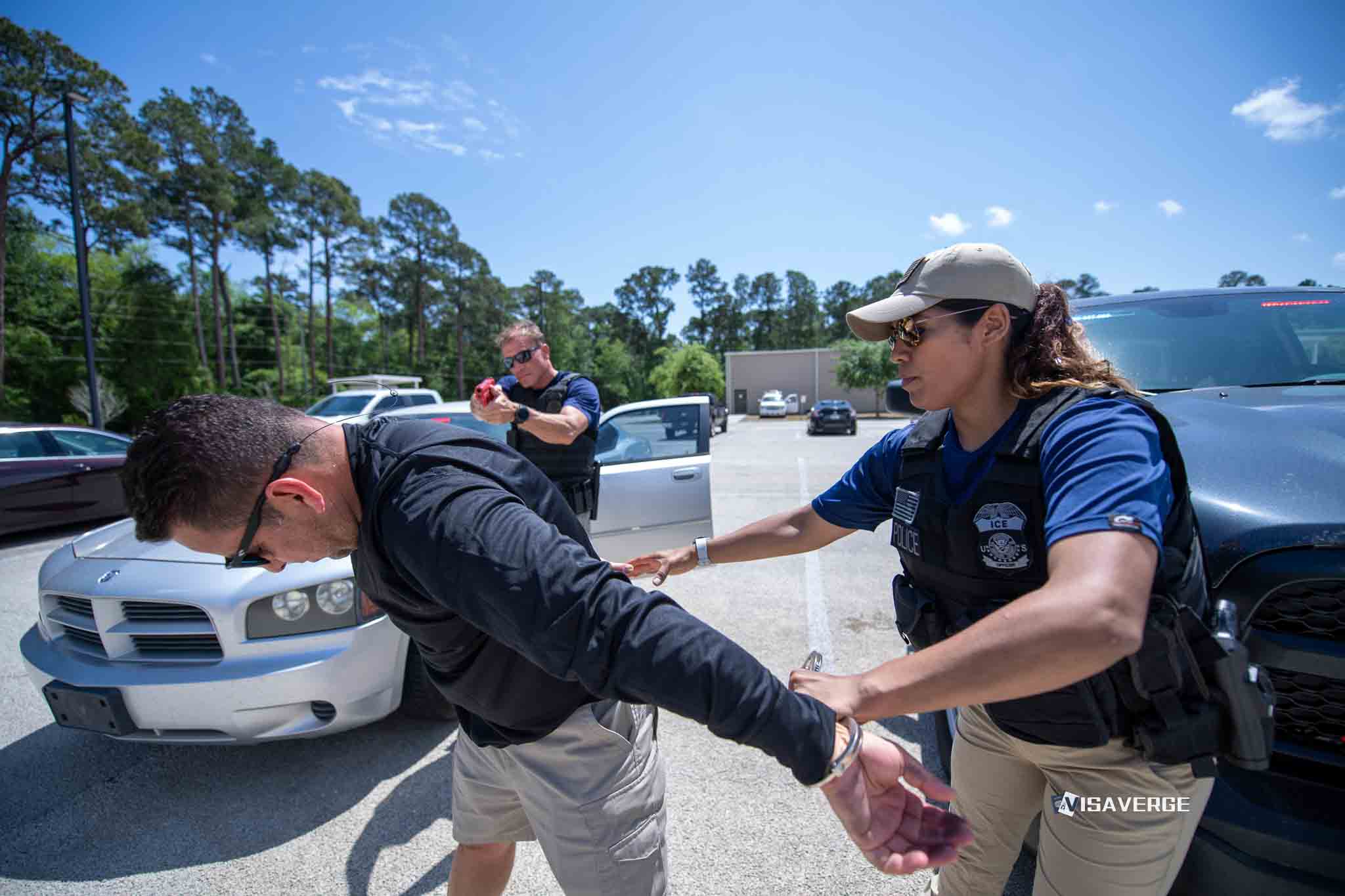
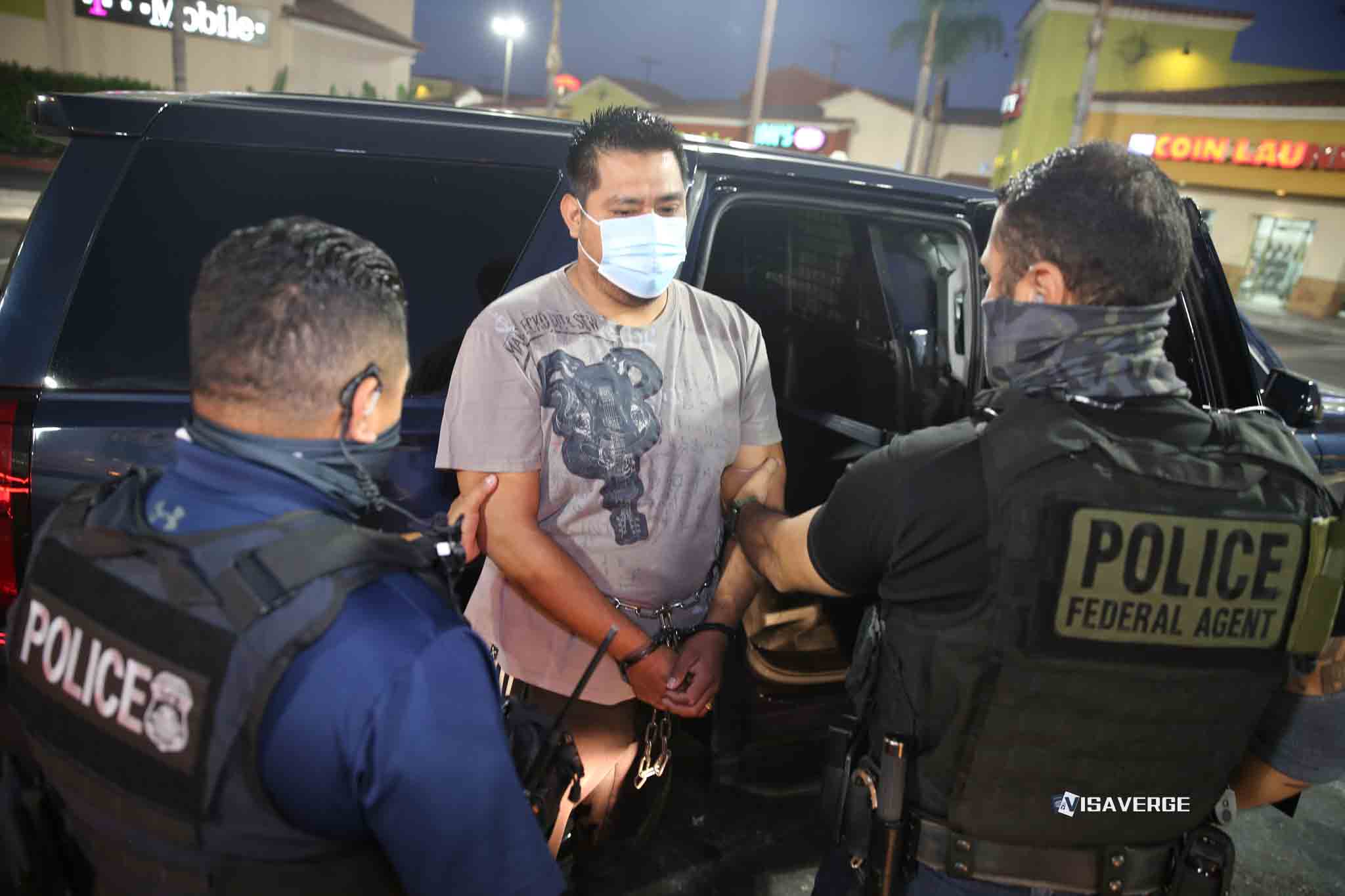
ICE enforcement in Connecticut escalated in late August 2026, with advocates reporting at least 20 arrests across Danbury, Bridgeport, and Stamford on August 25, 2026. By August 27, 2026, advocates said the sweep had grown to “more than 50 arrests” and torn apart about 40 families, while DHS said some detainees had serious criminal convictions.
- Advocates said ICE arrests on August 25, 2026 reached at least 20 people in Danbury, Bridgeport, and Stamford.
- Coverage on August 27, 2026 said ICE activity in Danbury included arrests at a day laborer site, outside residences, and at businesses.
- Connecticut advocates later said the operation had produced “more than 50 arrests” and affected about 40 families.
- A separate August 28, 2026 report said ICE arrests nationwide rose sharply in June and July, with nearly 50,000 people arrested in July alone.
- Plainclothes ICE agents are targeting travelers at Bradley International Airport after they pass through security checkpoints.
- Connecticut officials and Governor Lamont criticized the covert operations for occurring without local coordination or advance notice.
- Agents reportedly use pre-flight passenger data to identify individuals for immigration violations during routine domestic travel.
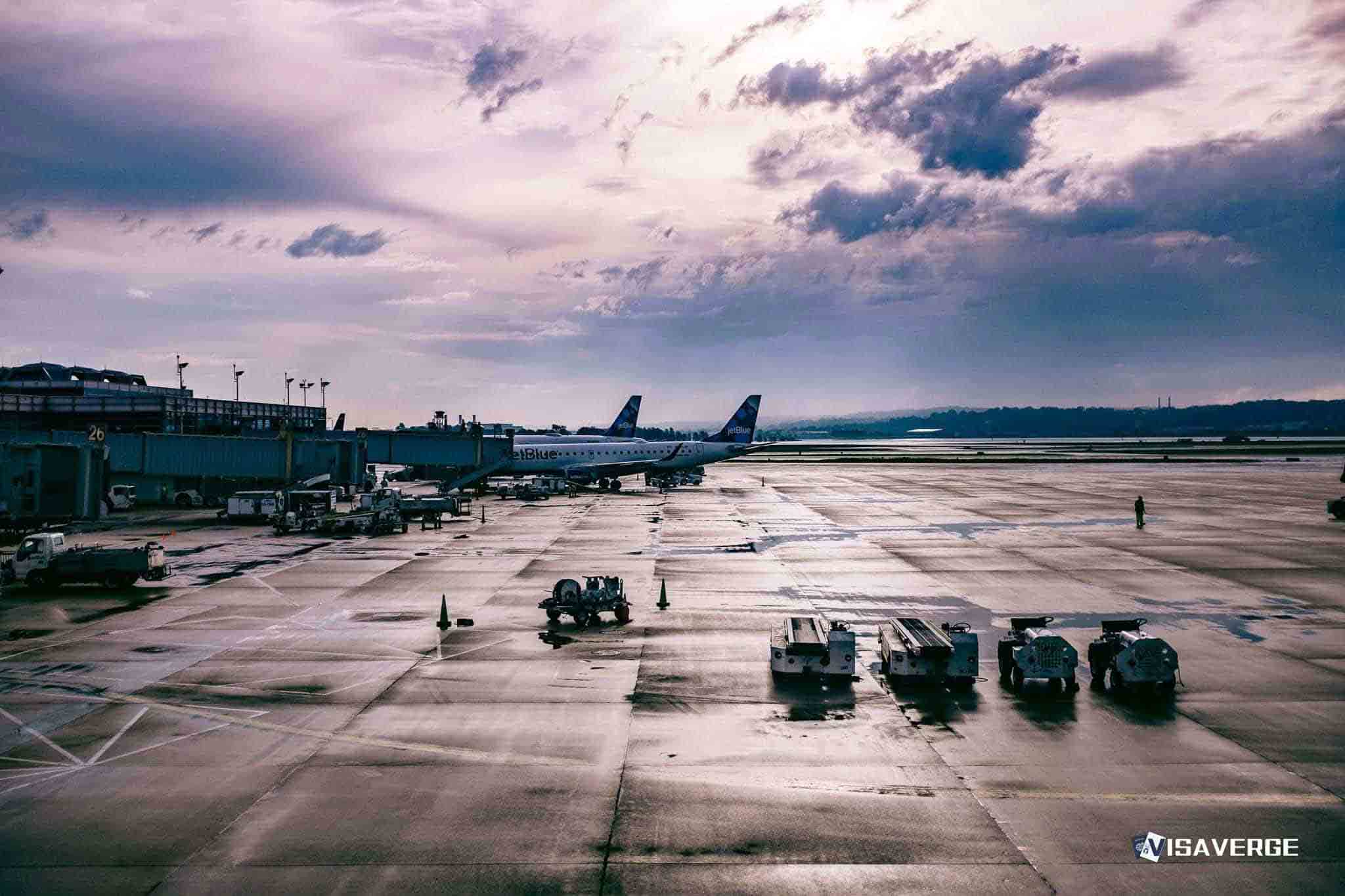
Connecticut officials said U.S. Immigration and Customs Enforcement agents have carried out several targeted operations in recent weeks at Bradley International Airport, stopping travelers after they pass through airport security screening areas.
The Connecticut Airport Authority confirmed the activity on July 24, 2026, saying the federal agents wore plain clothes and could not be readily identified. The authority said it did not help with the operations and learned about them only afterward.
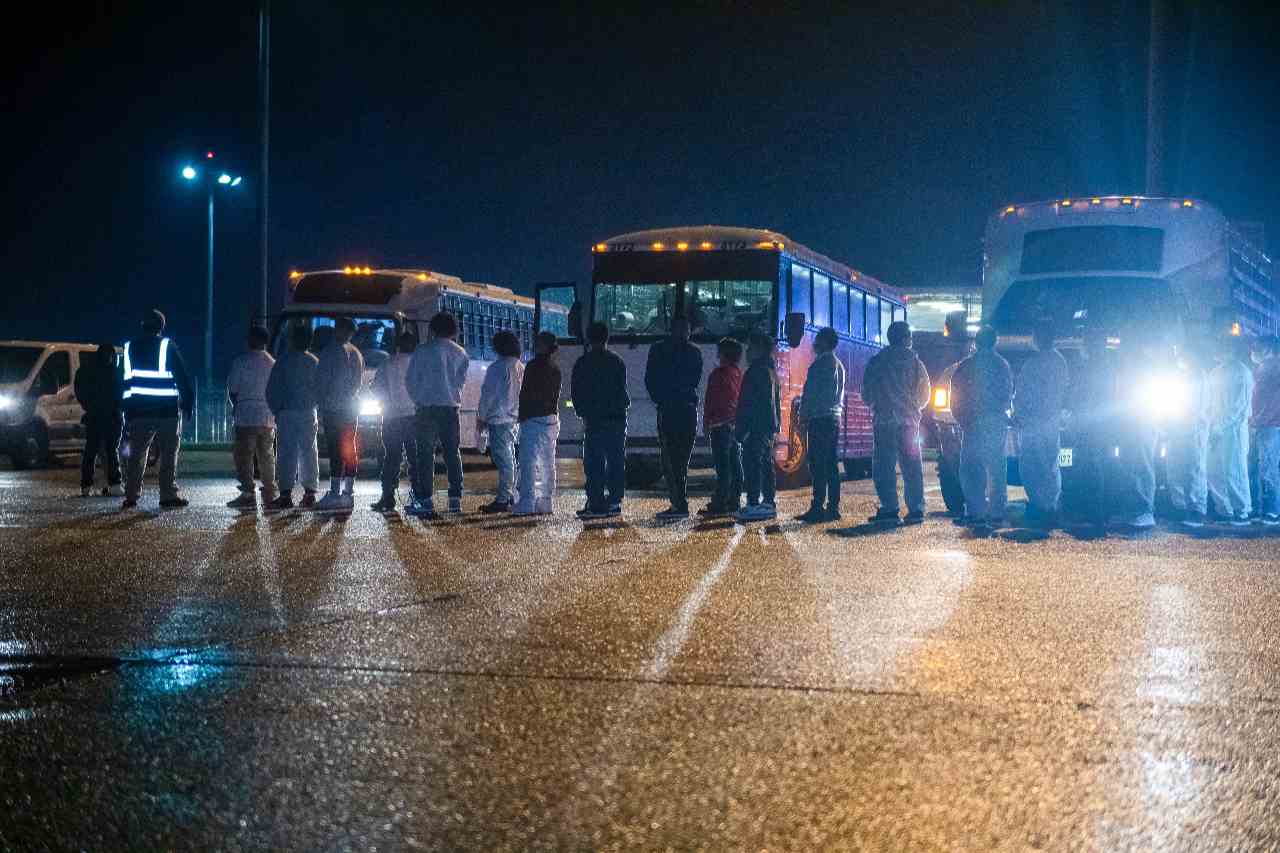
Gov. Ned Lamont criticized the arrests. He said travelers could be detained while trying to take ordinary domestic trips.
| India | China | ROW | |
|---|---|---|---|
| EB-1 | Feb 01, 2023 | Aug 01, 2023 ▲31d | Current |
| EB-2 | Nov 01, 2013 | Oct 01, 2021 | Apr 01, 2025 ▲90d |
| EB-3 | Jan 22, 2014 ▲21d | Jan 22, 2022 ▲14d | Jun 15, 2024 ▲31d |
| F-1 | Jan 22, 2021 ▲366d | Jan 22, 2021 ▲366d | Jan 22, 2021 ▲366d |
| F-2A | Oct 22, 2026 ▲30d | Oct 22, 2026 ▲30d | Oct 22, 2026 ▲30d |
"Leave us alone. Leave these people alone. These are maybe people who want to go for a long weekend and see their aunt in Chicago, instead of getting picked up by ICE at the TSA at Bradley, maybe sent away to a detention facility."
Commissioner Ronnell Higgins of the Connecticut Department of Emergency Services and Public Protection said officials understood that agents could check travelers after they passed through TSA screening. If agents found an immigration violation, they could remove the person from the line, he said.
"We were made aware that they are at the airport, and if someone goes through TSA, that they may be checked. And if in fact there's a violation, that they're pulled out of the line. But that's the extent to what I know right now."
Plainclothes agents operated without airport assistance
The authority said the federal activity occurred during multiple operations, not a single incident. Its statement also said airport officials learned about the actions after they happened.
Connecticut State Police assigned to the airport did not participate, Higgins said. The state’s Trust Act limits cooperation between local law enforcement and federal immigration authorities.
Rep. John B. Larson, a Democrat who represents Connecticut’s 1st Congressional District, condemned the operations in a July 24, 2026 statement. He said agents were taking residents from security lines while state and airport officials lacked advance information.
“I am outraged by the news of covert ICE operations at our state's airports—where agents are secretly snatching residents out of security lines. Armed with residents' personal data, ICE is once again operating as President Trump's personal army—as they leave state and local law enforcement, and even airport officials, in the dark.”
Larson also reported similar activity at Tweed-New Haven Airport. Tweed officials said on July 24 that they had not received formal notice of ICE activity from the TSA.
Reports describe passenger-data checks before security
Reports suggest agents use pre-flight passenger information to identify travelers suspected of immigration violations before they reach security checkpoints. The information can include names, addresses and credit card details.
The reported process places the immigration checks inside the airport journey. Travelers first encounter routine screening, then may face an immigration check and removal from the security line if agents identify a violation.
The material describes the operations as concentrated in federal security screening areas. It does not describe the Connecticut Airport Authority as having a role in selecting travelers or making arrests.
Advocacy group Unidad Latina en Acción said the arrests have created fear among residents and discouraged some people from traveling, including on domestic flights.
Airport enforcement follows a wider federal expansion
Federal officials have described the airport deployments as part of a broader enforcement push. ICE agents have been deployed to major U.S. airports since March 2026.
The administration initially said the agents were helping address TSA staffing shortages linked to a partial Department of Homeland Security shutdown. Border Czar Tom Homan later confirmed that the agents were also enforcing immigration laws in terminals and security lines.
DHS Secretary Markwayne Mullin signaled the administration’s approach during a July 17, 2026 news conference.
“We’re turning up the heat on the streets. the ICE crackdown will intensify.”
The expansion received funding through the "One Big Beautiful Bill Act" (H.R. 1), which President Trump signed on July 4, 2025. The law provided nearly $75 billion for ICE enforcement and detention, effectively tripling the agency’s previous budget.
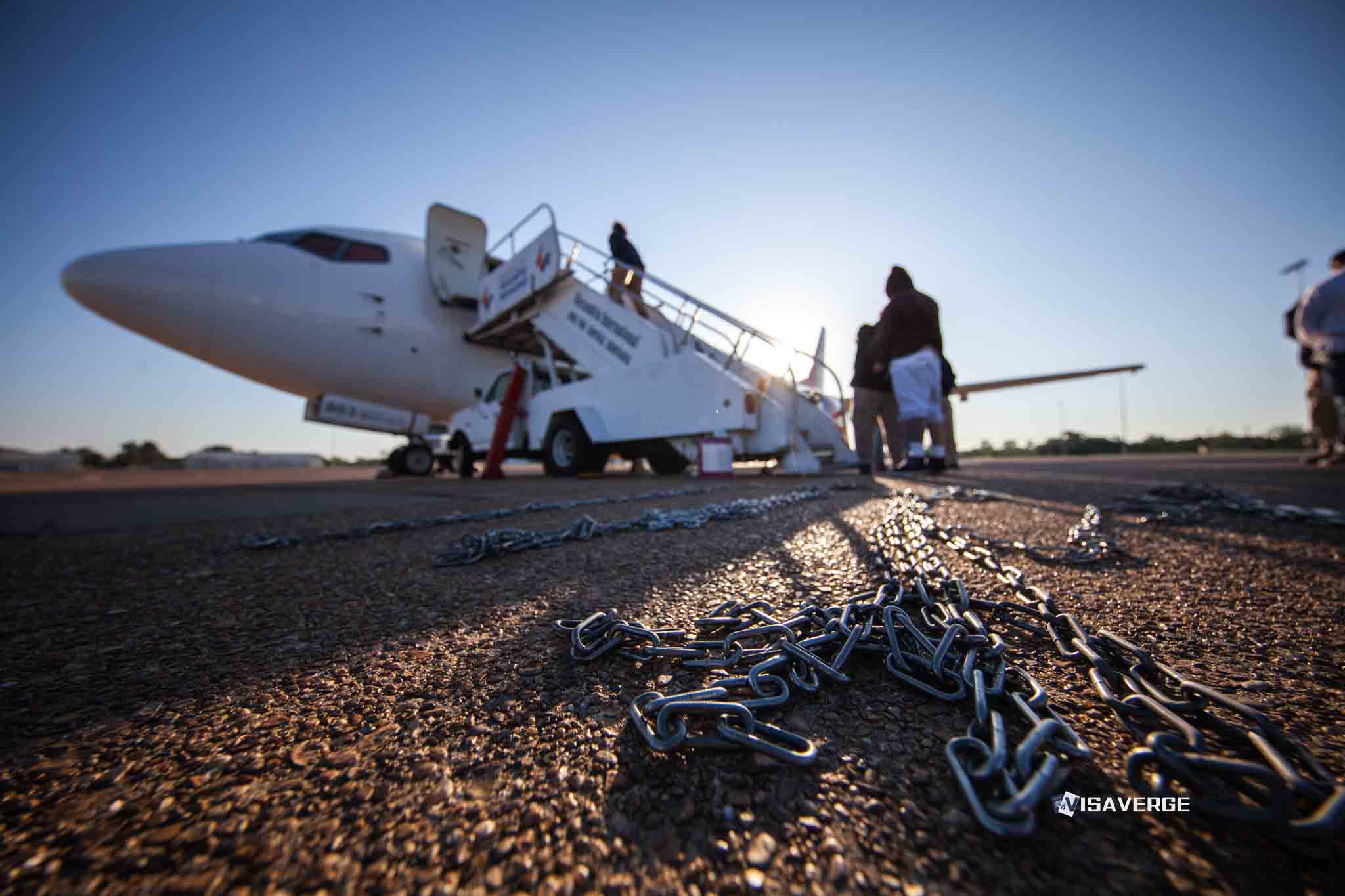
DHS has said the agency is focusing on the "worst of the worst," including criminals and traffickers. Reports also describe detentions involving people accused only of visa overstays, including au pairs and students.
Connecticut is already fighting the federal policy in court
The airport operations come as Connecticut challenges federal efforts to weaken the state’s limits on cooperation with ICE.
On July 13, 2026, Connecticut officials asked a judge to dismiss a Department of Justice lawsuit targeting those restrictions. The lawsuit addresses state laws that require federal agents to identify themselves and prohibit arrests in “sensitive locations” without a warrant.
The Trust Act forms part of that dispute. Connecticut officials say state and local officers cannot be drawn into federal immigration operations restricted by state law, while the federal government is pursuing a broader enforcement policy in public places.
Critics also question whether using passenger information to intercept people at airports bypasses judicial oversight and ordinary enforcement procedures. The airport setting gives agents access to travelers already assembled for screening.
The operations affect more than international departures. A person traveling to Chicago, including someone accused of a visa overstay, may encounter the enforcement activity during a domestic trip.
The CAA’s July 24 statement leaves the airport authority outside the operation. Higgins’ account leaves Connecticut State Police outside it as well. Federal officials, meanwhile, have said the airport deployments will continue as the ICE crackdown intensifies.