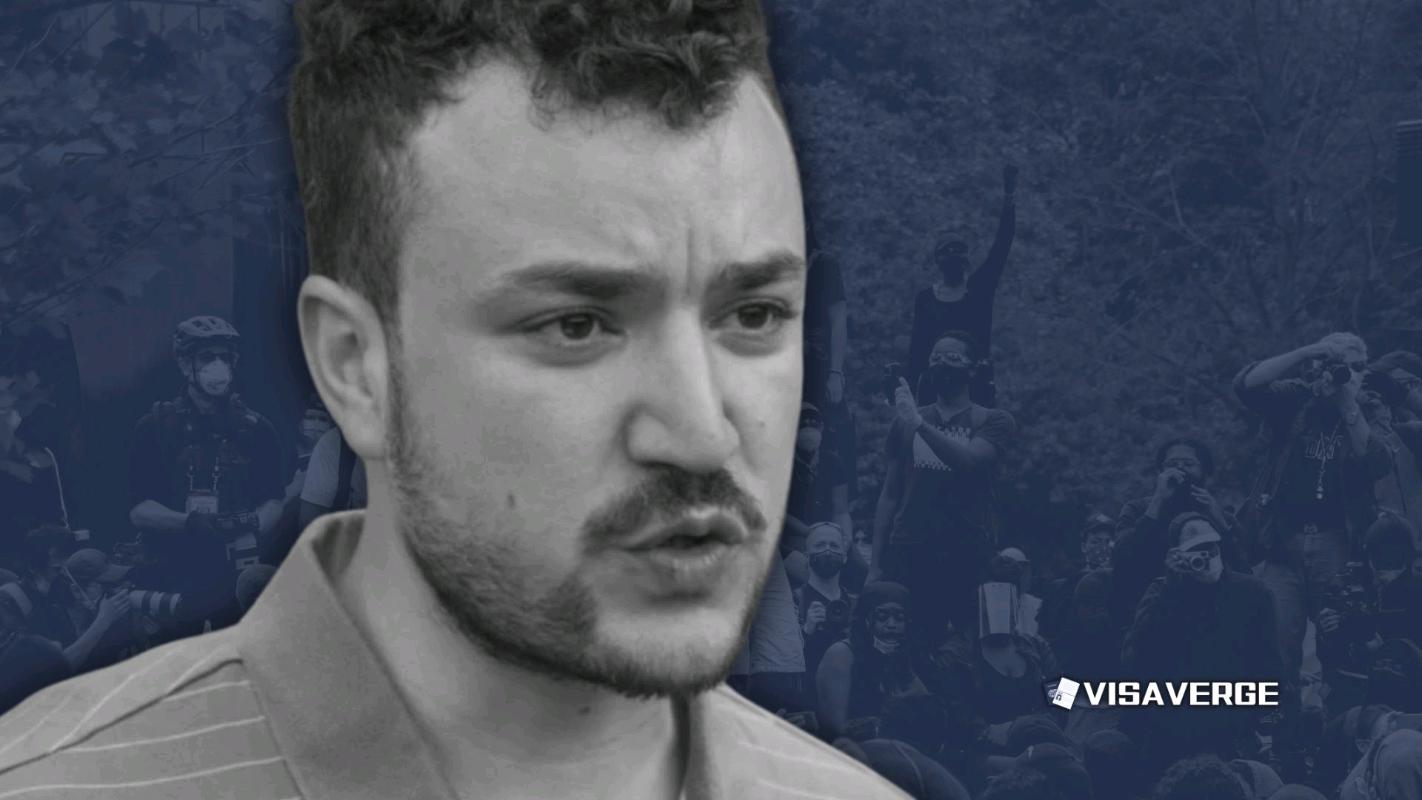
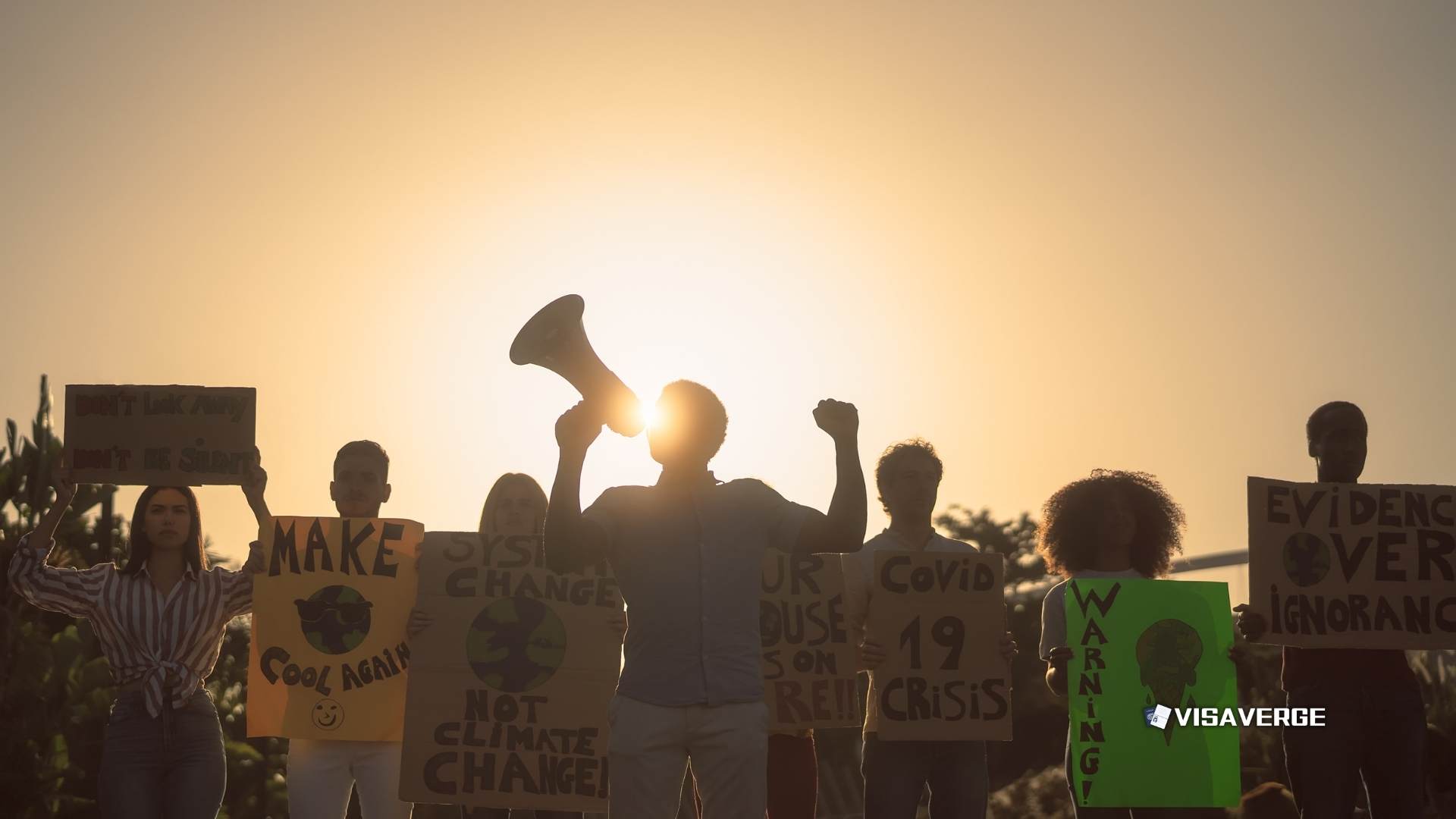
- Judge Angela Munson ordered Mohsen Mahdawi deported to Jordan following his involvement in Columbia University protests.
- The government invoked the foreign policy bar, claiming his activism has serious adverse diplomatic consequences.
- Mahdawi’s legal team filed a federal appeal to challenge the use of immigration law against political speech.
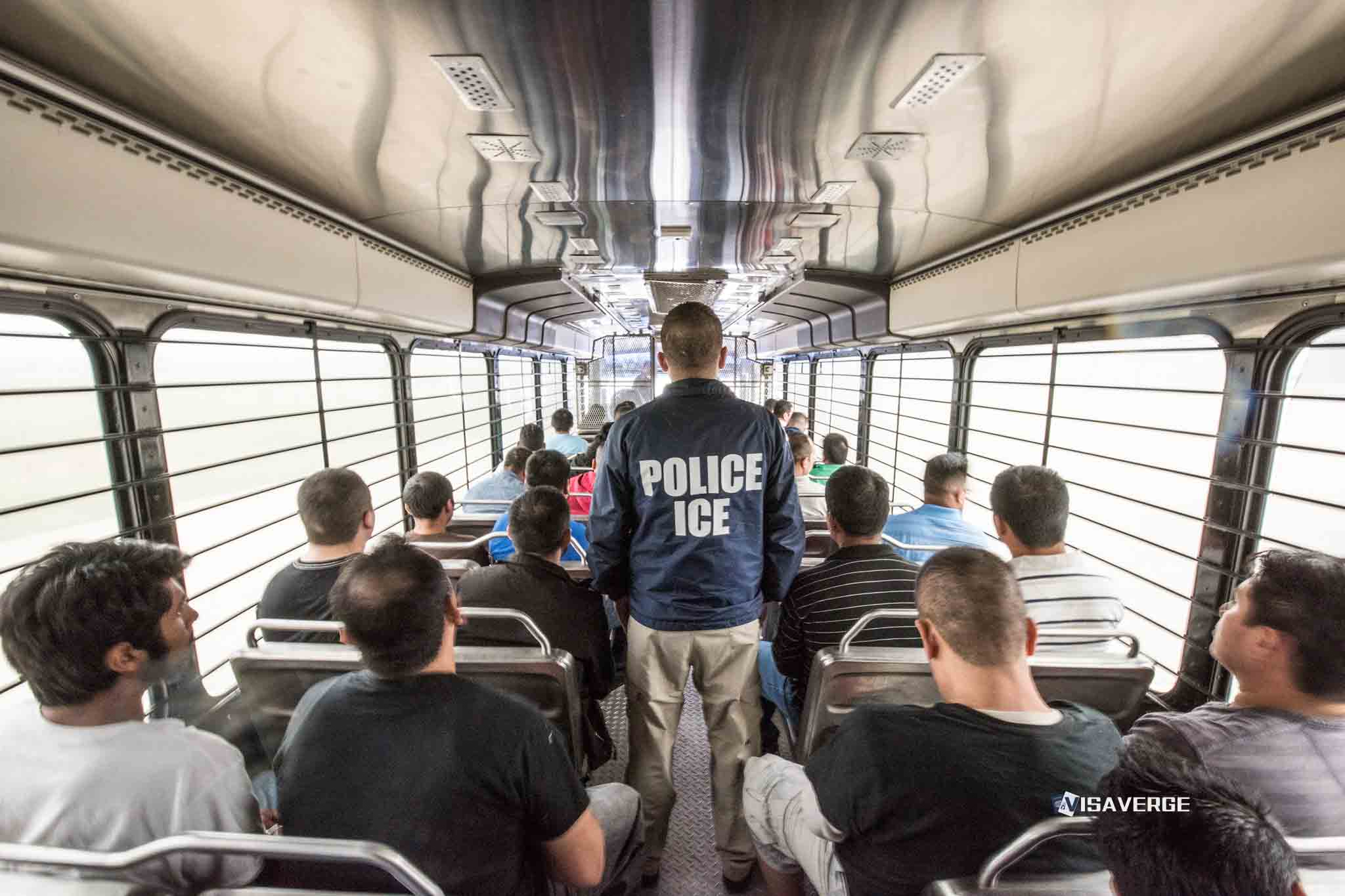
(NEW YORK, NY) — Immigration Judge Angela Munson ordered Mohsen Mahdawi deported to Jordan on June 3, 2026, handing the Trump administration a fresh victory in its campaign against foreign student activists tied to pro-Palestinian protests.
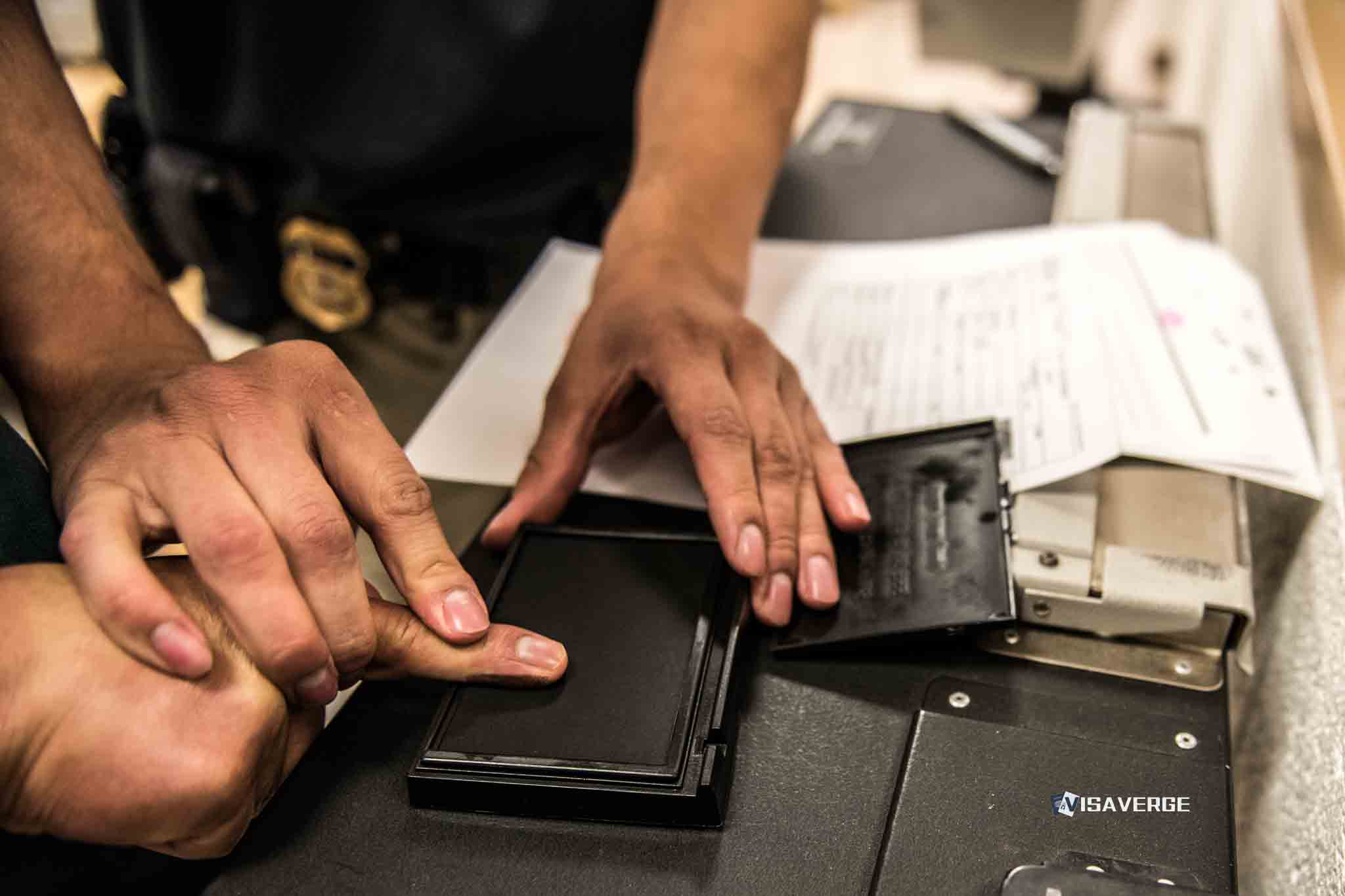
Mahdawi, 35, has been a lawful permanent resident for over 10 years and served as a former co-president of Columbia University’s Students for Justice in Palestine chapter. He remains in the United States while his appeal is pending.
His lawyers filed that appeal on June 10, 2026, asking the U.S. Court of Appeals for the First Circuit to review the order. If his federal habeas protection is lifted, he faces immediate detention while the case continues.
The ruling followed a sharp turn in proceedings that had briefly broken in Mahdawi’s favor. On February 11, 2026, Immigration Judge Nina Froes dismissed the deportation case after government attorneys failed to properly authenticate a memorandum from Secretary of State Marco Rubio that they had offered as evidence.
| India | China | ROW | |
|---|---|---|---|
| EB-1 | Feb 01, 2023 | Aug 01, 2023 ▲31d | Current |
| EB-2 | Nov 01, 2013 | Oct 01, 2021 | Apr 01, 2025 ▲90d |
| EB-3 | Jan 22, 2014 ▲21d | Jan 22, 2022 ▲14d | Jun 15, 2024 ▲31d |
| F-1 | Jan 22, 2021 ▲366d | Jan 22, 2021 ▲366d | Jan 22, 2021 ▲366d |
| F-2A | Oct 22, 2026 ▲30d | Oct 22, 2026 ▲30d | Oct 22, 2026 ▲30d |
The Board of Immigration Appeals reversed that dismissal in May 2026 and reinstated the government’s case. Munson then issued the deportation order weeks later.
Federal lawyers are seeking Mahdawi’s removal under a provision of the Immigration and Nationality Act known as the “foreign policy bar.” The government argues that his presence and activities have “serious adverse foreign policy consequences.”
The case places a lawful permanent resident’s political speech at the center of a deportation fight. Mahdawi’s legal team and the ACLU say the administration is using immigration law to punish activism and speech tied to the war in Gaza.
Mahdawi has described the case in personal terms. “America was the first place I ever felt true freedom and dignity. now the administration is abusing immigration law to silence me.”
The Department of Homeland Security cast his conduct in far harsher terms in an official statement published on April 30, 2025. In [“100 Days of Fighting Fake News”](https://www.dhs.gov/news/2025/04/30/100-days-fighting-fake-news), DHS said: “Mohsen Mahdawi. rhetoric on the war in Israel proves his terrorist sympathies. In the wake of October 7, Mahdawi said he could empathize with Hamas’s attack on Israel. He will be removed from our country.”
A DHS spokesperson used similar language on February 19, 2026 after Mahdawi won a temporary legal victory. “It is a privilege to be granted a visa or green card to live and study in the United States of America. When you advocate for violence, glorify and support terrorists that relish the killing of Americans, and harass Jews, that privilege should be revoked, and you should not be allowed to remain in our country.”
The Justice Department had already signaled that Columbia would be a focus of federal scrutiny. On March 14, 2025, Deputy Attorney General Todd Blanche said investigations into Columbia University formed part of a “mission to end antisemitism” and included looking for “terrorism crimes” tied to campus protests.
Mahdawi’s case sits inside a broader push against non-citizen protesters at elite universities. Mahmoud Khalil, another Columbia protest leader, was ordered deported in September 2025 and, as of June 2026, is petitioning the Supreme Court for a stay.
That wider crackdown has reached beyond New York. The proceedings against Columbia activists have coincided with reports that some non-citizen students at Tufts and Cornell chose to leave the country rather than risk prolonged ICE detention and long court fights.
Students and advocates say the pressure has changed the climate on campus. The fear is not limited to removal itself; it also extends to arrest, detention, and the cost of defending against the government in a court system that sits within the executive branch.
That structure gives the administration unusual control over the process. Immigration courts operate under the Department of Justice, not the independent federal judiciary, even when the disputes turn on speech, protest activity, and executive branch policy.
Mahdawi’s appeal now moves to the First Circuit, where his lawyers will challenge both the removal order and the government’s use of the foreign policy bar against a green card holder. The outcome will help define how far the government can go when it targets a legal resident over political expression.
Columbia University has become one of the clearest battlegrounds in that test. Federal officials have treated protest leadership there not as campus dissent but as conduct they say violated the terms of staying in the United States.
Mahdawi’s case also shows how quickly an immigration matter can shift once appellate officials revive a prosecution. Froes dismissed the case in February over evidentiary flaws; by May, the Board of Immigration Appeals had restored it, and by early June, a deportation order was in place.
Public records tied to the case remain spread across several agencies. DHS has posted its position in the [April 30, 2025 statement](https://www.dhs.gov/news/2025/04/30/100-days-fighting-fake-news), while broader agency actions appear in the [USCIS newsroom](https://www.uscis.gov/newsroom) and immigration court updates appear through [Executive Office for Immigration Review announcements](https://www.justice.gov/eoir).
Until the appeal is resolved, Mahdawi stays in the country under court protection, with a deportation order hanging over him and Jordan named as the destination. His case, and the administration’s effort to remove him, now stand as one of the clearest tests yet of how immigration power can be used against speech on a U.S. campus.