- TSA is removing chairs from document-check podiums at most commercial airports.
- The change applies to document checks, not necessarily X-ray duties, where officers may sit during their rotation.
- The screeners’ union says chairs provide basic ergonomic and safety support and criticizes the agency for not consulting officers.
The Transportation Security Administration has begun removing chairs from airport checkpoint podiums where officers check travelers’ boarding passes and IDs, ending the option to sit during that assignment. The agency says the change is underway in most commercial airports.
The order covers the document-check post at checkpoint entrances. It does not necessarily apply to every TSA assignment.
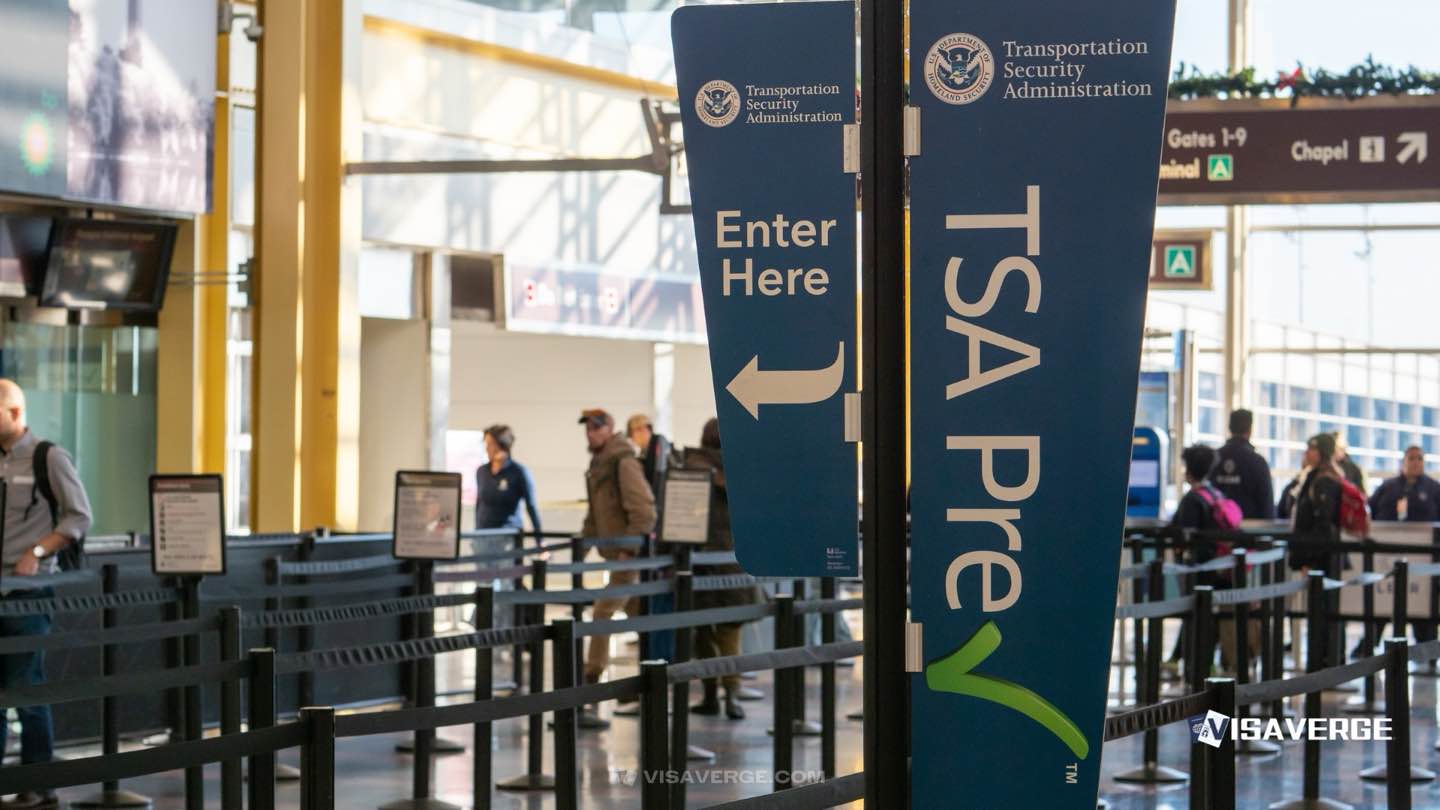
A travel document checker verifies a passenger’s boarding pass and government identification at the first checkpoint contact. The change applies to that interaction, not to all duties officers perform during screening.
TSA described the affected officers as the first agency employees to meet travelers at the checkpoint. The agency said the post combines national-security responsibilities with a public-facing role.
A TSA spokesperson said the chair removal is intended to reinforce security and hospitality. The agency said officers must satisfy fitness-for-duty requirements while carrying out those duties.
“This welcome change reinforces both our security posture and our commitment to hospitality by having these officers on their feet and alert,” a TSA spokesperson said.
The spokesperson also said officers must be capable of performing their national-security work while maintaining a welcoming and professional environment for travelers.
The rule applies to the podium, not every checkpoint assignment
The change targets the document-check rotation rather than every position at the checkpoint. That distinction is reflected in the described sequence of assignments: officers spend time checking documents, then move to other work.
In one account of the rotation, an officer typically spends 15 minutes at the document-check podium, followed by about 30 minutes seated while operating X-ray machines. The new restriction applies to the document-check position.
The rotation description places the chair removal at one specific stage of checkpoint work. It does not say that officers will be barred from sitting during the X-ray assignment.
TSA has said chairs are being removed from document-check podiums at checkpoints nationwide. The rollout has already started in most commercial airports.
The agency framed the policy around the demands of the role. Its fitness-for-duty statement referred to officers’ capacity to carry out their security function and create a professional environment for passengers.
“All officers must meet fitness for duty requirements to be capable of performing their vital national security function while simultaneously creating a welcoming and professional environment for travelers,” TSA said.
AFGE Council 100 says the chairs protect workers on hard floors
AFGE Council 100, the union representing screeners, objected to the removal. It said officers stand and walk on hard surfaces throughout the workday, and described the chairs as workplace support.
“These chairs serve as basic ergonomic and safety support for officers that stand and walk on hard surfaces all day,” AFGE Council 100 said.
The union also criticized TSA’s handling of the decision, saying the agency treated the issue as a privilege rather than a basic safety matter. It said officers were not consulted before the change.
The union said TSA made the change without formal notice to it. It has urged local leaders and members to contact congressional offices about the decision.
The two sides have therefore presented different reasons for the same change. TSA emphasizes officers’ security duties and interactions with travelers; the union points to the physical demands of standing and walking on hard floors.
The dispute concerns the document-check post, where officers verify travelers’ documents at the checkpoint entrance. It does not extend, on the details provided by the agency and union, to every TSA role.
The change followed David Cummins’ arrival as administrator
The policy came nearly two months after David Cummins took over as TSA administrator. The timing places the chair-removal decision early in his tenure at the agency.
The rollout is already underway across most commercial airports, while the union is asking local leaders and members to raise the matter with congressional offices.