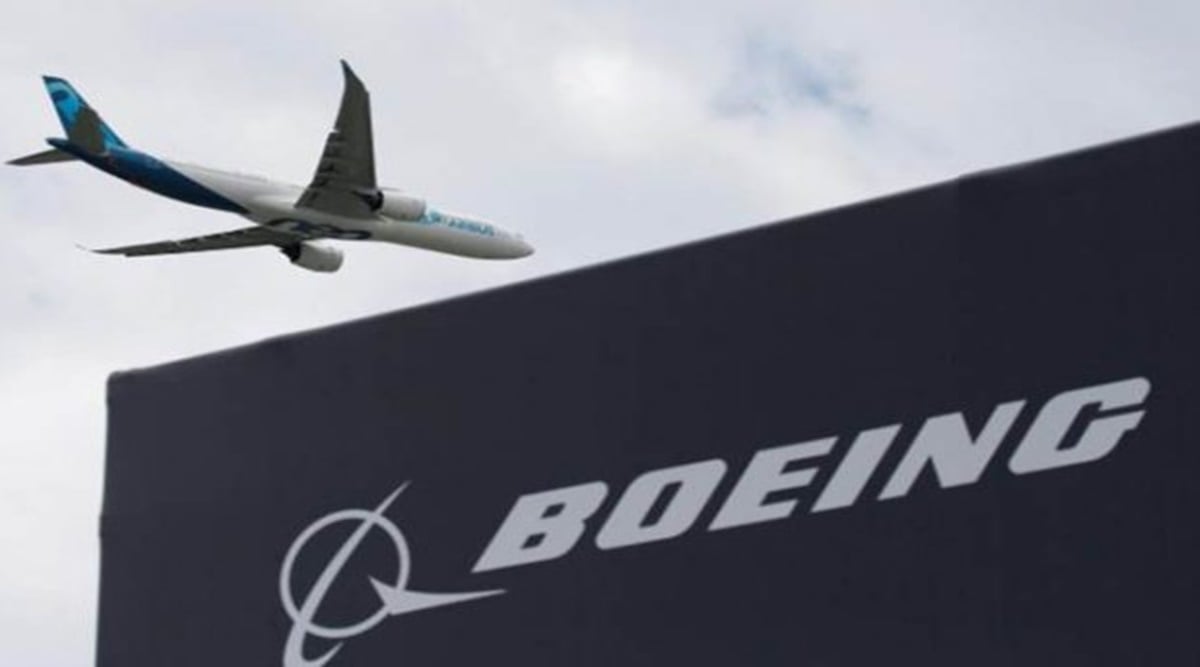
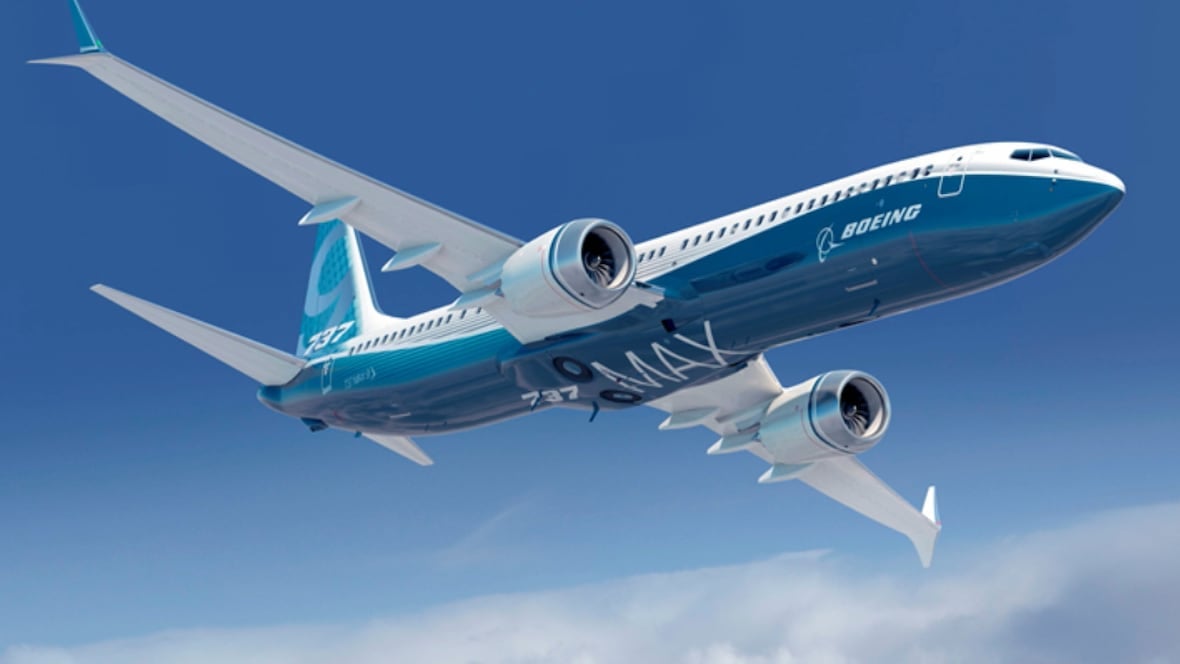
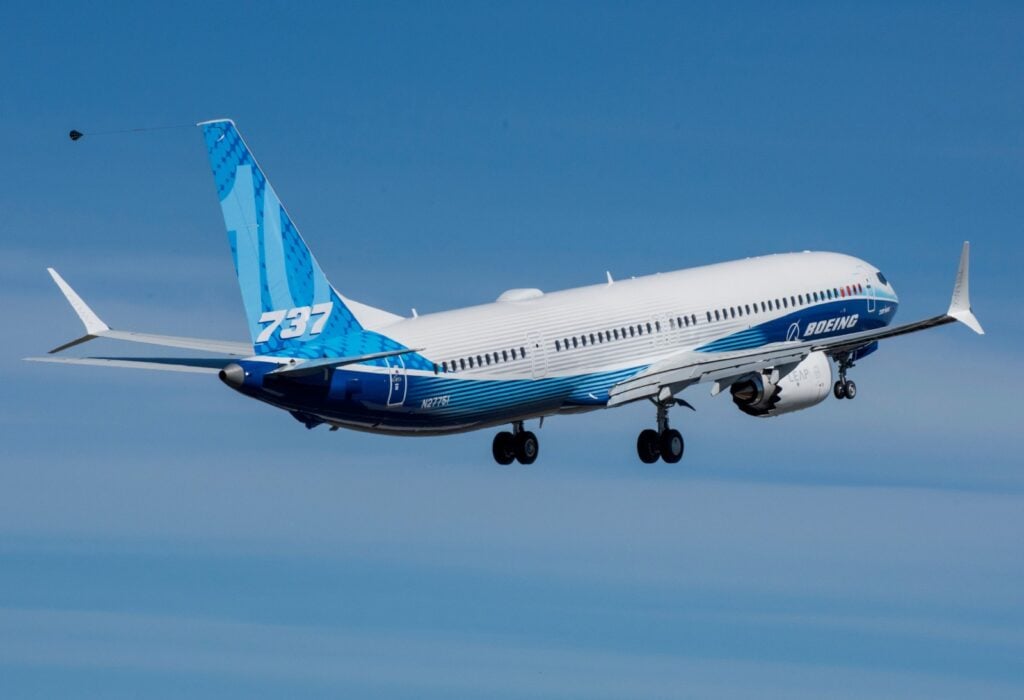
The FAA granted Boeing an amended type certificate for the 737-7 on August 3, 2026, clearing the smallest 737 MAX variant for commercial service after years of review. The certification follows Boeing’s late-July confirmation that 737-7 and 737-10 certification flight testing was complete and comes just weeks after the FAA expanded Boeing’s authority to issue airworthiness certificates for all 737 MAX and 787 airplanes.
- Boeing said the FAA has now “granted Boeing [NYSE: BA] an amended type certificate for the new 737-7 airplane, clearing it for commercial service.”
- On July 17, 2026, the FAA told Congress it would allow Boeing to resume issuing airworthiness certificates for all 737 MAX and 787 airplanes starting the following week, with the change effective July 20, 2026.
- Boeing said in late July that 737-7 and 737-10 certification flight testing was complete and that certification deliverables were 95% complete.
- Boeing expects first deliveries in 2027 for the 737-7 and 737-10, even after certification.
- The F-A-A will restore Boeing’s certification authority for new seven thirty-seven MAX and seven eighty-seven aircraft.
- A successful eight-month trial showed comparable quality control findings between company and federal inspectors.
- The existing production cap of forty-seven planes per month remains in effect despite the change.
The FAA will return Boeing authority to issue airworthiness and export certificates for newly built 737 MAX and 787 Dreamliner aircraft beginning Monday, July 20, 2026, ending years of plane-by-plane federal sign-offs.
Free toolH-1B Cost Calculator OnlineThe change applies only to new aircraft leaving the factory. It does not recertify, ground, or alter the status of jets already operating in airline fleets.
The agency notified Congress and announced the decision on July 17 after comparing company and federal certification work over eight months. Its Organization Designation Authorization, or ODA, unit will perform the final sign-off for eligible deliveries.
FAA Administrator Bryan Bedford said the agency would keep inspecting production while shifting more attention toward earlier manufacturing risks.
“Safety drives everything we do, and this step forward is only possible because we are confident it can be done safely. Our inspectors will continue rigorous oversight of Boeing’s production while focusing more of their time where it has the greatest impact—identifying and addressing potential risks earlier.”
The decision restores a responsibility removed after two deadly crashes and later production defects. Federal inspectors will remain on site, audit assembly work, and monitor the company’s Safety Management System.
The eight-month trial compared company and federal sign-offs
Since September 29, 2025, the manufacturer and the agency had alternated certification duties each week. The arrangement served as an audit of internal quality controls.
The agency said production-quality findings were comparable under both systems during the trial. That result led officials to conclude that the responsibility could safely return to the company.
| Certification function | New arrangement beginning July 20 | Continuing federal role |
|---|---|---|
| Airworthiness certificates | The ODA unit performs the final sign-off for new 737 MAX and 787 deliveries | Inspectors continue production oversight |
| Export certificates | The ODA unit performs the final sign-off | The agency retains regulatory authority |
| Factory quality | Company certification resumes | On-site audits and assembly surveillance continue |
| Safety controls | Company personnel handle final certification work | The agency monitors the Safety Management System |
The manufacturer said it would continue building commercial aircraft under federal oversight and comply with all airworthiness certification requirements.
The production cap remains in place
Restored certification authority does not remove the current production limit on the 737 MAX. The cap remains at 47 aircraft per month.
The agency also retains oversight of assembly and manufacturing processes. Company personnel may sign the final paperwork, but federal inspectors will continue reviewing how the aircraft are produced.
That arrangement gives the company more control over delivery paperwork without ending direct regulatory scrutiny. It also allows federal inspectors to concentrate on potential risks earlier in production rather than completing every final certificate themselves.
The 2019 grounding ended the earlier self-certification system
The agency revoked the manufacturer’s self-certification authority on November 26, 2019, after the Lion Air and Ethiopian Airlines crashes. Investigators linked both fatal accidents to the MCAS software system.
The authority for 787 aircraft ended in February 2022 after production problems that included fuselage gaps and improper shimming. Federal inspectors then took a larger role in reviewing aircraft before delivery.
Employees in the ODA unit will now resume duties that federal inspectors performed for the last seven years. The change marks a step in the company’s effort to recover from the production and safety failures that reshaped its certification process.
Airlines may see more flexible factory deliveries
The restored process could help the manufacturer work through a backlog of more than 4,700 aircraft. Southwest Airlines is awaiting the 737 MAX 7, while Riyadh Air is awaiting 787 aircraft.
Those customers may receive more flexible delivery scheduling as the company resumes final certification work. The policy does not, however, change the certification status of aircraft already delivered to airlines.
The new authority takes effect July 20. The monthly production cap, federal audits, assembly surveillance, and safety-system monitoring continue after that date.