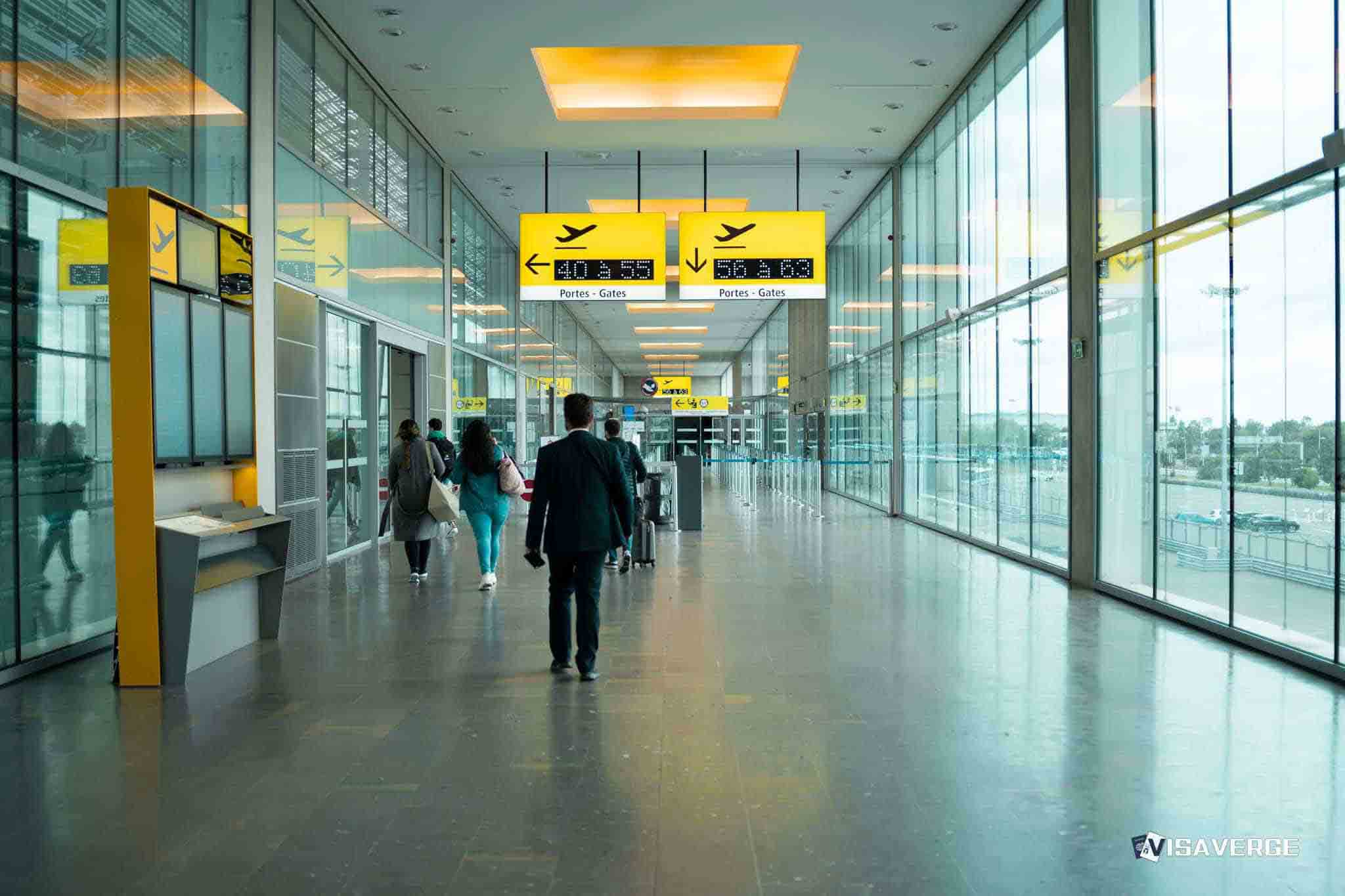
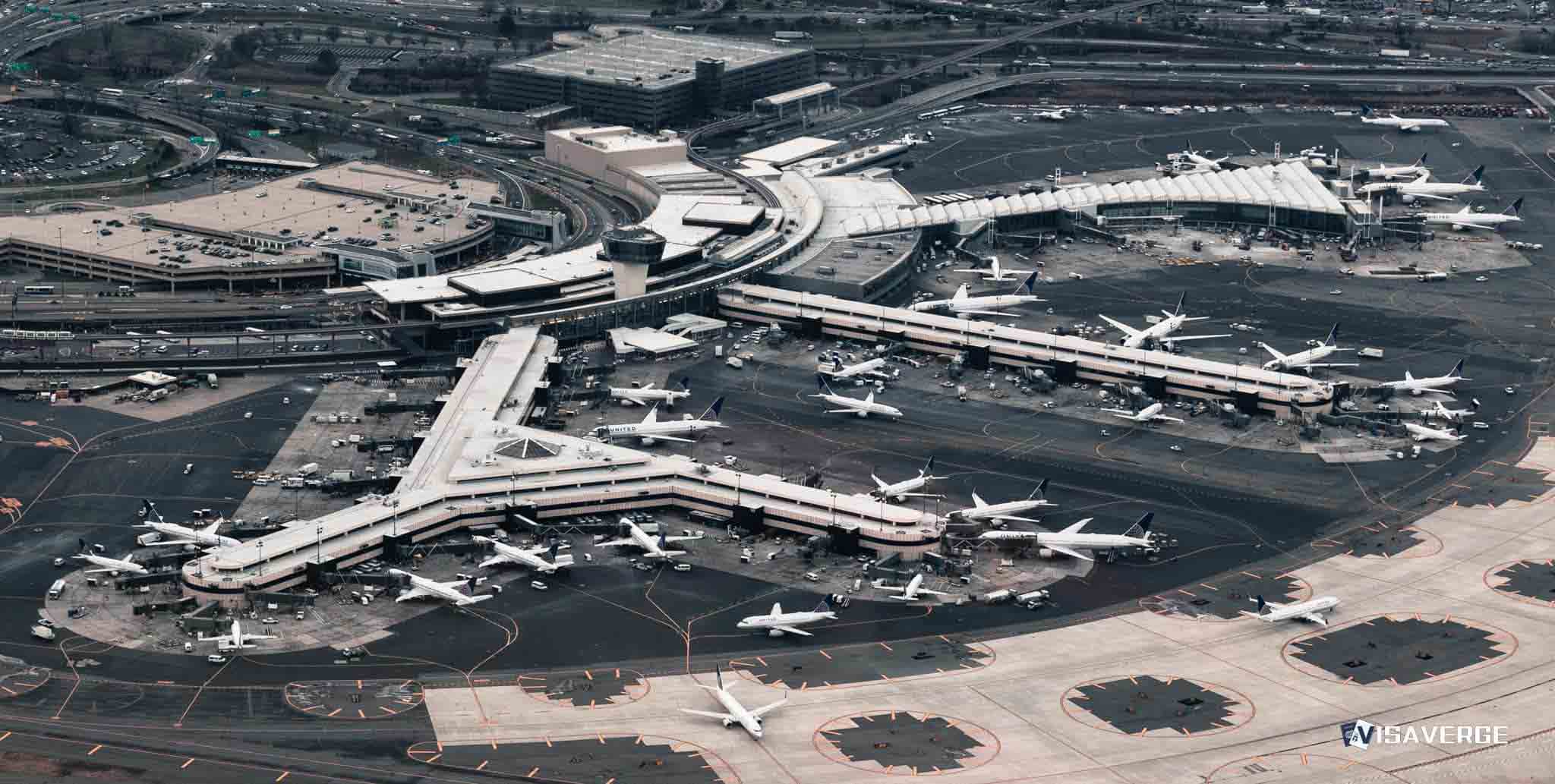
- Kuwait International Airport suspended all flight operations following missile and drone strikes from Iran on July eighteen, twenty twenty-six.
- A phased reopening has begun, but disruptions will last days as airlines reposition aircraft and crews.
- National air defenses intercepted six hostile targets while strikes hit a power plant, causing localized electricity conservation measures.
Kuwait International Airport suspended all takeoff and landing operations Saturday after missile and drone strikes from Iran, forcing the national carrier to reschedule most flights and leaving thousands of passengers facing delays and backlogs.
The closure began early on July 18, 2026, amid restrictions on Kuwaiti airspace. Passengers should monitor flight statuses and booking messages, as schedule changes are expected to continue while airlines reposition aircraft and crews.
Free toolB1/B2 Tourist Visa Stay Calculator online
Kuwait Airways said most of its commercial flights had been rescheduled because of what it called the Iranian aggression. The carrier said it was sending updates through notifications and text messages to phone numbers registered with bookings.
“Most flights have been rescheduled due to the temporary suspension of takeoffs and landings at Kuwait International Airport as a result of the Iranian aggression. Passengers are advised to stay updated on their flight status.”
The Directorate General of Civil Aviation authorized a phased reopening of Kuwaiti airspace by late afternoon. Priority went to delayed and diverted aircraft, while international carriers reassessed routes that had avoided Gulf airspace during the morning strikes.
Airspace reopening will not immediately restore normal schedules
The reopening allows operations to resume in stages, but airlines cautioned that disruption could last several days. Crews and aircraft must be moved back into position before schedules can fully recover.
Passengers with bookings should check airline notifications before traveling to the airport. The carrier’s messages are being sent to the contact numbers supplied during reservations.
The airport handled 14.9 million passengers in 2025, according to the aviation authority. That averaged approximately 41,000 travelers per day, giving the temporary suspension a wide effect across departures, arrivals and connecting itineraries.
The national carrier represents 45% of the airport’s total traffic. Its decision to reschedule most flights therefore affected a large share of the airport’s commercial operations.
Missile and drone strikes triggered wider emergency measures
Kuwaiti air defenses intercepted at least six hostile targets, including missiles and drones, during the overnight and morning attacks. National warning sirens sounded five times across the country on Saturday morning.
The General Staff of the Kuwaiti Army urged residents to follow safety and security instructions from the relevant authorities. It said explosions heard by the public resulted from air-defense systems intercepting hostile targets.
Mohammed Al-Gharib, a spokesperson for the Kuwait Fire Force, said emergency teams contained fires at two separate sites in southern Kuwait. He described the damage at those locations as “limited to property” and said there were “no casualties” there.
The Ministry of Electricity, Water and Renewable Energy said a power-generation and water-desalination plant had been hit. The fire prompted a precautionary shutdown of several generating units to maintain grid stability.
The ministry also urged residents to conserve power between 11:00 a.m. and 5:00 p.m. local time because of the damage to the plant.
The strikes followed a renewed US-Iran conflict
The attacks came amid a broader escalation in Middle Eastern tensions. A Pakistan-brokered memorandum of understanding signed in June 2026 had been intended to end hostilities, but conflict resumed between the United States and Iran.
Iran reportedly launched the strikes against Kuwait in retaliation for US military strikes on Iranian territory. Kuwait hosts US military assets at Al-Salem Air Base and Al-Adire camp, which Iran claimed to have targeted.
The Iranian military identified the attacks as the “14th phase of Operation Thunder.” It said the operation targeted ammunition depots and communication links.
Kuwait’s aviation disruption unfolded alongside damage to vital infrastructure. The power and desalination plant fire added pressure to public services as authorities managed the airspace closure and emergency response.
The carrier said passenger safety remained its top priority during the disruption. With priority landing given to delayed and diverted aircraft, travelers should check their booking messages before leaving for the airport.