- The State Department issued Level 4 warnings for twenty-three countries, advising Americans to avoid all travel due to extreme risks.
- Security threats include armed conflict and kidnapping, with eleven of the listed dangerous destinations located across the African continent.
- Enhanced airport screenings and mandatory government evacuations are already underway in high-risk regions like Lebanon, Jordan, and Saudi Arabia.
The State Department posted a revised advisory on Saturday and placed 23 countries under its highest warning. TravelGov X carried the update. The department told Americans not to visit the destinations under any circumstances.
A July 15 TravelGov post used even starker language.
Free toolB1/B2 Tourist Visa Stay Calculator online
“Level 4 means DO NOT TRAVEL. We assign Level 4 based on local conditions and/or our limited ability to help Americans there. These places are dangerous. Do not go for ANY reason.”
The warning system runs from Levels 1 through 4. Level 4 sits at the top. It marks places where conditions are extremely dangerous and where help from Washington may be limited.
That leaves travelers with little room for interpretation. The department is not signaling a routine delay or a paperwork snag. It is telling Americans to stay out.
Secretary of State Marco Rubio has framed the department’s work in the same terms.
“At the Department of State, our number one priority is the safety and the security of American citizens everywhere in the world. Every policy we pursue must be justified by the answer to one of three questions: Does it make America safer? Does it make America stronger? Does it make America more prosperous?”
Rubio’s message matches the tone of the warning. Safety comes first, then everything else. The advisory reads like policy in its sharpest form.
Eleven of the countries are in Africa. The list also reaches Europe, Asia and the Middle East. That breadth gives the warning an unusually wide footprint. It pulls separate crises under one label.
Some of the same regions are already drawing other U.S. steps. Non-emergency U.S. government employees and their families have been ordered to leave Riyadh, Amman and Beirut. Those departures show how quickly the situation can change.
The list runs from Afghanistan to Yemen
- Afghanistan
- Belarus
- Burkina Faso
- Burma (Myanmar)
- Central African Republic
- Chad
- Democratic Republic of the Congo
- Haiti
- Iran
- Iraq
- Lebanon
- Libya
- Mali
- Niger
- North Korea
- Russia
- Somalia
- South Sudan
- Sudan
- Syria
- Uganda
- Ukraine
- Yemen
Eleven of them sit in Africa: Burkina Faso, Central African Republic, Chad, Democratic Republic of the Congo, Libya, Mali, Niger, Somalia, South Sudan, Sudan and Uganda. The count is not small. Neither is the concentration.
War, gangs and Ebola drive several of the warnings
The roster is broad, but the threats are familiar. Armed conflict, terrorism, kidnapping, civil unrest and health emergencies all sit under the same top label. The department is using one instruction for several kinds of danger.
The Democratic Republic of the Congo warning is tied in part to a deadly Ebola outbreak. That kind of health emergency can move fast and hit hard. It also changes what safe travel even looks like.
Haiti remains on the list because of pervasive gang violence and a state of emergency. Russia and Ukraine stay there because of the ongoing war. Those are different crises, but the warning treats them with the same blunt command.
The result is a travel map shaped by violence, disease and instability. It is not a tourism problem. It is a security problem.
Airport screening and evacuations are already part of the response
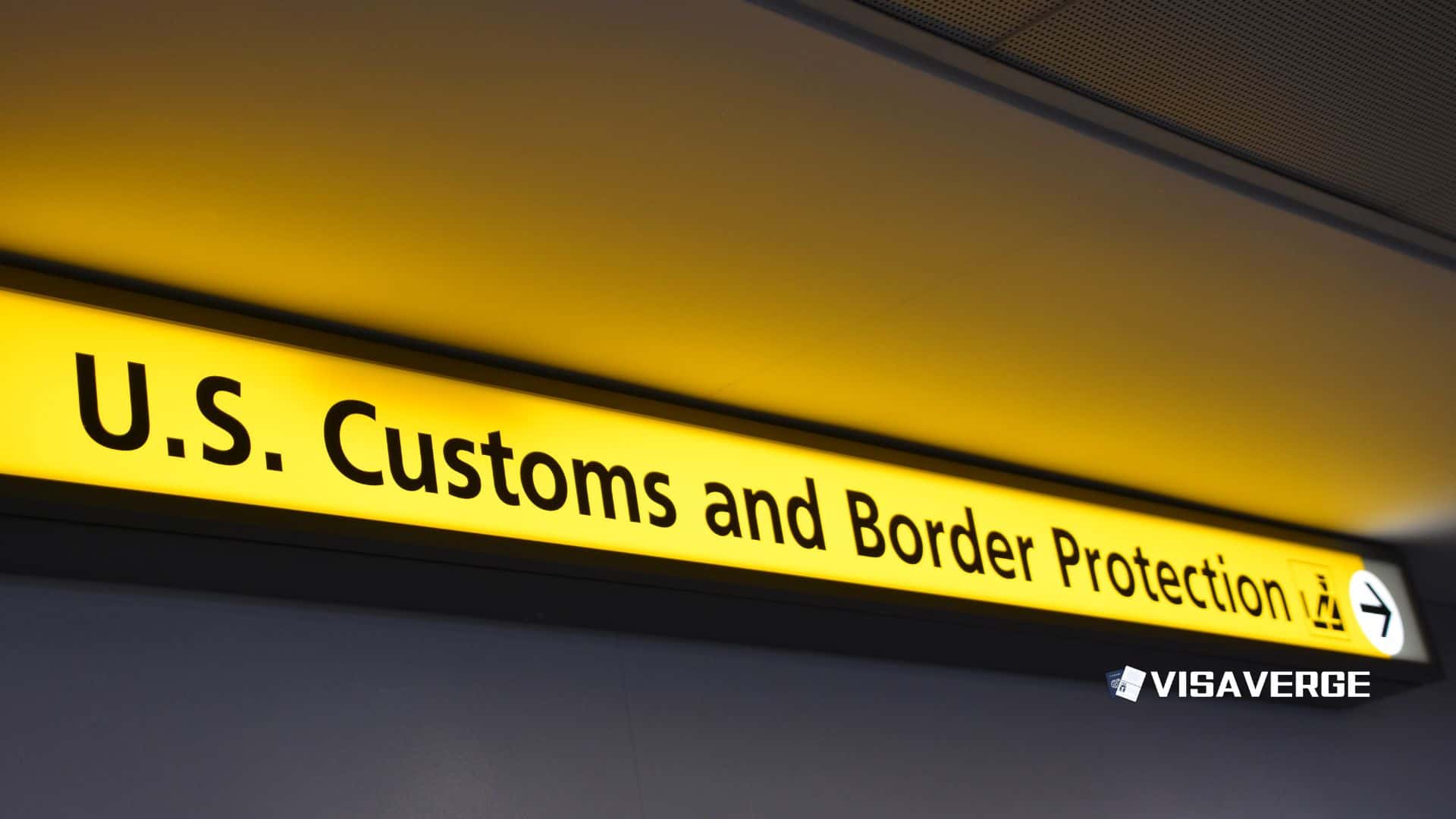
The CDC and DHS/CBP have already added enhanced screening at U.S. airports for travelers arriving from the DRC, Uganda and South Sudan. The airport checks are tighter now. Travelers feel that before they leave the terminal.
That response runs alongside the advisory itself. When screening moves into the airport, the warning stops being abstract. It becomes part of the trip home.
Nigeria sits outside the 23-country list
Nigeria remains at Level 3 nationally, but the department has tagged 16 specific states as Level 4 zones. The examples named in the research include Borno, Yobe and Delta. The national label is lower, but the state-level warning is not.
That split matters because it shows how the department can separate a country from parts of it. One label covers the nation. Another carves out the places it sees as most exposed.
July 17 alerts kept the region under a sharper watch
On July 17, the U.S. Mission in Saudi Arabia and the U.S. Embassy in Jerusalem issued urgent security alerts. They warned about a complex security environment and potential for unforeseen escalation. The pressure around the region is still active.