- European lawmakers supported a plan to standardize free cabin luggage across all member states for travelers.
- The proposal mandates one small cabin bag up to 7 kilograms and 100cm in total dimensions.
- Final approval from the full European Parliament is required before these rules become binding law in 2026.
(EU) – European lawmakers have backed a proposal that would stop airlines from charging extra for a small cabin bag and one personal item. Travelers would still need final EU approval before the change becomes law, but the vote signals a direct challenge to bag fees across the bloc.
The European Parliament’s Transport and Tourism Committee supported the measure, which would require airlines to carry a small cabin bag and a personal item at no extra cost. The proposal is not yet binding EU law, and the next steps still run through the full Parliament and the other EU institutions.
Free toolB1/B2 Tourist Visa Stay Calculator online
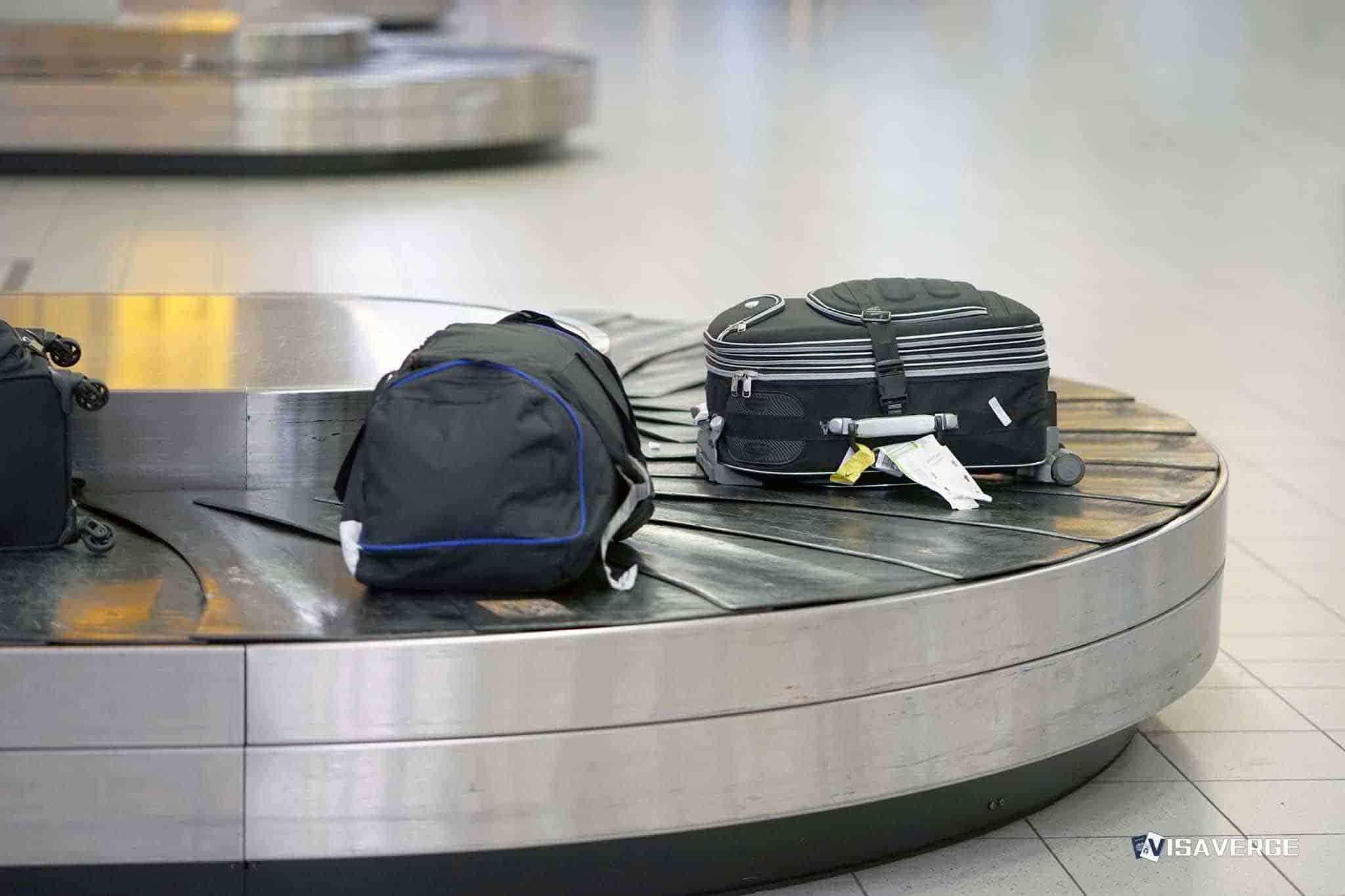
The planned allowance is specific. Each passenger would be entitled to one small cabin bag up to 100 cm in total dimensions and weighing up to 7 kg. That would sit alongside one personal item, such as a handbag, laptop case, or small backpack.
Airlines across Europe do not treat hand luggage the same way now. Some carriers fold a cabin bag into the base fare, while others charge for anything larger than a personal item. Budget airlines have built a large share of their business around those add-on fees, especially on short-haul routes where a bag can cost more than the ticket itself.
| Item | Proposed EU minimum | Current practice |
|---|---|---|
| Small cabin bag | Included, up to 100 cm and 7 kg | Free on some airlines, extra charge on others |
| Personal item | Included at no extra cost | Usually included, but size rules vary |
If enacted, the proposal would standardize a right that now changes by airline and fare class. That matters most on short European trips, where travelers often compare a cheap base fare with a higher-priced ticket that already includes baggage. A fare that looks lower at first glance can turn into a more expensive trip once cabin bag fees are added.
There is also a loyalty angle. Under a rule like this, travelers booking the lowest fares would still avoid bag charges on every trip, which would reduce one common reason to buy up to a higher fare. Airlines that rely on ancillary revenue would face pressure to rework pricing, while loyalty members would need to watch whether future fare changes offset the new allowance in the ticket price.
Competitive pressure is already visible. Legacy carriers on many European routes often include more generous carry-on rules in standard economy fares, while low-cost airlines usually charge for cabin bags beyond a small personal item. A uniform EU rule would narrow that gap on paper, although airlines could still respond with higher base fares, stricter weight checks, or changes to priority boarding and seat-selection pricing.
The measure remains pending as of 16 June 2026. It still needs approval from the full European Parliament, then agreement from the EU’s other institutions, including the Council of the EU. That process can change the wording, add exceptions, or delay implementation.
Lawmakers could also attach transitional arrangements, which would give airlines time to adjust booking systems, boarding rules, and baggage policies. That timeline matters because large carriers and budget airlines would not change their websites, fare buckets, and airport procedures overnight. If the proposal clears its remaining votes, the rollout would likely come with a grace period rather than a same-day switch.
EU baggage rules have been a recurring point of dispute for years, especially as airlines split fares into narrower pieces. The current proposal is the clearest move yet toward a common hand-luggage standard, but it is still a proposal, not an enacted rule. Anyone booking European flights in the near term should keep checking the fare rules at purchase, because the old baggage charges remain in place until the final approval arrives.