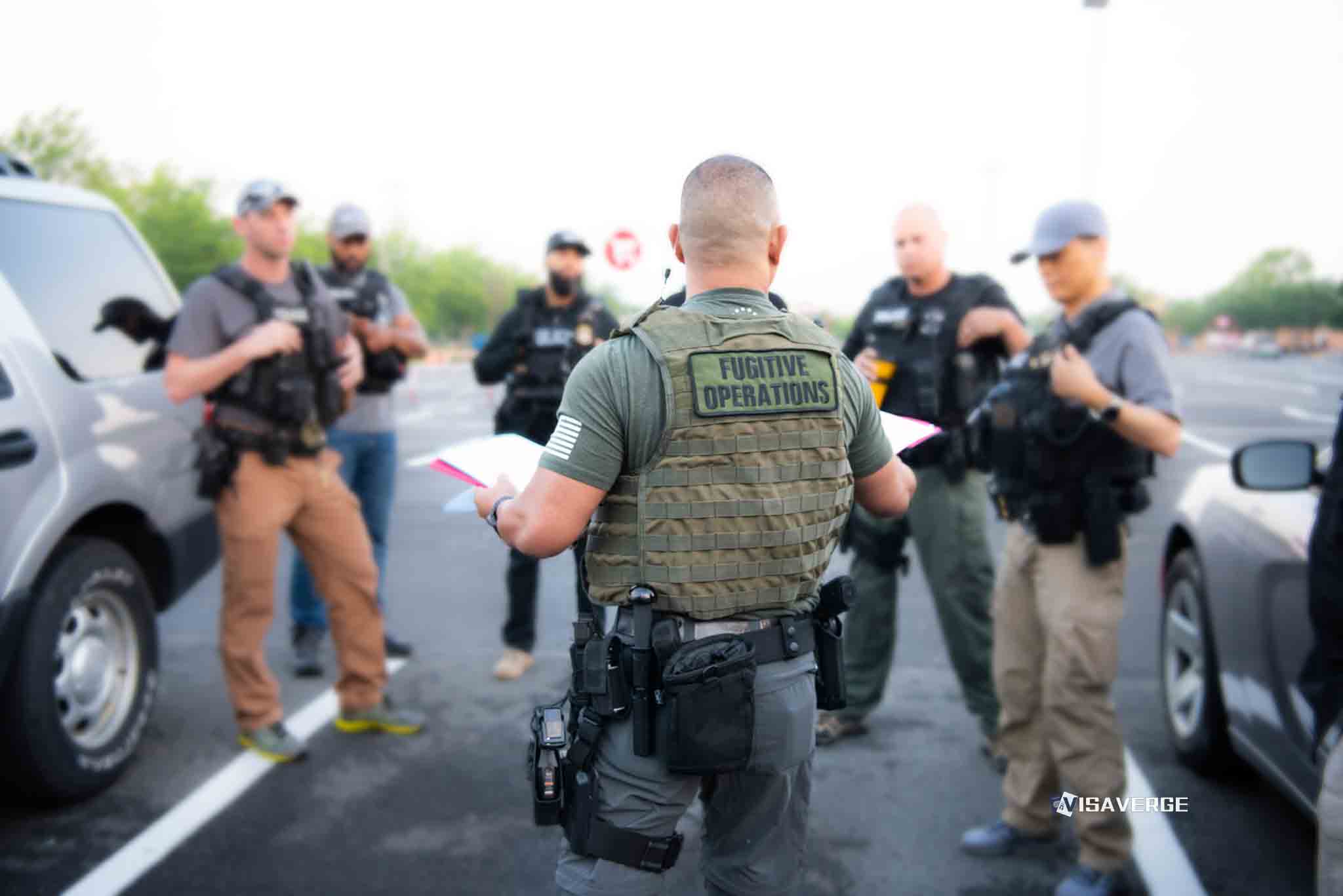
- The State Department revoked visas for five foreign nationals involved in serious DUI and alcohol-related arrests.
- Officials warn that visitors endangering public safety on U.S. roads will face immediate visa revocation and travel bans.
- Revocation prevents future travel to the U.S. and triggers individualized reviews for students, workers, and tourists.
The State Department revoked the visas of five foreign nationals arrested in alcohol-related driving cases, warning that visitors who endanger people on U.S. roads may lose the ability to return. The action covers arrests involving aggravated DUI, DUI causing injury, disorderly conduct with resisting arrest and domestic violence, and DUI involving heroin.
Tommy Pigott, a State Department spokesperson, said the department would not let visa holders violate U.S. law and remain in the country when officials view them as a public-safety risk.
“No more second chances for foreign visitors who put American lives at risk. Visa revoked.”
Pigott said the department is also reviewing visa holders on an ongoing basis. The announcement signals a tougher use of visa authority against foreign nationals arrested for DUI or reckless driving, but it does not create an automatic deportation rule.
The department described the action as individualized. A visa revocation can affect future entry, while additional immigration consequences may depend on the person’s status and circumstances.
The five cases involve different alleged driving and conduct offenses
The five foreign nationals were arrested in cases that went beyond a single category of impaired driving. The listed allegations include aggravated DUI, DUI causing injury, disorderly conduct with resisting arrest and domestic violence, and DUI involving heroin.
The State Department said it would not allow foreign nationals who violate visa terms, break U.S. laws, and endanger American citizens to remain in the country. Pigott delivered that position in unusually direct language.
“These five foreigners ignored our laws and endangered our citizens with their dangerous and reckless actions on the road. We will not allow foreigners who violate the terms of their visa, break our laws, and put American citizens at risk to remain in the United States.”
The statement did not announce a single penalty for every foreign national arrested after a traffic incident. Instead, it described a review process that can result in individual visa action when officials determine that a visa holder poses a public-safety risk.
A revoked visa blocks future travel but is not itself a deportation order
A revoked visa generally cannot be used for a later trip to the United States. The person may need to seek a new visa, with the prior arrest and the revocation part of the consular review.
That consequence differs from an automatic removal order. Visa enforcement can affect a person’s ability to enter again, but the immigration impact may vary according to the person’s status and other facts in the case.
The research surrounding the announcement identifies the policy as prudential visa revocation. It also cites 9 FAM 403.11, a State Department provision addressing visa revocation authority in DUI-related situations.
The cited authority does not turn every DUI arrest into the same result. The decision remains individualized, and the department’s public statement focused on the five announced cases rather than announcing a blanket rule for all visitors.
The policy reaches students, workers and tourists through visa review
The enforcement approach primarily concerns nonimmigrant visa holders, including students, workers and tourists. Those categories can include people whose permission to enter, study or work depends on maintaining a separate immigration status.
The department’s ongoing review means a visa holder may face scrutiny after authorities receive information about an arrest. The announcement did not say that every arrest will produce the same response, but it made public safety part of the department’s stated rationale.
A person inside the United States can therefore face consequences tied to a document used for international travel. The immediate issue may arise later, when the person seeks to board a flight or return after leaving the country.
The government’s position is that a visa holder who violates visa terms, breaks U.S. law and endangers American citizens should not continue relying on that visa. Pigott summarized the policy as “no more second chances.”
The announcement follows wider attention to foreign commercial drivers
The State Department’s move comes after other administration officials focused on foreign drivers and road safety. Secretary of State Marco Rubio said in August 2025 that a rising number of foreign drivers was endangering lives.
Rubio halted work visas for foreign commercial truck drivers after a triple-fatality crash in Florida involving an Indian-origin driver. The measure involved commercial driving and work authorization, while the July 2026 action involved visa revocations tied to five arrests.
Transportation Secretary Sean P. Duffy separately finalized rules in February 2026 to stop foreign nationals without verified driving histories from obtaining commercial licenses. Duffy said, “This safety loophole ends today.”
Those measures address different parts of the system. Commercial licensing rules govern permission to drive in particular circumstances; the State Department’s action concerns whether a foreign national may continue using a U.S. visa for travel.
The five announced revocations are narrower than a blanket travel ban
The administration’s warning has been described as a travel ban for people whose driving conduct threatens public safety, but the announced action does not automatically bar every foreign national arrested for a traffic offense.
The department named five visa revocations and identified the arrests behind them. It also said officers continue reviewing visa holders and may revoke visas when holders pose a public-safety risk.
That distinction leaves several facts central to any individual case: the alleged offense, the person’s current immigration status, whether the person remains in the United States, and how consular officials assess a future visa request.
A revoked visa can prevent reentry even when the person has not received an automatic deportation order. Departure can therefore create a separate practical problem, because returning later may require a new application and renewed scrutiny.
Students and workers may face additional disruption if a visa problem affects their ability to travel for school or employment. Tourists may confront the issue when seeking another admission after a departure.
The department’s announcement did not say that a revocation alone terminates every underlying status. It tied further consequences to the person’s circumstances and status, leaving the legal result dependent on the individual record.
Arrest-based visa action raises separate questions from criminal guilt
The State Department’s public description centered on arrests and alleged conduct, while the cited visa authority concerns the department’s power to revoke a visa. That process is separate from the criminal case arising from the driving incident.
A criminal court determines the outcome of the charged conduct under applicable law. Consular officials decide whether a visa remains available for travel under the department’s authorities and policies.
The separation can matter to visitors who believe a pending criminal case prevents any immigration action. Visa decisions and criminal proceedings may proceed on different tracks, and the immigration consequences can depend on the specific facts.
Anyone facing this situation should preserve arrest records, court documents, immigration records and notices from the government. A qualified immigration attorney can assess how the revocation interacts with the person’s status, future travel and any criminal case.
The five cases announced in July establish the department’s stated approach, but the agency framed the process as continuing review rather than a single automatic penalty. The warning now attached to DUI-related arrests is direct: future visa eligibility may be at risk when officials conclude that driving conduct endangered American lives.
This article provides general information and is not legal advice. Consult a qualified immigration attorney about your specific case.