- South African officials invite rejected refugee applicants to return home, citing a lack of political persecution.
- The United States expanded its refugee ceiling to seventeen thousand five hundred places specifically for white South Africans.
- Diplomatic tensions persist as Washington maintains thirty percent tariffs on South African exports amid the dispute.
South Africa’s Cabinet said Friday that white South Africans denied entry to a U.S. refugee pathway can return home, as applicants face U.S. visa setbacks and Washington continues processing cases under the special program.
The Cabinet said it had “noted allegations” that white South Africans who resettled in the United States “under the falsehood of a white genocide in South Africa” were being denied visas. It also said all South Africans “will always have a home in this country without the fear of political persecution and suppression.”
Some applicants have already received ineligibility letters. The program remains active.
Reports dated July 12 and July 13, 2026, described hundreds of applications affected by the letters. One account said the notices carried a June 30, 2026 date and offered no right of appeal.
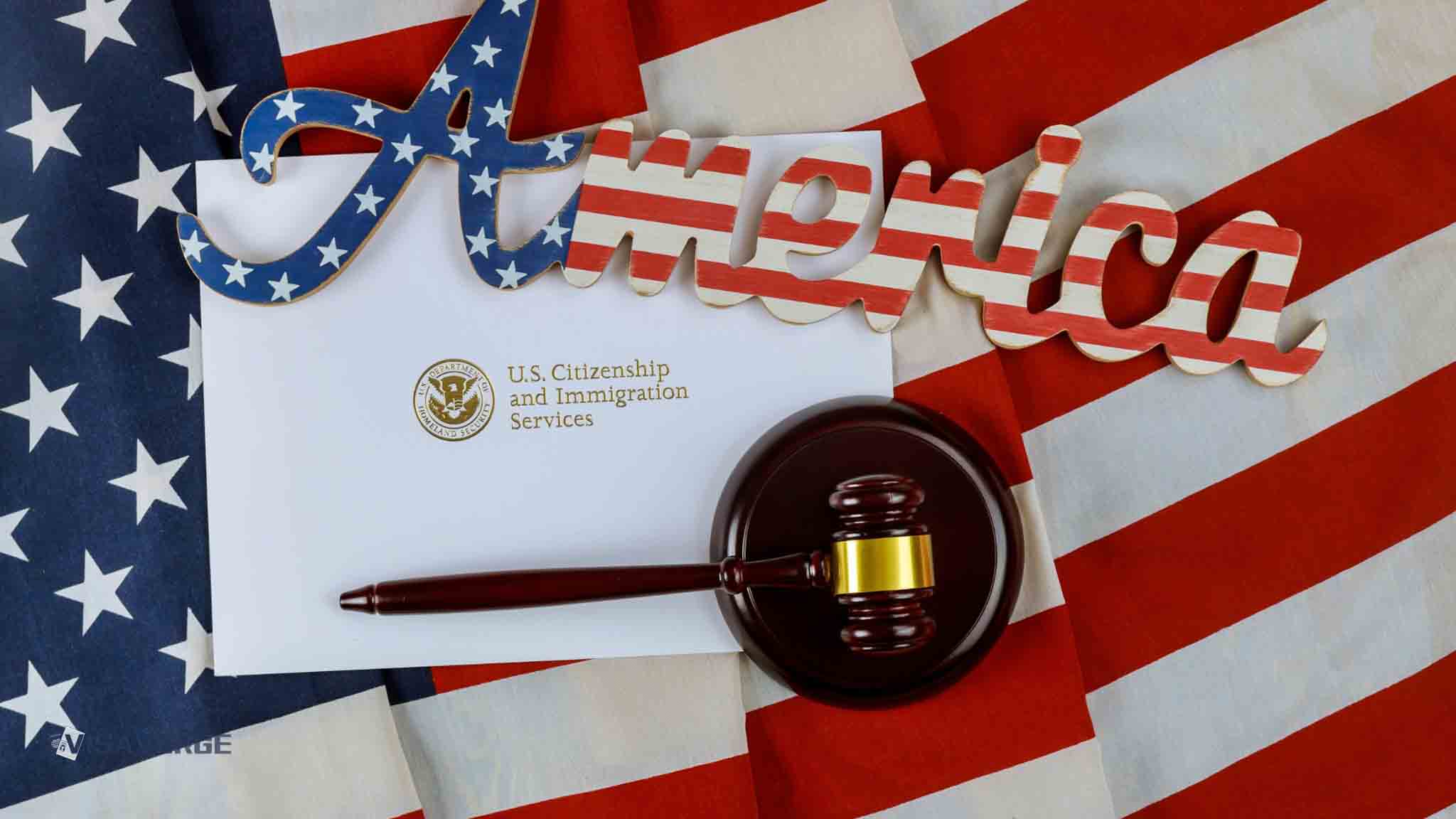
U.S. Citizenship and Immigration Services said the special resettlement route still operates for applicants who satisfy lawful requirements. The agency’s position leaves applicants facing two simultaneous realities: cases continue moving, while some people have already been rejected or delayed.
U.S. admissions data shows how narrowly the channel has operated
The scale of the program has varied across reports. A July 13 account said the United States admitted 6,668 refugees from October 1, 2025, through May 31, 2026, including 6,665 from South Africa.
A separate tally put the total at 7,730 refugees entering the United States from around November 2025 through the end of June 2026. It counted 7,727 South Africans.
The figures point to the same pattern. South Africans accounted for nearly all admissions in both periods.
The program has operated while the United States halted most other refugee resettlement. Reporting on July 3 described the policy as granting refugee status to white Afrikaners while other groups faced the broader suspension.
That reporting also placed the dispute within the worst bilateral tensions since apartheid ended in 1994. Washington imposed 30% tariffs on South African exports during the confrontation.
Washington expanded a refugee program around a much smaller annual cap
The U.S. refugee admissions ceiling for fiscal 2026 stood at 7,500, according to a July 2026 analysis. The administration later added 10,000 places reserved for white South Africans, raising the total to 17,500.
The State Department estimated the expansion would cost about $100 million. The administration continued prioritizing Afrikaners for the available places.
A July 31 report said President Donald Trump’s administration formally announced the 7,500-person ceiling in a presidential determination. The notice is due for publication in the Federal Register on October 31.
The figures create a narrow channel rather than an open-ended resettlement commitment. Applicants still need to meet the program’s lawful requirements.
“will always have a home in this country without the fear of political persecution and suppression.”
The Cabinet used that assurance as its clearest response to rejected applications. It did not present the pathway as a guarantee of admission to the United States.
Pretoria is challenging the premise behind the special channel
South Africa’s government has rejected the claim that white farmers face genocide or land seizure. Trump made those allegations in February 2025, and they remain central to the dispute over the refugee program.
The Cabinet’s wording also rejected the program’s underlying description of conditions in South Africa. Its statement framed return as an available option rather than abandonment.
South Africa’s new ambassador to the United States has made changing that broader policy his top priority. He said revoking Trump’s February 2025 executive order would be the first step toward restoring normal diplomatic and trade relations.
The envoy described the order as the foundation of Washington’s hostile stance toward Pretoria. His effort now forms part of a wider Pretoria-Washington rift.
The diplomatic dispute extends beyond refugee admissions. It includes trade pressure, competing accounts of conditions affecting white farmers, and Washington’s decision to favor one national group while most other refugee resettlement remains halted.
Applicants face rejection notices while officials defend the route
The reported ineligibility letters sharpen the uncertainty for people already seeking relocation. Some notices reportedly gave applicants no appeal process.
At the same time, USCIS has said the pathway continues for eligible cases. That combination has left the channel open in policy but closed for applicants who receive rejection notices.
South Africa’s response provides a fallback at home. The Cabinet said applicants can return without fear of political persecution or suppression.
The program’s future is tied to both administrative decisions and the diplomatic fight. The next fixed point is October 31, when the presidential determination setting out the 7,500 refugee ceiling is scheduled for Federal Register publication.