- Russia considers granting refugee status to 50 South African families for agricultural development in the Vladimir region.
- The U.S. has admitted 4,496 Afrikaner refugees since October 2025 under a specialized fast-track citizenship program.
- Pretoria rejects all claims of targeted violence or genocide, labeling foreign resettlement initiatives as international disinformation.
(RUSSIA) — Russia is considering refugee status for South African farmers, and Errol Musk said he is helping lead a plan to resettle 50 families of Dutch-origin South Africans in the Vladimir region near Moscow.
Musk discussed the effort publicly on April 14, 2026, saying, “It’s about providing refugee status to South African farmers.” He said the initiative responds to targeted violence against farmers, a claim the South African government rejects as “disinformation.”
Free toolUSCIS Receipt Number Decoder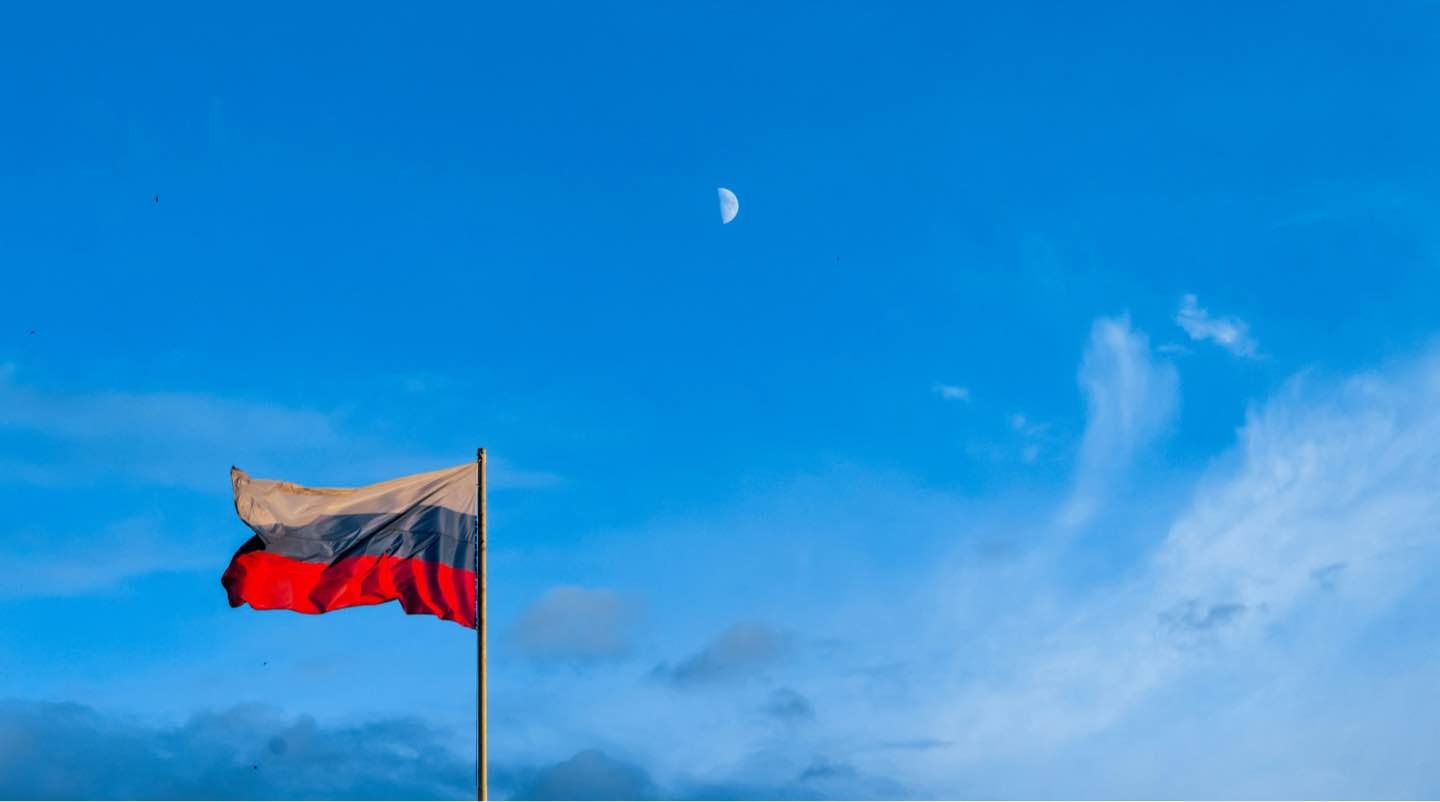
Aleksandr Avdeyev, governor of the Vladimir region, confirmed he had discussed a project to move 50 families from South Africa for agricultural development near Moscow. The proposal places Russia alongside the United States, which has already created a program that gives priority to white South African farmers seeking refugee status.
The Russian initiative surfaced as Washington continued to defend its own policy. On April 10, 2026, a State Department spokesperson said, “The U.S. position on this humanitarian initiative has not changed.”
That position rests on a much smaller refugee program than in previous years. The “Presidential Determination on Refugee Admissions for Fiscal Year 2026” set the ceiling at 7,500, down from 125,000 in fiscal year 2024, a 94% decrease.
The determination, published in the Federal Register, said: “The admissions numbers shall primarily be allocated among Afrikaners from South Africa pursuant to Executive Order 14204, and other victims of illegal or unjust discrimination in their respective homelands.”
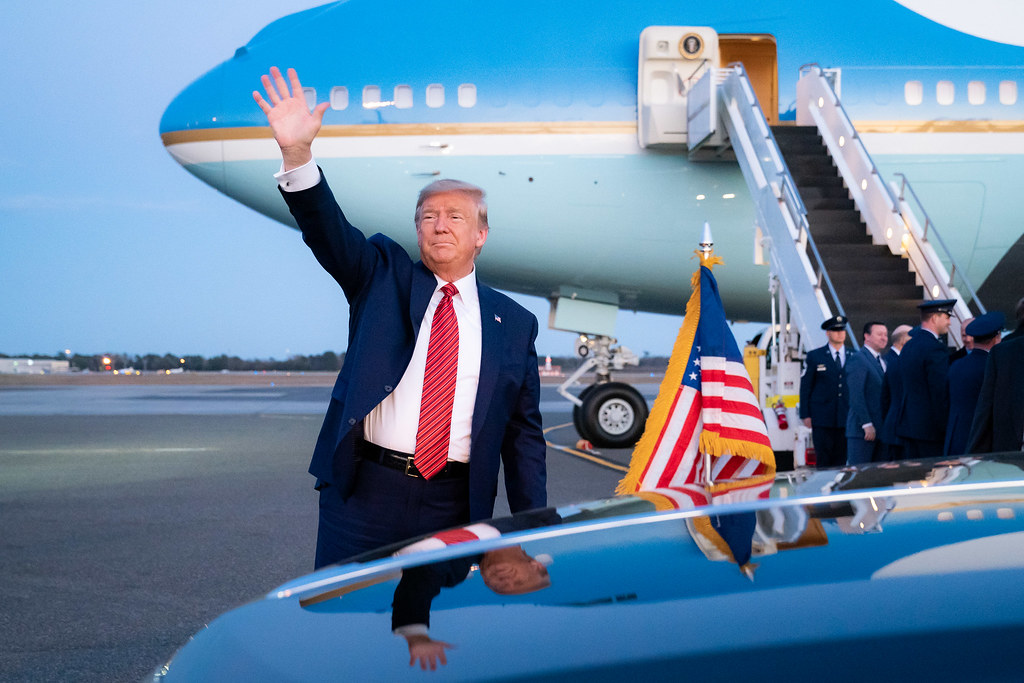
President Trump signed Executive Order 14204 on February 7, 2025. Titled “Addressing Egregious Actions of The Republic of South Africa,” it created the legal framework for Afrikaner resettlement and cited “unjust racial discrimination” and “land seizures without compensation” as the basis for the policy.
Admissions under that framework rose sharply. From October 2025 to March 2026, the United States admitted 4,496 refugees from South Africa, accounting for nearly 99% of all refugee admissions in that period.
The administration paired those admissions with unusually fast immigration promises. President Trump said on social media and in official briefings that South African farmers would receive a “rapid pathway to citizenship,” bypassing the usual multi-year waiting periods for green card holders.
Chris Landau, deputy secretary of state, welcomed one group on May 12, 2025, when 59 South African refugees arrived at Dulles International Airport. “I want you all to know that you are really welcome here and that we respect what you have had to deal with these last few years,” Landau told them.
The refugee status debate has deepened strain between Washington and Pretoria. South African President Cyril Ramaphosa has repeatedly called claims of “white genocide” or systemic persecution “completely false” and “unfounded.”
South Africa’s government has taken the same line on the Russian effort. After Musk described the Moscow plan, officials again rejected assertions of targeted anti-farmer violence and said such claims amount to disinformation.
The argument reaches beyond migration policy and into a wider contest over influence. Analysts have described Moscow’s move as a geopolitical flashpoint, with Russia seeking to present itself as a protector of minority groups in Africa even though it has historically maintained close ties with the ruling African National Congress.
That has left South African farmers and Afrikaner advocacy groups in the middle of a fight over how conditions in the country are portrayed abroad. South Africa’s land reform debate, sharpened by the Expropriation Act of 2024, has become central to refugee claims in both Russia and the United States.
Supporters of the resettlement programs portray them as an answer to racial discrimination and insecurity. Critics inside South Africa say the picture presented overseas distorts events on the ground and turns a domestic land issue into an international political weapon.
The FW de Klerk Foundation has been among the groups warning that expedited citizenship offers tied to persecution claims risk harming the long-term stability of the South African farming industry. Its criticism centers on what it describes as disinformation driving policy in foreign capitals.
Russia’s consideration of refugee status also carries symbolism because the effort is linked to Musk, whose son Elon Musk has spoken publicly about South Africa and race issues in the past. Errol Musk has now attached his name directly to a plan that Russian regional officials say would bring Dutch-origin farming families to a district outside Moscow.
No Russian federal refugee decree was cited in the public discussion on April 14, 2026, but Avdeyev’s confirmation moved the proposal beyond rumor. His comments indicated the talks had advanced to a concrete resettlement concept focused on agriculture rather than a broad political statement alone.
In the United States, the program sits inside a refugee system that has shrunk to its lowest ceiling in modern history while directing most admissions to one group. That combination has drawn attention from immigration lawyers, refugee advocates and foreign governments because the 7,500 cap leaves little room for most other refugee populations.
The concentration is visible in the numbers alone. With 4,496 South African admissions in the first half of the fiscal year and nearly 99% of all refugee arrivals coming from one country during that span, the policy has changed the character of the U.S. refugee program as much as its size.
The administration has continued to defend that approach in official statements. Material posted through the USCIS Newsroom and DHS press releases has framed the Afrikaner initiative as a humanitarian measure rather than a diplomatic rebuke to Pretoria.
Inquiry channels have also been formalized. The U.S. Embassy in South Africa lists [email protected] for refugee questions, a sign that the program has moved from political messaging into regular case handling.
Whether Russia proceeds on a similar path now depends on how far the Moscow-region plan develops and whether the Kremlin turns a regional proposal into national policy. For now, the clearest marker of the shift came from Musk’s own words: “It’s about providing refugee status to South African farmers.”