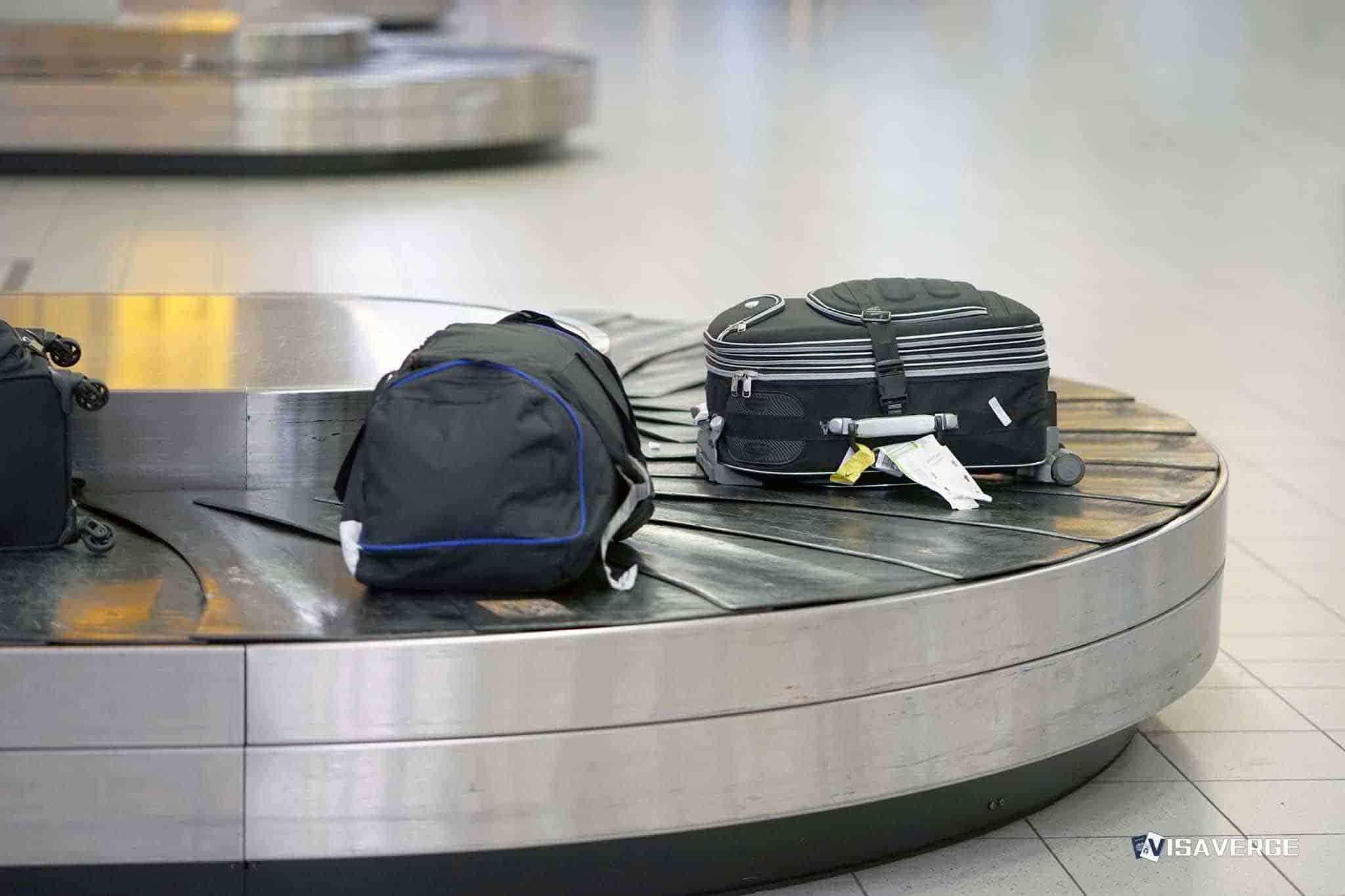
- The European Commission is pushing for new carbon levies on international flights to align aviation with climate goals.
- Airlines warn that these environmental costs will increase ticket prices, specifically on transatlantic and premium routes.
- The policy aims to end tax exemptions on jet fuel and VAT that have historically kept flying costs lower.
(EU): Airlines are warning that new carbon levies on international flights could lift ticket prices, and travelers on transatlantic routes are the ones most likely to notice first. The European Commission still wants to charge carriers for emissions, despite airline resistance and the risk of fresh tension with long-haul partners.
That puts a familiar trip calculation under pressure. A fare that looked reasonable last month can pick up an extra emissions cost, then another layer of airline surcharges, then higher taxes on top of that.

The issue lands hardest on flights that already sit at the expensive end of the market. New York, London, Paris, Frankfurt, Madrid, and Rome all sit inside networks where business travel, premium leisure demand, and connecting traffic keep fares moving quickly.
Europe’s aviation rules have long made flying cheaper than many environmental groups believe it should be. Airlines pay no fuel tax on jet fuel, no VAT on international tickets, and no meaningful carbon price on many long-haul flights.
That tax gap is the target. Brussels wants to bring international aviation closer to the rest of the transport sector, while airlines say the cost will show up where customers actually feel it, in the final fare screen.
The fight is not only about emissions accounting. It also affects how much value travelers get from cash tickets, award bookings, and premium-cabin redemptions on international flights.
| Factor | Airlines’ position | European Commission’s push |
|---|---|---|
| Ticket price | Higher fares if levies are passed through | Higher carbon costs to reflect emissions |
| Tax treatment | Existing exemptions keep aviation competitive | Exemptions distort the market |
| International flights | Main risk area for fare increases | Main target for carbon pricing |
| Passenger impact | Compliance costs likely added to fares | Passengers should pay more for emissions |
| Industry concern | Competitiveness on transatlantic routes | Climate policy consistency across transport |
Aviation’s tax treatment is unusual by European standards. Jet fuel remains untaxed on most international services, and cross-border air tickets do not face VAT in the way train tickets often do.
Environmental groups say that structure has kept flying artificially cheap for years. Airlines counter that they already face costs tied to fuel efficiency, fleet renewal, sustainable aviation fuel, and airport charges.
The proposed levy is meant to close part of that gap. In practice, the policy would price emissions from flights that cross national borders, which is where much of Europe’s long-haul traffic operates.
Domestic flights and short-haul routes are usually treated differently under European climate rules, with existing emissions programs already covering parts of the sector. International flights remain the sharper political problem because they run into trade rules, airline competition, and non-EU partners.
The mechanics matter as much as the headline. Carbon-pricing systems in aviation are usually tied to emissions measured per ton of CO2, then folded into airline compliance obligations rather than printed as a separate line item.
That gives airlines room to bundle the cost into fares, fuel surcharges, or “environmental” fees. Passengers often see the result only when the final price jumps by a few dozen euros on a long-haul itinerary.
Exemptions and thresholds also shape the impact. Smaller operators, limited-route carriers, or certain sectors of the market can face lighter treatment, depending on how Brussels writes the rules and where national governments draw the lines.
Airlines and trade groups have spent months warning that the cost lands on consumers, not balance sheets. Their argument is straightforward: a compliance charge is part of the ticket price once a route is sold to the public.
The European Commission’s stance is equally clear. It wants emissions from international flights priced more aggressively, and it is willing to absorb airline criticism to get there.
That leaves the travel market caught between two familiar forces. One side wants a cleaner price signal for carbon. The other says a higher bill on every seat will hit demand, especially on routes where travelers already compare nonstop options against rail, one-stop itineraries, or budget carriers.
There is also a loyalty-program angle. If airlines raise cash fares on long-haul routes, the cents-per-mile value of a redemption rises in some markets and falls in others, depending on how the carrier prices award taxes and surcharges.
Premium-cabin travelers can feel the change fastest. A modest levy on a base economy fare can look small. The same levy on a business-class ticket, multiplied across a family or a corporate itinerary, becomes a larger absolute number.
That matters on transatlantic travel, where fare competition is already uneven. Full-service carriers protect premium demand with schedules and lounges, while low-cost long-haul operators compete on bare-bones prices and add-ons.
A carbon levy can hit both models differently. Legacy airlines may absorb some of the cost in sales promotions. Budget carriers often pass it through more directly, because their fare structure leaves less room to hide it.
Travelers using points should watch the total price, not just the miles price. A “free” award seat with a higher carrier surcharge can erase the savings, especially on international flights with long itineraries and multiple airport fees.
Choose cash fares if the airline is running a sale that offsets the levy, or if your route already carries high award taxes. Choose points if the redemption avoids a large surcharge and preserves a strong value per mile.
The political calendar is still important. The European Commission has not backed away from the plan, and the next stage depends on EU legislative steps, consultations, and the shape of any compromise with member states.
Airlines are expected to keep pressing for softer treatment, especially on long-haul international flights where the competitive pressure from non-EU carriers is strongest. Any delay, phase-in, or exemption will probably come from that fight.
International partners will also watch closely. A carbon levy applied unevenly across regions can become a trade issue quickly, especially on routes where European carriers compete with Gulf, U.S., and Asian airlines for connecting traffic.
Passengers booking later this year should pay attention to fare breakdowns and fee lines, especially on travel into and out of Europe. A small policy charge can disappear into the total fare, but it still changes the number printed at checkout.
Lock in long-haul Europe bookings early if you find a fare you can live with, and compare the total cost against award redemptions before buying. On routes with strong premium demand, the levy can show up first in business-class pricing and then filter down to economy.