- New EU laws guarantee one free under-seat personal item for all airline passengers by 2027.
- Budget carriers will still charge for larger overhead suitcases despite the new transparency requirements.
- Airlines must now show total fare costs including the free bag at the start of booking.
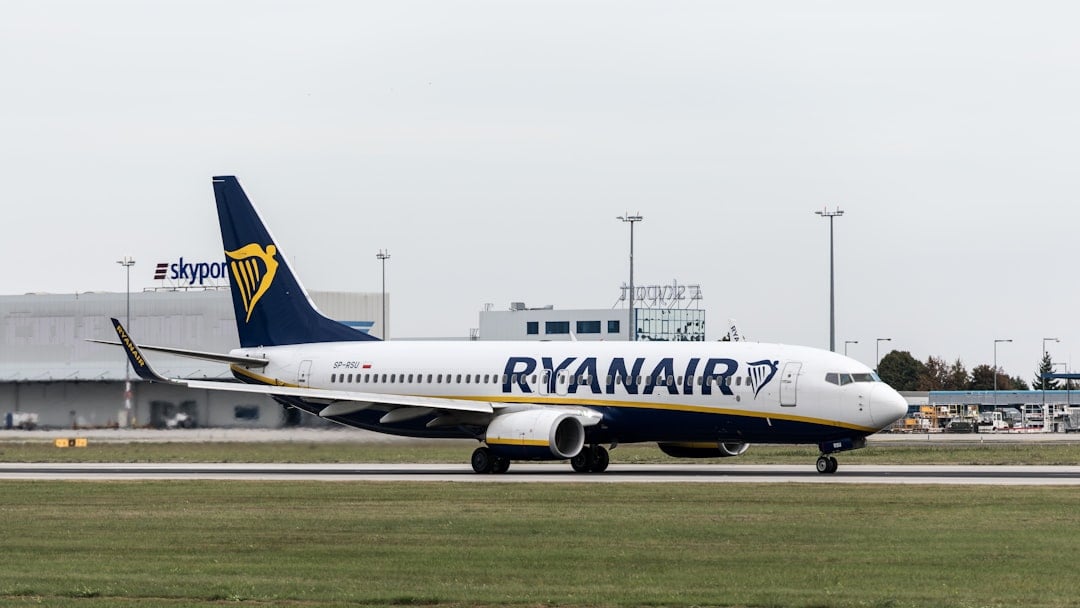
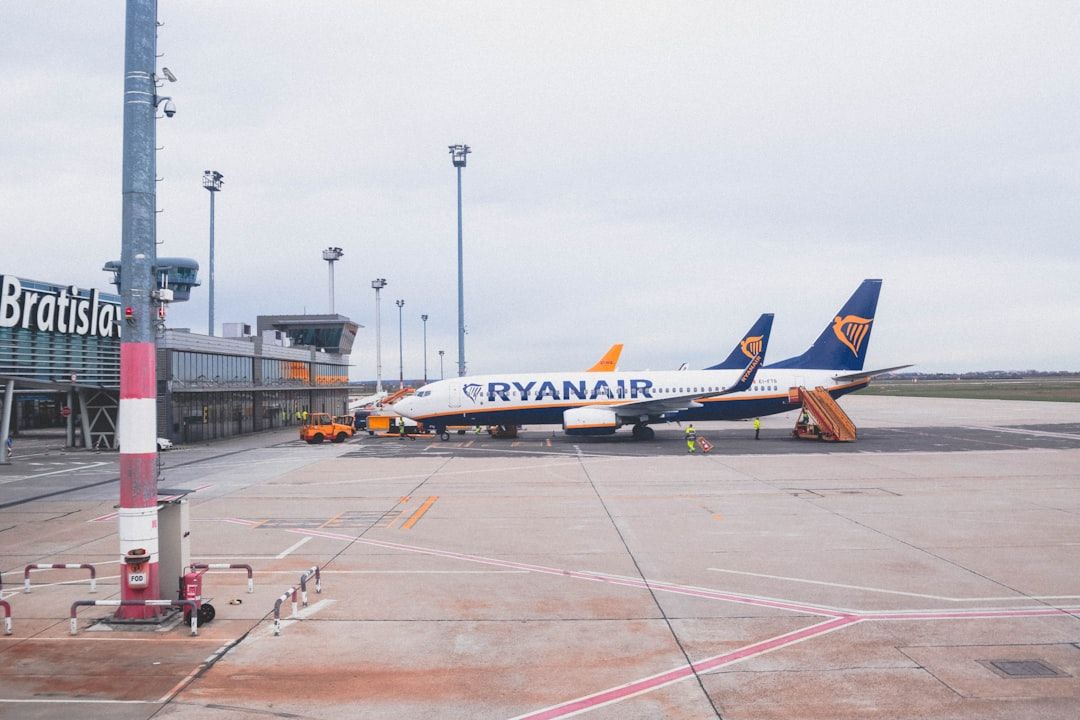
Ryanair, easyJet and Wizz Air will keep charging for larger cabin bags after European lawmakers approved a reform that guarantees every passenger one free under-seat personal item. The measure also requires airlines to show fares with hand luggage included at the start of booking.
The free item must fit beneath the seat and measure 40 x 30 x 15 cm. A larger suitcase for the overhead locker will remain an airline-controlled extra, rather than becoming universally free.
The change is not immediate. The European Parliament approved the measure on 7 July 2026, and the Council of the European Union gave it final approval on 13 July 2026. The rules are expected to take effect in 2027, after final approval and publication.
Passengers still face the current system this summer. Bigger bags can trigger fees, and gate penalties remain between €70 and €75 on the affected low-cost carriers.
The free bag has a smaller footprint than an overhead case
The new minimum applies to the personal item passengers place under the seat. It does not set one mandatory free size for a standard cabin suitcase.
Each airline continues to set the dimensions for its larger paid option. The main cabin-bag limits are:
| Airline option | Larger cabin-bag dimensions | How the option is handled |
|---|---|---|
| Ryanair Priority | 55 x 40 x 20 cm | Available through the Priority option |
| easyJet cabin bag | 56 x 45 x 25 cm | Controlled under the airline’s cabin-bag rules |
| Wizz Air cabin bag | 55 x 40 x 23 cm | Controlled under the airline’s cabin-bag rules |
Those dimensions exceed the new free personal-item limit. Passengers who want an overhead case must therefore continue checking the selected fare and add-on terms during the transition period.
The reform targets the way fares are presented as well as the baggage allowance itself. Airlines will have to include the cost of the free hand-luggage allowance when they first display a fare, rather than presenting a stripped-back price and adding the charge later in the booking.
That should produce higher prices at the beginning of a search while reducing the gap between the initial fare and the checkout total. The larger cabin bag can still carry a separate charge.
The change follows a 13-year fight over cabin luggage
The European measure grew out of a dispute over whether hand luggage is an essential part of air travel or an optional service. In the 2014 Vueling Case, the European Court of Justice ruled that hand luggage is a necessary aspect of travel when it meets reasonable weight and size requirements.
Reform of Regulation (EC) 261/2004, the passenger-rights regulation, then remained blocked for more than a decade amid disagreements between member states and airline lobbyists. The July vote ended that stalemate.
The Parliament approved the package by 646 votes to 12. The Council later gave the measure its final green light.
Alexis Vafeades, Cyprus’ transport minister and a Council representative, described the package as a consumer-protection measure.
“This modernized framework will deliver certainty, fairness and stronger protection for millions of European air travellers.”
The package also includes a rule requiring children under 14 to sit with a companion for free. That provision covers families traveling with children, alongside the baggage and fare-display changes.
Airlines warn that free overhead bags would cause delays
The carriers have opposed a broader right to take an additional free bag into the cabin. Their criticism has focused on aircraft capacity, gate handling and the effect on low-cost fares.
Michael O’Leary, Ryanair’s CEO, called the EU measure “bureaucratic bunkum” and said it would require airlines to advertise higher fares. He also announced that staff commissions for identifying oversized bags would rise from €2.50 to €3.50 before the 2027 transition.
Kenton Jarvis, easyJet’s CEO, estimated that the broader baggage proposal could increase base fares by as much as 25%. He said most aircraft can accommodate bags for only 65% of passengers, leaving the rest to be removed manually at the gate.
Jarvis called that process the “number one cause of delays” before airlines introduced bag fees. His warning centers on overhead storage, which the approved reform does not make universally free.
József Váradi, Wizz Air’s CEO, also rejected the idea that baggage should automatically be treated as a passenger entitlement.
“I understand that consumer rights are also a policy, but they should not be devoid of rationality. Baggage is not a human right.”
Industry groups continued the fight after the Council vote. Airlines for Europe, known as A4E, and the European Regions Airline Association launched a joint appeal on 14 July 2026, arguing that the rules disregard the operational constraints of regional flying.
The current rules remain in force until the transition
Passengers booking before the new system takes effect must still distinguish between a small personal item and a larger cabin bag. On the Irish low-cost carrier, the current small-item limit is 40 x 20 x 25 cm, and a bag above that size can require payment.
The new EU personal-item standard is larger in two dimensions but narrower in depth, at 40 x 30 x 15 cm. Travelers should measure the bag they intend to place under the seat instead of assuming that an existing airline allowance matches the future rule.
The reform is expected to enter into force in mid-2027, after official publication, rather than during the 2026 summer travel season. Until then, the three airlines’ existing fare families, priority products and baggage charges continue to govern each booking.
The European changes may also affect travelers flying from the United Kingdom. The UK Civil Aviation Authority has signaled that it may adopt similar transparency rules, while EU requirements apply to flights departing from EU airports, including return flights operated by UK carriers such as easyJet and Jet2.
The next practical checkpoint is publication of the final measure and its entry into force in mid-2027. Until that date, passengers should price the under-seat allowance and any overhead bag separately before paying for a ticket.