- Chinese investor Chunming Wang faces federal detention in Honolulu despite his $100 million real estate portfolio.
- Authorities allege alien smuggling violations under the INA, which can lead to mandatory deportation regardless of assets.
- Wang reportedly claims fear of retaliation if returned to China, potentially seeking asylum or CAT protection.
(HONOLULU, HAWAIʻI) – Chinese investor Chunming Wang, who says he has more than $100 million invested in Hawaiʻi real estate, appears to be in removal proceedings from federal detention in Honolulu, where public reports say officials are relying on alien smuggling allegations and related immigration violations.
The compliance point is straightforward. Investment in U.S. property does not excuse a noncitizen from the grounds of inadmissibility or deportability in the Immigration and Nationality Act. If the government alleges smuggling, the legal authority typically comes from INA § 212(a)(6)(E)(i), for applicants for admission, or INA § 237(a)(1)(E)(i), for noncitizens charged as removable after admission. Those provisions cover knowingly encouraging, inducing, assisting, abetting, or aiding another person to enter the United States in violation of law.

That distinction matters in practice. A wealthy investor may hold property, companies, or long-term projects in the United States, yet still face detention and removal if the government alleges a ground of inadmissibility or deportability. Public reporting on Wang does not establish his visa category, admission history, or the charging document filed against him. Without those records, it is not possible to say whether the government is proceeding under INA § 212, INA § 237, or another provision.
Free toolCSPA Age-Out Calculator OnlineReports describe Wang as a Chinese real estate investor with more than $100 million tied up in Hawaiʻi properties. No detailed inventory of the properties, ownership structure, or financing has been publicly confirmed in the available reporting. That gap is legally relevant because business ownership and immigration status are separate issues. A person may retain ownership interests while detained, but detention can complicate corporate governance, document access, and court appearances.
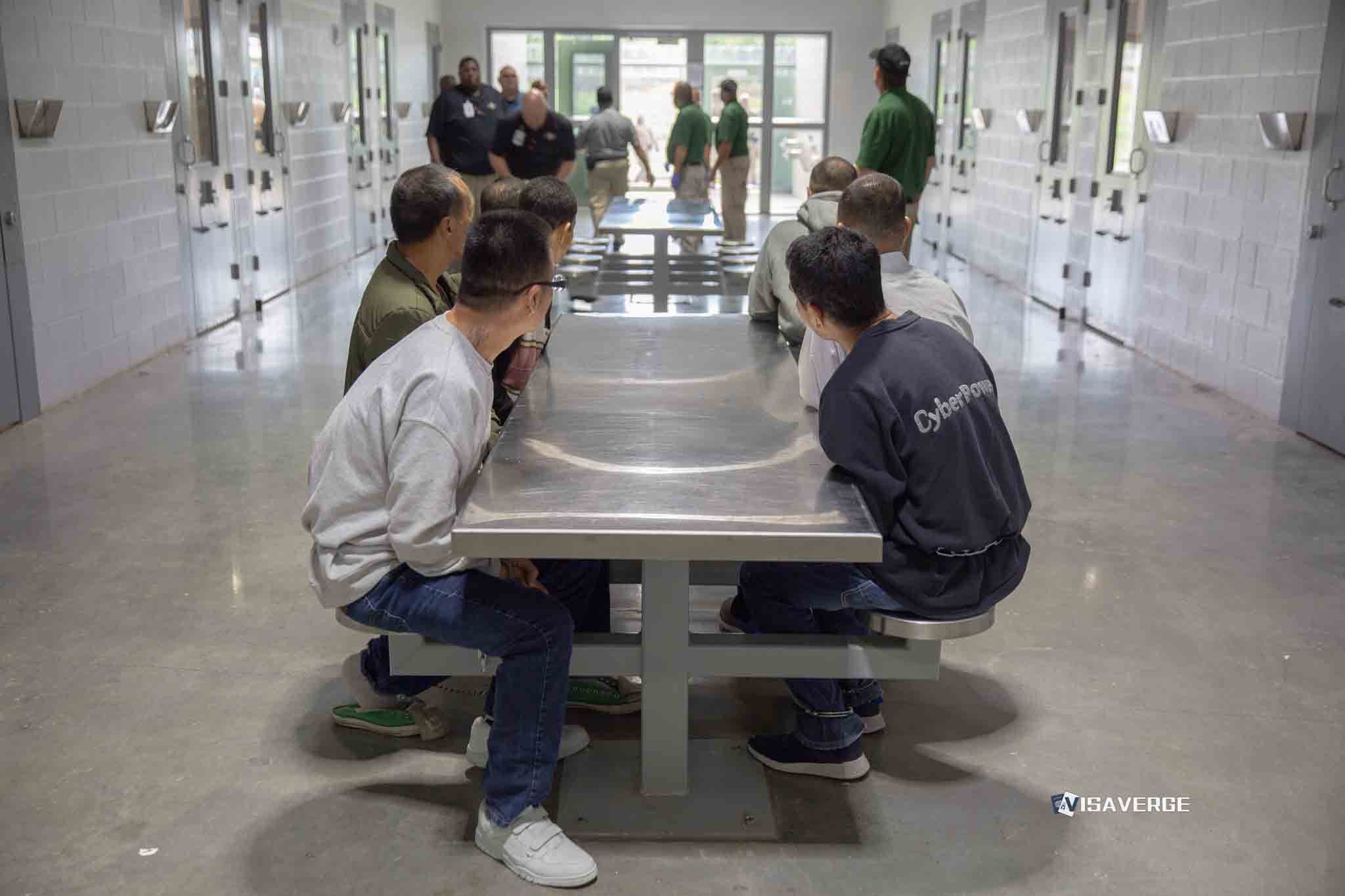
Public accounts also say Wang has been held in a Honolulu detention center since June 2025 and is fighting deportation. Detention authority often arises under INA § 236 while removal proceedings are pending, although some cases trigger mandatory detention and others permit bond. The record available here does not confirm whether Wang received a bond hearing, whether bond was denied, or whether detention is tied to a specific charge that limits release.
Officials are said to be relying on allegations involving alien smuggling and other immigration issues. Smuggling allegations carry weight beyond removability. They may affect eligibility for benefits, discretionary relief, and credibility assessments in later proceedings. A waiver exists in some family-based cases under INA § 212(d)(11), but it is narrow and usually applies only where the conduct involved helping a spouse, parent, son, or daughter. Property investment alone does not create a waiver.
Wang also reportedly claims he fears retaliation if returned to China. In removal proceedings, that kind of claim is usually raised through asylum under INA § 208, withholding of removal under INA § 241(b)(3), or protection under the Convention Against Torture at 8 C.F.R. §§ 1208.16 to 1208.18. The standards differ. Asylum generally requires a well-founded fear tied to a protected ground. Withholding requires a higher probability standard. CAT focuses on the likelihood of torture by, or with the acquiescence of, a public official.
Compliance in a detained protection case is exacting. If proceedings are already before an Immigration Judge, an asylum application is generally filed with the court, not USCIS, under 8 C.F.R. § 1208.4(b)(3). The form is usually Form I-589. Judges set filing deadlines, and missed deadlines may result in the application being deemed waived. If the judge denies relief, an appeal to the Board of Immigration Appeals is generally due within 30 calendar days under 8 C.F.R. § 1003.38(b).
Failure to appear creates another compliance risk. A missed hearing may lead to an in absentia removal order under INA § 240(b)(5). That can happen even in cases involving major investments or pending business obligations. Detained respondents often face practical barriers, including limited document access, interpreter issues, and time pressure. Counsel usually focuses first on the Notice to Appear, the charging allegations, the custody basis, and all court-set filing dates.
Precedent decisions show how carefully these records are examined. In protection claims, the Board has long required specific facts supporting feared harm, not general assertions, see Matter of Mogharrabi, 19 I&N Dec. 439 (BIA 1987). In immigration court procedure, filing and appeal deadlines are enforced strictly. Circuit law may also affect detention, bond review, and the treatment of certain removability grounds, so venue matters.
Warning: A smuggling allegation may affect more than the current case. It may block future admission, trigger removability, and limit available waivers.
Deadline: A BIA appeal is generally due within 30 calendar days of the Immigration Judge’s decision. Late appeals are usually dismissed.
Several practical steps help maintain compliance during a case like this. Keep copies of every charging document, custody notice, and court order. Confirm each hearing date with the Immigration Court. File applications and exhibits by the judge’s deadline, not the mailing date. Preserve corporate records showing ownership, management authority, and tax filings, because detention can interrupt normal business operations. If fear-based relief is being pursued, gather declarations, country-conditions evidence, and any documents showing threats or retaliation risk. Complex cases, especially those involving detention, alleged smuggling, and foreign business assets, usually require a qualified immigration attorney.
One caution remains. Public reporting on Wang appears to come from local news clips and social posts, not from publicly confirmed immigration court records or federal charging documents. That leaves the exact procedural posture, formal charges, and any rulings unverified in the public record. It also means the available facts do not show whether Wang seeks asylum, withholding, CAT protection, bond, termination of proceedings, or some combination of relief.
⚖️ Legal Disclaimer: This article provides general information about immigration law and is not legal advice. Immigration cases are highly fact-specific, and laws vary by jurisdiction. Consult a qualified immigration attorney for advice about your specific situation.
Resources:
case and court information
forms and policy guidance
Lawyer Referral
Immigration Advocates Network