- Two easyJet A320s entered runways at wrong points during separate incidents at Luton and Manchester airports.
- The UK AAIB classified these as runway-position mistakes rather than departures from entirely incorrect runways.
- Repeated errors suggest a need for sharper procedural checks regarding ground movements and cockpit cross-checks.
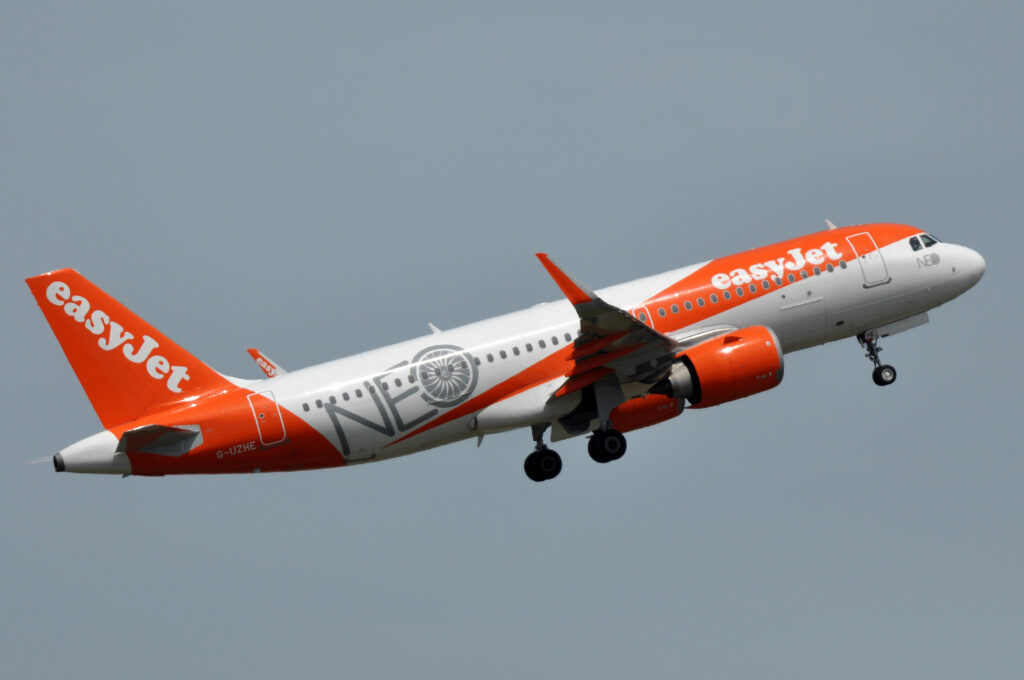
(UK) — easyJet passengers should pay attention to runway discipline after two A320s were involved in separate runway-entry errors weeks apart at Luton and Manchester. The incidents did not involve the same aircraft or the same airport, but they did point to the same kind of ground-movement mistake.
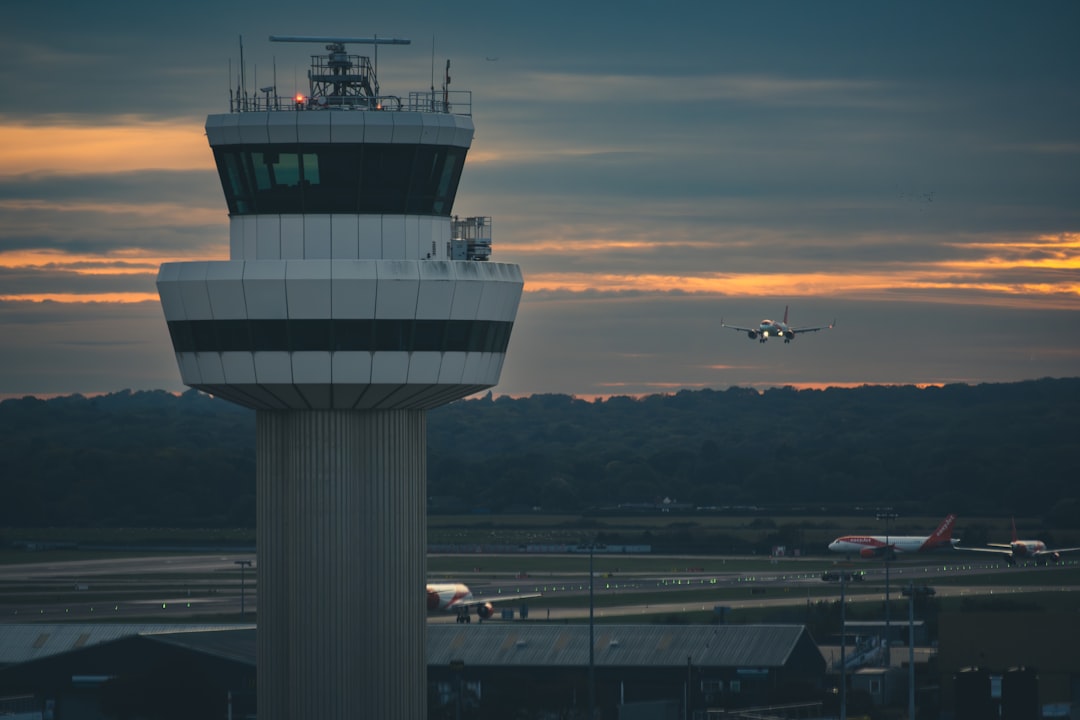
That matters because runway-entry errors sit close to the front end of a flight, where a small procedural slip can force a go-around, a delay, or a safety review. Travelers may never see the difference between a correct lineup and a wrong point entry, but crews and air traffic teams do.
Free toolB1/B2 Tourist Visa Stay Calculator online
At Luton, one easyJet A320 entered the runway at the wrong point before departure. Weeks later, another easyJet A320 made a similar wrong-runway-point entry at Manchester.
The UK’s Air Accidents Investigation Branch, known as the AAIB, treated them as two separate runway-entry errors. The wording matters. These were runway-position mistakes, not two aircraft departing from completely different runways.
easyJet has built its network around tight turnarounds and high-frequency flying, which makes ground procedures especially important. A single misplaced entry point can ripple into departure sequencing, gate planning, and airfield workload.
Here is the comparison at a glance.
| Detail | Luton | Manchester |
|---|---|---|
| Aircraft | easyJet A320 | easyJet A320 |
| Issue | Entered the runway at the wrong point | Entered the runway at the wrong point |
| Timing | First incident | Weeks later |
| Location | Luton | Manchester |
| AAIB description | Wrong runway entry error | Wrong runway entry error |
| Operational result | Safety scrutiny and review | Safety scrutiny and review |
At Luton, the aircraft lined up from the wrong runway point before departure. That kind of error can happen when crews misread a taxi instruction, lose situational awareness on a busy apron, or encounter confusing markings and timing pressure.
Manchester produced the same pattern weeks later. The second event mattered because it was not a one-off anomaly at one airport. It suggested a wider process question about runway entry checks, cockpit cross-checks, and airfield coordination.
The AAIB’s language is the clearest guide to what happened. It described the events as two wrong runway entry errors. That is different from saying the aircraft used the wrong runway altogether.
That distinction matters in aviation reporting, and it matters for passengers trying to interpret the risk. A runway-position mistake is still serious. It does not carry the same meaning as a takeoff from the wrong runway or a takeoff from an unauthorised surface.
The difference also affects how airlines and airports respond. A runway-entry error often triggers a review of taxi guidance, signage, headset communication, and final cockpit checks before line-up. Those reviews are about catching the error one step earlier next time.
easyJet now has two separate incidents on the record, at two major UK airports. That raises the likelihood of procedural checks spreading beyond the individual flights involved. Airlines do not wait for repeat events before examining crew briefings, but repeat events sharpen the pressure.
The consumer side is simple. These events do not suggest that easyJet flights at Luton or Manchester became unsafe to board. They do show how tightly airside operations depend on small decisions made in seconds.
| Factor | What it means for travelers |
|---|---|
| Delay risk | A runway-entry mistake can push back departure timing. |
| Operational checks | Expect closer scrutiny of taxi and line-up procedures. |
| Airport impact | Busy hubs may tighten ground coordination after repeat errors. |
| Passenger experience | Most travelers see only the delay, not the cockpit correction. |
Aviation regulators and investigators treat runway incursions and runway-entry mistakes seriously because the margin for error on the ground is thin. There is no cruising altitude buffer, and there is no time to recover if the wrong line is crossed at the wrong moment.
That is why the AAIB report drew attention beyond easyJet’s own network. Ground movement errors are not unique to one airline, one airport, or one country. They are a recurring safety issue across commercial aviation, especially at airports with dense taxi layouts and frequent departures.
Other airlines have faced similar runway-related scrutiny over the years, often after confusion about hold points, runway crossings, or lineup clearances. The common thread is rarely headline drama. It is procedure, repetition, and the pressure of crowded airfields.
The easyJet cases also fit a broader pattern in short-haul European flying. Low-cost carriers move fast, airport slots are tight, and turnaround discipline matters more than ever. That speed can work well when it is matched by strict ground checks. It becomes a liability when one step slips.
The aircraft type matters too. The easyJet A320 is one of the most common narrowbody jets in Europe, used on high-frequency routes where crews see busy taxi systems all day. Familiarity helps, but familiarity can also breed assumption if a crew expects the usual entry point and gets a different one.
Passengers connecting through Luton or Manchester generally care about departure punctuality, not taxiway terminology. Yet these incidents are a reminder that the longest delays often begin before the wheels leave the ground. A wrong runway point can force corrections that affect the rest of the schedule.
Airports also have skin in the game. They have to review markings, signage, lighting, and the handoff between ground controllers and flight crews. If an airport sees repeated runway-entry confusion, it does not reflect well on its local operating picture.
The timing, weeks apart, is what sharpened attention here. A single incident can be treated as a one-off. Two similar ones close together invite a broader look at whether procedures need reinforcing.
Choose easyJet if the fare and schedule fit your trip, especially on short European hops where the airline’s network is strong. Choose a different carrier only if your route timing, fare bundle, or onboard expectations line up better elsewhere. The runway incidents do not change the booking logic by themselves, but they do underline the value of airports and airlines that handle ground operations with tight discipline.
Travelers booked on easyJet’s UK domestic and short-haul network do not need to cancel plans over these events. They should, however, watch for any airport-specific operational reviews that can affect turnaround times, especially at busy departure banks.
If you are flying through Luton or Manchester in the coming weeks, build in a little extra time for the possibility of ground delays. On a network this busy, the first sign of a procedural review is often a slower pushback, not a public announcement.